
What is chai tea?
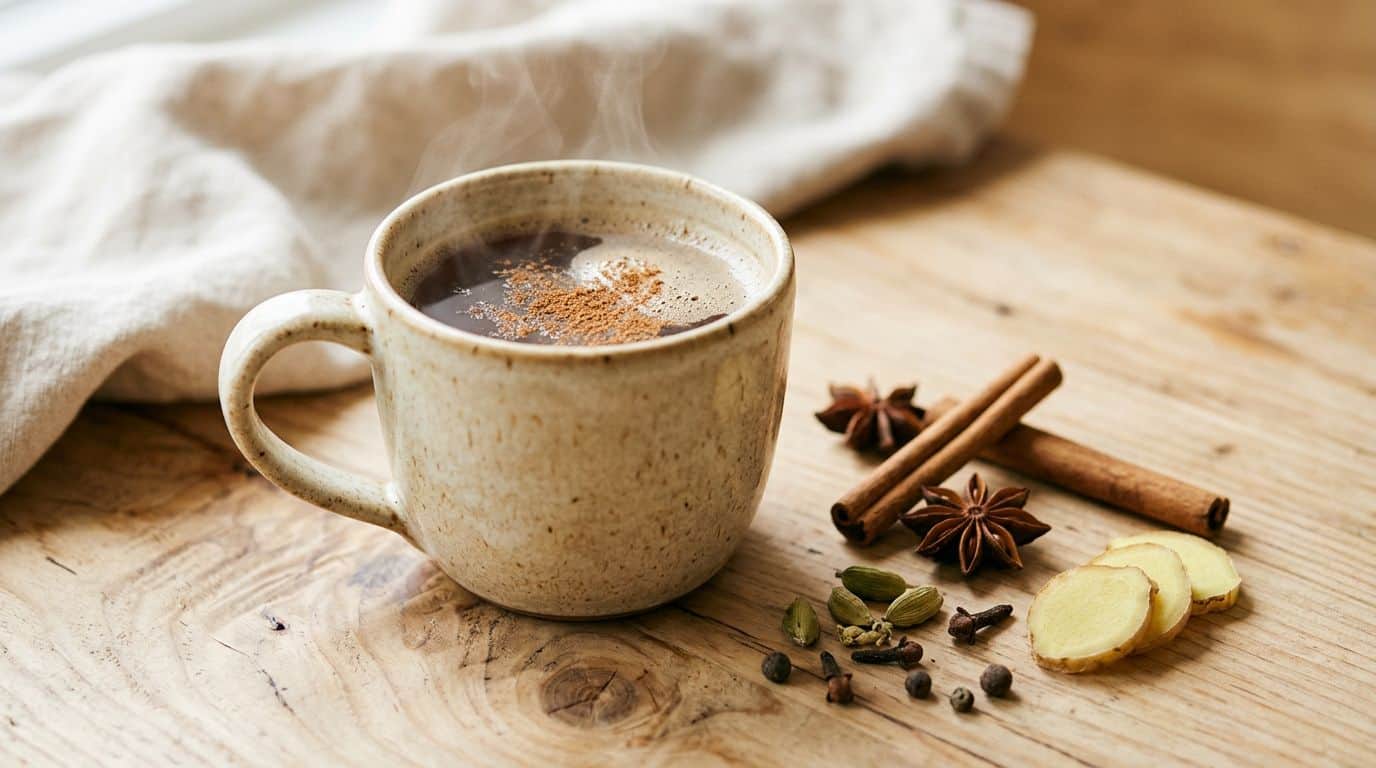
Chai tea is a popular spiced tea traditionally made by brewing black tea with a mixture of aromatic herbs and spices. The word chai means “tea” in many languages, specifically in Hindi, Urdu, and Persian. It originated in India and has deep cultural roots as a daily staple and symbol of friendship and hospitality (1).
In India, it is known as masala chai, which means “spiced tea.” In America, it is commonly referred to as chai tea, which technically means “tea tea” but is understood to mean spiced tea.
Though the specific spices can vary by recipe and region, a typical chai blend includes (2):
- Cinnamon
- Ginger
- Cardamom
- Cloves
- Mace
- Black pepper
- Nutmeg
- Star anise
Preparation also varies by tradition, but it often includes milk and a sweetener such as honey or sugar. It usually involves simmering the tea, milk, and spices to create a creamy, flavorful beverage. Common regional and global adaptations include chai lattes, Thai iced tea, and Kashmiri chai.
Is chai tea safe to drink during pregnancy?
Yes!
However, since chai tea is made with black tea, there are a few things to consider during pregnancy. You can read more about black tea and pregnancy here. Concerns about chai center around caffeine, spice content, and additives found in commercial versions.
Caffeine content
The recommended caffeine limit for pregnancy is 100-200 mg per day due to the increased risk of complications. One cup of chai tea contains around 47 mg of caffeine, due to the black tea base (3,4,5). While there is no guaranteed safe amount since caffeine sensitivity can vary, the caffeine in a serving of chai is generally considered low-risk.
Read more about caffeine during pregnancy here.
Spice content
A few spices to keep in mind are ginger and licorice root.
- Ginger is safe during pregnancy in amounts up to 1 gram per day. This spice is interesting as ginger is commonly used outside chai, especially to aid nausea. To learn more about ginger and pregnancy, click here.
- Licorice root is not typically found in traditional chai blends but can occasionally be included. However, it should be avoided during pregnancy, as it has been associated with preterm birth and potential harm to fetal development (6,7). This is due to the glycyrrhizin, a compound found in licorice that acts as an inhibitor for cortisol metabolism (8).
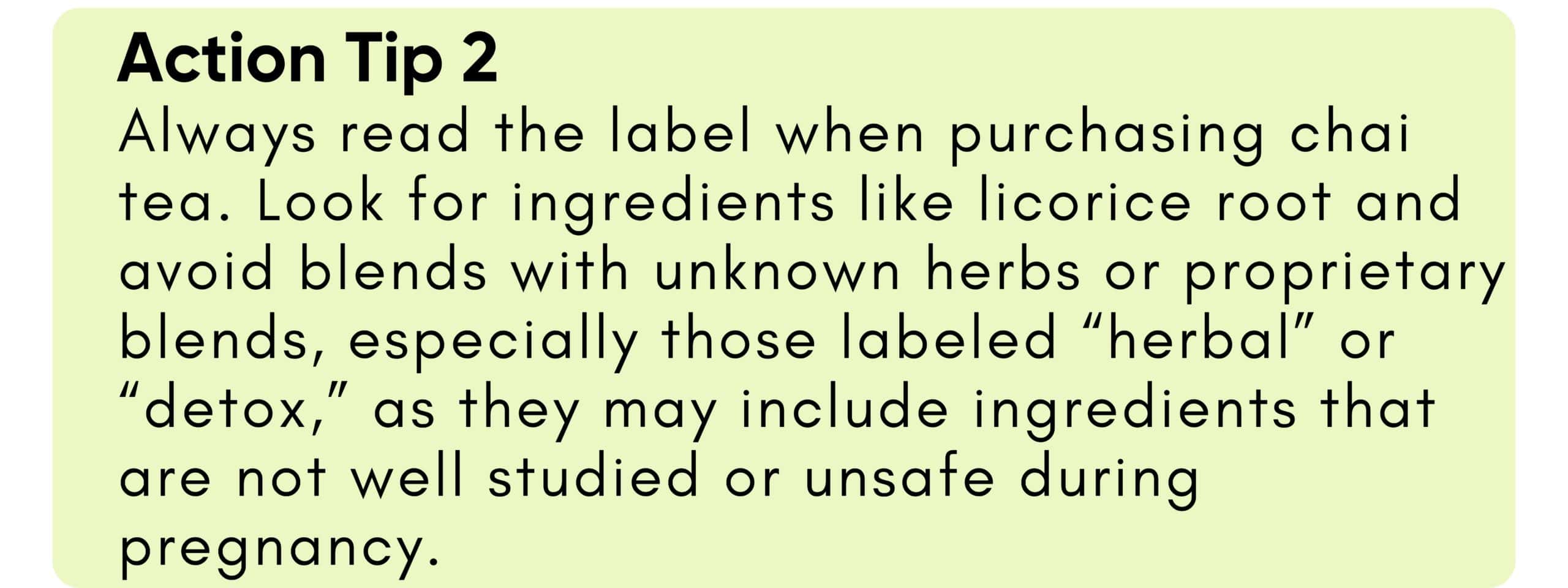
Due to the variations in chai blends and preparations, it is always a good idea to check the label or ingredient list so you know exactly what is in your drink.
Anti-nutrients
Like other black tea-based beverages, chai tea contains compounds called tannins, a polyphenol. Tannins are sometimes considered anti-nutrients because they can interfere with the absorption of nonheme iron, the form of iron found in plants, and folate (9).
This concern is generally less significant if you get enough iron from animal sources, which provide more readily absorbed heme iron. Despite this, tannins also offer beneficial properties, including antioxidant and anti-inflammatory effects (10).
What about while trying to conceive?
Although the same caffeine considerations apply, chai tea is generally safe while trying to conceive. Some evidence suggests that excessive caffeine intake may reduce fertility, but moderate consumption (under 200 mg per day) is considered low-risk (11, 12).
As mentioned, chai tea can be prepared in various ways, and sweeteners such as sugar or honey are often added. However, limiting the intake of sugar-sweetened beverages is important, as high added sugar consumption has been associated with reduced fecundability, which can affect fertility in both men and women (13, 14, 15, 16).
Are there benefits to drinking chai tea during pregnancy?
While not essential, chai tea may offer some mild benefits. While few research studies have examined the specific benefits of chai tea itself, there is more evidence supporting the effects of black tea and some of the individual spices included in the blend.
Blood sugar management
Black tea has been shown to help lower postprandial (after-meal) blood sugar levels, making it a potentially helpful option for better glycemic control (17, 18).
Additionally, cinnamon has demonstrated promising effects in vitro studies, including improving insulin sensitivity and stimulating cellular glucose metabolism (19).
In a small human study involving individuals with diabetes, cinnamon was found to have antihyperglycemic properties and the potential to support postprandial glucose control (20). However, definitive conclusions could not be drawn due to the study’s size and limitations.
Nausea management
Ginger and cardamom, both commonly found in chai, have been associated with reducing nausea and vomiting. Ginger has been widely studied and proven safe and effective during pregnancy (21).
While cardamom has also demonstrated anti-nausea effects, the evidence primarily comes from studies in which cardamom oil was inhaled rather than ingested, so its effects in chai tea may be limited (22).
Antioxidant properties
Black tea contains antioxidants such as theaflavins and catechins, which help to reduce inflammation and oxidative stress. These effects support immune function and may reduce the risk of pregnancy-related complications (23, 24, 25).
Clove and cinnamon are also rich in polyphenols, which contribute to immune support and inflammation reduction. Polyphenols have been shown to exert protective effects against complications such as preeclampsia, gestational diabetes, and fetal growth restriction (24, 26).
Precautions and Considerations
Even though chai tea is generally safe to consume during pregnancy and may offer some mild benefits, there are a few important factors to keep in mind:
Common spice safety:
As mentioned above, some of the spices in chai require special attention during pregnancy:
- Ginger is considered safe and can help ease nausea, but it is typically recommended that you limit it to 1 g per day.
- Licorice root, which is occasionally added to chai blends, should be avoided during pregnancy as it has been linked to adverse effects on fetal development.
- Be cautious of unknown herbs or proprietary spice blends in chai mixes.
Caffeine
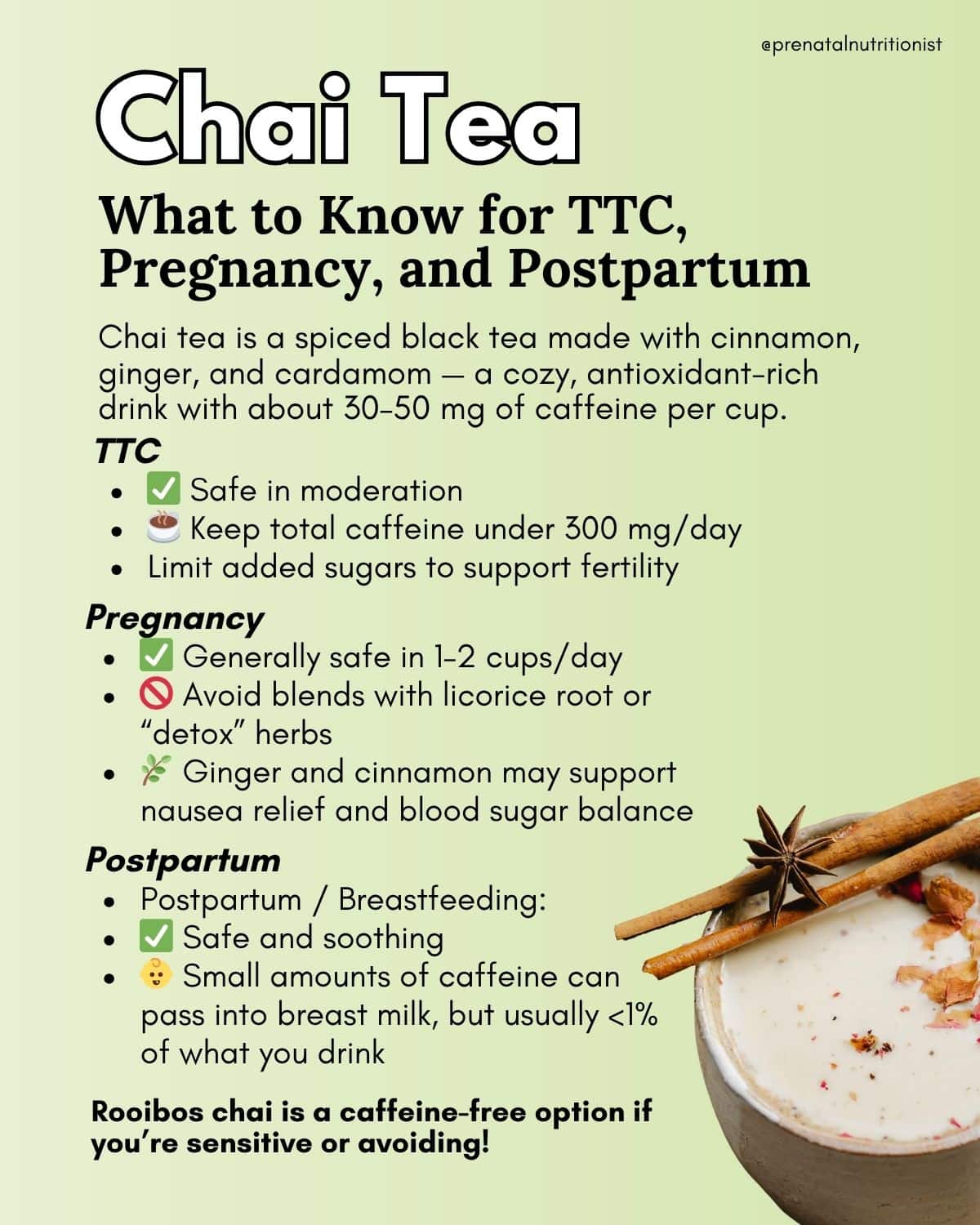
Chai tea made with black tea contains about 30-50 mg of caffeine per cup, so it is best to limit intake to 1-2 cups per day unless using decaf or caffeine-free alternatives. Be especially mindful of cafe-style chai lattes, which may contain espresso or be more concentrated, resulting in higher caffeine levels, often 40-70 mg per serving.
Sugar content
Store-bought chai concentrates, bottled chai, or cafe-prepared chai often contain significant added sugar, with some versions containing over 30 g per serving. Excess added sugar can contribute to blood sugar spikes and is important to monitor during pregnancy.
Additives or preservatives
Many commercially available chai products contain:
- Artificial flavors—These are sometimes used to mimic the taste of real spices. Not all artificial flavors are well studied in pregnancy, and some may pose a potential risk to fetal development (27).
- Preservatives— ingredients like potassium sorbate or sodium benzoate are often added to extend shelf life. While generally recognized as safe (GRAS) in small amounts, it is best to limit exposure when possible due to concerns about cumulative intake during pregnancy (27).
- Sugars and stabilizers—Many chai concentrates and bottled versions contain added syrups (such as cane sugar, brown sugar syrup, or corn syrup) which can increase overall sugar intake. Stabilizers such as guar gum and xanthan gum are commonly used in commercial chai products. While these are generally safe, they may cause digestive discomfort, such as bloating, in some individuals (28).
What about during postpartum?
Yes, you can drink chai tea while postpartum or breastfeeding!
Chai tea generally contains no harmful ingredients for you or your baby while breastfeeding. However, it is important to be mindful of caffeine intake, still, as small amounts can pass into breast milk, typically containing less than 1% of the caffeine consumed by the mother (27).
In moderation, chai can be a comforting and soothing postpartum beverage.
What type of chai tea is best to buy?
When deciding which chai tea to purchase, you typically have the option of tea bags or loose-leaf chai versus concentrates. Tea bags or loose-leaf chai offer more control over ingredients and sugar content, allowing you to sweeten and prepare it to your preference.
Concentrates, such as boxed chai, cafe-style tea, or lattes, are more convenient but often contain higher amounts of added sugar and preservatives, so it is important to read the label carefully.
Look for:
- Organic, non-GMO brands
- No added licorice root or unknown herbs
- Simple and recognizable ingredients, such as black tea, cinnamon, ginger, clove, and cardamom
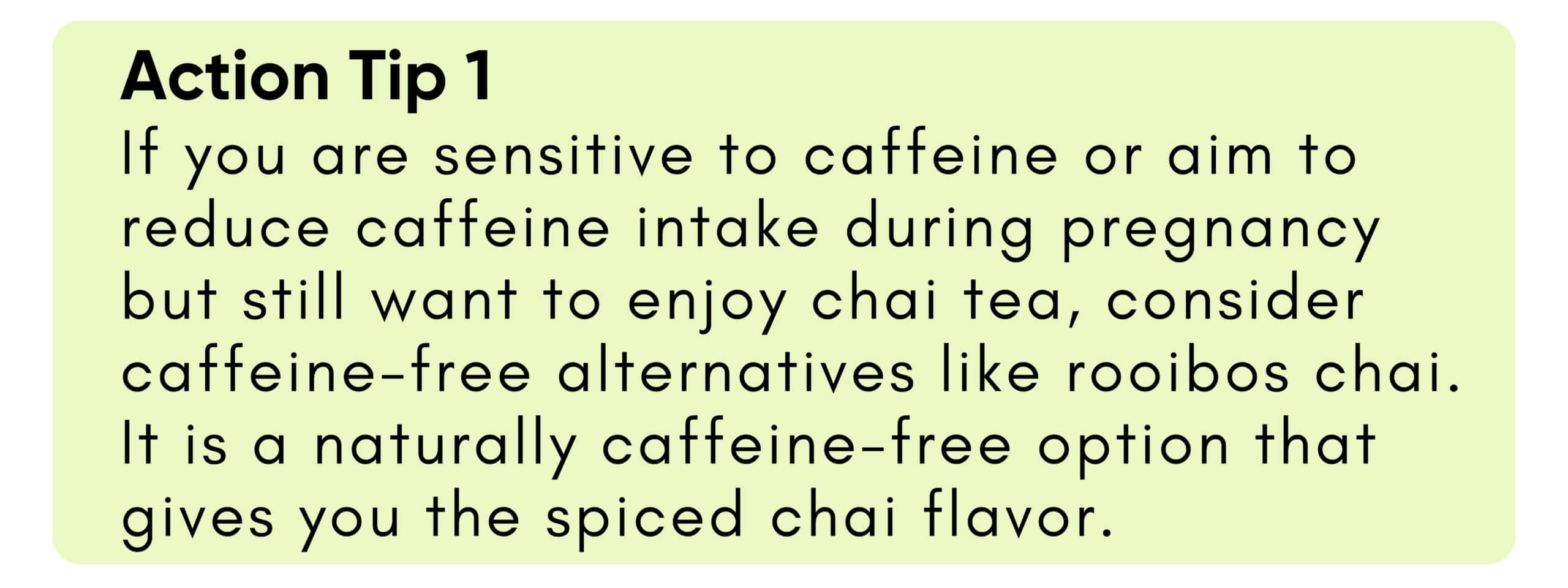
- Decaf or rooibos-based chai options are naturally caffeine-free and are a good alternative when limiting caffeine during pregnancy or nursing.
Some example brands are:
- Tazo – organic Chai tea bags
- Good and Gather – organic chai tea bags
- Whole Foods market – spiced chai tea bags
- From Great Origins – organic chai loose leaf tea
- Full leaf tea co. – organic masala chai loose leaf tea
- Tazo – organic Tea Latte Chai Black Tea concentrate
- Oregon – Chai Tea Concentrate
- Numi – Organic Rooibos Chai Tea (Decaf)
- Yogi Barista Caffeine-Free Organic Chai Latte, Tea Concentrate (Decaf)
The Bottom Line
- Chai tea is a traditional Indian spiced tea made with black tea, milk, and warming spices like cinnamon, ginger, cardamom, and clove. It’s naturally rich in flavor and antioxidants.
- It’s generally safe to enjoy during pregnancy, postpartum, and while trying to conceive, as long as it’s consumed in moderation.
- A typical cup contains around 30–50 mg of caffeine, so limiting intake to 1–2 cups daily is ideal. Avoid blends with licorice root or “detox” herbs, and check ingredient lists carefully.
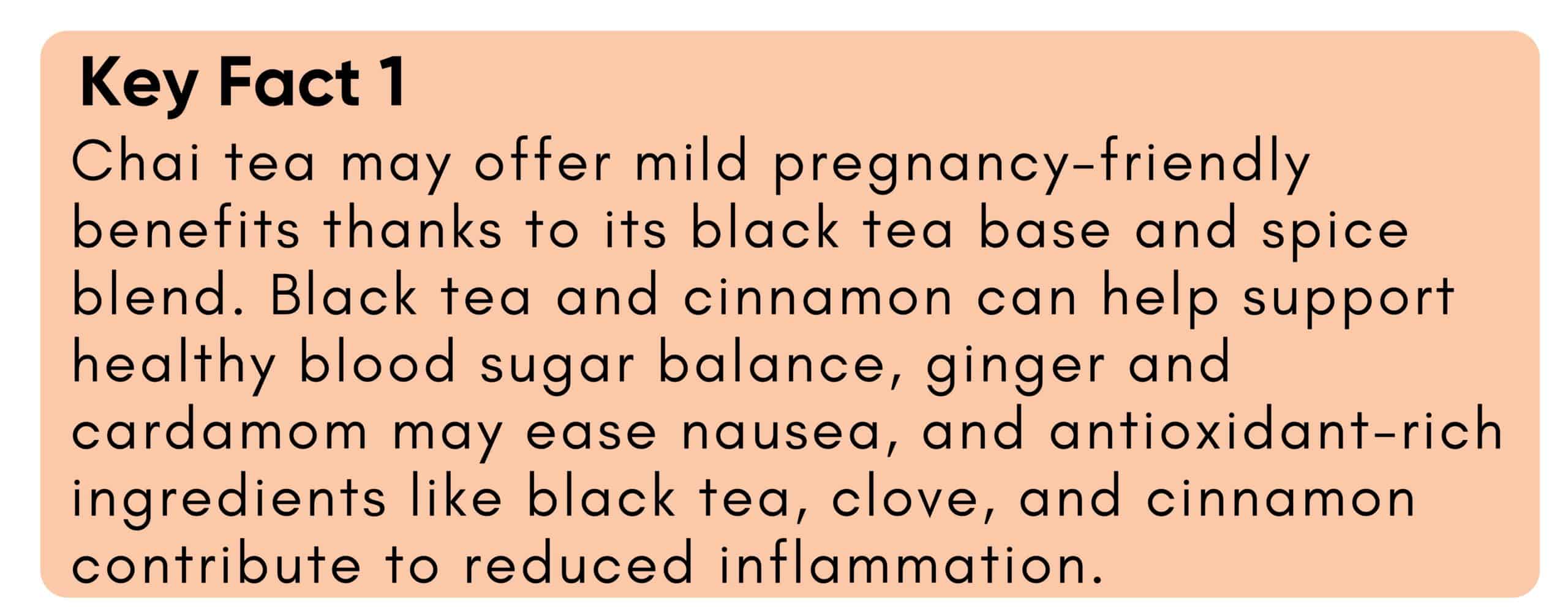
- Thanks to its black tea and spice blend, chai may offer gentle benefits. Black tea and cinnamon may help support blood sugar balance, while ginger and cardamom may ease nausea. Antioxidants in black tea and spices like clove and cinnamon can also reduce inflammation and support immune function.
- When choosing chai, watch for added sugars, artificial flavors, or preservatives often found in café drinks or bottled concentrates. Opt for organic bagged or loose-leaf chai made with simple ingredients, or make your own at home for full control.
Written by: Ana-OConnell, Dietetic Intern, and Ryann Kipping, MPH, RDN, LDN