
What are prebiotics?
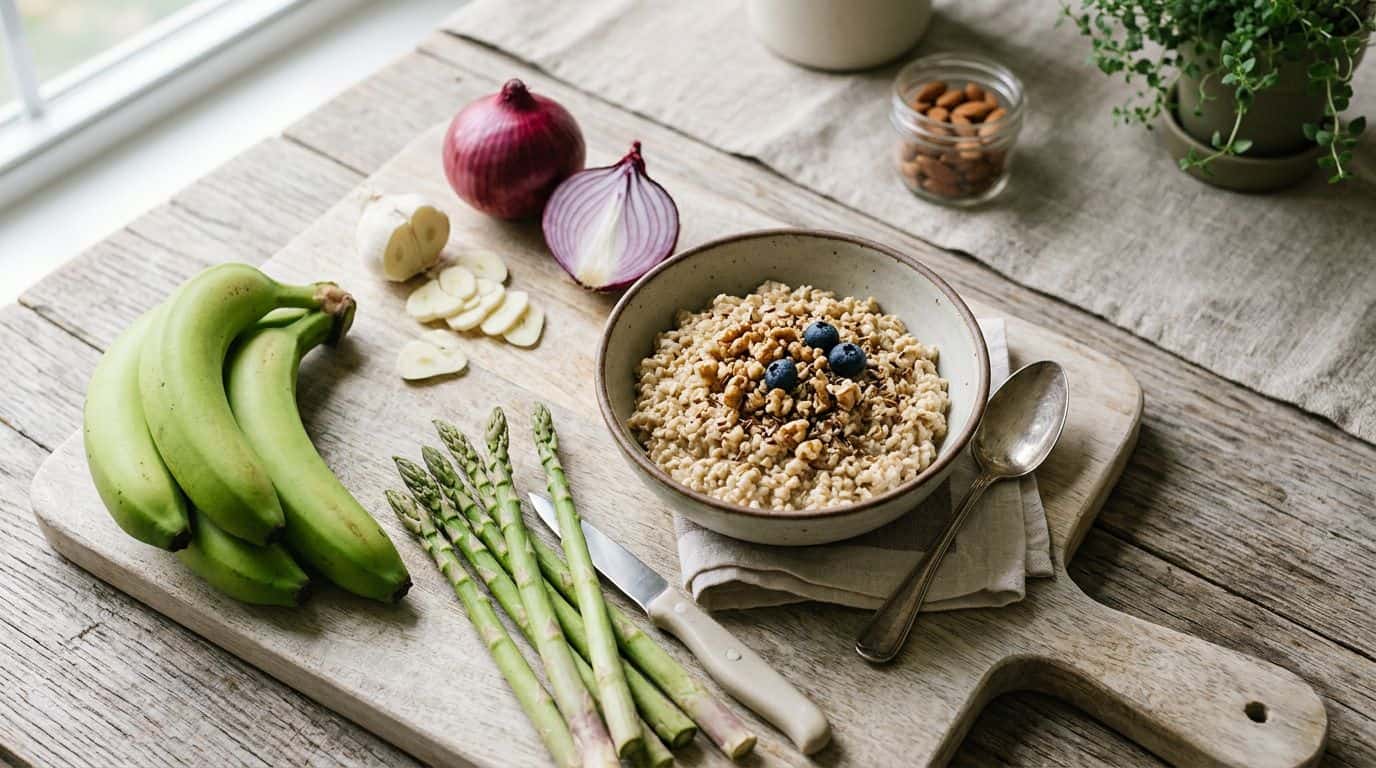
Prebiotics are naturally occurring plant fibers found in everyday foods like onions, asparagus, bananas, oats, and apples. Unlike other carbohydrates, these fibers aren’t broken down in the upper gastrointestinal tract – they move to the colon, where they serve as nourishment for beneficial gut bacteria (1).
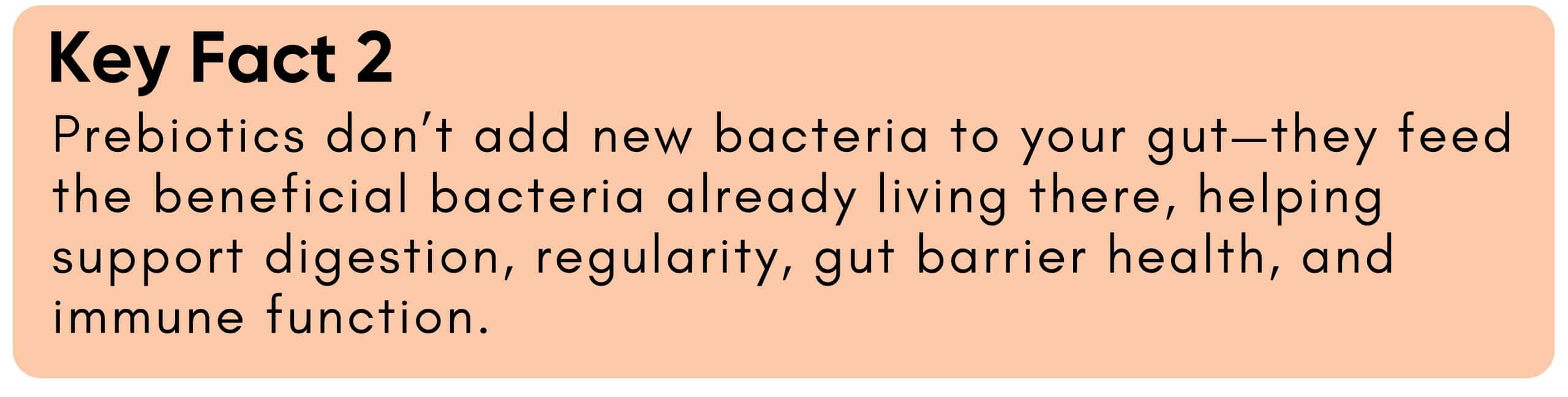
Prebiotics vary in flavor and texture depending on the food source, ranging from the mild sweetness of bananas to the savory bite of onions.
Many packaged foods (such as cereals and bars) may also contain added prebiotic fibers. On ingredient labels, these often appear as inulin, fructooligosaccharides (FOS), or galactooligosaccharides (GOS) – all well-studied forms of prebiotics (1).
Why are prebiotics important?
Prebiotics are important because they feed beneficial gut bacteria, helping maintain a balanced microbiome that supports digestion, immunity, and overall health. They act as the fuel that allows good bacteria to thrive, which in turn strengthens gut integrity, reduces inflammation, and improves nutrient absorption (3).
Relieves constipation and bloating
Prebiotics help support regular digestion by gently feeding the beneficial bacteria that keep the gut moving (3). As these fibers ferment, they produce short-chain fatty acids that soften stool and support smoother bowel movements – something many people appreciate during pregnancy when constipation is more common.
Consistently including prebiotic-rich foods can also help reduce bloating by encouraging a more balanced gut environment (3).
Supports immunity
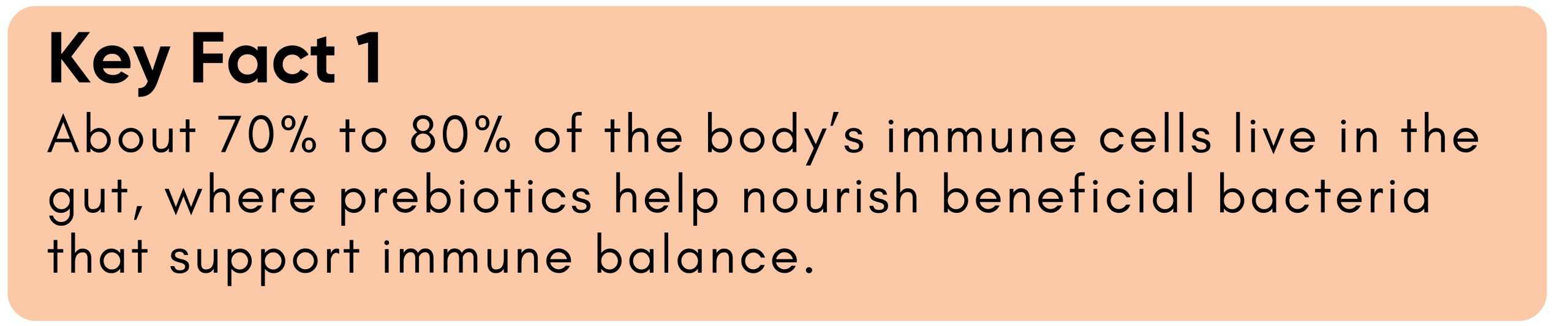
Prebiotics help support the immune system by nourishing beneficial gut bacteria – a key part of the gut environment where most immune cells reside (4). As these bacteria ferment prebiotic fibers, they produce short-chain fatty acids (SCFAs), including butyrate, acetate, and propionate (5). These compounds help strengthen the gut barrier, maintain tight junctions, and support balanced inflammation (5).
A well-supported gut barrier creates a more stable immune environment, helping immune cells communicate effectively and stay in balance (5). Prebiotics also support microbial diversity, allowing a wider range of beneficial bacteria to thrive – a pattern linked to steadier immune function and better resilience during pregnancy (6).
Prebiotics aren’t an immune “booster,” but they help build a steady foundation by supporting the bacteria that interact with immune pathways every day.
Helps build baby’s microbiome
A baby’s microbiome begins forming long before birth, and the mother’s gut health plays a meaningful role in shaping that process (7). Prebiotics help nourish beneficial gut bacteria, which in turn produce short-chain fatty acids (SCFAs) and other metabolites that support a healthy maternal gut environment (7). This matters because the mother’s microbiome influences the bacteria her baby is exposed to during pregnancy, vaginal childbirth, and breastfeeding (7).
During pregnancy, prebiotics support the growth of bacteria associated with healthy immune development and reduced inflammation (8). These bacteria and their metabolites can interact with the placenta, helping guide early immune signaling and tolerance; a foundation that is thought to reduce the risk of allergies later in life (8, 9).
After birth, the connection continues. A mother’s gut bacteria influence the composition of her breast milk, including human milk oligosaccharides (HMOs) and other bioactive compounds that help seed the infant gut (10). When the maternal microbiome is well nourished, babies are more likely to develop a balanced gut environment, associated with smoother digestion, fewer episodes of colic, and healthier immune development (10).
What foods contain prebiotics?
Whole foods are the gentlest and most predictable way to get prebiotics into your daily routine. Because they naturally contain water, vitamins, minerals, and antioxidants, they tend to be easier to digest and more comfortable to consume during pregnancy than foods with added prebiotic fiber (3).
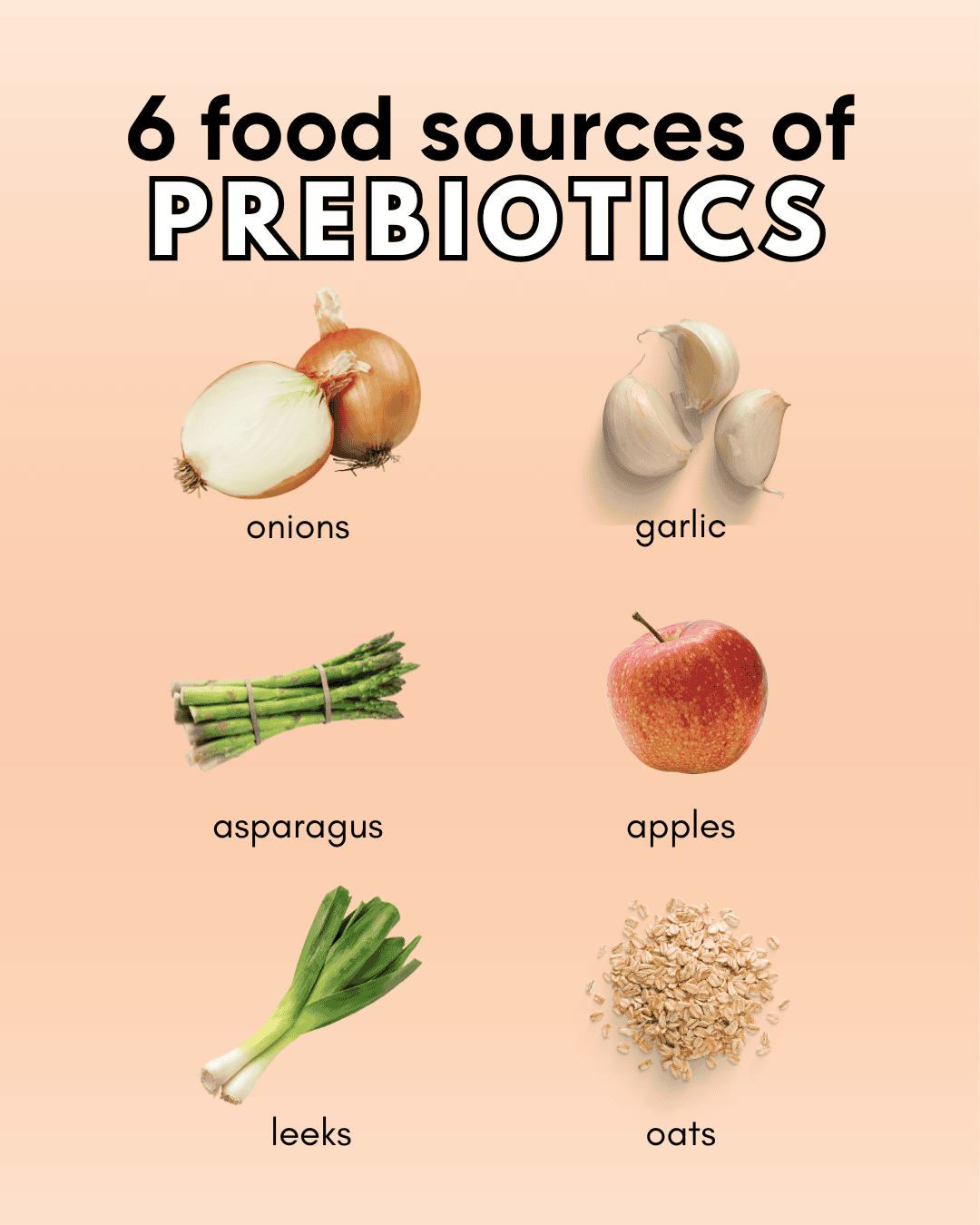
Prebiotic-rich foods(1):
- Onions*
- Garlic*
- Leeks
- Chicory root*
- Dandelion greens
- Jicama root
- Jerusalem artichokes*
- Asparagus
- Slightly green bananas
- Apples
- Avocado
- Flaxseeds
- Oats
- Barley
*top sources
When appropriate, fruits and vegetables may provide slightly more prebiotic fiber when eaten raw or lightly cooked, since prolonged cooking can break down some of these fibers. However, cooked options still offer prebiotic benefits and may be easier to tolerate during pregnancy.
The various prebiotic strains
Several types of prebiotic fibers occur naturally in everyday foods, each with slightly different structures but the same overall purpose: feeding beneficial gut bacteria. The most common and well-studied strains include inulin, fructooligosaccharides (FOS), galactooligosaccharides (GOS), and human milk oligosaccharides (HMOs) (3).
These fibers differ in how quickly they ferment in the gut, which can influence digestion, comfort, and the types of bacteria they support. Some are gentle and slow-fermenting (such as inulin), while others act more quickly (such as FOS and GOS) (3). HMOs occur naturally in breast milk (12).
Even though the names sound technical, these fibers come from familiar foods you likely already enjoy, making them easy to incorporate without needing supplements.
Where to find each strain
Each prebiotic strain shows up in different plant foods, giving you plenty of options to choose from based on taste and tolerance:
- Inulin: Found in onions, garlic, leeks, asparagus, chicory root, artichokes (3).
- FOS (fructooligosaccharides): naturally present in bananas, wheat, barley, tomatoes, and asparagus (3).
- GOS (galactooligosaccharides): found in legumes like lentils, chickpeas, and kidney beans (3).
- HMOs (human milk oligosaccharides): naturally present in breast milk; not found in whole foods but sometimes added to prenatal and postpartum products (12).
Because these fibers occur in such a wide range of foods – sweet, savory, crunchy, soft – most people can find at least a few sources that fit easily into their daily meals.
The relationship between prebiotics and probiotic foods
Prebiotic and probiotic foods support the gut in different but complementary ways. Probiotic foods (link note) introduce beneficial live bacteria, while prebiotics are types of fiber and carbohydrates that your gut bacteria ferment and use as fuel. This nourishment helps beneficial bacteria grow, produce helpful compounds, and better support the gut environment.
When eaten together, they can create a “synbiotic” effect (13). Simple pairings include yogurt with fruit, kefir with an oat muffin, or miso soup with vegetables. These combinations are easy to build into everyday meals and help support a balanced, resilient gut microbiome.
How often should I eat prebiotic-rich foods?
Ideally, daily!
Most people feel best when they include small amounts of prebiotic-rich foods each day rather than trying to get them all at once. Because these fibers ferment slowly in the gut, gentle consistency tends to support digestion without causing discomfort (1).
If you don’t eat any prebiotic-rich foods, start by including one or two prebiotic-containing foods per week. Then add another prebiotic-containing food each week until you notice signs that you’re getting enough: more regular bowel movements, less bloating, and a general sense of digestive comfort (3). Increasing slowly gives your gut time to adjust, and most people find that gradual changes feel better than trying to overhaul their fiber intake all at once.

Prebiotics and fertility-related research to note
Emerging research suggests that a balanced gut microbiome may help regulate estrogen metabolism through the estrobolome, the group of bacteria involved in estrogen recycling and signaling (14). Dysbiosis has also been associated with increased systemic inflammation, which can affect ovulation and implantation (15).
Studies show that prebiotic fibers such as inulin and galactooligosaccharides (GOS) can increase populations of Bifidobacterium and Lactobacillus, species linked to healthier vaginal microbiota balance and reduced risk of infection – factors that may indirectly support fertility (16, 17).
While prebiotics are not a fertility treatment, regularly eating prebiotic-rich foods can help create a more supportive environment for overall wellness during the months leading up to pregnancy.
Prebiotics and pregnancy-related research to note
Why certain types matter in pregnancy
Different prebiotic fibers play unique roles during pregnancy because they ferment at different speeds and support different groups of beneficial bacteria (16).
Slow-fermenting fibers like inulin help produce steady amounts of short-chain fatty acids (SCFAs), which support gut barrier integrity and balanced inflammation; two processes that naturally shift during pregnancy (18). Faster-fermenting fibers like FOC and GOS help increase microbial diversity, supporting bacteria linked to smoother digestion and healthier immune signaling (19).
These fibers also help maintain regular bowel movements, which can become more challenging as progesterone slows digestion. By nourishing beneficial bacteria, prebiotics support the production of SCFAs such as butyrate, acetate, and propionate; compounds associated with improved gut motility, reduced bloating, and more stable blood sugar responses (20). Together, these effects help create a gut environment that supports both maternal comfort and healthy immune development for the baby.

What if I don’t like prebiotic-rich foods?
If strong flavors or certain textures make some prebiotic-rich foods hard to enjoy, plenty of gentle alternatives are available. Mild options like bananas, apples, oats, and cooked onions tend to be easier for many people, especially during pregnancy when taste preferences can shift.
You can also incorporate prebiotics in ways that soften their flavor by blending fruit into smoothies, roasting vegetables until sweet and caramelized, or mixing oats into baked goods. The goal is simply to find forms you enjoy and tolerate well, not to force foods that don’t feel good.
What about prebiotic supplements?
Prebiotic supplements are generally considered safe during pregnancy, but because they provide concentrated amounts of fermentable fiber, they can cause gas, bloating, or abdominal cramping, especially if introduced too quickly.
Whole-food sources are typically the gentlest option because they provide prebiotic fibers alongside water, vitamins, minerals, and antioxidants. Foods like bananas, oats, apples, onions, and asparagus can offer prebiotic benefits with fewer digestive side effects (18, 21).
If you choose a supplement, look for well-studied fibers such as inulin, FOS, or GOS, and start with a small amount before increasing slowly (16). If you’re in your third trimester, have a high-risk pregnancy, or notice significant cramping or digestive changes, check with your healthcare provider before continuing.

Stool testing provides clarity
Stool testing can offer helpful insight into your gut microbiome, including bacterial diversity, the presence of specific strains, and how well your gut is producing short-chain fatty acids (SCFAs) (22). This information can make it easier to understand which types of prebiotic fibers may feel most supportive and which might cause discomfort.
At the same time, microbiome testing is still new and rapidly evolving. These tests can highlight patterns, but they cannot diagnose conditions or perfectly predict how your gut will respond to a specific supplement (23). View results as a general guide rather than a precise roadmap.
For some people, stool testing helps identify whether slow-fermenting fibers (like inulin) or faster-fermenting fibers (like FOS or GOS) might be better tolerated (24). For others, it simply confirms that food-based prebiotics are enough (24). Testing doesn’t replace medical care, but it can help personalize your approach so you’re not blindly guessing (23).
Should you take a supplement?
Most people can meet their prebiotic needs through food alone. A supplement may be worth considering if nausea, food aversions, or limited appetite make it difficult to get enough fiber from meals. But even then, start with a very small amount and increase slowly.
The Bottom Line
- Prebiotics are fibers that feed the beneficial bacteria already living in your gut. This helps support digestion, regularity, gut barrier health, and immune function.
- Whole foods are usually the best place to start. Bananas, oats, apples, onions, garlic, asparagus, barley, and legumes are all easy ways to add prebiotic fibers throughout the week.
- Aim for small amounts regularly rather than a large amount all at once. Gradually increasing prebiotic-rich foods gives your gut time to adjust and can help minimize gas and bloating.
- Prebiotics and probiotics work together. Probiotic foods introduce beneficial bacteria, while prebiotics provide the fuel those bacteria need to thrive. Pairings like yogurt with fruit or kefir with oats give you both.
- Prebiotics may be especially helpful during pregnancy when digestion naturally slows. Supporting beneficial gut bacteria and short-chain fatty acid production may help with regularity, gut health, and healthy immune signaling.
- You usually don’t need a prebiotic supplement to get the benefits. If food intake is limited or you choose to use one, look for well-studied fibers such as inulin, FOS, or GOS and increase slowly to reduce digestive discomfort.
- There isn’t one perfect prebiotic food or fiber. Different fibers feed different bacteria, so including a variety of plant foods is one of the simplest ways to support a diverse gut microbiome.
Written by: Shannon Hester, RN, Dietetic Intern
Reviewed/edited by: Ryann Kipping, MPH, RDN, LDN