
What is sage?
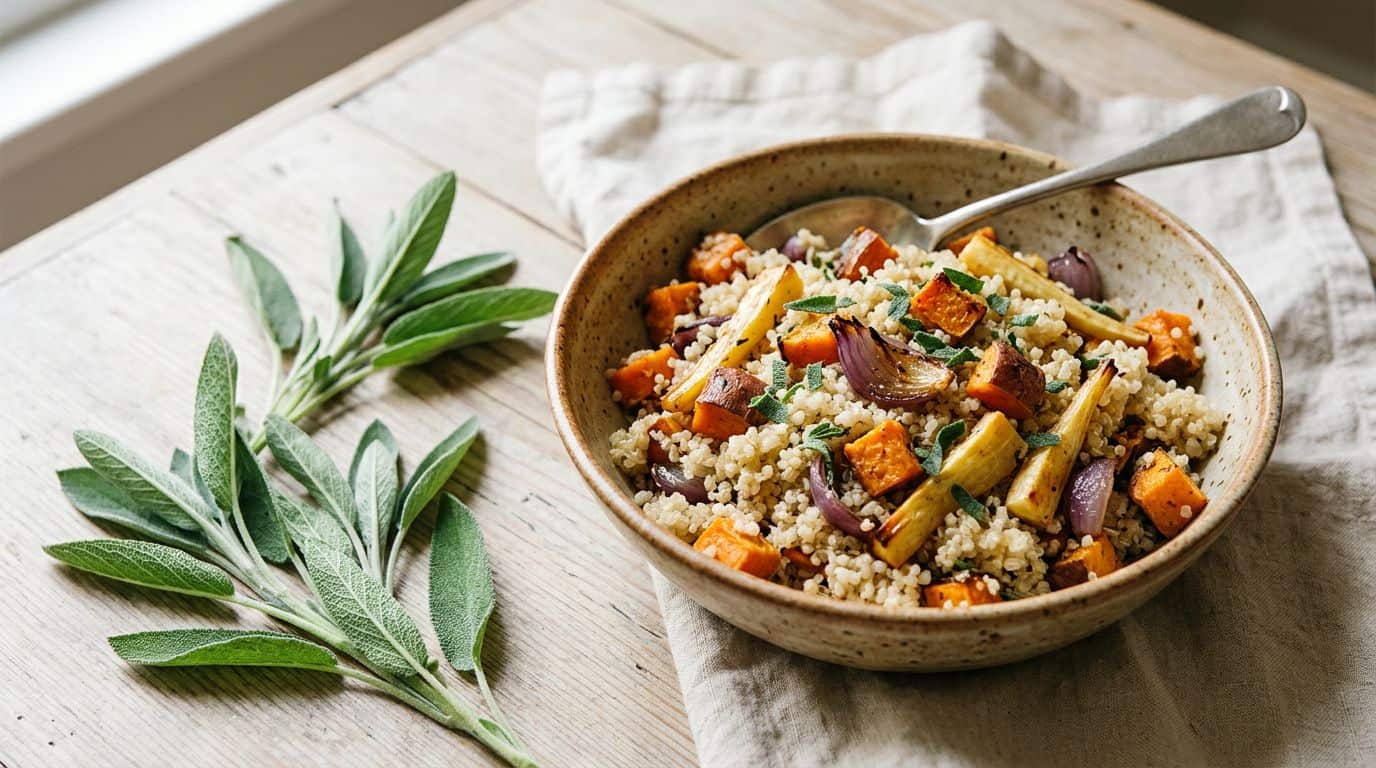
Sage is an herb in the mint family with a strong, savory flavor. It’s most often used in cooking (think: roasted chicken, stuffing, and soups), but it’s also been studied for potential health benefits, including antioxidant activity, memory support, and effects on hormones.
What are the potential benefits of sage?
Sage has been studied most often in adults who are not pregnant, and several areas of interest have come up.
Provides vitamin K
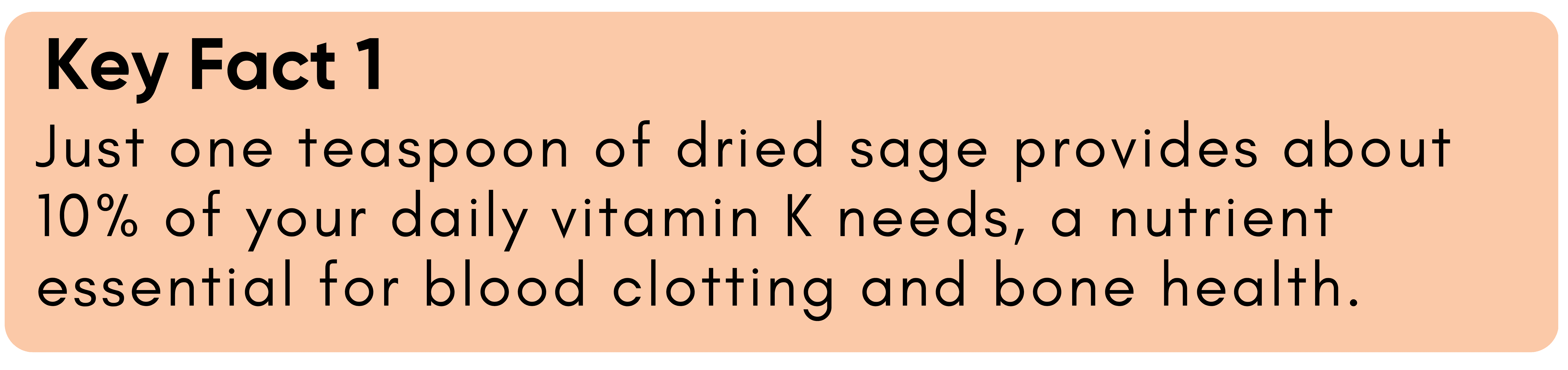
Even a small amount of dried sage packs a punch of vitamin K, providing about 10% of the daily requirement in just one teaspoon (1). Vitamin K is essential for blood clotting and bone health. Of course, sage shouldn’t be consumed in large quantities so that it won’t replace other key vitamin K sources like leafy greens, but it’s a nice bonus.
High in antioxidants
Sage contains over 160 polyphenols, compounds that act as antioxidants in the body (3). Antioxidants protect cells from oxidative stress, which is linked to chronic conditions like heart disease and diabetes.
Cognitive support
Some small studies in non-pregnant adults found that sage extract may improve memory, alertness, and attention. Researchers think this is partly because sage slows the breakdown of acetylcholine, a brain chemical that supports memory and learning (6). Its antioxidant content may also help protect brain cells from damage.
May positively impact cholesterol profile
Early clinical research suggests sage tea may lower LDL and total cholesterol while sometimes raising HDL cholesterol (8). These findings are intriguing, but larger, high-quality trials are needed to confirm them.
It’s important to note that although these benefits are exciting and continue to be explored in the literature, none have been directly studied in pregnant women. The findings on cognitive health and cholesterol are preliminary and not confirmed in large-scale studies. Because concentrated sage products also carry potential risks, it’s still recommended to stick with only culinary amounts during pregnancy.
Nutrient breakdown
1 tsp ground sage (1):
- Calories: 2.2 kcal
- Protein: 0.07 g
- Total Carbohydrate: 0.4 g
- Total Fat:0.09 g
- Calcium: 12 mg
- Vitamin A 41.3 IU
- Vitamin E: 0.05 mg
- Folate: 1.92 mcg
- Vitamin K: 12 mcg
Is sage safe to use while trying to conceive?
Sage contains phytoestrogens, plant-based compounds that can interact with estrogen receptors in the body. They don’t act as strongly as human estrogen, but they can have mild hormone-like effects (3, 6). This can play out differently depending on your hormone levels and health status.
On the supportive side, phytoestrogens can help balance hormones. In women with lower estrogen or with conditions like PCOS, they may support ovulation and follicle development. One small animal study found that sage extract improved follicle maturity (11).
At the same time, phytoestrogens can occasionally act more like a blocker than a helper. In lab studies using very high doses of sage extract, far above what you’d get from food, sage harmed ovarian cells and interfered with egg maturation (12).
The bottom line is that culinary sage, used in normal cooking amounts, is safe if you are trying to conceive, but concentrated forms of sage, like teas, supplements, or essential oils, haven’t been studied enough in humans.
Nearly all findings come from animal or lab studies. There is almost no research on fertility outcomes in humans. Until more is known, it’s best to avoid medicinal doses of sage while trying to conceive unless guided by your healthcare provider.
Is sage safe to use during pregnancy?
Sage can be a flavorful addition to meals, but not all forms are considered safe during pregnancy. The key difference is how sage is used: culinary vs. medicinal.
Culinary use
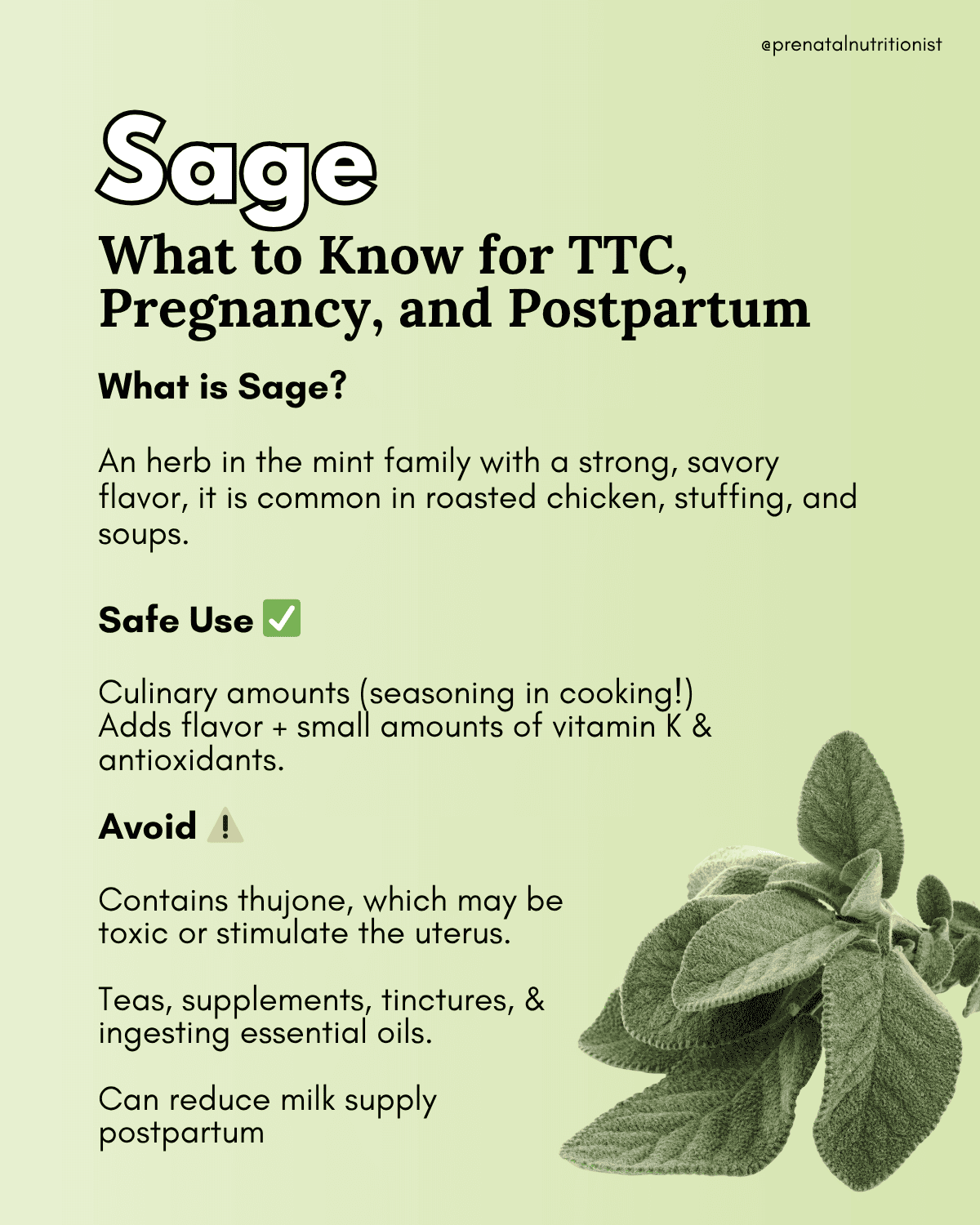
Sage used in cooking, such as sprinkled into dishes or simmered in soups, is considered safe. The amount of thujone, a natural compound in sage, is tiny in these cases and won’t expose you to risky levels. It’s simply a savory way to season food and even provides small amounts of vitamin K and antioxidants.
Medicinal use
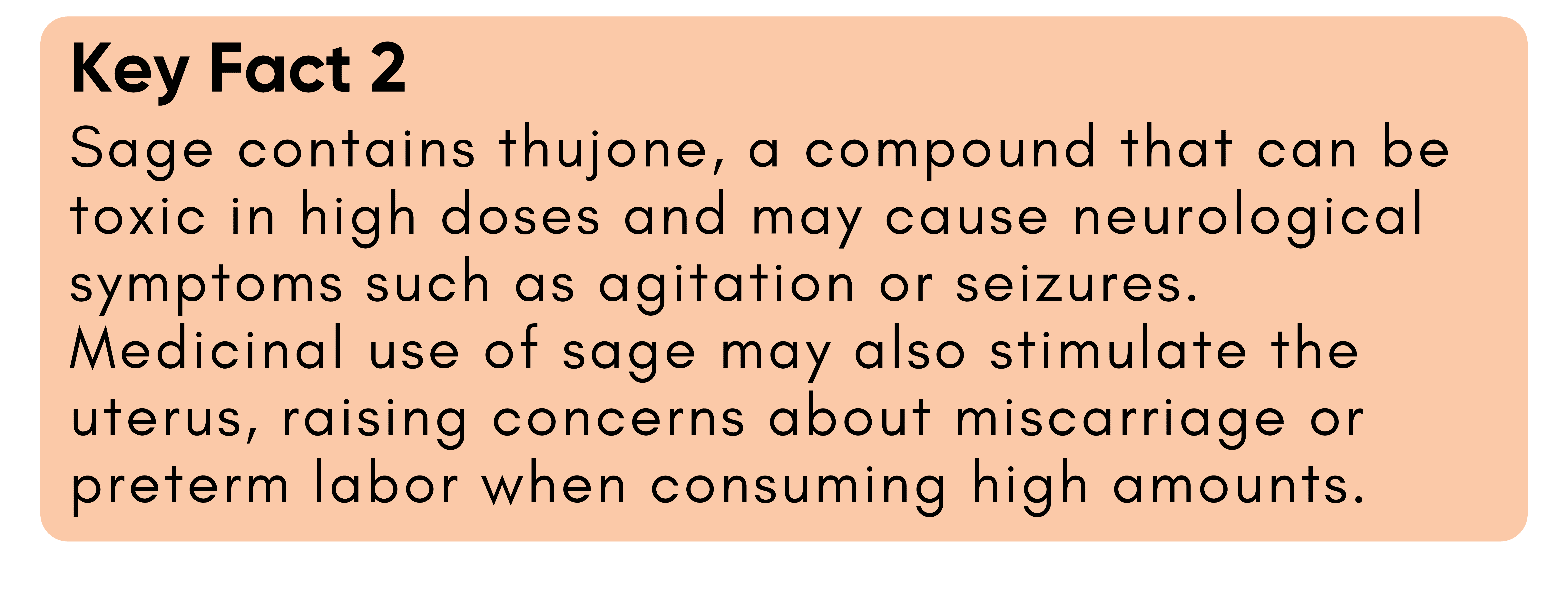
Concentrated forms of sage, such as strong teas, capsules, tinctures, or supplements, are not recommended during pregnancy (2, 3). These deliver much higher doses of active compounds, especially thujone, which can be toxic in large amounts (2, 3, 4).
Excessive thujone intake has been linked to neurological symptoms like agitation or seizures and is also thought to stimulate the uterus, raising concerns about miscarriage, preterm labor, or contractions (2, 3, 5, 7). Some varieties of sage may also influence blood pressure, though evidence in pregnancy is limited (8, 14).

Essential oils
Sage essential oils should not be consumed orally during pregnancy, whether common sage oil (S. officinalis, high in thujone) or clary sage oil (S. sclarea). While some small studies suggest potential benefits from aromatherapy at full term of your pregnancy (such as relaxation or pain relief), essential oils are highly concentrated and carry risks if ingested (2, 3, 7).
Aromatherapy use should only be considered late in pregnancy and under a provider’s guidance (5, 10).
Is sage beneficial for postpartum?
After delivery, some women turn to sage for its traditional healing properties. Sage has historically been added to sitz baths or herbal rinses to support perineal healing. Traditional thinking suggests it may help reduce inflammation and promote comfort while the body recovers (15).
Sage is also rich in antioxidants, which may support overall well-being in the postpartum period.
Some women use clary sage essential oil in aromatherapy to promote relaxation or reduce stress, though this should always be done with caution and never applied undiluted to the skin.
While these traditional uses may be comforting, it’s important to note that scientific evidence of these benefits for postpartum is limited.
Does sage decrease milk supply?
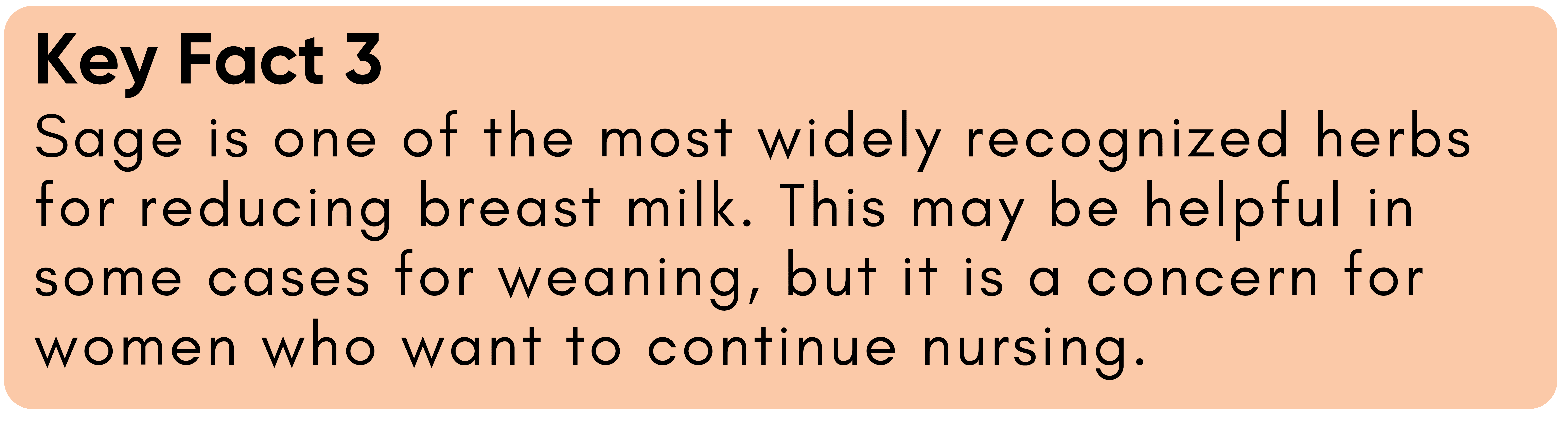
One of the most well-recognized uses of sage is to reduce breast milk production. Those who are weaning or experiencing oversupply have historically used sage tea to slow milk production, relieve engorgement, and make transitioning from breastfeeding more comfortable (16, 17, 18, 19).
Unfortunately, despite its everyday use for this purpose, research on effectiveness and safety is limited (16, 17, 18, 19).
On the flip side, if you are actively breastfeeding and want to maintain or increase your supply, medicinal forms of sage should be avoided. Even a few cups of strong sage tea may cause a noticeable decrease in milk production for some women. Culinary sage used in food amounts is not likely to cause issues, since the amounts are much smaller.
How to Use Sage in Your Diet Safely
Sage has a deep, earthy, slightly peppery flavor that is best in savory dishes. It pairs well with fall produce like squash, pumpkin, potatoes, and onions. Since it is popular in fall and winter dishes, it is often used in holiday cooking.
- Add a pinch of dried sage with olive oil to roasted vegetables.
- Add a sage leaf to soups or stews for flavor, then remove before serving.
- Rub a small amount of chopped fresh sage onto chicken or turkey before baking or mix it into marinades for extra flavor.
- Use it in your stuffing or dressing during Thanksgiving.
The Bottom Line
- Sage used in cooking is safe when trying to conceive, during pregnancy, and postpartum.
- Concentrated sage (teas, essential oils, tinctures, supplements) should be avoided during pregnancy because of potential risks from compounds like thujone.
- Sage’s phytoestrogens may support hormone balance and follicle development in some cases, but very high doses in lab studies interfered with ovarian cells and acted more like a contraceptive.
- Sage provides antioxidants and vitamin K, but these benefits are best obtained from a balanced diet with other pregnancy-safe whole food choices, such as blueberries, avocados, and leafy greens.
- Postpartum, sage may help reduce milk supply for women who are weaning, but should be avoided by those wanting to maintain breastfeeding.
Written by: Ryann Kipping, MPH, RDN, LDN, Jorden Edinger, MS, RD, and Olivia Riggs, Dietetic Intern