Posted on

Electrolytes

What are electrolytes?

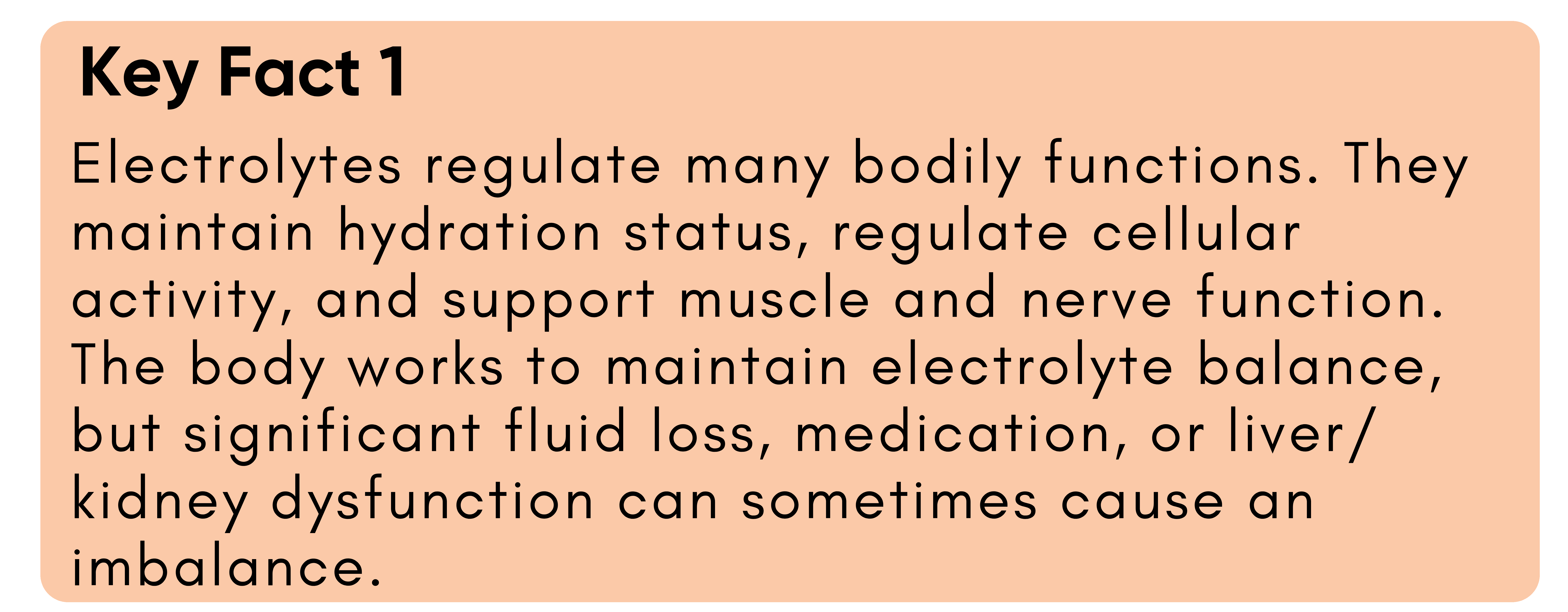
Electrolytes are minerals with an electric charge that are essential to many functions in our body (1, 2). 

Mostly, we hear about electrolytes and hydration, but they have many more jobs as well (1, 2), like:

  1. Balancing water in your body
  2. Balancing the pH in your body (acidity/alkalinity)
  3. Move nutrients into your cells, and waste out of them
  4. Regulate muscle contraction (like your biceps and your heart)
  5. Control nervous system function

3 major electrolytes are often discussed more than others. Can you guess them?

  1. Sodium
  2. Potassium 
  3. Magnesium

There are others we don’t think about as much, but they are just as essential to our everyday functions:

  1. Calcium
  2. Chloride
  3. Phosphate

Why are electrolytes essential?

As mentioned above, we need them to survive. If the electrolyte levels in your body become too low or too high, this can wreak havoc on your nervous and muscular systems, your overall hydration status, blood pressure, and pH regulation (3). 

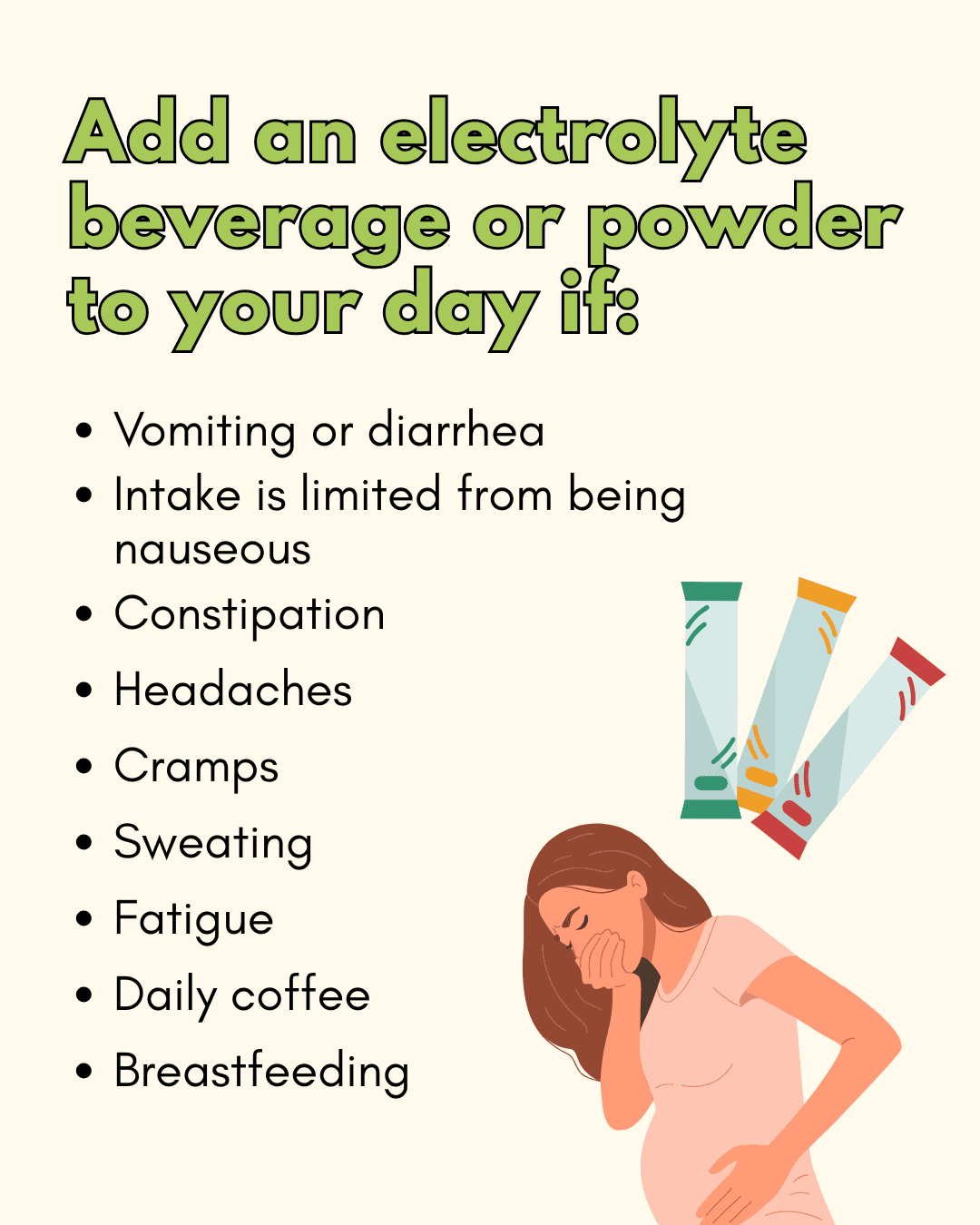
If the amount of water in your body changes, your electrolytes will be considered “high” or “low.” Anytime you lose water, you lose electrolytes. This can occur through sweating, urine, diarrhea, vomiting, certain medications, and kidney or liver dysfunction (1, 2, 3). 

That is why it is essential to keep hydrated and replace any water you lose throughout the day.

Some symptoms of electrolyte imbalance include (3):

  1. Muscle cramps, spasms, or weakness
  2. Irregular heartbeat
  3. Extreme thirst
  4. Fatigue
  5. Confusion
  6. Blood pressure change
  7. Swelling
  8. Seizure 

Electrolytes & Fertility

Electrolyte balance should be monitored while trying to conceive (TTC). Sodium is associated with estrogen synthesis, and sodium, potassium, and calcium are involved in relaxing and contracting the uterus, all of which are critical aspects of reproduction (4). 

Calcium and sodium are also involved in producing lipid hormones that develop follicles and regulate hormone secretion required for ovulation (4). 

Lower sodium intake (<1500 mg daily) has been associated with lower progesterone levels, a hormone critical to the ovulatory process (5). Electrolyte disorders, including an insufficient calcium profile, have been shown to impact fertilization and embryonic development (4). 

In most cases, your body can regulate electrolyte balance to perform the functions needed for conception. Still, it is helpful to remember their importance when TTC and make sure you are getting enough! 

Electrolytes & Pregnancy

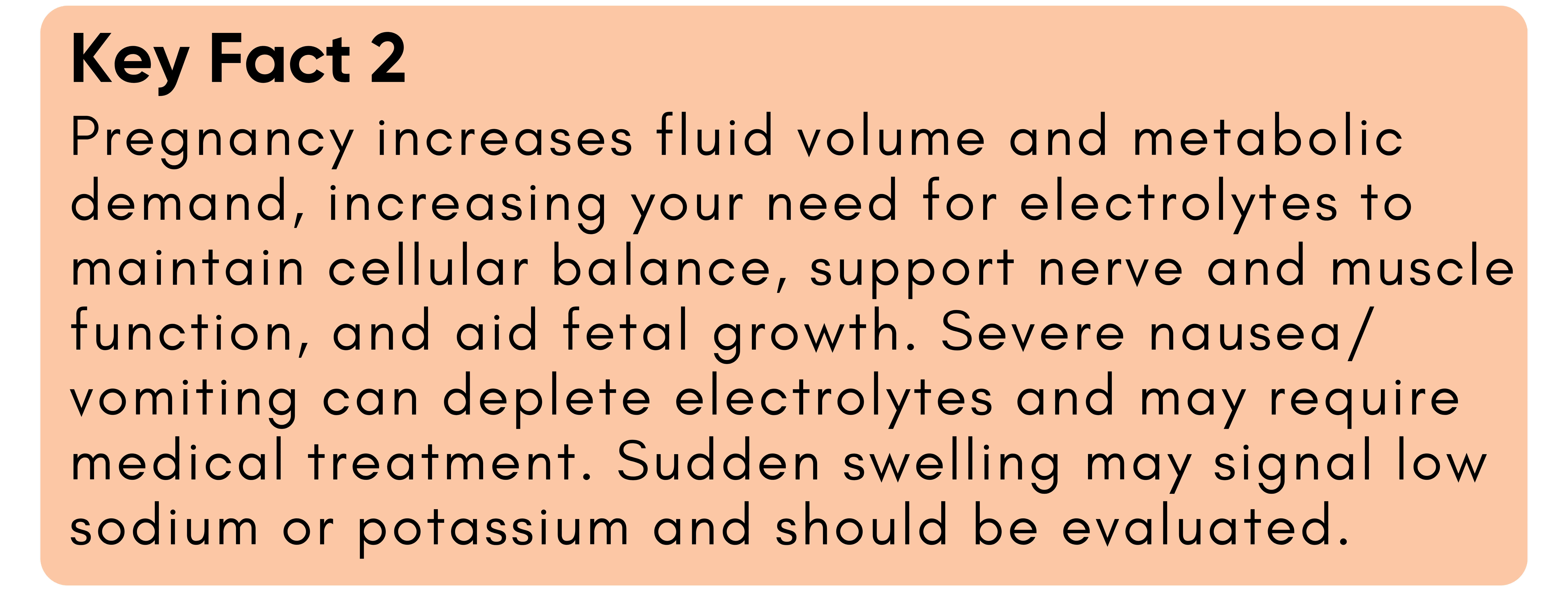
Pregnancy increases the demand on every system in your body, and with that comes greater fluid and electrolyte needs (6). 

Electrolytes work hand in hand with fluids but play distinct roles. Fluids provide volume and transport, while electrolytes allow that fluid to move in and out of cells, maintain electrical signaling, regulate pH, and support normal muscle and nerve function. Drinking more water without adequate electrolytes won’t keep your body properly balanced (7). 

Electrolyte needs rise during pregnancy to match increased fluid volume and the greater metabolic demands of both you and your baby. Getting enough nutrients from foods like fruits, vegetables, dairy, nuts, and mineral salts helps support healthy blood pressure, digestion, and fetal development.
What to Watch Out for in Pregnancy

Certain pregnancy conditions can lead to electrolyte imbalances, and it is vital to recognize the typical symptoms so they can be addressed appropriately. We will discuss some of the more prevalent imbalances so that you know what to do if you encounter them.

Hyperemesis gravidarum

People experiencing hyperemesis gravidarum (HG) — a severe form of nausea and vomiting that can cause dehydration, electrolyte imbalances, and weight loss (8) — often require more than dietary adjustments alone. Hospital-based care is usually necessary to manage symptoms and restore hydration through IV fluids and electrolyte replacement.

Alongside medical treatment, ongoing electrolyte and nutrient replenishment is key to recovery. If you have HG, talk with your healthcare provider about medication options (9). 

Use one of the electrolyte replacement options listed in this guide daily. 

Swelling

While swelling can be normal and due to various causes during pregnancy, it can also be another sign of electrolyte imbalances, such as insufficient sodium relative to total body water (hyponatremia) and/or inadequate potassium (10, 11).

If you experience rapid-onset swelling, it is always worthwhile to contact your medical provider to discuss possible causes and rule out more serious complications. 
Electrolytes for Postpartum & Lactation

Delivering your baby and entering postpartum is a huge milestone—you have just run a marathon (both birth itself and the nine months leading up to birth). 

Pregnancy can leave your body significantly depleted, and consuming additional electrolytes is one way to begin nourishing and restoring yourself postpartum. Mineral replenishment and adequate fluid intake are essential to supporting tissue repair after birth (12).

Electrolytes are also critical for baby if you are breastfeeding, as electrolyte concentrations in breastmilk directly affect your baby’s intake (13). Breastfeeding mothers are at risk of dehydration due to substantial water loss from lactation (approximately 700 mL daily at 8 weeks postpartum) (14). 

Aim for about 16 cups of fluid daily, including at least one electrolyte-containing drink, and support your mineral needs by salting your food well and choosing calcium-, magnesium-, and potassium-rich foods.

How many electrolytes do I need at each stage?

Your electrolyte needs shift slightly throughout the perinatal journey because your fluid balance, blood volume, and hormone activity change. Let’s break it down.

While trying to conceive: 

While trying to conceive, electrolyte needs should reflect the ranges recommended for healthy adult females. During this period, a key thing to remember is to avoid going low on sodium, as explained above, because this can affect progesterone levels.

  • Sodium: Varies per individual; Up to 2300 mg/day (avoid going below 1500 mg – there is insufficient evidence to support low sodium recommendations, even for those with high blood pressure (15, 16))
  • Potassium: 2300–2600 mg/day (17)
  • Magnesium: 310–320 mg/day (18)
  • Calcium: 1000 mg/day (19)

During Pregnancy:

As explained above, electrolyte needs increase slightly to maintain hydration during pregnancy.

  • Sodium: Varies; we do not recommend tracking during pregnancy, as both you and baby need sufficient salt. Salt food to taste, and listen to your body’s cravings for salty foods!
  • Potassium: 2600–4000 mg/day (17)
  • Magnesium: 350–400 mg/day (18)
  • Calcium: 1000 mg/day, more if underconsumed in adolescents (19)

Postpartum/ Lactation: 

Breastfeeding places significant demands on your body, and your electrolyte needs are heightened to support you and your little one. Even if you are not breastfeeding, it is a good idea to consume ample electrolytes in the early postpartum period, as your body is in repair mode post-birth.

  • Sodium: Again, this varies, and limiting sodium is not necessary. Salt food to taste, and eat salty foods if you are craving them.
  • Potassium: 2500–2800 mg/day (17)
  • Magnesium: 310–320 mg/day (18)
  • Calcium: 1000 mg/day (19)

Where can I get electrolytes from?

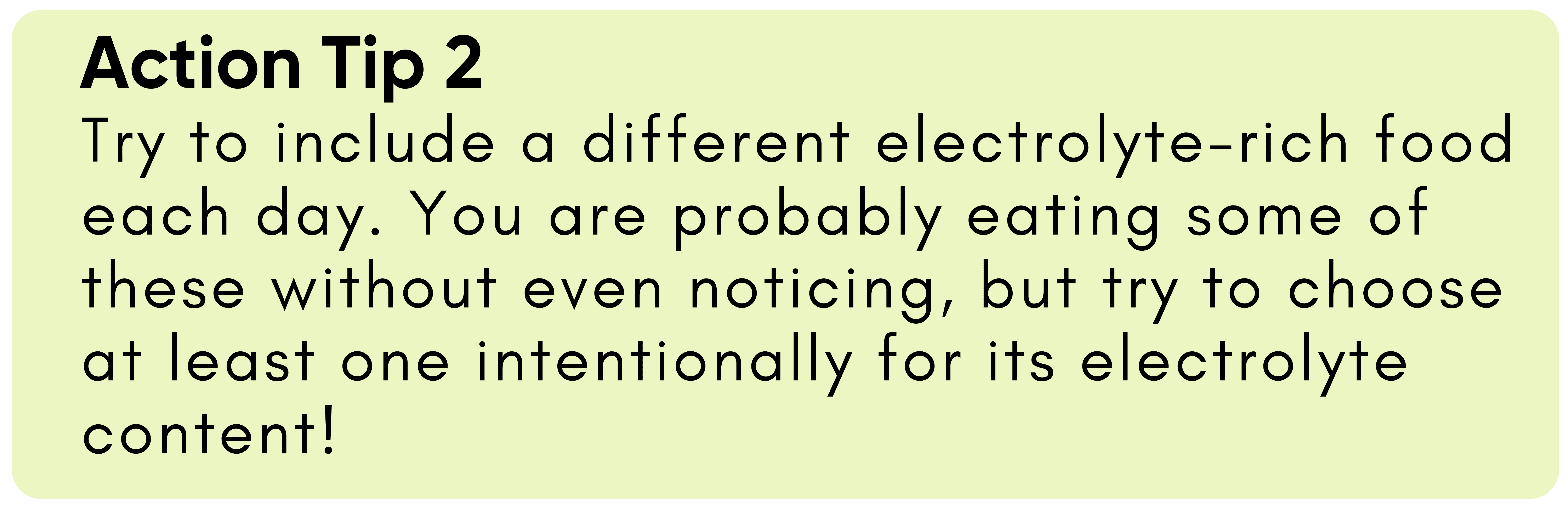
Now that you’ve learned how essential electrolytes are at each stage, here is the good news: electrolytes are found in almost everything we eat and drink. 

If you eat a varied diet with lots of colorful fruits, veggies, protein, and dairy sources, you get lots of electrolytes daily. Read to learn which foods and beverages are richest in key electrolytes.

Food

Yes, food has electrolytes! And, this is a great way to get them if you aren’t sweating a lot, vomiting, or having diarrhea.  

Spinach, kale, avocado, broccoli, soybeans, tofu, almonds, strawberries, watermelon, oranges, bananas, tomatoes, milk, turkey, raisins, olives, canned soup, and many more all have multiple electrolytes.

If you want to get specific, the foods below are rich in the following electrolytes:

  • Magnesium-rich foods: pumpkin seeds, chia seeds, almonds, spinach, cashews, dark chocolate
  • Potassium-rich foods: dried apricots, lentils, prunes, acorn squash, potatoes, kidney beans, bananas, avocados, root veggies, spinach
  • Calcium-rich foods: yogurt, kale, broccoli, canned sardines, salmon with bones, tofu, chia seeds, almonds

Drinks

Many fluids also contain electrolytes. Dairy milk, plant-based milks, fruit juice, coconut water, bone broth, and many smoothies are examples of beverages that naturally contain electrolytes. 

Let’s break down which beverages are rich in key electrolytes:

  • Magnesium-rich beverages: coconut water, watermelon juice, orange juice, celery juice
  • Potassium-rich beverages: milk, coconut water, bone broth, watermelon juice, orange juice, lemon juice, celery juice, beet juice
  • Calcium-rich beverages: milk, kefir, bone broth, soymilk, fortified almond milk, fortified orange juice, celery juice

Electrolyte Powders & Premade Drinks

Premade electrolyte beverages and powders contain many of the same ingredients, just in different amounts. It is essential to read the label to know exactly what you are getting. 

Each brand varies in the amount of sugar, the type of sweetener, the amount of electrolytes, and the sources. 
See Table 1 for ready-to-drink beverages and Table 2 for powdered options that you need to mix with water.

Table 1: Electrolyte Beverages (ready-to-drink):
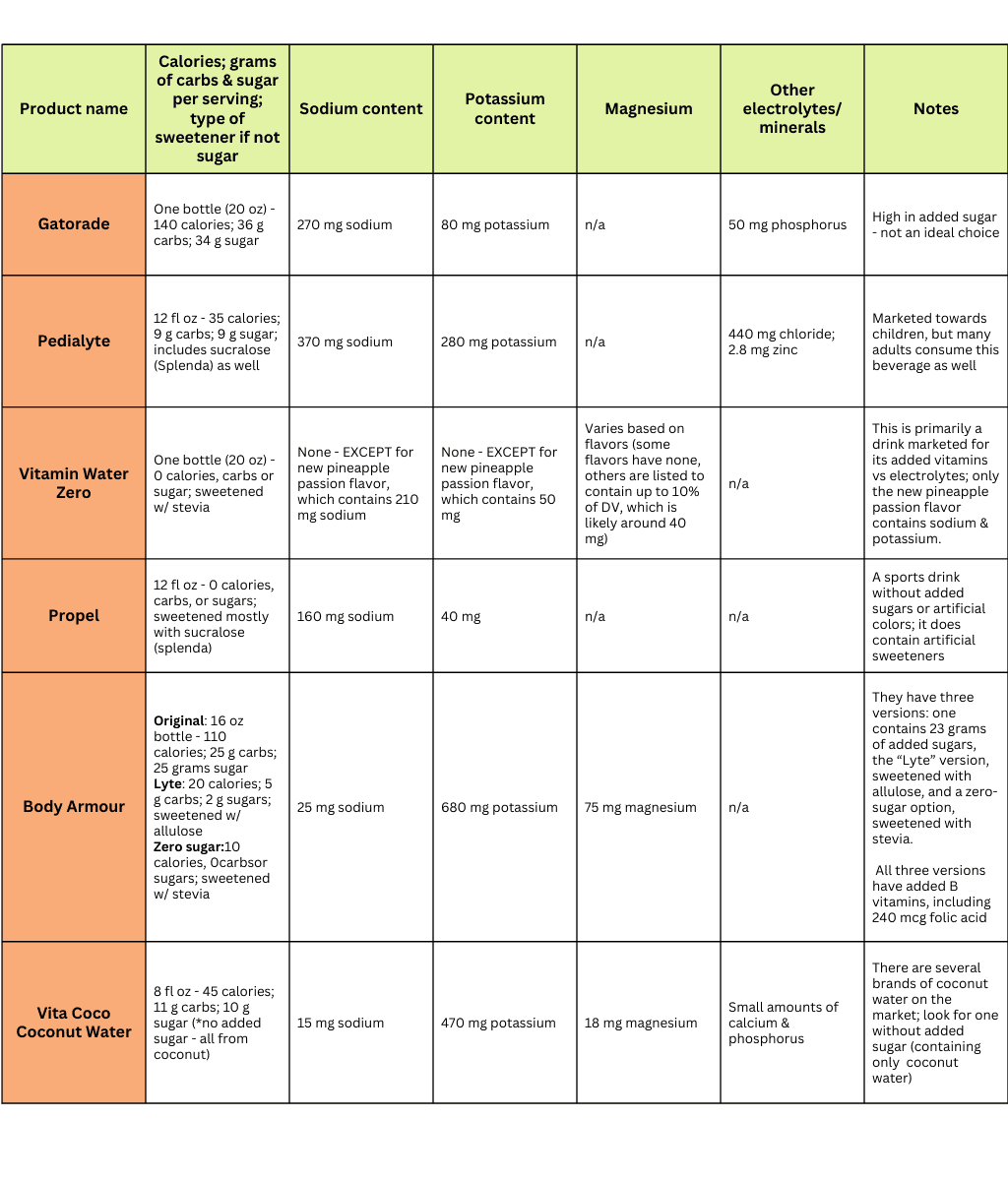
Table 2: Electrolyte powders (must be mixed with water):
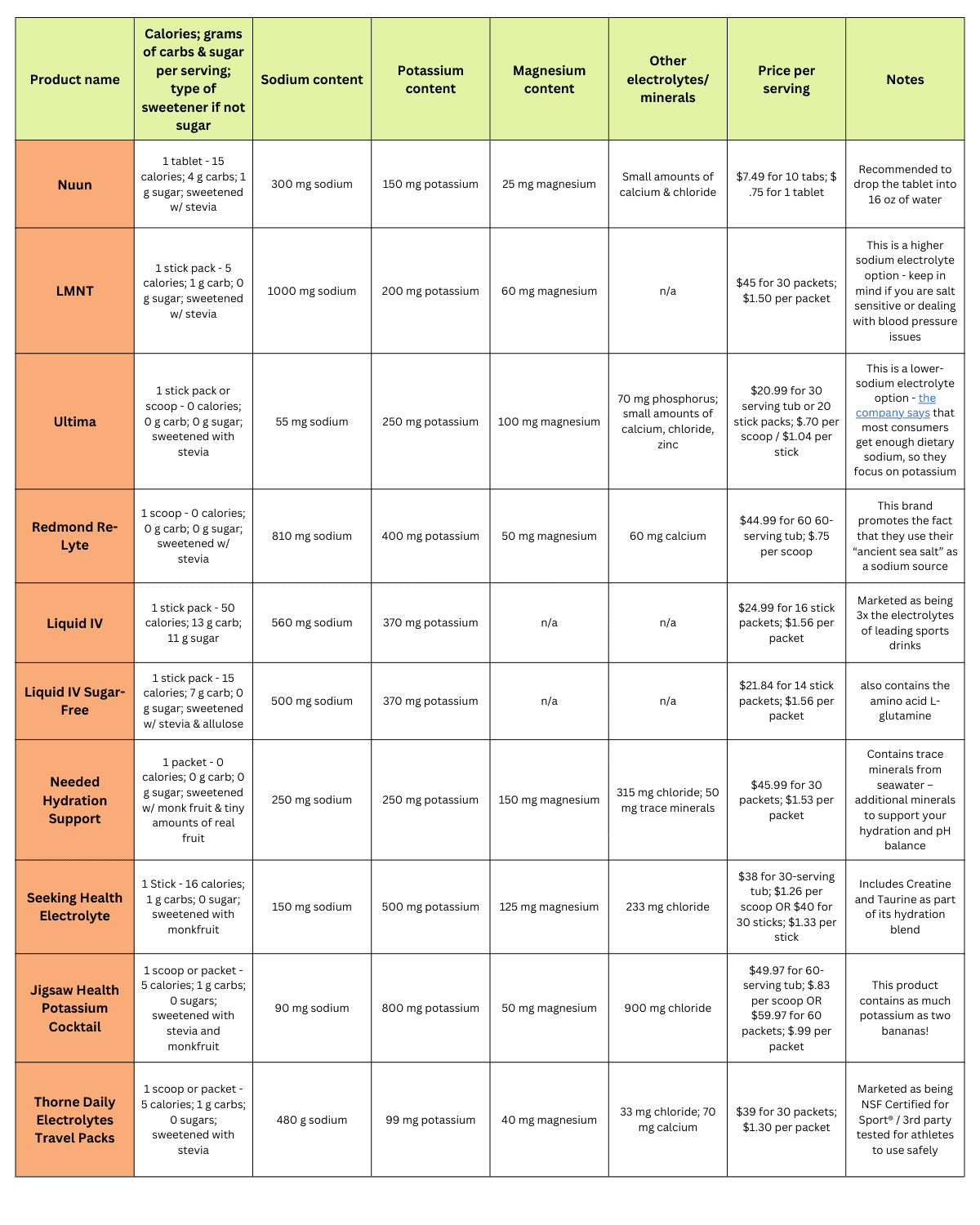
Top Electrolyte Powder Picks:

How to make your own electrolyte beverage 

It is also easy to make your own electrolyte-rich drink mix. 

The basic formula is to combine a sodium source (like a pinch of sea salt) with a potassium and magnesium source from above, such as orange juice and/or coconut water. There are endless combinations to try, and you can get creative with the different minerals! 

Check out our mineral mocktail guide for examples, including a fantastic lemonade and our favorite Mango Creamsicle mocktail.

To get you started, here is a super simple DIY recipe:

Electrolyte Balance Recipe 

Ingredients:

  •   1 lemon, juiced
  •   ½ cup apple juice or orange juice, 100% fruit juice
  •   ¼ tsp sea salt
  •   1-liter coconut water, unsweetened

Directions: 

  1. Wash the lemon. Juice the lemon in a separate bowl, then pour it directly into the decanter.
  2. Add the lemon juice, fruit juice, stevia, and sea salt to a medium-sized decanter.
  3. Lastly, add the coconut water and stir to combine.  
Go to beverage recipes.

Side effects and cautions

It’s hard to overdo electrolytes from food alone. Excess intake is more likely from multiple electrolyte drinks or powders—limit to no more than two per day unless your healthcare team advises otherwise.

Here are a few complications of electrolyte imbalance, for awareness:

Hypernatremia (high sodium)

Occurs when water loss exceeds sodium loss or when sodium intake is too high (8). Taking electrolyte powders without adequate water can contribute. Other causes require medical evaluation.

Hyperkalemia (high potassium)

Extremely rare from food; no upper limit exists for dietary potassium in healthy adults (17). People with impaired kidney function or on medications like ACE inhibitors should avoid large supplemental doses (17).

Hypermagnesemia (high magnesium)

Typically linked to very high intakes from magnesium-containing laxatives or antacids (18). While rare from a regular diet or supplements, a supplemental UL (tolerable upper limit) of 350 mg/day exists (18). This limit applies only to supplements. Consuming abundant magnesium from food sources is perfectly safe—you will not overdo it!

Calcium and phosphate excess are also uncommon and are usually associated with medications or underlying conditions (19, 20). 

Mineral Ratios & Functional Testing

Electrolytes are a specific subset of minerals that carry an electric charge when dissolved in water. This charge allows them to conduct nerve impulses and regulate fluid balance. In other words, all electrolytes are minerals, but not all minerals are electrolytes. 

Because electrolytes and minerals work together, their ratios matter as much as their individual amounts. Each mineral influences how the others are absorbed, stored, and utilized, and when one is out of balance, it can ripple through the entire system.

Example ratios:

  • Sodium: PotassiumThe Vitality Ratio tells us a lot about our stress response. It represents not only how our adrenals are functioning but also how our kidneys are functioning!
  • Calcium: Magnesium—The Blood Sugar Ratio. Imbalances in this ratio can lead to high and low blood sugar!
  • Calcium: Phosphorus—The Nervous System Ratio. This ratio tells us our “metabolic type,” such as slow or fast. 

During pregnancy and postpartum, these ratios naturally shift in response to blood volume expansion, hormonal changes, and recovery demands. Tracking how you feel, energy, hydration, muscle function, and stress resilience can give early hints of imbalance, but functional testing offers clearer answers.

Functional Testing: HTMA

For a deeper look at your mineral and electrolyte status, the Hair Tissue Mineral Analysis (HTMA) provides a non-invasive way (cutting a small piece of your hair) to assess long-term mineral patterns. It can reveal chronic deficiencies, exposure to toxic elements, and the balance among key minerals such as sodium, potassium, calcium, and magnesium.

HTMA results can complement bloodwork and help personalize your electrolyte and mineral support across all perinatal stages. 

Learn more about it here! Book your HTMA bundle with our team of dietitians under “nutrition services.”

The Bottom Line

  1. Electrolytes are charged minerals that keep your body functioning. They regulate hydration, pH, nerve and muscle activity, and nutrient transport. During the perinatal journey, your electrolyte needs shift as blood volume, hormone levels, and fluid balance change.
  2. Maintaining adequate sodium, potassium, calcium, and magnesium supports hormone production, ovulation, and uterine function while trying to conceive.
  3. During pregnancy, electrolyte and fluid requirements increase to support blood volume expansion, digestion, and fetal growth. Sodium, in particular, plays a vital role in blood pressure regulation and hydration. Salt restriction is outdated and unnecessary for most healthy pregnancies.
  4. In the postpartum and lactation phases, electrolytes help replenish losses from birth and breastmilk production, aiding recovery and sustaining milk supply.
  5. Electrolytes are found in many foods and beverages, such as dairy products, fruits, vegetables, coconut water, and bone broth. Regularly include a variety of electrolyte-rich foods in your diet. 
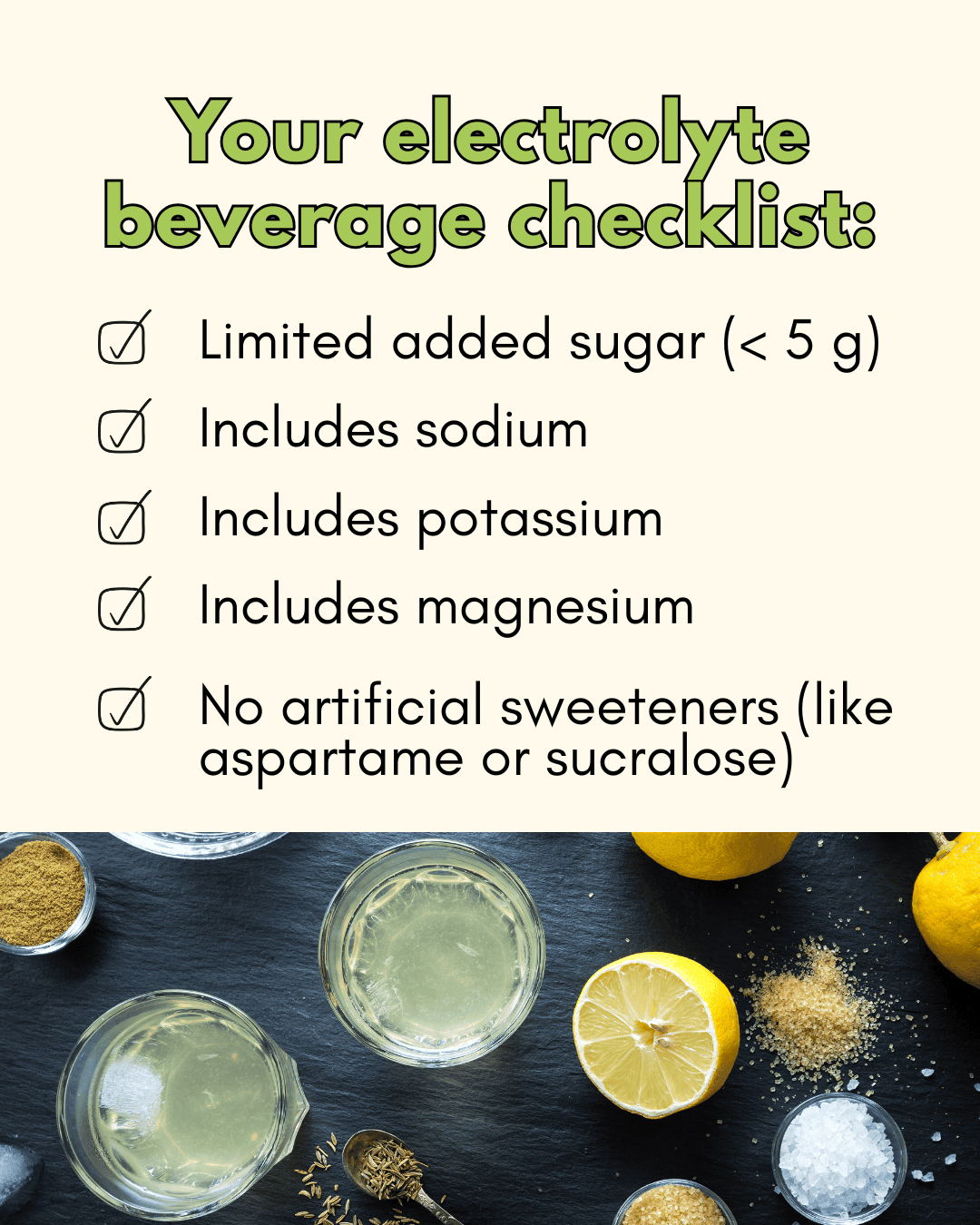
  6. If you use an electrolyte supplement or beverage, choose one with limited added sugar, no artificial sweeteners, and sodium, potassium, and magnesium included. If you have the time, try making your own electrolyte beverage! You will likely save money and can customize the ingredients. 
  7. Remember, electrolytes are minerals, and their ratios matter. Staying attuned to your symptoms and considering  HTMA testing can provide deeper insight into your mineral balance.

Written by: Blair Strickland, Dietetic Intern, and Ryann Kipping, MPH, RDN, LDN
Posted on

Optimizing Fertility after Birth Control

Hormonal birth control is commonly used to prevent pregnancy and to manage symptoms like acne, heavy bleeding, and painful cycles. While it can be helpful in the short term, it often masks underlying issues rather than resolving them, and those root causes may resurface once you stop taking it.

If you’re preparing to TTC, planning to stop birth control soon, or just want to understand how it affects your body, this guide will help you navigate the transition. We’ll cover how the pill works, how it may influence hormones, nutrient status, and other systems, and what you can do to support fertility after stopping.

What is birth control?

Birth control refers to a wide range of medications, devices, or procedures used to prevent pregnancy. They may also be used for other reasons, such as painful menstrual symptoms.

Oral birth control, aka “the pill,” is a common form used to prevent pregnancy or treat symptoms, and is commonly prescribed by health care providers.

Most oral contraceptives are made with combinations of synthetic (man-made) estrogen and progestin, a synthetic form of the hormone progesterone. These hormones enter the brain and act as endocrine disruptors, interfering with the signaling pathways necessary for ovulation.

In particular, they prevent the hypothalamus from signaling to the pituitary gland (which regulates your hormones) to secrete the hormones that cause an egg to be released. Without ovulation, pregnancy cannot occur. In the unlikely event that ovulation occurs and an egg is fertilized, the synthetic progestin thins the uterine lining, increasing the likelihood that the egg will be shed.

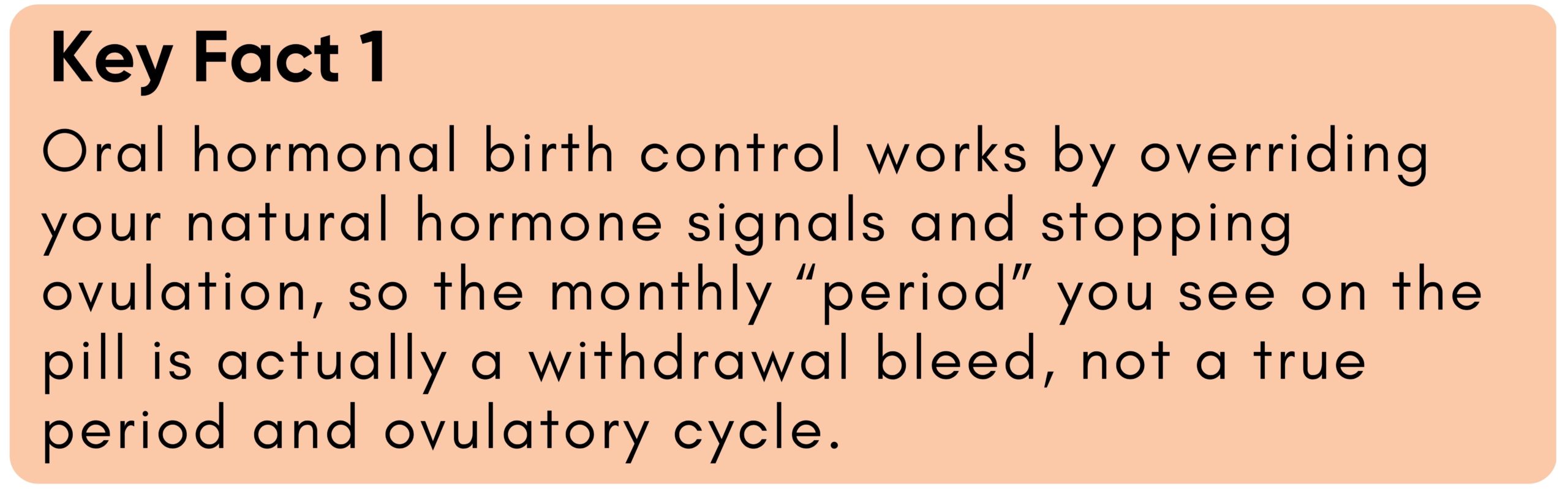
Many birth control pills include a week of placebo pills that induce monthly breakthrough or withdrawal bleeding, but this is not a true period (3)! This looks like a period, but it is not a true menstrual period because it doesn’t follow ovulation. It’s a bleed caused by the sudden drop in synthetic hormones.

For this note, the primary form of birth control we will be focusing on will be oral hormonal birth control, its associated side effects, and what you can do to replenish your body’s nutrient stores if you have been on it for any period of time!

Why can birth control be problematic?

There are valid reasons to use birth control, whether for contraception, acne, or painful periods. This guide isn’t a recommendation for or against birth control; it’s intended to provide context on physiological effects and how to support your body during transitions.

Many people start birth control to manage symptoms, believing it fixes the root cause. In reality, it often suppresses symptoms without resolving the imbalance, which is why issues like heavy bleeding, acne, or irregular cycles may return (or appear in new ways) after stopping. The pill doesn’t create new problems—it can simply mask what’s already happening.

It’s also important to remember: symptoms like debilitating periods, acne, or extremely heavy bleeding may be common, but they’re not normal. These symptoms have root causes that deserve to be addressed beyond a temporary hormonal override.

Where to start:

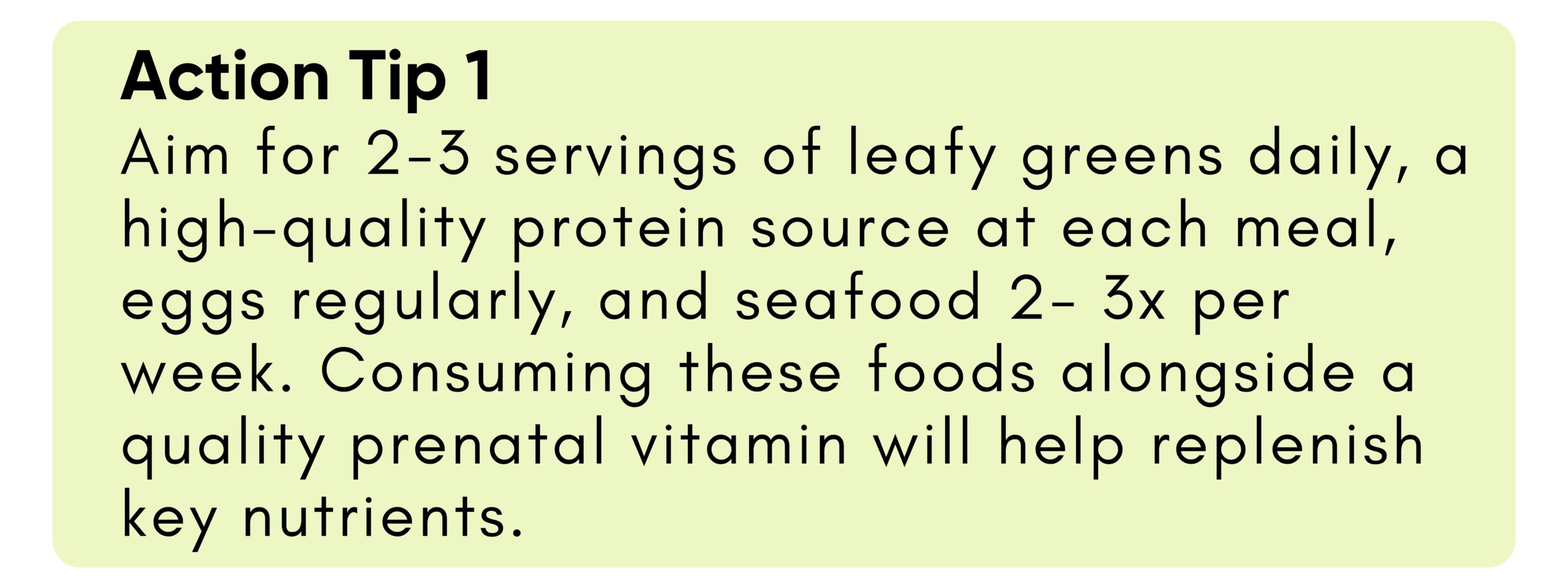
Increase nutrient-dense whole-food meals, especially quality proteins, seafood, leafy greens, and mineral-rich foods—to support hormone production and detox pathways. Pair this with a functional provider who can help you evaluate potential contributors, such as thyroid issues, gut health, and blood sugar regulation.

We’ll walk through each of these in more detail throughout this guide, so you know exactly how to support your body as you transition off birth control.

How does birth control affect different systems of the body?

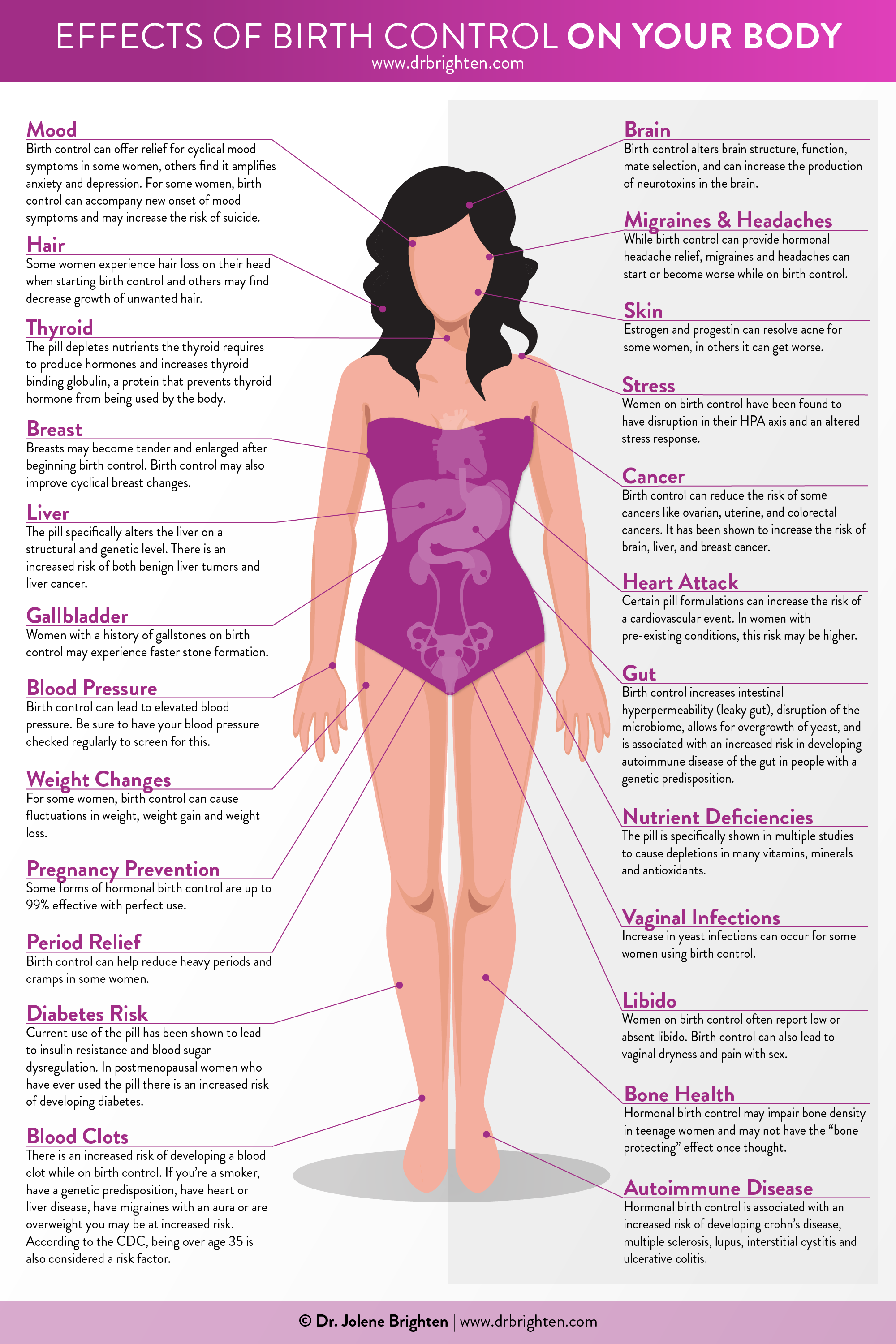
Hormonal birth control works by overriding natural hormone rhythms, so it makes sense that it can influence more than just your reproductive system (4, 5).

Hormonal birth control pills provide synthetic hormones, which can lead to effects in all systems of the body:

Hormone Signaling

Hormonal birth control suppresses communication between the brain and ovaries (the hypothalamus–pituitary–ovarian axis), preventing the natural rise and fall of hormones needed for ovulation. After stopping, your brain and ovaries often need some time to “reconnect” and resume regular, ovulatory cycles.

Nutrient Status

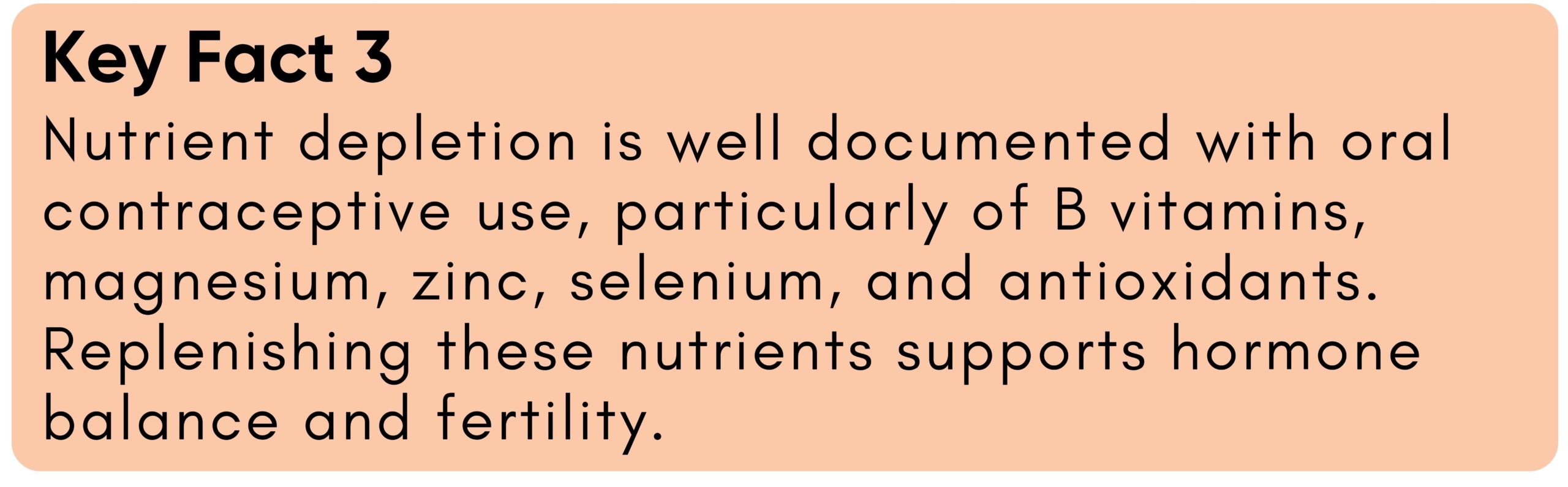
Some research shows that hormonal contraceptives may reduce nutrient levels or increase the body’s need for nutrients such as folate, B6, B12, magnesium, zinc, selenium, and antioxidant vitamins (4, 6, 7, 8). These nutrients are essential for ovulation, egg quality, thyroid function, mood, and detoxification, which is why replenishing them after stopping birth control can be highly supportive.

Thyroid Function

Estrogen-containing birth control increases thyroid-binding proteins, which changes how thyroid hormones circulate (9). This doesn’t usually cause thyroid disease, but it can affect lab results, and people with underlying thyroid tendencies may feel shifts. Checking thyroid labs after stopping birth control can be helpful if you notice fatigue, hair loss, or temperature intolerance.

Metabolism and Blood Sugar

Some hormonal birth control methods may influence insulin sensitivity or lipid levels in certain individuals (5, 10). Even if you didn’t feel these effects, stabilizing blood sugar through balanced meals and movement is an integral part of supporting hormone health going forward.

Liver and Estrogen Detoxification

Your liver metabolizes synthetic hormones. Your liver needs nutrients such as choline, B vitamins, and antioxidants to complete the detoxification process (11). Supporting liver health through whole foods, fiber, cruciferous vegetables, and healthy digestion becomes essential during and after stopping birth control.

Gut Health

Some studies suggest hormonal birth control may influence gut bacteria and intestinal permeability in certain people (12). Because gut health affects nutrient absorption, inflammation, and estrogen metabolism, nourishing your digestive system can help support hormone balance during the transition off birth control.

Mood and Brain

Responses to hormonal birth control vary widely. Some feel their mood improves, some notice anxiety, lower libido, brain fog, or emotional changes (13, 14). These effects may be due to shifts in neurotransmitter levels, altered brain hormone receptors, or nutrient depletion. If you noticed mood changes on or off birth control, your experience is valid and worth bringing up with a provider.

Can birth control affect fertility?

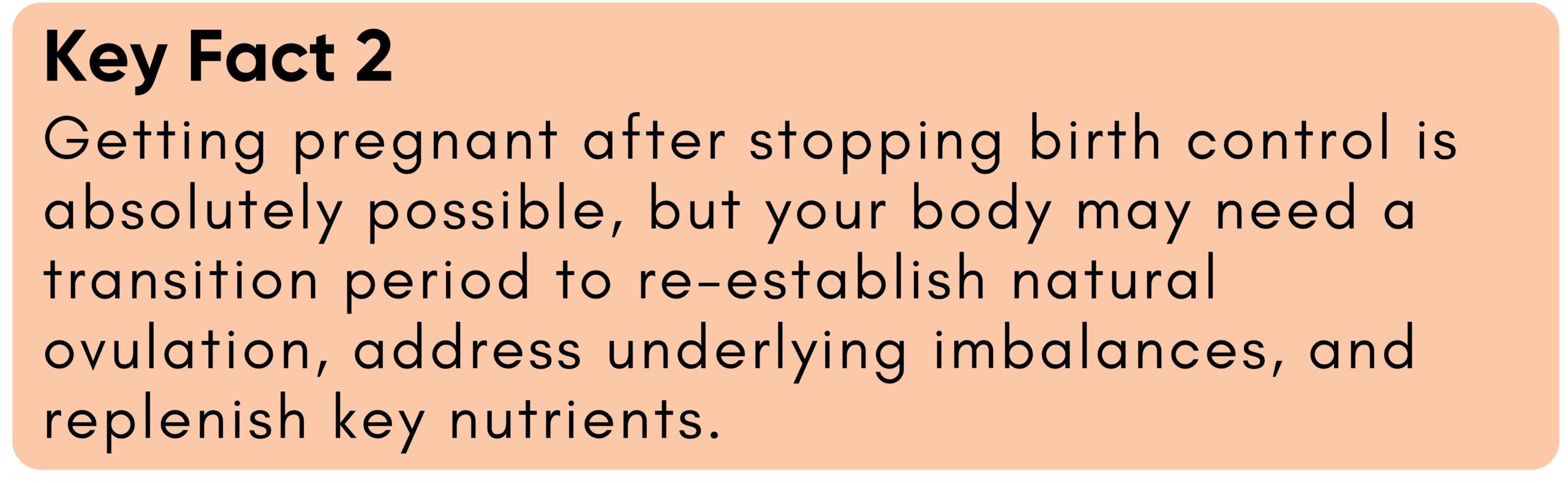
The good news is that hormonal birth control does not cause permanent infertility in people who were otherwise fertile (15). But because it suppresses natural hormone signaling, fertility may take time to return as your body re-establishes regular ovulation  (16).

If you had underlying conditions before starting birth control, such as PCOS, thyroid dysfunction, or irregular cycles, those patterns may resurface once synthetic hormones are removed. This can extend the timeline for restoring optimal fertility, not because birth control caused new problems, but because it temporarily masked existing ones.

This does not mean that getting pregnant after birth control is impossible. Still, it does mean that if you have been on birth control before trying to conceive, it’s most realistic to recognize it could take some time to get back to an optimal fertile state (this depends on your unique physiology, health, and how long you were on birth control). 

Most people resume ovulation within a few months after discontinuing hormonal birth control (17, 18). IUDs and implants may allow faster return to fertility once removed, while the Depo shot may take the longest (sometimes 6–12 months).

If cycles don’t return or remain irregular after several months, consider evaluating thyroid function, blood sugar balance, and nutrient status with a knowledgeable provider.

What should I expect when stopping BC?

Transitioning off birth control looks different for everyone. Your experience will depend on your health before starting, the type of birth control you used, and how long you were on it. Some people transition very smoothly, while others experience symptoms, such as:

  • Irregular cycles at first
  • Temporary anovulatory cycles
  • Acne flares
  • Mood shifts
  • Heavier or lighter bleeding
  • Changes in cervical mucus
  • Cramps or PMS symptoms that were previously masked

All of these changes reflect your body transitioning out of a hormonally suppressed state and back into its natural cycle. If you don’t get a bleed within three months or if symptoms are extreme, talk with a healthcare provider.

What labs should I consider testing after stopping BC?

If cycles are slow to return or you want a full picture of your hormone health after stopping birth control, lab testing can offer important insights and identify areas that need support. A comprehensive lab panel to consider discussing with your provider may include:

  • Estradiol, progesterone, LH, FSH, prolactin
  • TSH, free T3, free T4, thyroid antibodies
  • Comprehensive iron panel
  • Vitamin D, B12
  • Hemoglobin A1c, fasting insulin, and glucose
  • Lipid panel

These labs can help determine whether your thyroid, blood sugar, or nutrient status is affecting ovulation.

Since hormonal birth control can influence mineral status, HTMA testing can be another helpful tool after stopping birth control. HTMA measures mineral levels and ratios in hair tissue, which reflect longer-term mineral patterns.

Because minerals are foundational for hormone production, thyroid conversion, blood sugar balance, and nervous system regulation, identifying imbalances through HTMA can help tailor a targeted nutrition plan to support fertility.

See if we have available HTMA spots under “nutrition services.”

What can I do to optimize fertility after coming off BC?

To support your body in resuming optimal fertility, focus on nourishment, replenishment, and consistent daily habits that support hormone health. Small daily habits can offer meaningful support in helping your body re-establish its natural hormonal rhythm and restore healthy ovulation.

Rebuild nutrient stores

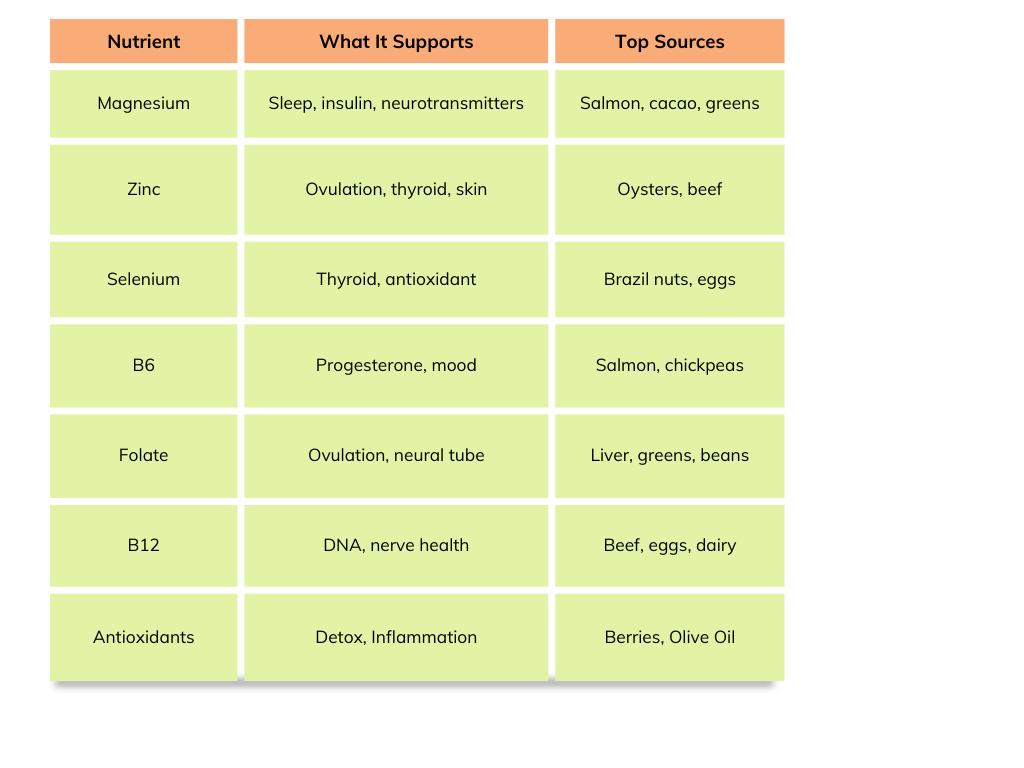
Evidence suggests that oral contraceptives may lower levels or increase requirements of several key nutrients, especially those involved in methylation, neurotransmitter production, ovulation, and detoxification, including (20, 21, 22):

  • Magnesium: supports insulin sensitivity, sleep, neurotransmitter regulation, and muscle relaxation. It’s one of the more common post-pill deficiencies (23, 24).
  • Selenium: essential for thyroid hormone conversion and protecting follicles from oxidative stress.
  • Zinc: supports ovulation, egg quality, thyroid health, skin health, and immune function. It’s also used heavily during detoxification.
  • B6 (Pyridoxine): helps your body make serotonin, regulate mood, and convert tryptophan into melatonin to support sleep. It’s also crucial for healthy progesterone production and a strong luteal phase.
  • B9 (Folate): consistently shown to be lower in those using oral contraceptives (4). Adequate folate is essential for ovulation and fetal neural tube development.
  • B12 (Cobalamin): Birth control can reduce B12 levels (20), which impacts red blood cell formation, nervous system health, and DNA replication, which are critical for conception.

Optimize Minerals

Minerals play a foundational role in hormone signaling and reproductive function. Even small shifts in mineral status can influence mood, cycle length, cervical mucus, and progesterone production.

The minerals most affected by hormonal contraceptives appear to be zinc, magnesium, and selenium, as we addressed above (21). Other minerals that may be impacted and play an essential role in fertility include copper, iodine, and iron.

Incorporate mineral-rich foods daily, such as oysters, beef, eggs, leafy greens, nuts, seeds, and seaweed, and consider a simple mineral mocktail made with electrolytes and trace minerals to support hydration and mineral balance.

For a deeper look at mineral patterns, a Hair Tissue Mineral Analysis (HTMA) can be beneficial. HTMA evaluates long-term mineral status and provides insight into copper–zinc balance, adrenal patterns, thyroid-related mineral ratios, and potential deficiencies that influence cycles and fertility.

Support blood sugar balance

Balanced blood sugar is one of the most underestimated fertility tools. Stable blood sugar is essential for healthy ovulation. Even mild insulin resistance can suppress ovulation, shorten the luteal phase, worsen PMS, and increase inflammation (25, 26).

Hormonal birth control may influence insulin sensitivity in some people. Additionally, if you started birth control to help manage PCOS symptoms, it’s important to know that PCOS often has a layer of blood sugar dysregulation. Coming off birth control may reveal this pattern.

Practical steps:

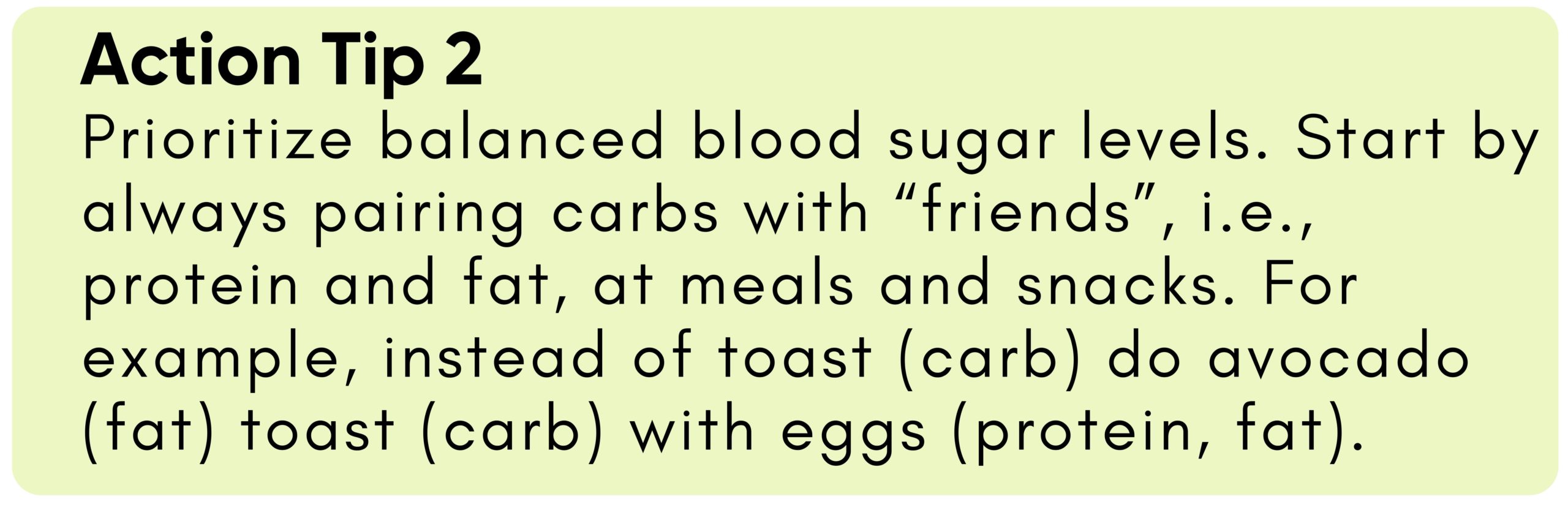
  • Build meals with protein, healthy fats, fiber, and lots of color.
  • Avoid going long periods without eating to prevent crashes and cravings.
  • Incorporate regular walking and strength training.
  • Avoid “lonely carbs” (i.e., carbs without protein and/or fat)

Learn more here.

Work to improve gut health.

A healthy gut supports optimal nutrient absorption and hormone metabolism. Some research suggests hormonal birth control may shift gut bacteria or intestinal permeability in susceptible individuals (27, 28). Supporting gut health helps your body eliminate hormones efficiently.

Practical steps:

  • Aim for 25-35g+ of fiber daily
  • Include fermented foods (yogurt, kefir, sauerkraut
  • Eat a wide variety of colorful plants each week
  • Consume added sugar in moderation
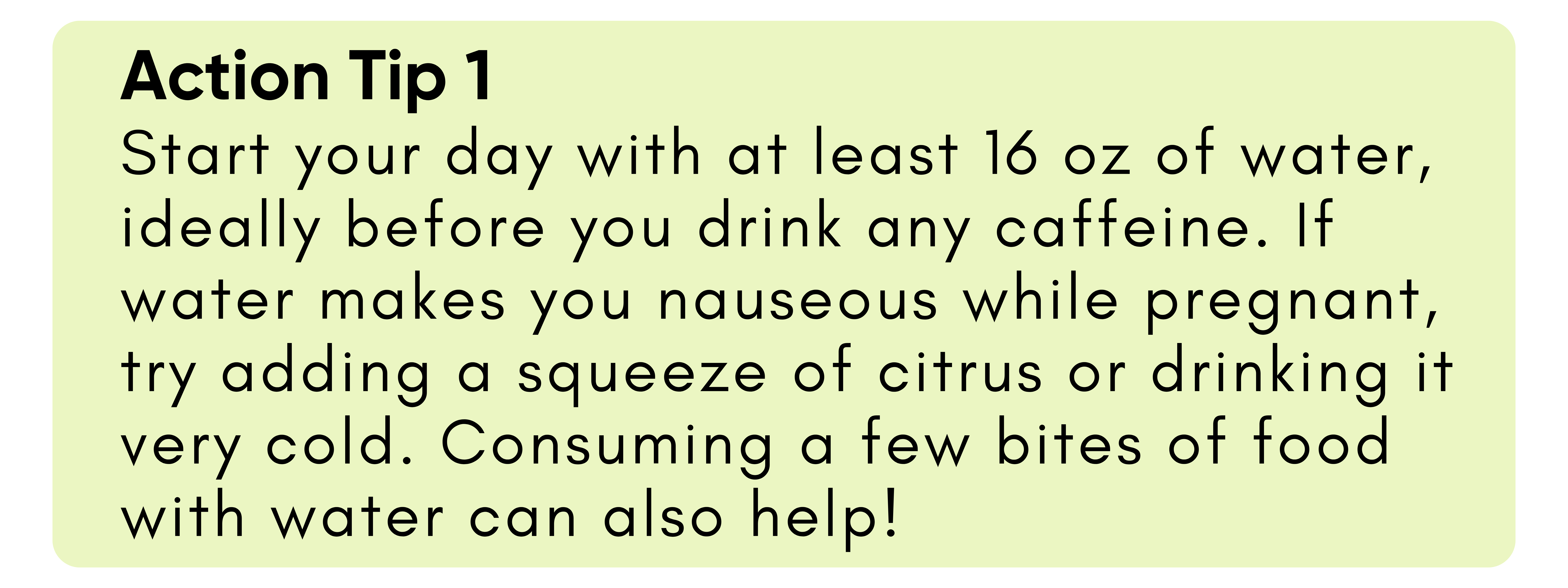
  • Drink plenty of water

Learn more here.

Support thyroid health and hormone production.

The thyroid and progesterone work closely to maintain regular cycles. T3 and T4 influence ovulation, luteal phase length, and progesterone levels (29).

If you experience fatigue, cold intolerance, or very short luteal phases, supporting your thyroid with selenium, zinc, and iodine-rich foods may help. Adequate calories, stress management, and B6 also support healthy progesterone production.

If you experience these symptoms, additional thyroid testing may be indicated. Learn more about thyroid testing here.

Support liver detox

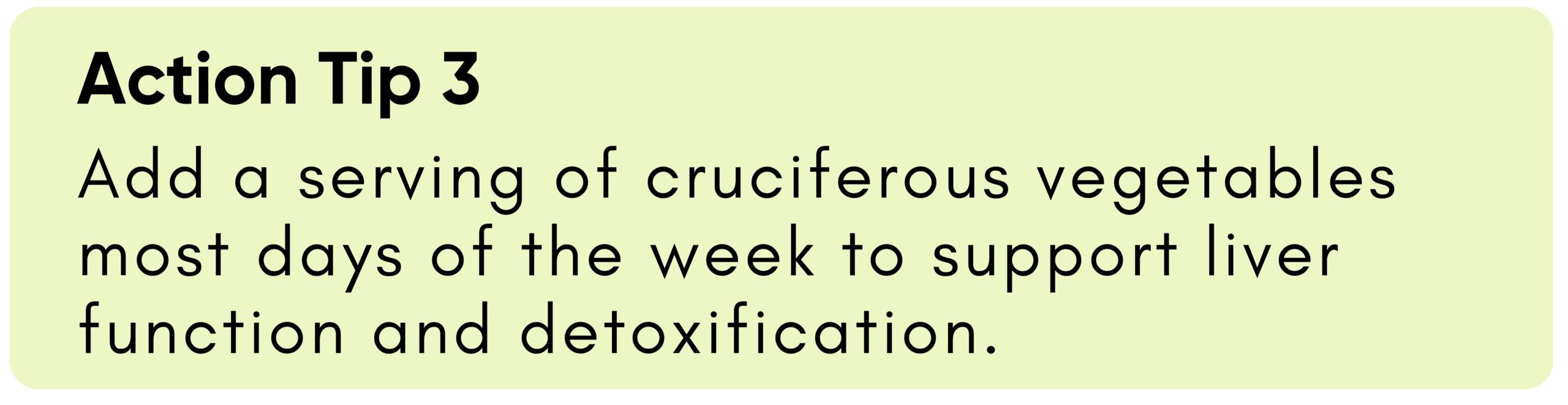
Your liver helps clear hormones, both synthetic and natural. Healthy detoxification doesn’t depend on “quick cleanses,” rather it depends on nutrients, blood sugar stability, and healthy digestion.

Practical steps:

  • Include cruciferous vegetables daily (broccoli, brussels sprouts, cabbage)
  • Eating enough protein (aim for 20-30g per meal)
  • Add choline-rich foods (eggs, salmon, liver in moderation)
  • Stay hydrated
  • Support regular bowel movements to prevent estrogen reabsorption
  • Limit alcohol to reduce liver burden

Learn more about liver health here.

Fertility-friendly lifestyle habits

Gentle lifestyle strategies support healthy ovulation, including:

  • Get adequate amounts of sleep
  • Manage stress (breathing exercises, meditation, walking)
  • Avoid over-exercising (especially if periods are delayed)
  • Ensure adequate caloric intake for your activity level
  • Simple cycle tracking, such as cervical mucus observations

What are alternatives to standard birth control?

If you are looking to avoid pregnancy during this time, know that hormonal birth control does not have to be your only option.

Fertility awareness-based methods include:

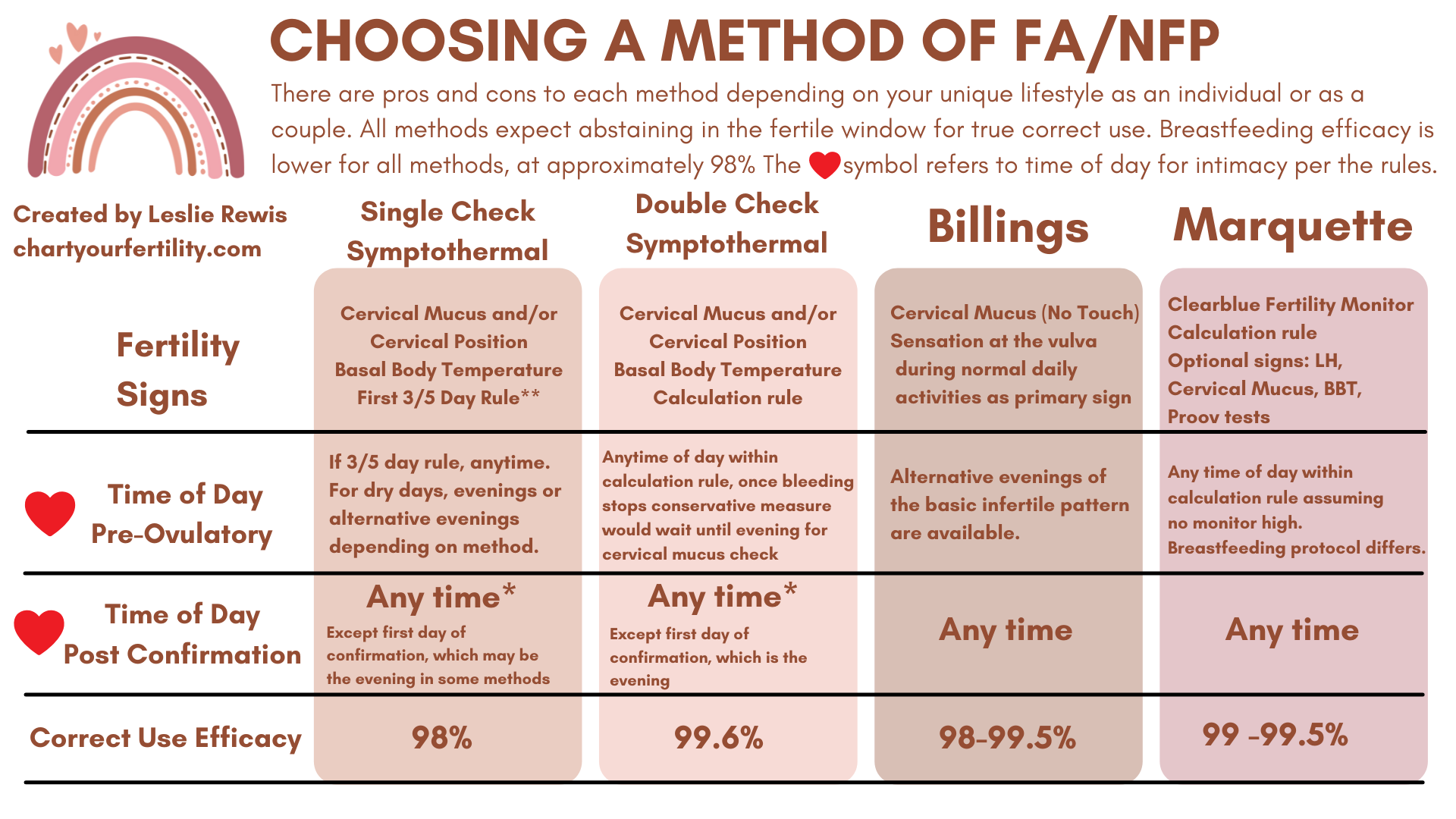
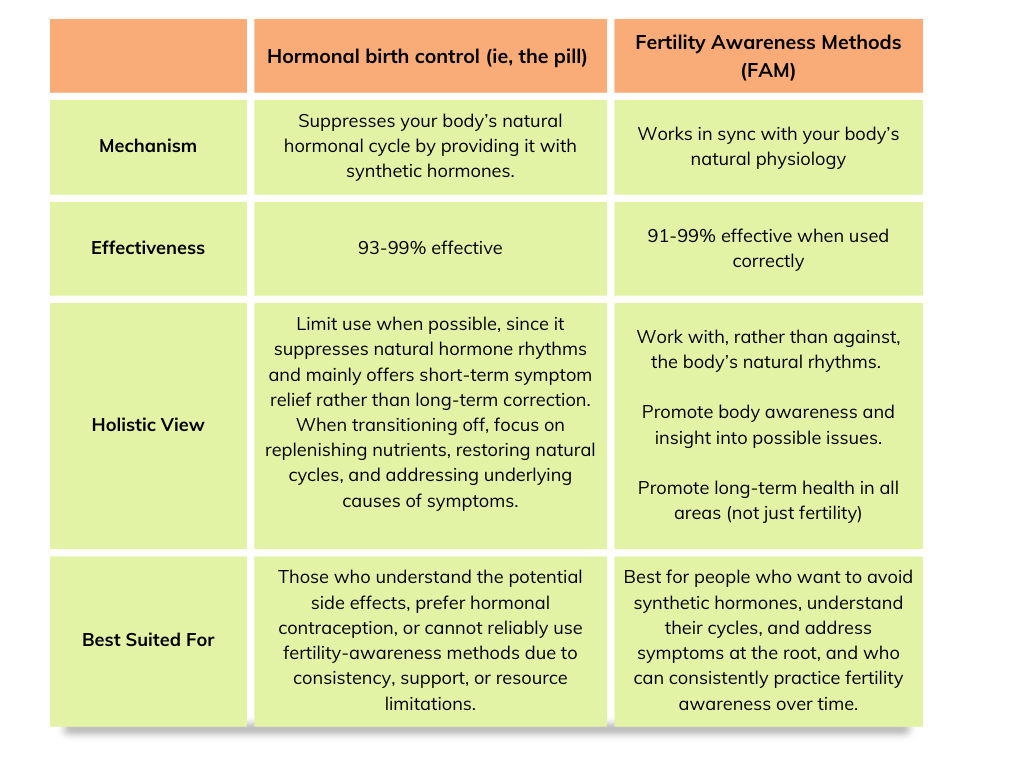
Fertility awareness-based methods teach you how to identify your fertile window using cervical mucus, temperature, or hormone tracking. When learned with an instructor and used correctly, these methods are incredibly accurate, at least as accurate as hormonal birth control (often, more so) (31). They also deepen your understanding of your cycle patterns.

Note that these take time and patience to learn! It’s ideal to start by working with a fertility educator who can help you interpret your body’s signs and patterns. Look for an instructor here.

If you are looking to gain more insight into your body and how it works through fertility awareness, here are some books and resources you can look into to learn more:

The Bottom Line

  1. Hormonal birth control prevents ovulation by suppressing communication between the brain and ovaries, which is why periods on the pill are withdrawal bleeds, not true periods.
  2. Hormonal birth control can be helpful for symptom management, but it often masks underlying issues (like PCOS, endometriosis, thyroid disorders, or blood sugar issues) rather than addressing their root causes.
  3. Your body can regain healthy fertility after birth control. Still, it’s not uncommon for ovulation and cycles to take some time to re-establish their natural rhythm, especially if underlying issues were previously masked.
  4. Nutrient depletion is well documented with oral contraceptive use, particularly of B vitamins, magnesium, zinc, selenium, and antioxidants. Replenishing these nutrients supports hormone balance and fertility.
  5. Stable blood sugar is an often underrated foundation for restoring ovulation, since even mild insulin resistance can delay ovulation, worsen PMS, shorten the luteal phase, and impact fertility.
  6. If you want non-hormonal birth control, fertility awareness-based methods can be effective options when used correctly and with plenty of practice.

Written by: Claire Gilmore, MSCN, CNS, LDN, and Jorden Edinger, MS, RDN, LDN
Reviewed by: Ryann Kipping, MPH, RDN, LDN