
The postpartum period is a time of healing, recovery, and adjustment. Your body is recovering from pregnancy and birth while adapting to new physical and emotional demands.
If you are breastfeeding, your nutrient and energy needs may be even higher than during pregnancy.
The goal right now is to:
- Support healing and recovery
- Replenish nutrients lost during pregnancy and birth
- Support milk production (if breastfeeding)
- Promote overall health and well-being
How much to eat postpartum
Postpartum needs vary widely depending on factors such as appetite, sleep, body size, activity level, and whether you are breastfeeding. If you are breastfeeding, your calorie needs are typically even higher than during pregnancy. However, just like during pregnancy, tracking or counting calories is not necessary.
Instead, focus on:
- Eating regular meals and snacks (every 3-4 hours)
- Responding to hunger when it shows up
- Building meals/snacks with protein, fat, fiber, and flavor
- Eating until you feel comfortably satisfied
- Prioritizing nutrient-dense choices most of the time
Some days will feel more structured than others. That’s expected. The most important thing is to tune into your body and follow its cues.
What if I don’t feel like eating or feel overwhelmed?
It’s common to experience:
- Low appetite
- Skipped meals
- Fatigue
- Feeling too busy to eat
If this happens:
- Focus on easy, ready-to-eat foods
- Keep snacks accessible
- Use simple meals instead of full recipes
- Ask for help with meals when possible
Nutrition during the postpartum period should be practical and supportive, not another source of stress or a task to manage.
If appetite is high
Increased hunger is also common during the postpartum and breastfeeding periods and often reflects higher energy and nutrient demand.
Support it by:
- Eating enough at meals
- Including fat, fiber, and protein at meals for staying power
- Using snacks as support
Hunger is information, not a problem you need to avoid.
Explore more
→ Quick Snacks
The 3 Foundations That Matter Most
These are the only three things we want you to focus on first.
1. Hydration (+ Minerals)
Why it matters:
Fluid loss during birth, breastfeeding, and ongoing recovery increases your need for fluids and key minerals (electrolytes) like sodium, potassium, and magnesium.
Start here:
- Drink enough water so that you don’t feel thirsty
- If breastfeeding, drink a glass of water before or after you feed your baby
- Take a bottle of water with you whenever you leave the house
- Add natural flavors to water if you don’t like plain water
- Get water from cucumbers, celery, tomatoes, and watermelon
- Incorporate a daily mineral mocktail or electrolytes
- Keep an eye on your urine. If you see it turning darker yellow, that’s a sign you are dehydrated and should drink some water as soon as possible!
Explore more:
→ Fluids & Hydration
→ Coconut Water
→ Mineral Mocktails
→ Electrolytes
2. Eating Enough
Why it matters: Your body needs consistent fuel and nutrients to recover, function, and (if applicable) produce milk. Undereating can impact energy, mood, recovery, and milk supply.
Start here:
- Aim for 3 meals plus 1-3 snacks per day
- Build simple meals with protein, fat, and carbohydrates
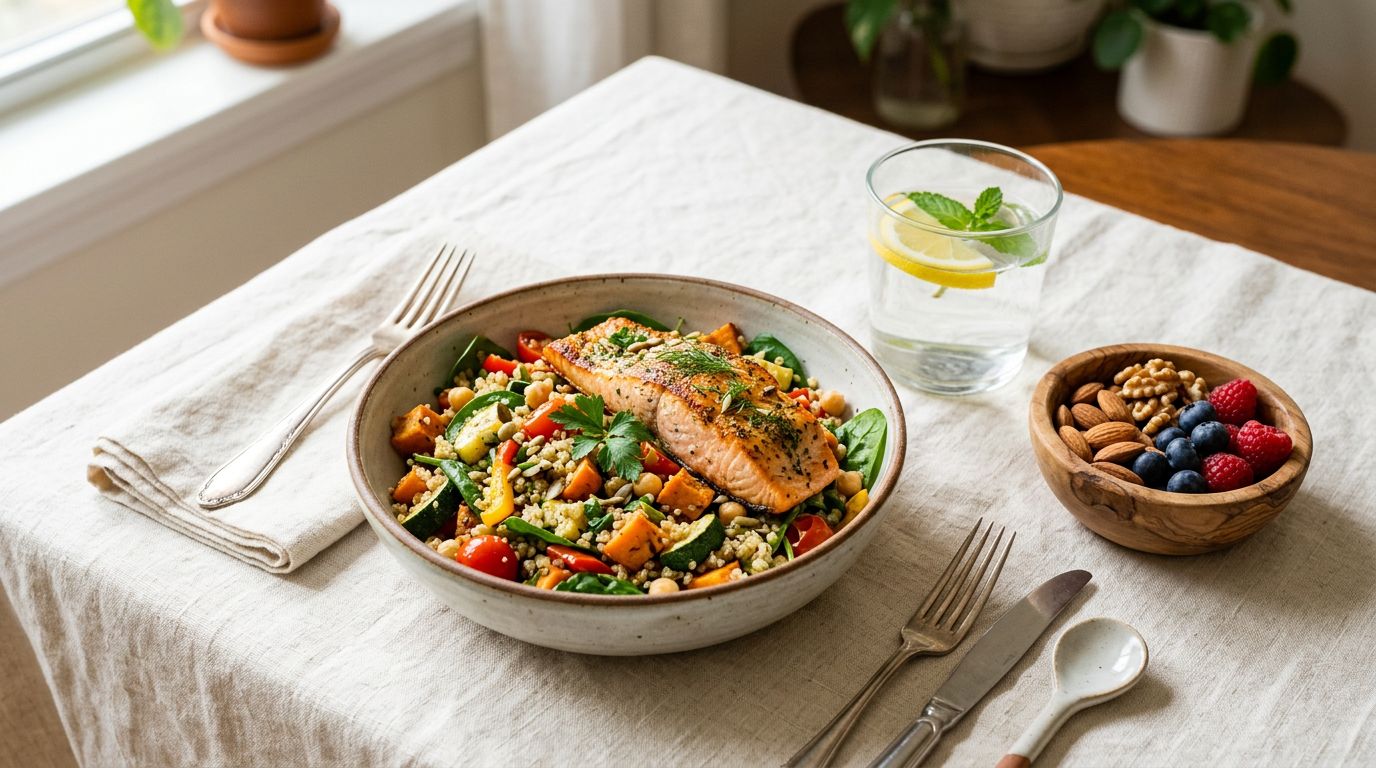
Simple meal structure:
- Fiber/color: vegetables, fruit, beans, lentils
- Protein: eggs, meat, seafood, dairy
- Fat: olive oil, butter, avocado, nuts, seeds
- Flavor: herbs, spices, lemon, sauces
Nutrient-dense foods to prioritize: Eggs, red meat, bone broth, slow-cooked meats, seafood, full-fat dairy, cooked vegetables, organ meats, fermented foods, fats
Explore more:
→ Essential Foods for Postpartum
→ Traditional Postpartum Diet
→ Top 10 List: Lactation
→ Top 10 List: Postpartum
3. Protein
Why this matters: Protein supports tissue repair and healing, hormone function, milk production, and blood sugar balance.
Start here:
- Include protein at every meal and snack
- Aim for ~30g per meal when possible
- Most people benefit from ~100g+ per day, depending on body size, activity level, and appetite
Top food sources: Eggs, Greek yogurt, cottage cheese, meat, poultry, fish
Helpful tip: Use protein powders or collagen if needed to make intake easier.
→ Learn more: Protein
Common Postpartum Symptoms + Support
Postpartum comes with a wide range of symptoms. Nutrition can help support you through them. These symptoms are common and often multifactorial (sleep, hormones, nutrition all play a role).
Fatigue / low energy
- Eat enough overall
- Prioritize protein + iron
- Stay hydrated (and in 1-2 mineral mocktails per day)
- Consider checking your iron and thyroid levels
Constipation/digestion issues
- Increase fluids
- Include fiber (especially cooked vegetables, fruit)
- Consider magnesium if needed
Brain fog
- Stay hydrated
- Prioritize omega-3s, choline, iron, and B vitamins
- Eat regularly to support blood sugar
Hair loss
- Normal and expected
- Ensure adequate protein and iron
- Support overall nutrient intake
- Consider checking labs if severe
Mood changes
- Prioritize regular and simple meals
- Include omega-3s, magnesium, and B vitamins
- Seek support
- Nutrition is supportive, but not a replacement for mental health care
Explore more
→ Postpartum Brain Fog
→ Postpartum Hair Loss
→ Postpartum Depression
→ Constipation
What to avoid
In general, there are no foods someone needs to avoid during the postpartum period. If postpartum and breastfeeding, this also remains true with a few exceptions. For example, alcohol, caffeine, high-mercury seafood, and some herbs may require a more cautious approach during lactation.
Explore more:
→ Pregnancy vs. Postpartum Diet
Caffeine
- If not breastfeeding, individual tolerance. However, please note: high caffeine intake may impact iron absorption, heighten anxiety symptoms, disrupt sleep, and increase cortisol levels. As with most things in nutrition, moderation is key.
- If breastfeeding, avoid excessive intake. For most people, 1-2 cups of coffee or ~150-300 mg of caffeine per day is okay.
Explore more:
→ Coffee Alternatives
→ Pregnancy vs. Postpartum Diet
Alcohol
- There are no health or recovery benefits to consuming alcohol; however, it does not have to be avoided altogether.
- If breastfeeding, wait ~2 hours per drink before feeding.
- The traditional practice of “pumping and dumping” because of drinking alcohol is not evidence-based. Alcohol does pass into breast milk, but it does not stay in your milk until it’s removed. Additionally, pumping does not decrease the alcohol concentration of the milk. Your blood alcohol concentration (BAC) is what correlates with the amount of alcohol in your breast milk.
Explore more:
→ Pregnancy vs. Postpartum Diet
Herbs and Spices
- Herbs and spices used in cooking or for culinary purposes are safe to enjoy during the postpartum period.
- There is minimal to no research on supplementing most herbs and spices during pregnancy and postpartum.
- In general, many of the same herbs that are recommended to avoid during pregnancy should continue to be avoided during lactation.
Explore more:
→ Pregnancy vs. Postpartum Diet
→ Herbs and Spices
High-Mercury Seafood Choices
- It is recommend breastfeeding women avoid high-mercury fish because mercury can pass through breast milk.
- There are no specific limitations or restrictions on seafood types based on mercury levels outside of pregnancy, lactation, and children. However, most people would likely benefit from prioritizing lower-mercury seafood.
Explore more:
→ Pregnancy vs. Postpartum Diet
→ Low Mercury Seafood
Postpartum Supplements
Everyone:
Prenatal vitamin
To consider (based on labs, diet, or symptoms):
- Omega-3s – if you do not eat fish
- Vitamin D – if you’ve tested, and your levels are low
- Probiotics – if you do not eat fermented foods
- Magnesium – if needed for extra sleep or stress support
- Iron – if you’ve tested, and your levels are low
- Protein Powder – if you need support meeting your daily protein needs
- Electrolytes – to support hydration status
Lab testing (iron, vitamin D, thyroid panel) can help personalize needs.
Explore more:
→ Postpartum Supplement Guide
→ Postpartum Lab Guide
Using Recipes & Top Foods in the App
- Recipes tagged “postpartum” are designed to support your recovery and meet your increased nutrient needs.
- At the top of each trimester learning hub, you’ll find the Top Foods for that stage — use these as inspiration, not necessarily a “checklist.”
Start with what sounds good today, then build from there.
When to Get Help
Talk to your provider if:
- You feel extremely fatigued or weak
- You suspect anemia or nutrient deficiency
- You have concerns about milk supply or breastfeeding in general
- You are experiencing mood changes or mental health concerns
The Big Picture Reminder
Postpartum is a time of recovery, not restriction.
Your body is healing, replenishing, and if breastfeeding, continuing to support the growth and development of baby. Regular meals, adequate protein intake, hydration, and nutrient-dense foods support the postpartum period.
Small, consistent habits matter more than perfect days.
Questions about postpartum nutrition? Need additional support?
Go to “Ask an RD” (search it or post your question there), apply for coaching, or book a Quick Question Call – we are here to help!