
What is Fiber?
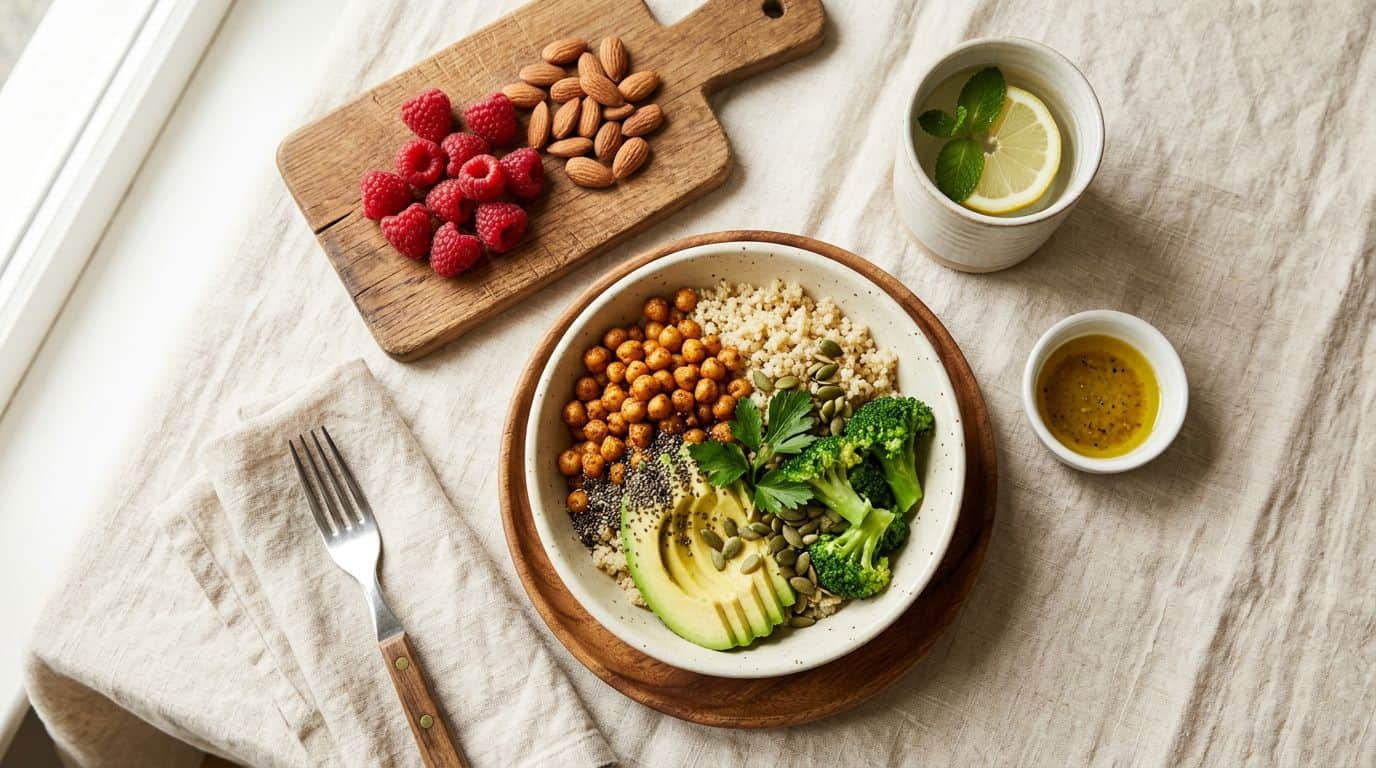
Fiber is the part of plants that the human body cannot digest, so it uses it to assist the digestive system. The body uses fiber to draw water into the digestive waste, forming bulk stools that are eliminated regularly and efficiently (1). Fiber is not found in animal products such as meat, dairy, and eggs. It’s only found in plants (2).
Types of Fiber
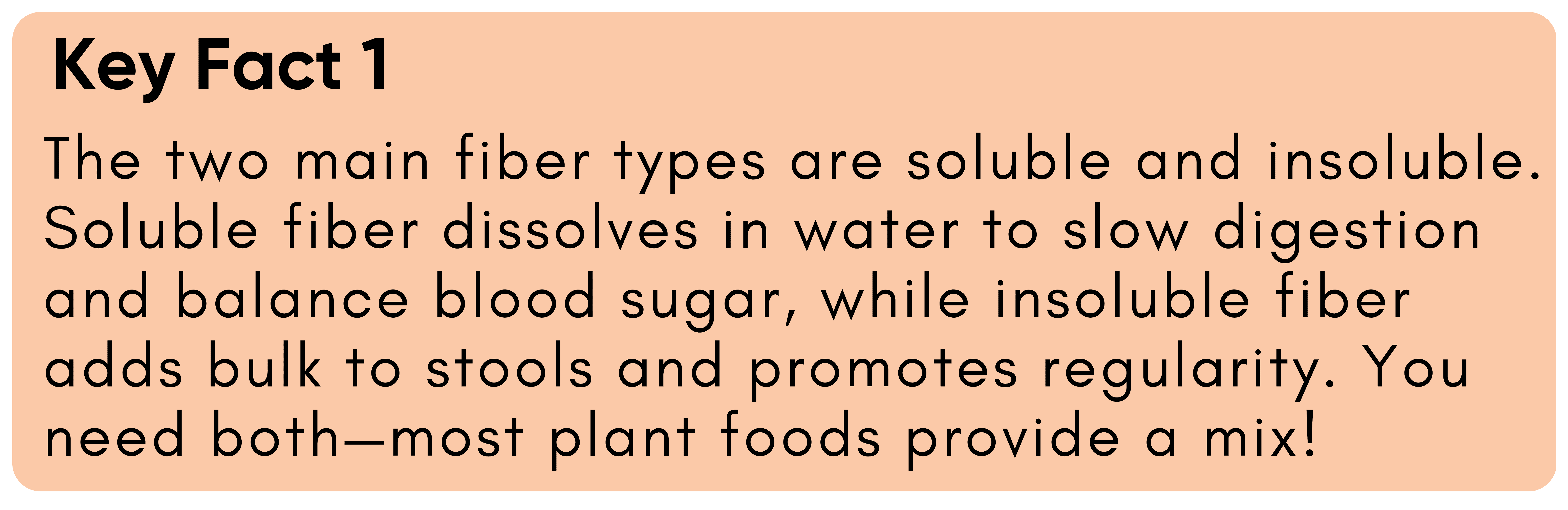
Soluble fiber
Soluble fiber dissolves in the body’s water to form a gel-like substance.
- Soluble fibers have been shown to lower cholesterol levels, bind to dietary fat to slow its absorption, stabilize blood sugar levels, and help the stomach empty into the intestines (1).
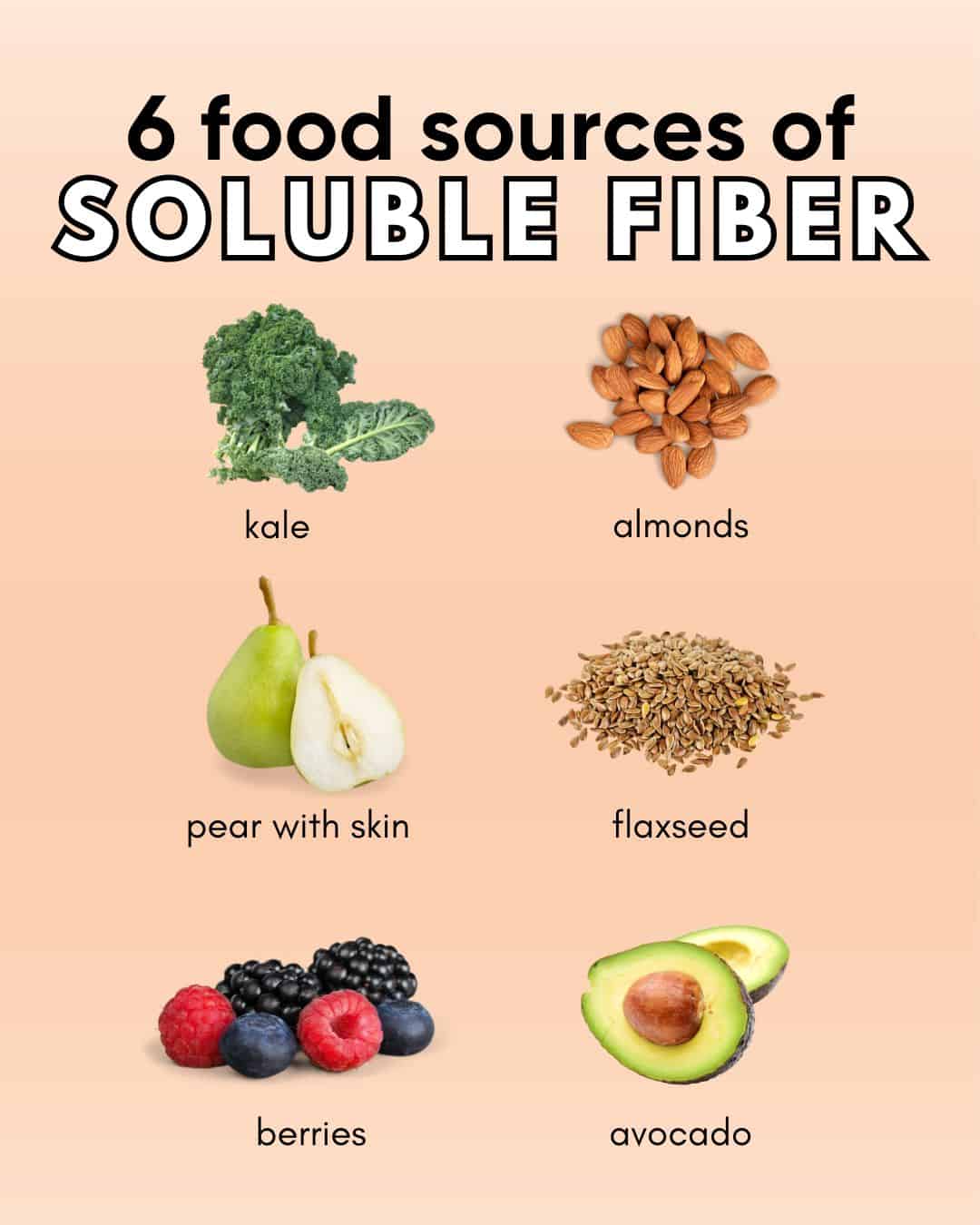
- Some sources are raw fruits such as apples, oranges, and grapes; grapefruit; beans; spinach; prunes; oats; brussels sprouts; and broccoli (3).
Insoluble fiber
Insoluble fiber does not dissolve in the body’s water but passes through the digestive system intact to help bulk and form stools.
- Insoluble fibers help prevent constipation, alleviate symptoms of irritable bowel syndrome (IBS), and promote regular bowel movements (3).
- Some examples of sources include whole-grain products (bread, pasta, crackers), vegetables, skin-on fruit, nuts, seeds, and root vegetable skin (1).
Fiber & Fertility
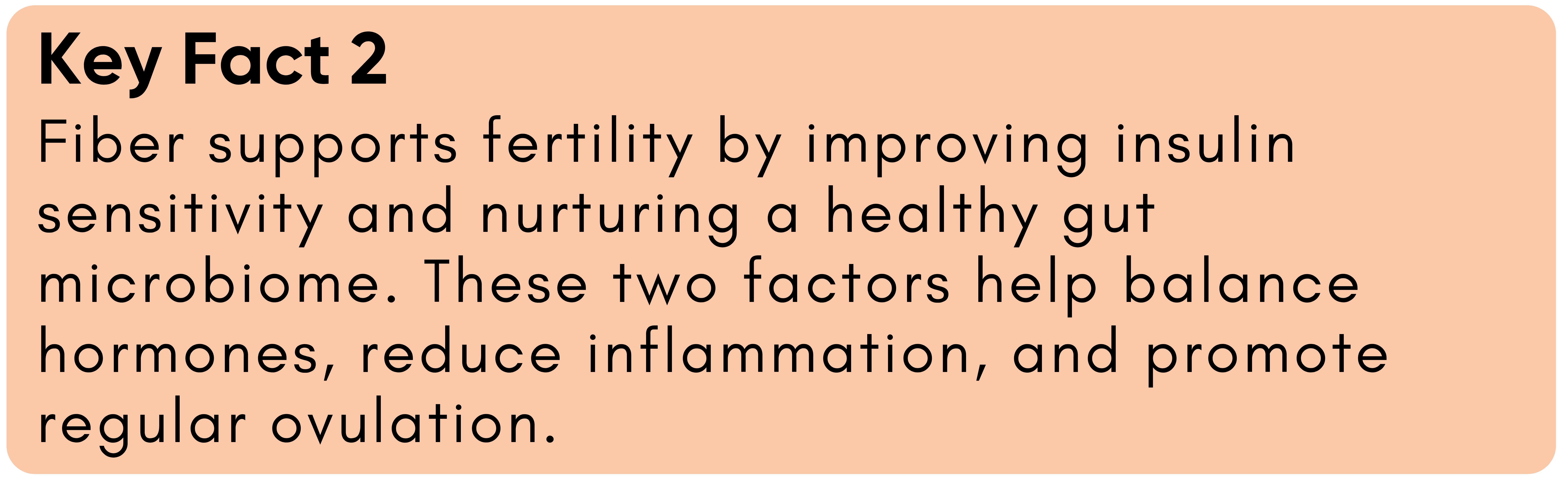
Fiber might not sound like a “fertility food,” but it quietly supports several systems that make conception possible, balancing blood sugar, supporting ovulation, and feeding beneficial gut bacteria.
Helps balance blood sugar
Stable blood sugar levels are critical in supporting hormone health and ovulation when trying to conceive (TCC). High-fiber foods promote blood sugar balance by lowering blood glucose levels and improving insulin sensitivity. Insulin sensitivity has been shown to decrease circulating free testosterone levels, enhancing ovulatory function (4).
Studies show that women who consumed more than 21 grams of fiber daily had a slightly higher probability of conceiving in a given menstrual cycle than those who ate 16 grams or less (4). Researchers linked this improvement in fecundability to fiber’s ability to stabilize blood sugar and support hormone balance.
The benefits were consistent across different fiber sources, including cereal grains, fruits, and vegetables, suggesting that a variety of fiber-rich foods can all support fertility.

Benefits your gut microbiome
Fiber’s impact on the gut microbiome is also associated with improved fertility. Plant-heavy diets rich in fiber and polyphenols feed beneficial gut microbes that produce beneficial substances called metabolites (5). These metabolites include short-chain fatty acids, which help reduce inflammation in the body by supporting the immune system, regulating blood sugar, and promoting lipid metabolism (6).
While TTC, the goal is to reduce inflammation in the body so it can perform the important work of ovulation and implantation. Lowering inflammation and oxidative stress is also helpful for sperm health and overall male fertility (5).
Fiber & Pregnancy
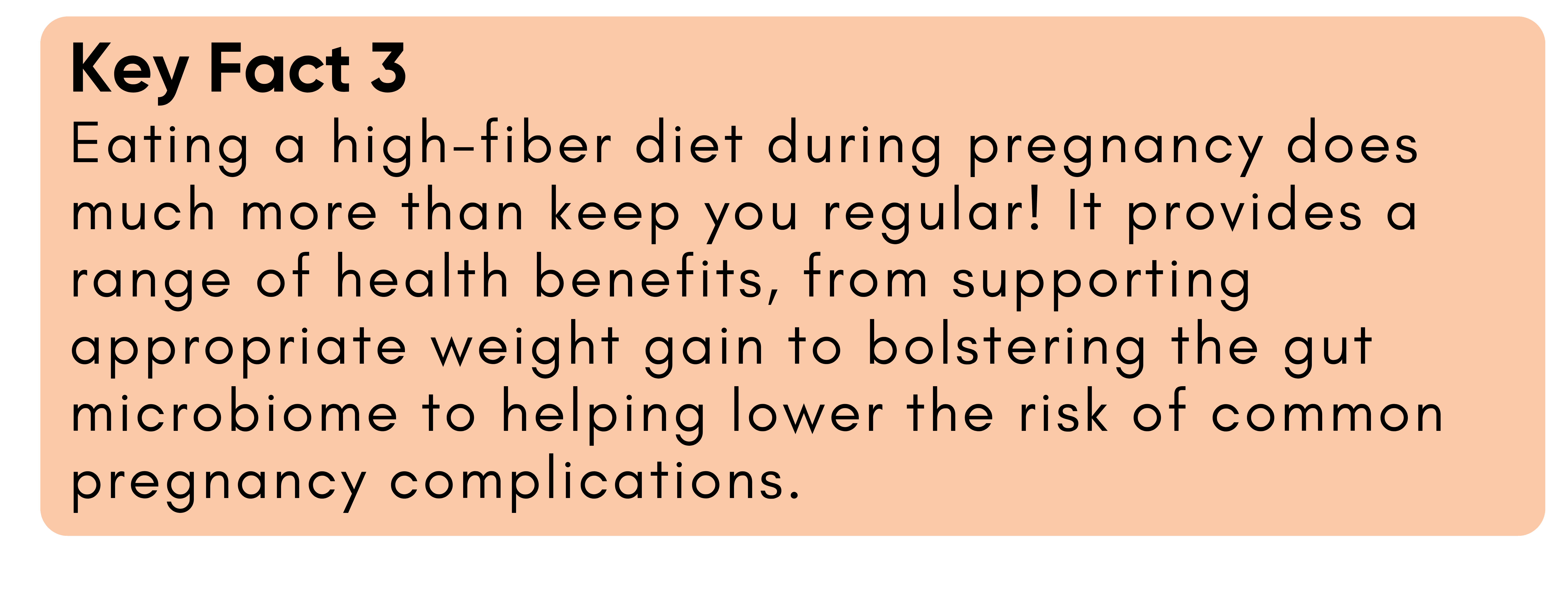
Many things change within the body during pregnancy, and you may feel your digestion slow significantly. Fiber is an unsung hero during this time, supporting regular bowel movements, a strong gut microbiome, healthy weight gain, and limiting the risk of common pregnancy complications.
Helps the body gain an appropriate amount of weight for pregnancy
A high-fiber diet during pregnancy is also shown to promote healthy weight gain to support your baby’s growth and development (7). In one randomized clinical trial, pregnant women consumed a high-fiber diet (≥30g/day) throughout their pregnancies, and fewer women in this group had excessive gestational weight gain compared with their controls (8).
The researchers attributed this to fiber’s ability to regulate bodyweight by increasing the release of satiety hormones, reducing hunger, and lowering post-meal insulin and glucose responses, which help the body use fat as fuel rather than store it (8).
Of course, your body needs to gain weight while pregnant, but fiber can effectively cue hunger, satiety, and blood sugar responses, helping prevent excess weight gain.
Strengthens the gut microbiome
Fiber’s key role in supporting beneficial gut flora remains important during pregnancy. When you consume a variety of plant-based fibers, you feed the “good bacteria” in your digestive tract.
These helpful gut bacteria metabolize short-chain fatty acids. These essential compounds have demonstrated inflammation and insulin-lowering effects in the body and positive impacts on the baby’s developing immune system (9).
Helps lower the risk of pregnancy complications
Diets high in fiber have been shown to reduce the risk of gestational diabetes and preeclampsia in pregnancy (2) and in studies related explicitly to gestational diabetes mellitus (GDM), women who consumed high-fiber diets pre-pregnancy and into their first and second trimesters had up to an 18% lower risk of developing GDM during their pregnancy (10).
Fiber’s positive impacts on glucose and insulin metabolism and its help with appropriate weight gain have been cited as factors in lowering GDM risk (11).
Studies have also shown that maternal total fiber intake (25-30 g/day) in early pregnancy is associated with reduced preeclampsia risk and positively related to HDL cholesterol concentrations (this is the GOOD kind of cholesterol) (12, 13).
Keeps you regular / lowers the risk of constipation
Fiber is essential for everyone, but it is especially crucial during pregnancy due to the increased risk of constipation. Your increased risk for constipation during pregnancy is due to the changes in your hormones, decreased physical activity, enlarged organs, and an increase in supplements (2).
A high-fiber diet can reduce the risk of constipation, alleviate symptoms of irritable bowel syndrome, and promote regular bowel movements.
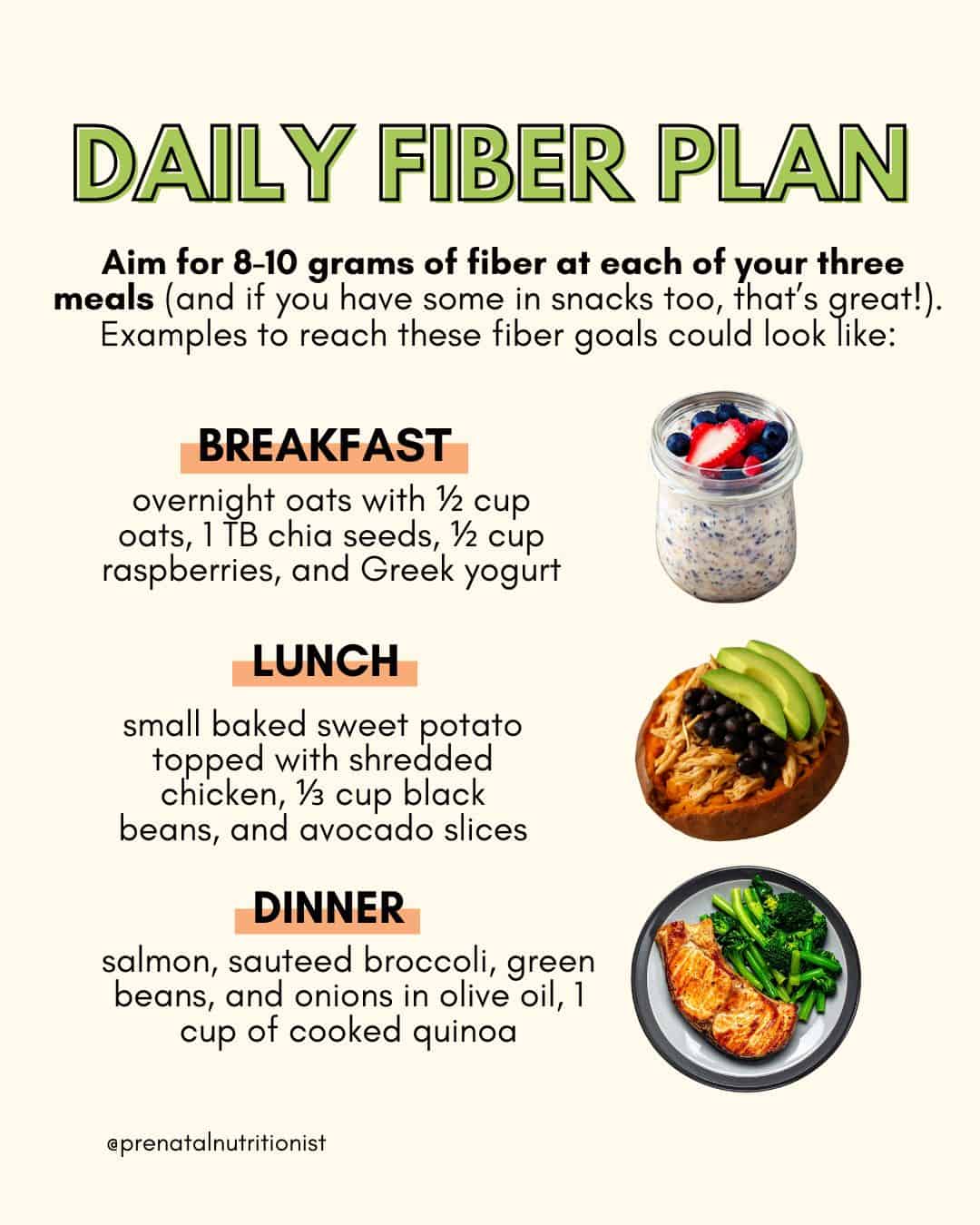
Getting fiber into your daily diet can sometimes be difficult during pregnancy, especially during the first trimester. This might be due to general nausea or food aversions to fiber-filled veggies. Try leaning into fruits that may sound palatable, including hydrating citrus fruits, berries, or apple slices. If fruit doesn’t sound good, grains are also a go-to choice. A bowl of oatmeal, popcorn, or a whole-grain bread with your favorite toppings is a simple, satiating, fiber-filled option.
Finally, don’t discount fiber-packed smoothies! Fruits of all kinds, frozen cauliflower or spinach, avocado slices, chia seeds, hemp seeds, flaxseeds, and coconut shreds could all be blended into a filling smoothie.
Fiber & Postpartum
Fiber continues to play a crucial role after delivery, helping your body recover, promoting healthy digestion, and supporting postpartum mental health.
Prevents and/ or helps alleviate constipation.
Fiber needs may be amplified during postpartum, when constipation is common and your body is working hard to recover from birth.
Constipation occurs for a variety of reasons after giving birth, and many people report greater constipation during postpartum than in pregnancy (14). Pain medications administered during labor, weakened core muscles and pelvic floor, dehydration from labor and breastfeeding, the physical stress of labor itself, and decreased physical activity in early postpartum can all contribute to postpartum constipation.
Many people are understandably anxious about that first postbirth bowel movement and fearful of disrupting stitches and overall healing (both vaginally and/ or from C-section).
This is where sufficient fiber intake can be beneficial. Fiber adds bulk to the stool, helping foods move through the digestive tract and promoting regular bowel movements (15).
Insoluble fiber, in particular, contains those indigestible starches that form the stool’s structure and aid in elimination. Soluble fiber is also important because it softens stool by absorbing water, making postpartum bowel movements less uncomfortable.
Supports postpartum mental health
Fiber may help with more than just constipation postpartum. Postpartum depression is a very real health challenge many people face, and research is beginning to examine the link between fiber intake, gut microbiome health, and mental health.
A meta-analysis explored the relationship between fiber and depression and found that a higher-fiber diet was associated with significantly lower odds of depression (16). One mechanism is dietary fiber serving as fuel for beneficial gut bacteria that can produce metabolites with antidepressant-like properties, namely the group Cyanobacteria (17).
Consumption of fructo-oligosaccharides, a type of soluble fiber, has also been associated with lower levels of depression-associated bacteria (Anaerostipes, Oscillibacter, Proteobacteria, and Streptococcus) (17).
While more research is needed to confirm fiber’s specific impact on postpartum depression, early studies suggest that meeting your fiber needs can be a valuable way to support mental health after birth.
How much fiber do you need?
Now that you’ve learned what fiber does to support your body throughout the preconception, pregnancy, and postpartum periods, let’s talk about how much you need at each stage.
While we typically don’t recommend tracking your food intake, it is a good idea to check how much fiber you eat daily if you don’t know!
Here are some general guidelines:
Trying to conceive: Aim for 25-28 grams of fiber daily (18); many would benefit from closer to 30 grams (19). Given its blood sugar-balancing and microbiome-supporting effects, the higher end of this recommended range makes sense!
Pregnancy: Aim for at least 30 grams of fiber daily to support the digestive system (1). The recommended grams of fiber actually increase slightly in each trimester (18), which makes sense, as we consume more calories as pregnancy progresses to support the baby’s growth.
It is estimated that only 30% of people meet the recommended fiber intake in pregnancy (7).
Postpartum: The recommended fiber intake remains around 30 grams daily (18) during the first 6 months postpartum. Caloric needs are typically higher due to breastfeeding, and fiber prevents constipation and supports physical and mental healing during this timeframe.
At any stage, remember to stay hydrated regularly throughout the day! In addition to fiber, your digestive system needs more fluids to help regulate bowel movements. Anything that melts into a liquid is considered a fluid, such as smoothies, milk, juice, popsicles, soups, tea, and coffee.
Foods High in Fiber
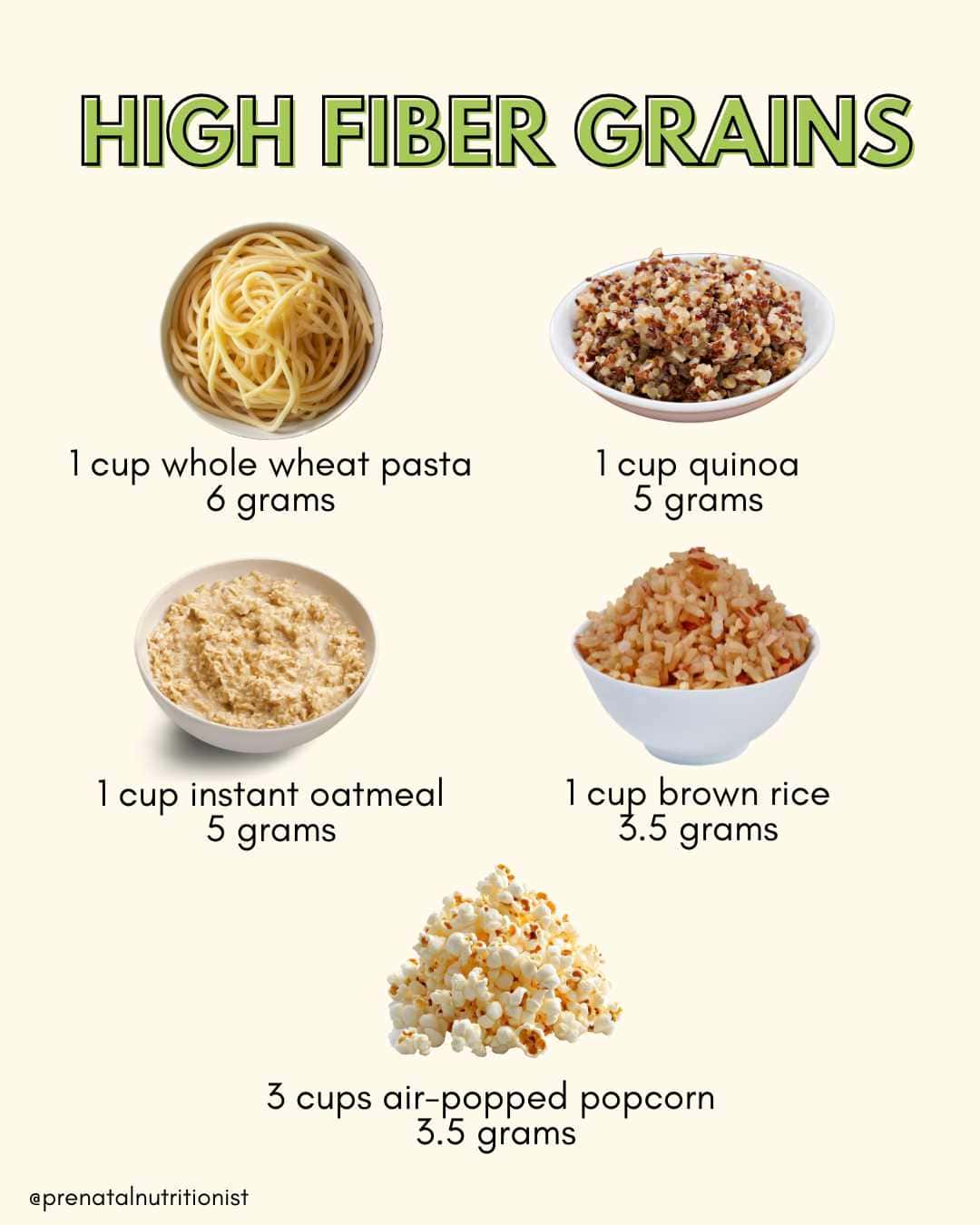
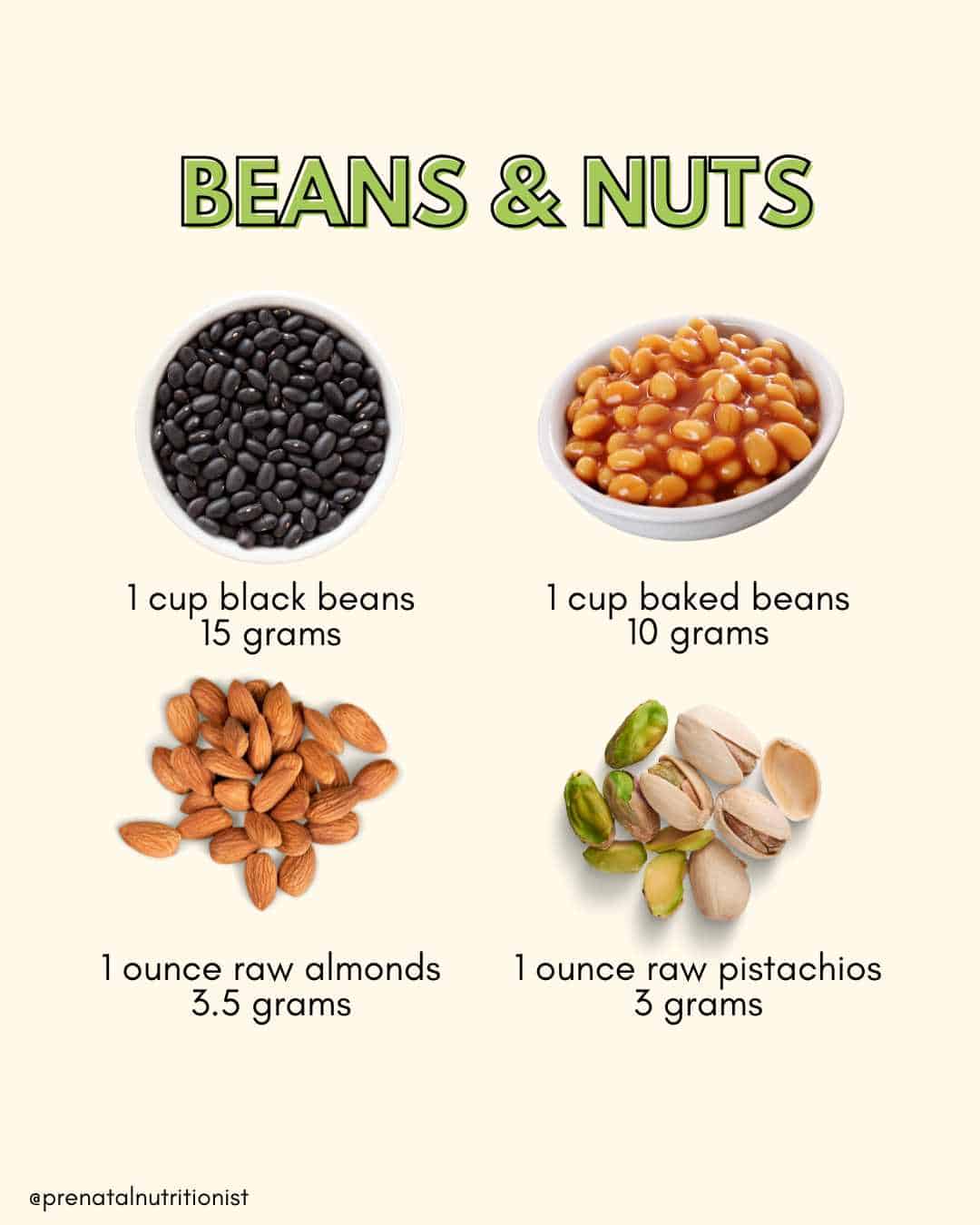

Do you experience digestive upset (gas, diarrhea, bloating, etc.) after eating high fiber foods?
Fiber-rich foods can cause bloating, gas, and discomfort, especially during pregnancy.
However, fiber may not be the only factor contributing to these signs of gastrointestinal discomfort. Your increased hormone levels and slower digestion also contribute to gas production (20).
If your symptoms are increasing, try keeping a food diary and note your symptoms or lack thereof for each meal or day. A food diary can help you identify foods that may increase gas, bloating, and discomfort.
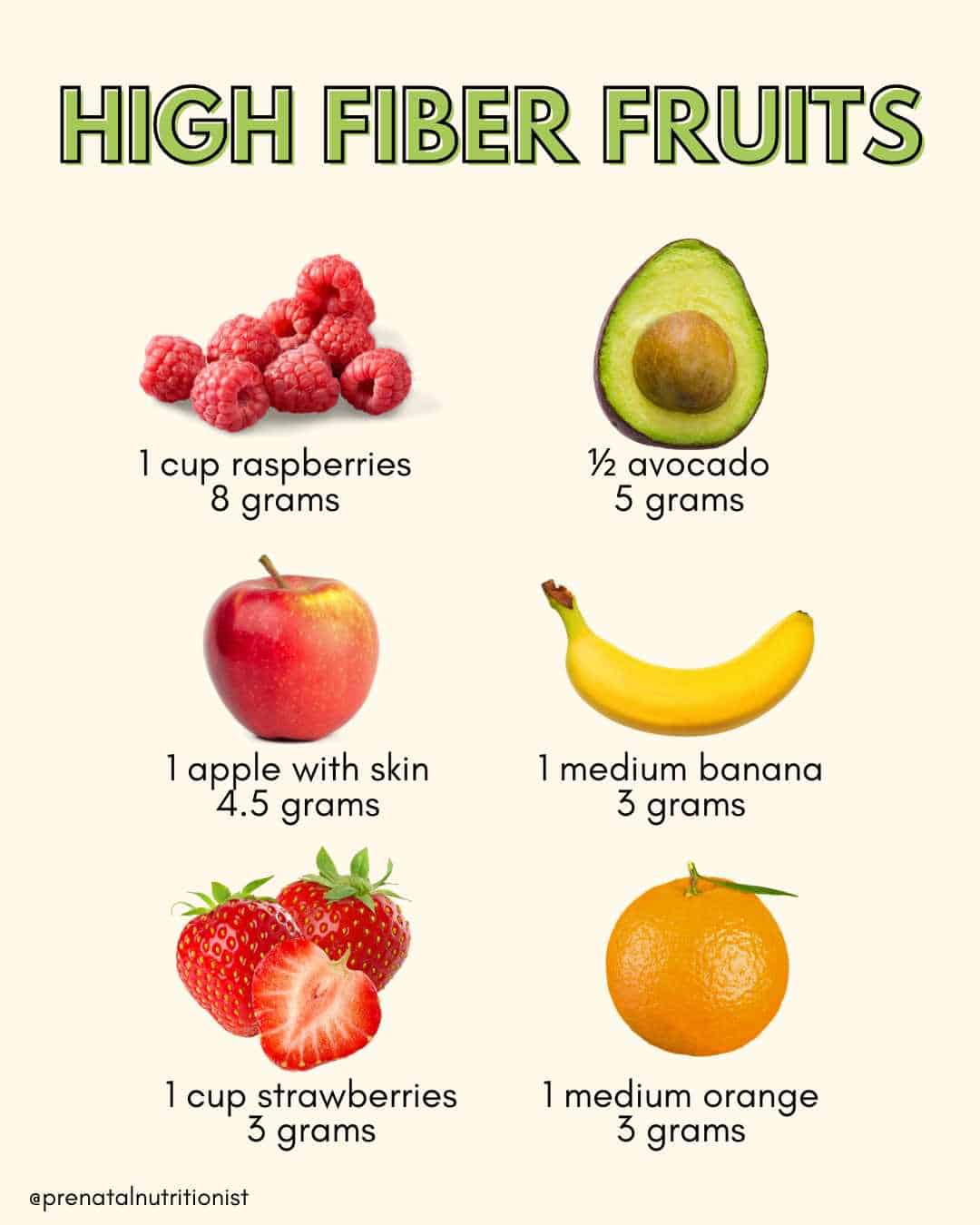
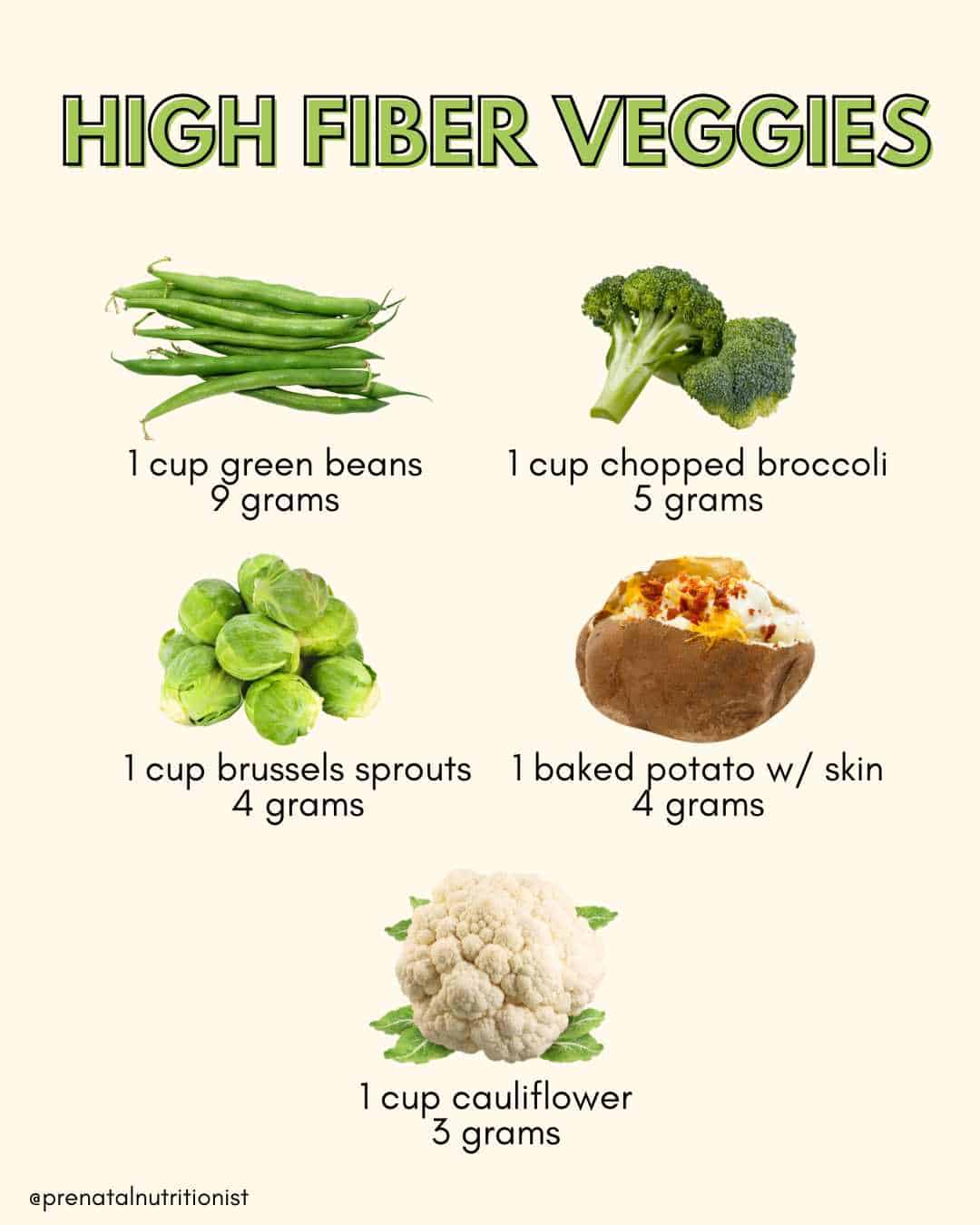
There is a wide variety of fiber-rich foods that you can add to your diet to meet your recommended 30 grams of fiber. You can always add new sources of fiber and find ones that work best for you. Refer back to the list of fiber-rich foods for quick, easy ideas.
Gas and bloating are common symptoms during pregnancy; you are not alone, and they are nothing to be insecure about. At the same time, there are things you can try to help!

Can I eat too much fiber?
Yes! Although you would have to be trying very hard, you can overdo fiber.
The effects of eating too much fiber are often seen when people try to increase their intake too fast. If focusing on consuming fiber is new to you, it is best to increase your intake gradually. This might look like eating a fiber-rich breakfast first, then adding fiber sources to your other meals as tolerated, after a couple of days.
Everyone is different, but the following symptoms could mean you’re eating too much fiber, including:
- Excessive gas (flatulence, burping, etc.)
- Uncomfortable bloating
- Diarrhea or loose stools
- Abdominal cramping
- Reflux
These gastrointestinal discomforts will pass with time. Always speak to your doctor or dietitian if you have any concerns about your fiber intake.
Do I need a fiber supplement?
In most cases, you do not need to add a fiber supplement to your diet. If you are constipated, we recommend increasing your fiber, fluids, and movement as a first line of “treatment” (1).
There are also other nutrients and dietary factors that play a role in keeping you regular, including magnesium (21), adequate fat intake (22), and probiotic intake (23), to name a few. Check out the constipation note to learn more effective strategies.
However, we understand that sometimes, during pregnancy and postpartum, getting enough dietary fiber (and the other constipation-preventing nutrients) can be tough due to nausea, food aversions, or a general lack of time to make meals.
Sometimes, you’ve tried everything, but constipation lingers. In this case, certain fiber supplements may be added as a short-term tool to help with symptoms.
What types of fiber supplements are safe for pregnancy?
Studies on the safety of fiber supplements, laxatives, and stool softeners during pregnancy are limited and evolving. However, avoid laxatives and mineral oils during pregnancy, as they can lead to malabsorption of other essential nutrients.
Instead, it is recommended that you use a stool softener or a bulk-forming agent during pregnancy if needed (7).
Stool softeners like Colace and bulk-forming fiber supplements like Metamucil and Fibercon may help alleviate constipation. These are considered safe but short-term medications during pregnancy and postpartum.
Always consult your doctor or dietitian before adding a stool softener or fiber supplement.
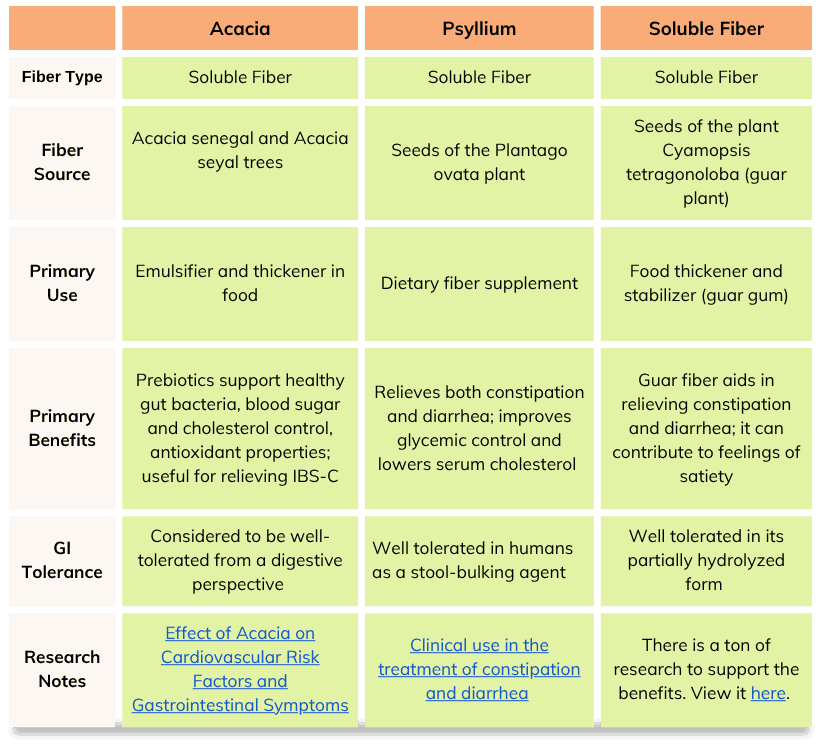
Acacia vs. Psyllium Husk vs. Guar
Acacia
Acacia is a group of many different plants. Still, it is usually seen on grocery store shelves as a supplement, in powder form, ground, or in ‘gum’ form as a food additive. Note: Certain products may list it as ‘Gum Arabic’.
It has been used for centuries in baking, medicine, and woodworking. As far as health goes, it reduces pain/inflammation, improves oral health, and reduces sore throat. It is considered a prebiotic that supports healthy gut bacteria, blood sugar balance, and cholesterol control and is an antioxidant (24). It is also a great source of soluble fiber!
Several studies in both animals and humans have proven its safety and some effectiveness in the health ailments listed above (25). However, none of these studies included pregnant humans. Pregnant-animal studies have not shown acacia to be harmful, but they have also not shown any clear benefits (26).
The safest option is to avoid supplemental acacia and to include more whole-food sources of soluble fiber (listed above).
Psyllium Husk
Psyllium husk has been well-studied for its ability to promote bowel regularity (27). It can help relieve both constipation and diarrhea by forming a gel-like soluble fiber that softens hard stools, making them easier to pass, and firming up loose stools.
It is also considered a prebiotic, acting as a fuel source for beneficial intestinal microbiota to produce anti-inflammatory short-chain fatty acids (we described this above) (28). Psyllium has been shown to significantly affect glycemic control and lower serum cholesterol (29).
As a bulk-forming laxative agent, psyllium is considered safe in pregnancy (30).
Guar Gum
Guar gum is a gel-forming, plant-based fiber used in various food and non-food products. In food, it is typically used as a thickener, stabilizer, and dietary supplement.
Partially hydrolyzed guar gum (PHGG) is the dietary fiber version commonly sold as a supplement. It has been partially hydrolyzed (broken down) by an enzymatic process. It has the same chemical structure as intact guar gum but is less than 1/10th as long and has a lower viscosity, making it easy to use and safe for human consumption (31, 32).
Partially hydrolyzed guar gum has been touted for its “normalizing” effect on digestion, helping with conditions such as constipation, diarrhea, and IBS (33, 31). It has also been noted for its ability to induce satiety hormones, which may make you feel full (31).
Guar gum has not been evaluated for safety in pregnant human subjects, but it is safe in pregnant rat studies (34). While we do not have data indicating it is safe, we do not have reports suggesting it is harmful. Small amounts of guar gum as a thickener in salad dressings, ice cream, etc., are not a concern given the small amounts used.
SunFiber (partially hydrolyzed guar gum) is used in several popular fiber supplements, including one of our top recommended supplement brands, Thorne! Use one scoop per day or when you need extra fiber support.
The Bottom Line
- Fiber is the indigestible part of plants that adds hydration and bulk to stools, supporting healthy digestion and regularity.
- It supports blood sugar balance, gut health, and ovulation before pregnancy. During pregnancy, it reduces constipation, promotes healthy weight gain, and lowers the risk of complications. Postpartum, it aids comfortable bowel movements and may support mental health.
- Aim for about 30 grams of fiber daily—slightly less when trying to conceive and slightly more in later pregnancy. You don’t need to track this perfectly; consistency and variety matter most.
- Fruits, vegetables, whole grains, nuts, seeds, and legumes provide fiber. Soluble fiber balances blood sugar and digestion (found in oats, barley, kiwi, carrots, black beans). In contrast, insoluble fiber adds bulk to stools and supports regularity (found in lentils, kale, raspberries, almonds, and quinoa).
- Too little fiber can lead to constipation, while too much may cause bloating or gas. Increase fiber gradually and drink plenty of water.
- Before using supplements, try boosting your intake of high-fiber foods, fluids, and nutrients like magnesium and fats. If needed, use fiber supplements short-term under professional guidance.
Written by: Ryann Kipping, MPH, RDN, LDN, and Blair Strickland, Dietetic Intern