
What is a passion fruit?
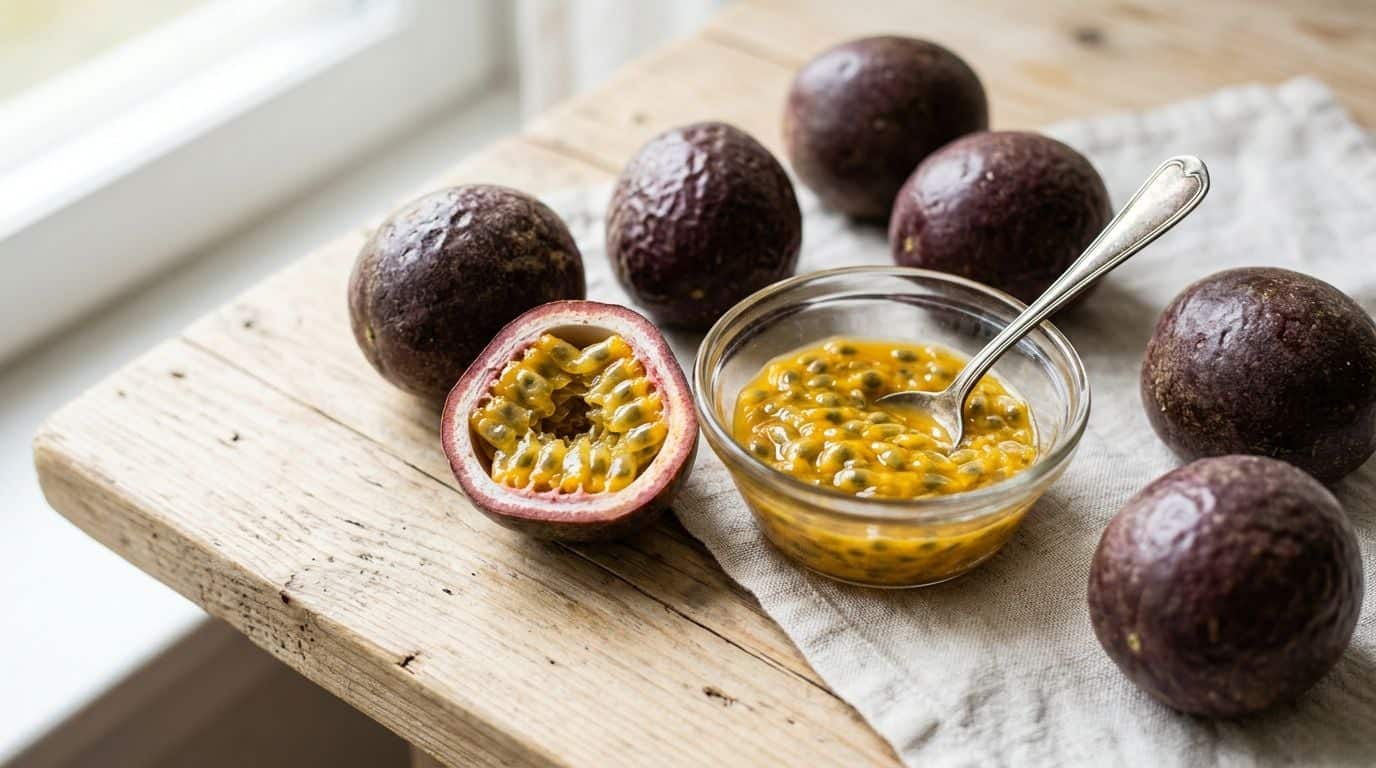
A passion fruit is a round, edible tropical fruit known for its fragrant aroma, jelly-like pulp, and crunchy seeds. Passion fruit can be found year-round in many grocery stores, though its peak season is late summer through early fall. Like other tropical fruits, passion fruits vary in size, skin color, and flavor, ranging from bright yellow to deep purple, with a taste that can be sweet, tart, or a mix of both.
When buying passion fruit at the store, both organic and non-organic options are safe, and there is no difference in the nutrient content between organic and non-organic options.
To pick the best-tasting and ripe passion fruit, don’t focus on color because it isn’t a reliable indicator of ripeness. Instead, look for a fruit that feels heavy for its size and has a slightly wrinkled rind (smooth skin usually means it’s still underripe). A ripe passion fruit will also give gently when squeezed.
Is passion fruit safe to eat while pregnant?
Yes!
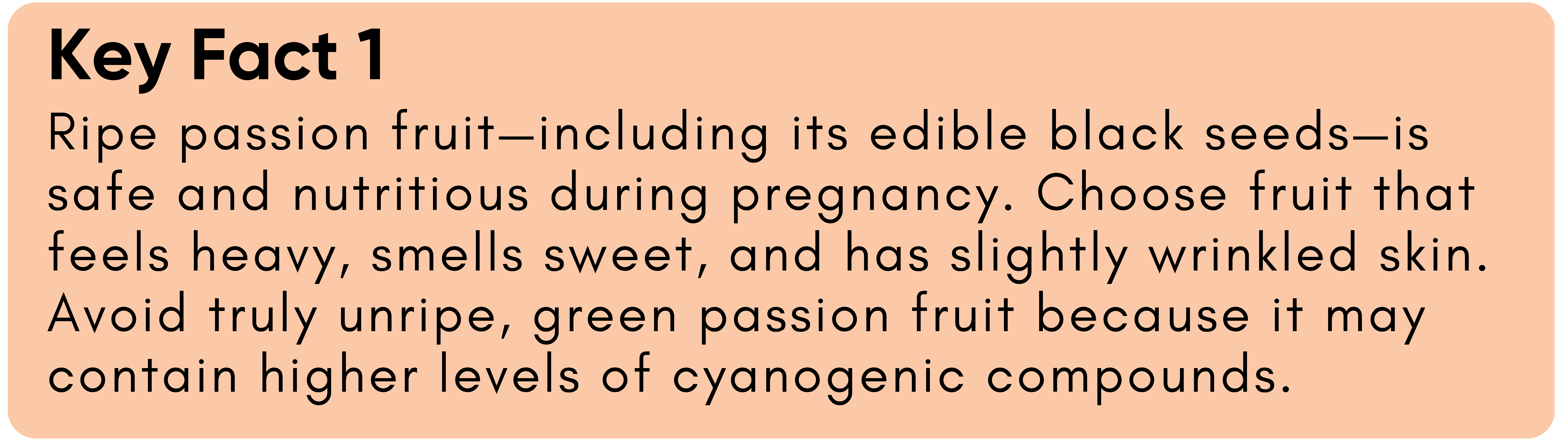
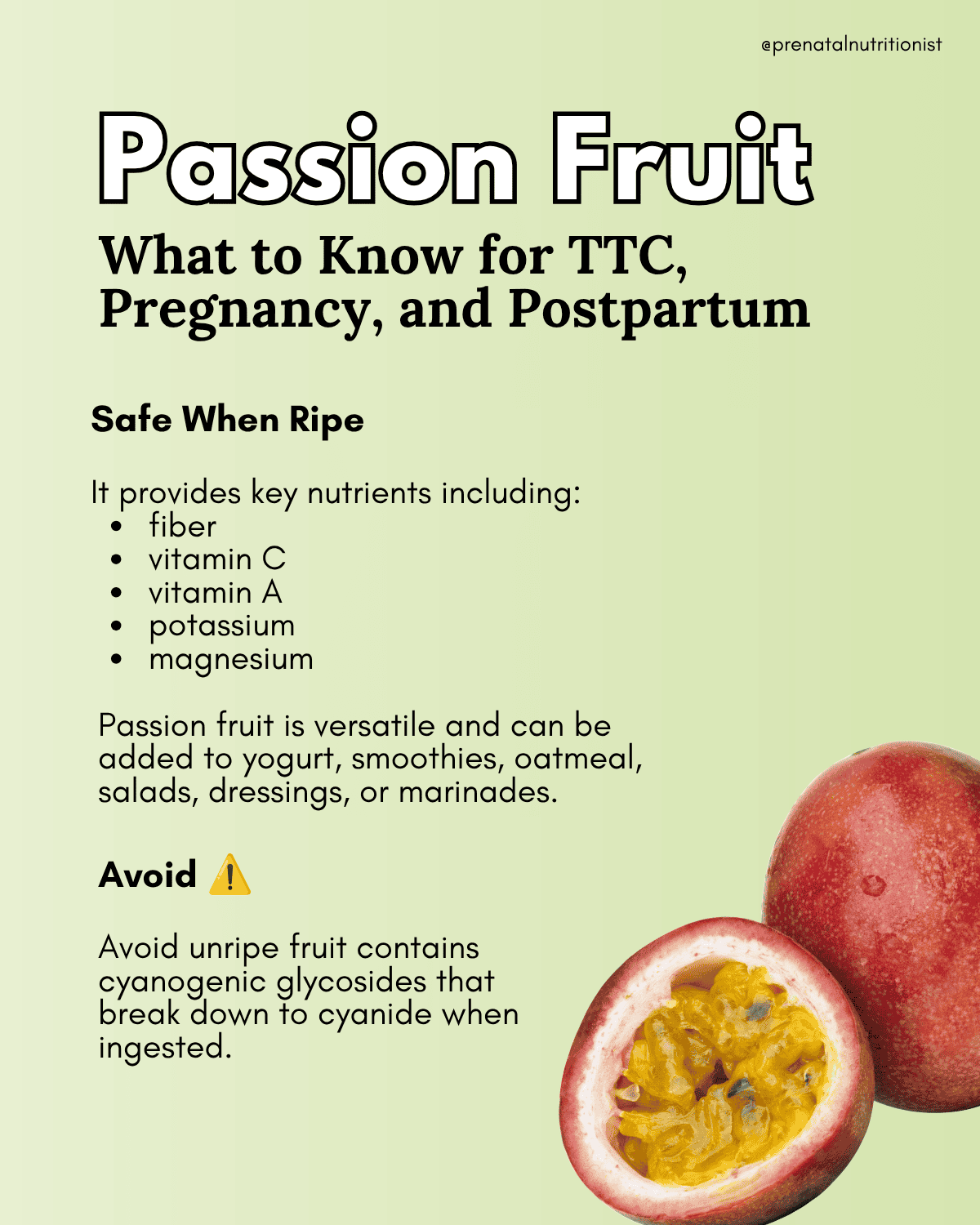
Ripe passion fruit is safe, nutritious, and encouraged during pregnancy. It offers key vitamins and minerals that support maternal health and fetal development. Passion fruit juice is also safe when pasteurized.
Unripe passion fruit should be avoided. Unripe passion fruit contains cyanogenic glycosides, compounds that can release cyanide during digestion (1). According to the World Health Organization, consuming cyanogenic glycosides can lead to increased respiration, a decrease in blood pressure, dizziness, headache, stomach pains, nausea and vomiting, diarrhea, mental confusion, decreased oxygenation, convulsions, and possible coma.
How to spot a ripe passion fruit?
You can tell a passion fruit is ripe by its color, aroma, weight, and texture. But it’s also helpful to know where you’re buying it. Most grocery stores only stock fruit that’s already mature, so you’re unlikely to encounter truly unripe passion fruit unless you’re picking it fresh off a vine or shopping at a farmers market.
- Color: Passion fruit starts green and ripens to either a deep purple or yellow when mature.
- Aroma: A sweet, tropical scent signals peak ripeness.
- Weight: A ripe passion fruit feels heavy for its size because the pulp inside is full and juicy.
- Texture: Slightly shriveled skin means the fruit is mature and sweet.
Can you eat the black seeds?
Yes, you can eat the black seeds in passion fruit. They add crunchy texture and can be eaten straight from the fruit, blended into smoothies, or mixed into yogurt.
Benefits of Passion Fruit
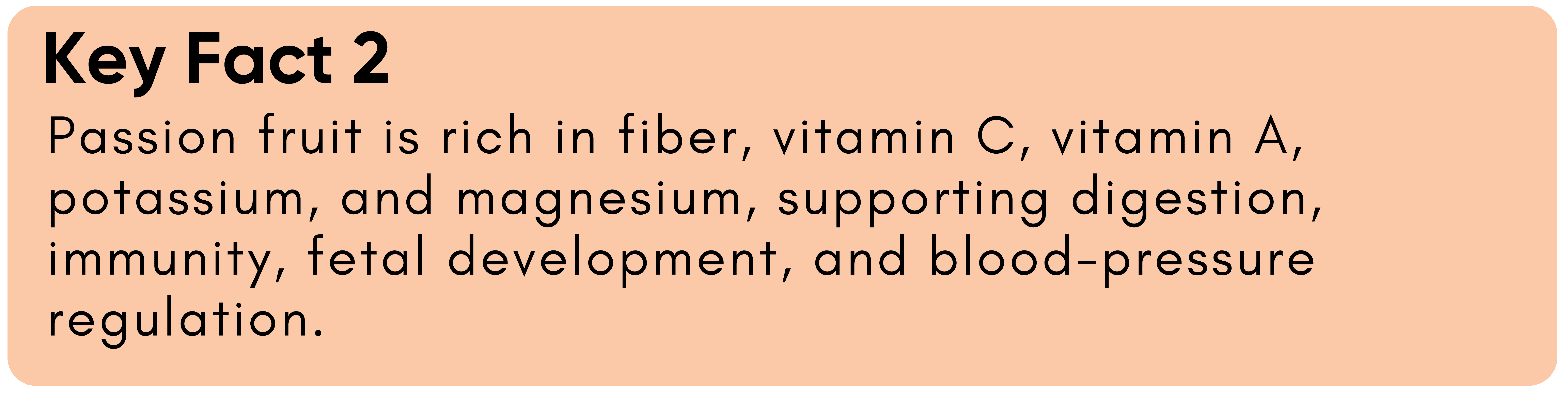
Passion fruit is naturally high in dietary fiber, which supports digestive comfort during pregnancy (2). Increased fiber intake is associated with improved bowel regularity, reduced constipation, and lower risk of glucose intolerance (2).
Passion fruit provides a significant amount of vitamin C, an essential antioxidant that supports immune function and prevents illness during pregnancy (3). Vitamin C also enhances iron absorption (4).
Passion fruit contains vitamin A, which is essential for fetal development, including organ formation and immune maturation (5). Vitamin A also provides antioxidant protection that helps reduce cellular damage (5).
Potassium is an important mineral that helps with fluid balance, hormone production, protein formation, heart function, and more (6). Potassium also plays a role in lowering blood pressure, and adequate intake is linked to a decreased risk of developing preeclampsia (6).
Magnesium is important for many bodily functions during pregnancy, including vitamin D activation, blood sugar regulation, hormone regulation, electrolyte balance, DNA/RNA synthesis, neurotransmitter production, energy production, and more (7)!
Nutrient Breakdown
1 passion fruit contains:
- 17.5 Calories
- 0.396 g Protein
- 0.126 g Fat
- 4.21 g Carb
- 2.02 g Total Sugars
- 1.87 g Fiber
- 5.4 mg Vitamin C
- 11.5 mcg Vitamin A
- 62.6 mg Potassium
- 5.22 mg Magnesium
All nutrient information obtained from the USDA nutrient database.
A Look At Passion Fruit For Pregnancy
Precautions with passion fruit while pregnant
As stated previously, the biggest precaution with passion fruit is avoiding green, unripe varieties. And like all produce, it is important to rinse and scrub the skin of the passion fruit under running water before eating it and dry it off with a single-use paper towel or clean towel (8).
Ideally, for passion fruit juice, choose a pasteurized juice (8). The pasteurization process reduces the chances of harmful bacteria contamination (8).
If you are juicing at home, you will not have access to commercial kitchen equipment to pasteurize your juice. Because of this, it is important to wash all your produce well prior to juicing it and consume it quickly. If you’d like to learn more about juicing, click here to view the note on juicing.
What if I have gestational diabetes?
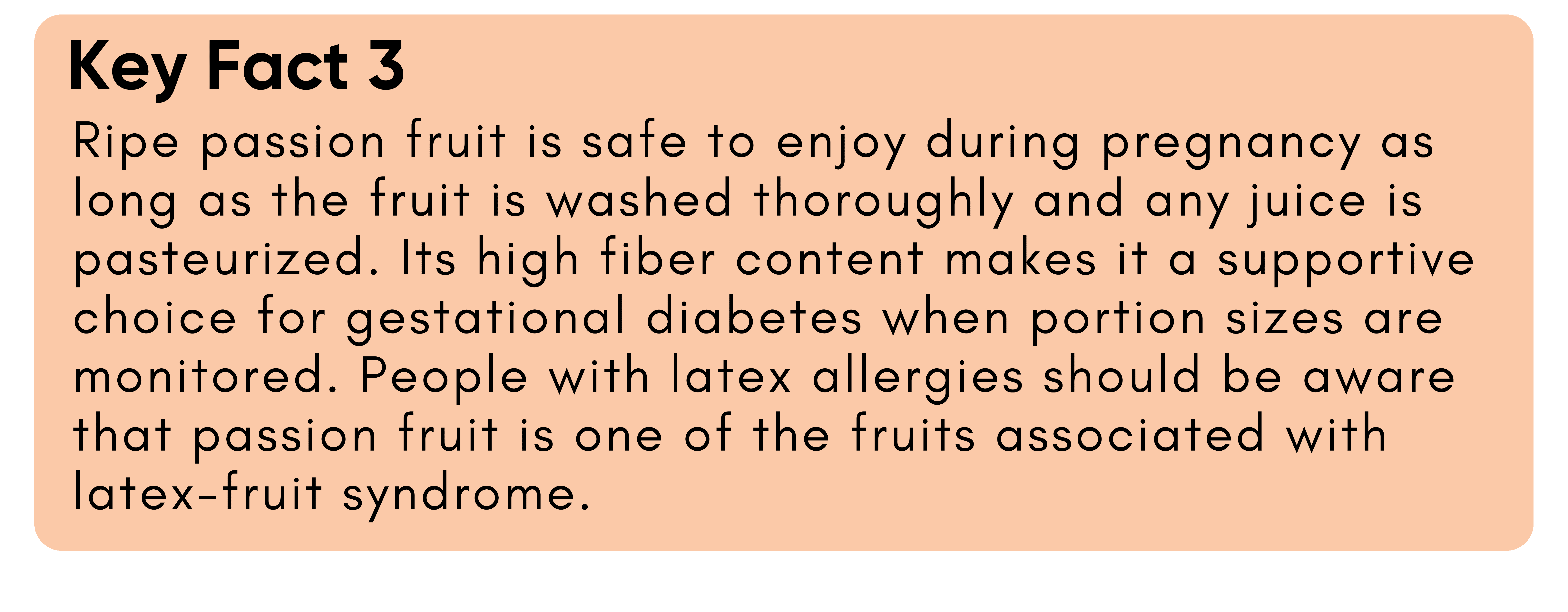
Passion fruit can absolutely fit into a gestational-diabetes-friendly diet, especially because it is naturally high in fiber, which helps slow digestion and supports more stable blood sugar levels (2). One passion fruit contains 4 grams of carbohydrates, 2 grams of natural sugars, and an impressive 2 grams of fiber – meaning nearly half of its total carbohydrate content is fiber (9).
Like all fruits and carbs, passion fruit will affect each person’s blood sugar differently. The best way to know how your body responds is to monitor your glucose one hour after eating it.
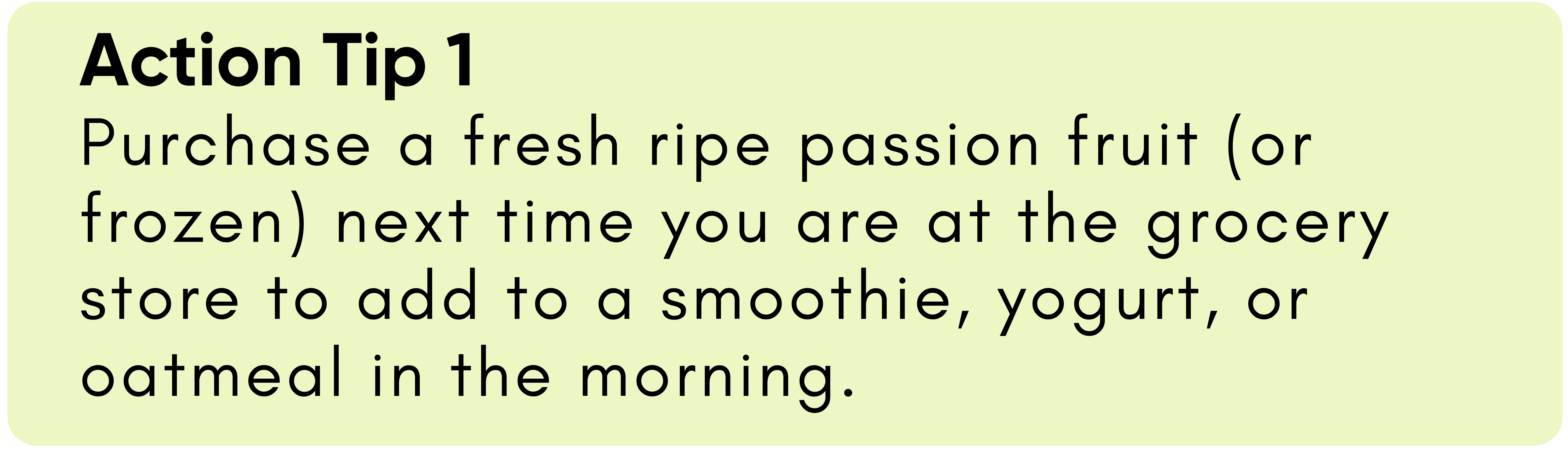
The key is being mindful of serving size and pairing it with protein or fat to blunt any major blood-sugar spikes. Try passion fruit mixed into Greek yogurt, blended into a smoothie with nuts and seeds, or spooned over cottage cheese for a balanced snack that supports steadier glucose levels.

Latex Allergy Alert
Latex-fruit syndrome occurs when the immune system reacts to similar proteins found in both natural rubber latex and certain fruits, and passion fruit is one of the documented cross-reactive foods (10). In latex-allergic individuals, IgE antibodies can mistakenly recognize passion fruit proteins as latex, which may trigger symptoms such as itching, swelling, or digestive discomfort (10).
How do I open and eat a passion fruit?
Passion fruit has a thick, firm rind that protects the jelly-like pulp inside. You don’t peel it; instead, you cut it open and scoop out the edible center. Click here to view a video demonstrating how to open a passion fruit.
How can I include passion fruit in my diet?
Passion fruit is a versatile fruit and can be used in many different ways. It can be fun to switch up your usual fruit routine and try this tropical fruit.
Here are a few ideas:
- Use as a topping for chia pudding
- Add to salads – the pulp works like a dressing; mix with olive oil for a tangy vinaigrette.
- Use in marinades or sauces – Passion fruit’s acidity tenderizes meat and adds brightness to chicken or fish dishes.
Passion Fruit Chicken Marinade
(Makes enough for 2 chicken breasts or 1 pound of chicken)
Ingredients:
- 2 passion fruits
- 1 tbsp olive oil
- 1 clove garlic, minced
- Pinch of salt
- Pinch of black pepper
Directions:
- Combine all ingredients.
- Pour over chicken and marinate for 30 minutes in the refrigerator.

The Bottom Line
- Passion fruit is a safe and nutritious choice during TTC, pregnancy, and postpartum as long as it’s fully ripe, since unripe fruit contains cyanogenic glycosides that break down to cyanide when ingested.
- It provides key nutrients including fiber, vitamin C, vitamin A, potassium, and magnesium.
- If you have gestational diabetes, be mindful of portion size and pair passion fruit with protein or healthy fat for steadier blood sugars.
- Passion fruit is versatile and can be added to yogurt, smoothies, oatmeal, salads, dressings, or marinades.