Stage Category: Postpartum
Glycine

Nutrition After Giving Birth: Where to Start

Nutrition for C-section Recovery

Postpartum Lab Guide

Why is postpartum lab testing important?
After childbirth, the body enters a period of recovery and rebuilding. It’s working to restore blood volume, replenish nutrient stores, recalibrate hormones, and heal tissues from the demands of pregnancy and delivery. These processes require significant metabolic and nutritional resources that continue well beyond the traditional six-week postpartum visit.
The postpartum period deserves the same level of intentional care as pregnancy itself. This is particularly important to note because once the baby arrives, maternal health often receives less ongoing assessment.
Yet postpartum nutrient demands remain high, especially for women who are breastfeeding (1, 2). Maternal nutrient status influences energy production, immune health, thyroid function, metabolic health, mood regulation, and physical recovery (3, 4, 5).
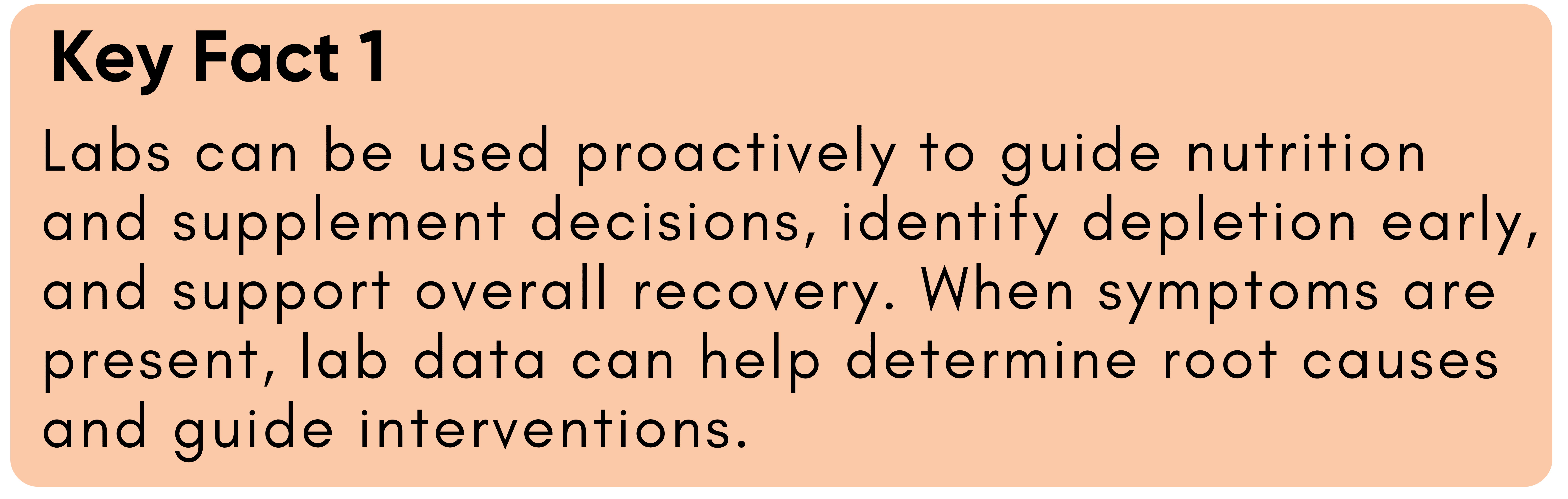
Postpartum lab testing can be used as a proactive and informative tool to assess your health, support recovery, guide nutrition and supplement choices, and identify areas of depletion before symptoms become pronounced.
Lab data allows care to be more targeted and individualized and helps us identify where the body may need additional support.
When symptoms such as persistent fatigue, low mood, anxiety, dizziness, hair loss, palpitations, constipation, or poor physical recovery are present, labs can help determine root causes (6). These symptoms often overlap with sleep deprivation and stress, but they can also reflect iron depletion, thyroid dysfunction, vitamin D insufficiency, vitamin B12 deficiency, or blood sugar dysregulation (7, 8).
When and how often should I get labs done postpartum?
Immediately after birth in the hospital setting, frequent vital sign assessment and a Complete Blood Count (CBC) panel are standard. We recommend an additional comprehensive set of labs around six to twelve weeks postpartum.
By this time, acute delivery-related physiologic shifts have stabilized enough for trends such as anemia, thyroid dysfunction, or nutrient depletion to become apparent.
Earlier testing may be appropriate when symptoms are significant or worsening. Severe fatigue, lightheadedness, rapid heart rate, marked mood changes, or excessive hair shedding warrant evaluation sooner.
Follow-up testing later in the postpartum period (after 3 months) may also be necessary, depending on your initial results.
For example:
- Iron status should be reassessed when deficiency or anemia is found and after a period of supplementation to confirm restoration of iron stores.
- Thyroid function may require repeat evaluation at three to six months postpartum, as postpartum thyroiditis often develops after initial labs appear normal.
- Blood sugar markers should be reassessed after a pregnancy with gestational diabetes and may be informative in women with ongoing fatigue, cravings, or difficulty recovering metabolically (9, 10).
Postpartum recovery is not static. Lab testing can be used both to identify early depletion and to monitor progress as the body continues to heal.
Core postpartum labs and why they matter
Complete Blood Count (CBC)
A CBC evaluates red blood cells, white blood cells, and platelets. It provides foundational information about oxygen-carrying capacity, immune status, and clotting function.
Many hospitals check a CBC shortly after delivery. Values can change significantly in the weeks that follow. A postpartum CBC provides a snapshot of your overall health and can help identify conditions such as anemia that may not have been apparent immediately after birth.
Full iron panel
Iron is essential for hemoglobin production, cellular energy production, thyroid function, and maintaining healthy brain chemistry. Pregnancy places substantial demands on iron stores, and many women enter the postpartum period already partially depleted, even if anemia was not diagnosed during pregnancy.
Ferritin reflects iron storage and often declines before hemoglobin drops. As a result, women may experience symptoms such as fatigue, brain fog , or hair shedding even when a CBC appears normal. Assessing ferritin postpartum allows for early, targeted repletion rather than delayed or excessive supplementation.
Iron deficiency is one of the most common nutrient deficiencies worldwide, and postpartum women are at increased risk due to pregnancy demands and blood loss during delivery (11). A full iron panel provides a clearer picture of iron status and supports appropriate dosing and supplementation duration.
A comprehensive panel typically includes serum iron, ferritin, transferrin saturation, total iron-binding capacity, and transferrin. Learn more here .
Thyroid panel
The thyroid plays a vital role in how the body uses energy, regulates body temperature, and supports overall metabolism and mood. During pregnancy, thyroid hormone needs increase, and after delivery, immune and hormonal shifts can temporarily affect thyroid function.
One condition that can occur postpartum is postpartum thyroiditis, which affects approximately five to ten percent of women (12). It often follows a two-phase pattern. Some women experience a period of higher thyroid activity first, followed by a phase of lower thyroid activity as the body continues to recover.
Because changes in thyroid function can resemble common postpartum experiences, they are often missed without lab testing. Assessing thyroid labs postpartum helps clarify whether thyroid recovery is progressing as expected and whether monitoring or treatment is needed.
Thyroid health also plays a role in milk production and long-term bone and cardiovascular health.
Learn more about a full thyroid panel here .
Vitamin D
Vitamin D supports bone strength, immune health, muscle function, and blood sugar regulation. Needs increase during pregnancy and breastfeeding, and low levels are common in the postpartum period (13). Some studies suggest vitamin D deficiency may be one risk factor for postpartum depression (14).
Checking vitamin D postpartum helps tailor supplementation to your individual needs rather than relying on a standard dose. Adequate levels support physical recovery, immune resilience, and overall well-being.
In breastfeeding women, maternal vitamin D status also influences breast milk vitamin D content.
Vitamin B12 and folate
Vitamin B12 and folate are essential nutrients that support brain and nervous system function, red blood cell production, and overall energy levels. They play a role in how efficiently the body produces energy and supports focus, memory, and mental clarity.
During pregnancy, intake of these nutrients is often supported by prenatal vitamins. After delivery, intake may decline if prenatal vitamins are discontinued or if meals become less consistent during the postpartum period.
Checking vitamin B12 and folate postpartum can help identify whether low levels may be contributing to slower recovery, low energy, brain fog, or changes in red blood cell markers. It can guide more targeted nutrition or supplementation.
Blood sugar markers
Blood sugar balance plays a vital role in steady energy levels, appetite, and long-term metabolic health. Pregnancy places extra demand on the body’s metabolic systems, and the postpartum period is a necessary time to check in on how well the body is recovering and adapting.
Follow-up testing is essential after gestational diabetes and may also be informative in women experiencing persistent fatigue, cravings, or difficulty recovering metabolically.
Fasting glucose and hemoglobin A1c are commonly used screening tools. Identifying early dysregulation allows for timely dietary and lifestyle support rather than delayed intervention.


Additional markers to consider
In some cases, core postpartum labs do not fully explain ongoing concerns.
When recovery feels incomplete despite addressing foundational labs, additional markers can provide helpful context. These tests are not necessary for everyone and are best used selectively based on symptoms and individual history.
Zinc and copper
Zinc and copper are essential trace minerals that support immune health, tissue repair, hormone balance, and nervous system function. During pregnancy, the balance between these minerals shifts. Copper levels naturally rise, while zinc needs increase.
After delivery, copper levels typically begin to normalize. In some women, copper remains elevated relative to zinc, which could influence recovery, immune health, and mood (15, 16, 17). Looking at zinc and copper together provides more helpful insight than assessing either mineral on its own.
C-reactive protein (CRP)
CRP is a marker of systemic inflammation. Inflammation increases during pregnancy and delivery and typically declines during postpartum recovery.
Persistently elevated CRP beyond the early postpartum period could suggest ongoing inflammatory stress or delayed recovery. While CRP does not identify a specific cause, it can help explain generalized symptoms and guide further evaluation.
Comprehensive metabolic panel (CMP)
A CMP evaluates liver enzymes, kidney function, electrolytes, and provides limited insight into protein status. This panel provides a broad overview of metabolic and organ health.
It can be particularly informative for women who have experienced pregnancy complications such as preeclampsia, HELLP syndrome, significant blood loss, or who are taking medications that affect liver or kidney function.
Advanced or specialized testing
Some postpartum women wish to explore advanced testing to optimize recovery and replenishment further, or they continue to experience symptoms despite addressing common deficiencies.
In these situations, additional testing may be used to provide further context. These tests are optional, highly individualized, and should be interpreted by practitioners trained in their use.
Hair Tissue Mineral Analysis (HTMA)
Minerals play central roles in energy production, stress response, and nervous system regulation. HTMA reflects longer-term mineral patterns rather than day-to-day blood levels. They offer insight into tissue-level mineral balance and relationships between minerals such as magnesium, calcium, zinc, and copper.
Learn more about HTMA testing during preconception, pregnancy, and postpartum here.
Stress hormone pattern testing
Sleep disruption and chronic stress are common postpartum and can alter cortisol rhythms that support energy, immune function, and blood sugar balance.
Salivary or urinary cortisol testing evaluates cortisol patterns throughout the day and may help explain persistent exhaustion or reduced stress tolerance.
One commonly used option is the DUTCH test, which evaluates daily cortisol patterns along with sex hormone production and metabolism.
Hormone testing beyond the thyroid
Estrogen and progesterone shift dramatically after delivery. While these changes are expected, some women experience ongoing cycle irregularity or significant symptoms once their cycles return.
Specialized hormone testing is generally more informative later in the postpartum period once menstrual cycles have resumed.
Gut and digestive testing
Pregnancy, delivery, antibiotic exposure, and stress can all affect digestion and the gut microbiome.
Stool-based testing may be considered when postpartum symptoms include persistent bloating, constipation, diarrhea, food reactions, or unexplained immune or skin concerns.
Learn more about GI Map testing here.
The Bottom Line
- During the postpartum period, the body works to rebuild nutrient stores, heal, and rebalance hormones. Lab testing helps assess how the body is recovering during this phase.
- Labs can be used proactively to guide nutrition and supplement decisions, identify depletion early, and support overall recovery, rather than relying solely on generalized postpartum recommendations.
- A CBC, iron panel, thyroid panel, vitamin D, vitamin B12 and folate, and blood sugar markers can help you understand how well your body is recovering, where you may need additional support, and how to support your energy and overall health postpartum best.
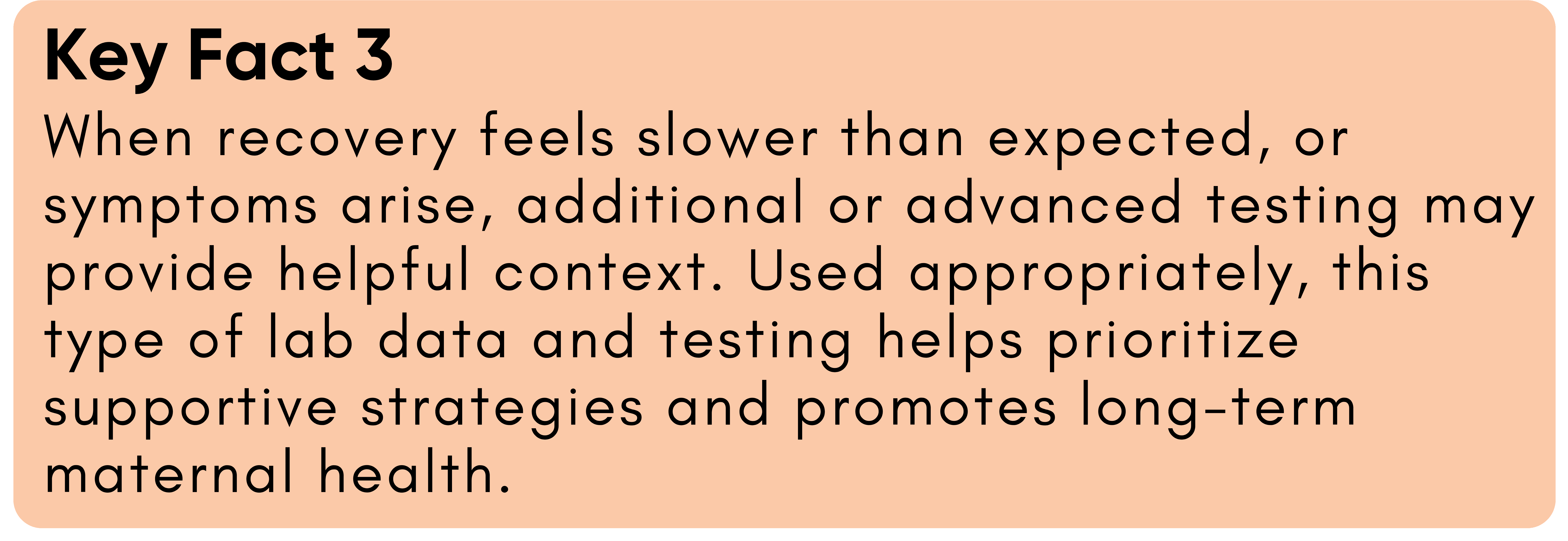
- When recovery feels slower than expected, or symptoms arise, additional or advanced testing may provide helpful context. Used appropriately, this type of lab data and testing helps prioritize supportive strategies and promotes long-term maternal health.
Written by: Jorden Edinger, MS, RDN
Reviewed by: Ryann Kipping, MPH, RDN, LDN
Postpartum Nutrition Foundations: Start Here