

Notes By Stage : Gestational Diabetes
Apple Cider Vinegar

Artificial Sweeteners
Blood Sugar Balance

Blood Sugar Tests

Carbs
Chia Seeds
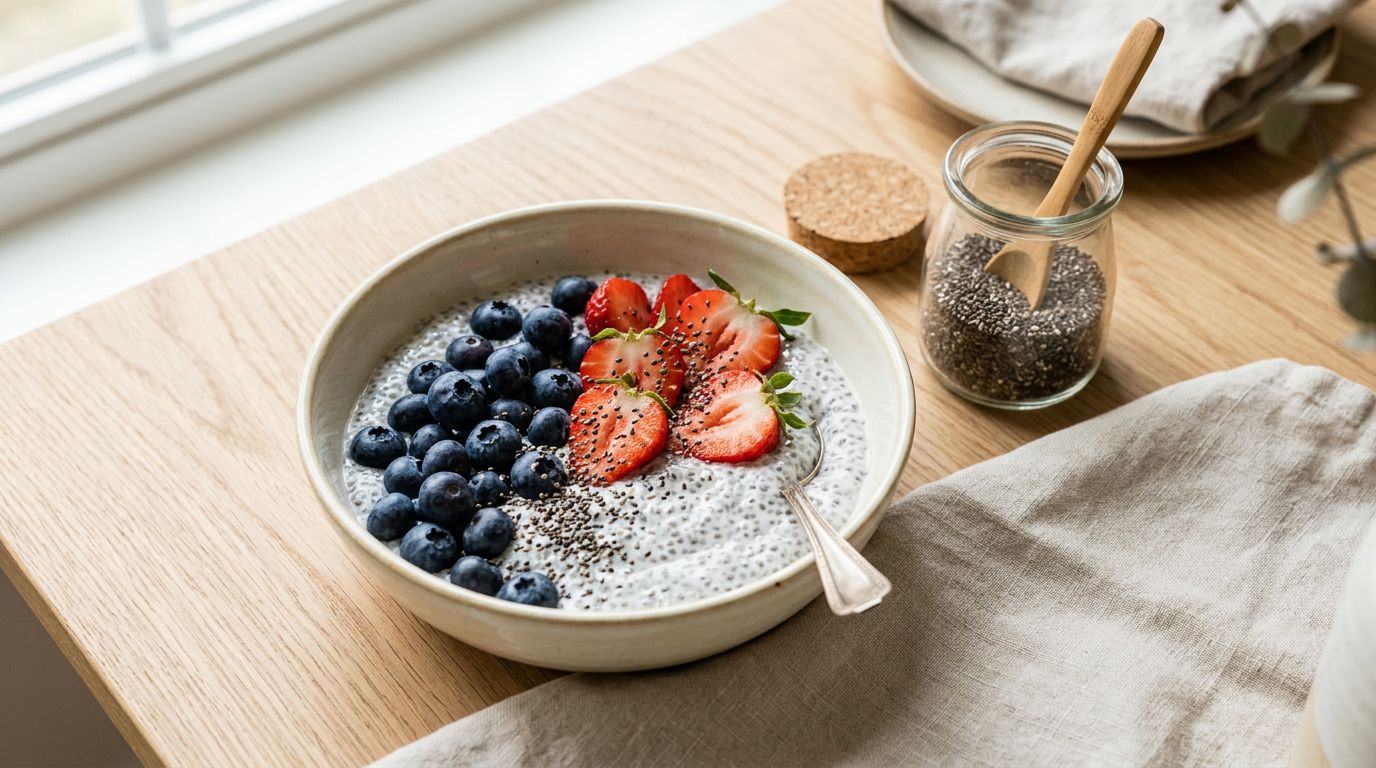
Have you been wondering if eating chia seeds while pregnant is beneficial to you and your baby?
Chia seeds come from a desert plant, from the mint family, called Salvia hispanica. You may know them for their dark, black color, and all of the fun recipes that chia can be incorporated into (chia pudding, anyone?).
While pregnant, you’re doing everything you can to make the healthiest choices possible for you and your growing baby. Let’s sort out the facts about chia seeds and pregnancy!
Are chia seeds safe during pregnancy?
Chia seeds are safe to eat during pregnancy and, like many other whole grains and seeds, contain numerous beneficial nutrients for pregnancy, which will be discussed more below.
What food group are chia seeds in?
Chia seeds are unprocessed, whole grains, and are the seed of the flowering plant Salvia hispanica grown in several Latin American countries, as well as Australia. Legend has it that ancient warriors attributed their strength and stamina to this tiny seed (1).
Chia seeds are either white or black in color, but you may be used to seeing the dark chia seeds in your local grocery store. There is no nutritional difference depending on the color of the chia seed, unless it is brown, which means it is not ripe.
They are 9% water, 46% carbohydrate (mostly fiber), 34% fat, and 19% protein (2).
These little seeds pack a plentiful nutrition punch. They are considered to be a complete protein source, which means chia seeds contain all nine essential amino acids (3).
Amino acids are the building blocks for protein, and essential amino acids are so important to obtain from your diet because your body cannot make them.
Protein is important during pregnancy as it helps your baby grow (4). Protein needs vary person to person and your needs continue to increase as you move throughout pregnancy (5).
A woman who weighs around 150 pounds, needs close to 80 grams of protein per day in early pregnancy.
Nutrient breakdown
1 Tablespoon (13 grams) Chia Seeds
Energy: 60 calories
Carbohydrates: 5 g
Fat: 4 g
Protein: 2 g
Fiber: 4 g
Calcium: 80 mg
Iron: 1.08 mg
Cholesterol: 0 g
All values provided by the USDA nutrient database
Benefits of chia seeds during pregnancy
Omega-3 fatty acids
Chia seeds are an excellent source of omega-3 fatty acids, containing 7 grams per 1 tablespoon.
Most of the omega-3 fatty acids in chia seeds are ALA (alpha-linolenic acid), which exerts antioxidant and anti-inflammatory effects (6).
ALA is a type of omega-3 fatty acid, just like DHA, however, they are not equivalent in function.
DHA is a crucial nutrient in the development of your baby’s brain and has been studied quite a bit in relation to cognition after birth (7).
ALA is converted to DHA but at a very poor rate. Therefore, you still need to get DHA in your diet from sources that contain DHA directly, like fish (8).
Most experts agree DHA is the most important omega-3 and we know this is true during pregnancy. But, not to worry, chia seeds have other benefits besides containing high amounts of ALA.
Fiber
Chia seeds contain a unique blend of soluble and insoluble fiber, so they can be beneficial in alleviating pesky gastrointestinal (GI) issues, like constipation.
The high fiber content coupled with protein may even help reduce your risk of developing gestational diabetes (9). With guidance from your dietitian or doctor, chia seeds may also make a great diet addition if you have been diagnosed with gestational diabetes (2).
One study suggests chia seeds can help mitigate the adverse effects a high sugar diet has on our health from during pregnancy to adulthood (10).
Mineral content
Lastly, chia seeds are high in a variety of minerals important for pregnancy such as iron, calcium, magnesium, zinc, and phosphorus.
They also provide a wide variety of antioxidants (2).
Interestingly, chia flour has been shown to increase hemoglobin concentrations in animals (11). Swapping wheat flour for chia flour also increases the fiber content of the product (12).
If you are looking to get creative in the kitchen while also increasing your iron levels, this may be your new favorite ingredient!
Are there risks to eating chia seeds during pregnancy?
Chia seeds are a low-risk food to consume in and outside of pregnancy, but there is one important note to mention.
Some people report GI discomfort when overindulging in chia seeds such as constipation, diarrhea, or general discomfort like bloating. If you do notice any of these symptoms, you can try soaking them prior to consuming them.
Before adding more chia seeds to your diet, consult with your registered dietitian or doctor, especially if you are on any medication.
Next, we will discuss the appropriate portion sizes.
How many should I eat?
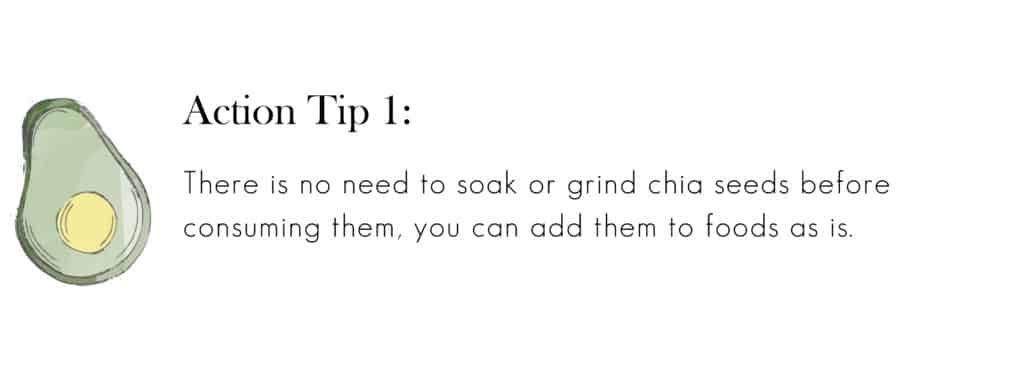
Adding 1-2 tablespoons of chia seeds to your diet is a good start. It’s important to increase your water intake due to the fiber content discussed above, however, you do not need to soak them in water or ground them before consuming unless you have a GI condition that warrants this.
If you enjoy chia seeds and tolerate them well, you can add more than the initial 1 tablespoon to your diet a day, but like anything else, moderation is key.
Research shows that eating high amounts of ALA has no adverse effects on pregnant women consuming up to 600 mg of ALA per day (13).
Although keep in mind what we discussed above, you should not be relying on chia seeds for your daily dose of omega-3’s.
How to include chia seeds in your prenatal diet
Chia seeds can virtually be thrown on any food or dish. Even the more involved recipes that use chia seeds are easy and fun to make.
Here are several ways to include chia seeds in your diet:
- Use as a yogurt topping
- Add to smoothies
- Add to oatmeal
- Make chia pudding
- Add to overnight oats
- Add to avocado toast
- Swap regular flour for chia flour
- Have you heard of chia water?
Mix ¼ cup of chia seeds in 4 cups of water. Let it sit for 20-30 minutes, then enjoy. Additionally, you can add some chopped fruit to give it a flavorful addition.
The Bottom Line
- While there isn’t a lot of research on chia seeds while pregnant, the general consensus is that consuming chia seeds during pregnancy is safe, and even beneficial to a growing baby.
- Chia seeds do contain omega-3’s but even better is their high fiber and mineral content.
- Adding them to your diet may even help balance your blood sugars and decrease your chance of developing gestational diabetes.
- If you want to start adding them to your prenatal diet, there are many recipes you can try such as chia pudding or simply adding them to your smoothie.
- It may take some time to get used to the flavor and texture of chia seeds, but it’s well worth it for all of the powerful benefits these tiny seeds provide.
By Alexa D’ Orazio, MS, RDN and Ryann Kipping, MPH, RDN, CLEC | Owner & Founder
Choline
Chromium

Cinnamon

Eating Out Guide
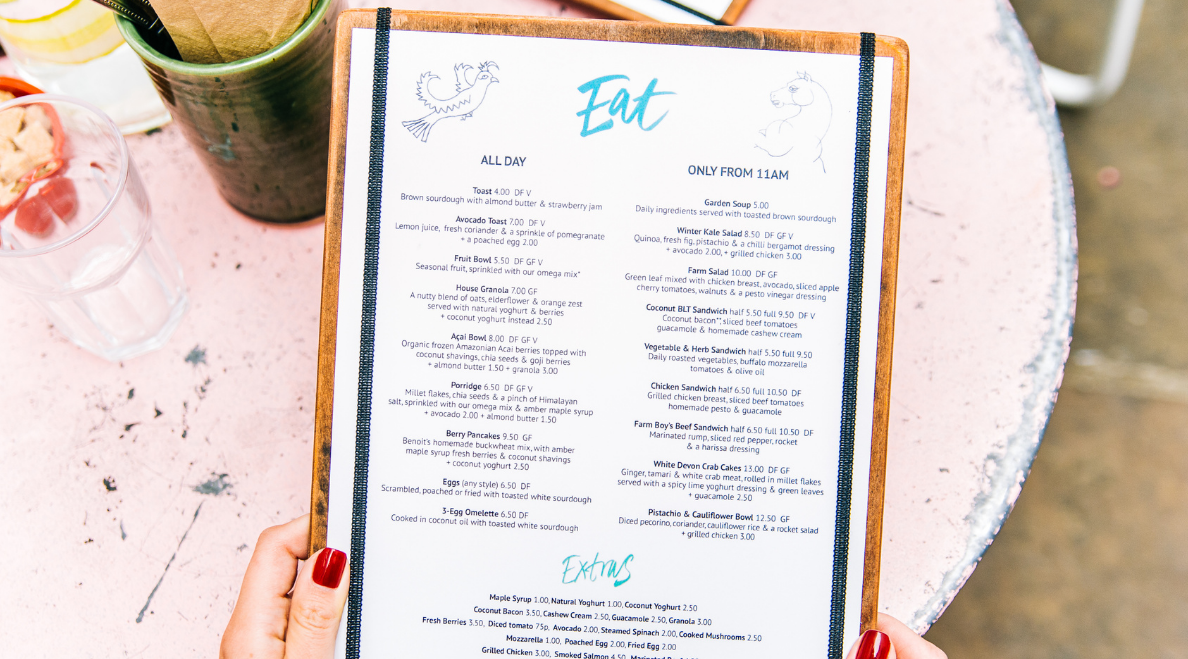
Why does this eating-out guide even exist? Shouldn’t we be eating all our meals from home?!
Yes, of course, it is best to cook and eat your meals at home most of the time; however, it is unrealistic to think you will do this for a year or even 9 months. Most of us live very busy lives, and sometimes picking up some food to go is absolutely necessary. It is okay!
Similar to when not pregnant, these are foods we can enjoy when trying to conceive or pregnant, in moderation.
While the options listed below are “better” choices, you should also know that ordering a menu item that you are craving is 100% okay, too. In addition, many restaurants are available, especially if you live in a bigger city or city suburb, some of which have many ‘healthier’ options.
For example, we can all agree choosing a side salad is more nutritious than choosing a side of fries, but if you KNOW the side salad is not going to satisfy you, you will likely be eating off of someone else’s plate or just be ordering those fries tomorrow then most likely, you should order the fries, enjoy them and move on.
If you are still hanging on to that “all or nothing” thinking, it is time to get rid of that ASAP. If you ate a less nutritious meal for lunch, you could start by eating something more nutritious for your next meal, and your whole day is not wasted.
Eating out and food safety
First, let’s remember, from a food safety perspective, no one food is guaranteed 100% safe or unsafe. In 2018, the CDC reported a food-borne illness outbreak from a box of Kellogg’s Honey Smacks cereal… who would have thought that would ever happen?!
The same foods that are more likely to cause food-borne illness during pregnancy are more likely to cause food-borne illness outside of pregnancy; however, our immune systems are typically in better shape when not pregnant, so the risk is lower.
The risk is typically lower if you cook your own food because YOU control storing it and cooking it. So, granted you practice safe food storage and cooking methods at home, your risk is lower. However, the risk is likely similar to raw foods like salad.
How do I know if there has been a food-borne illness outbreak?
According to the CDC, 98% of foodborne illness outbreaks are linked to only one state. It is only two cases for it to be considered a “food-borne illness outbreak.” So, even if the news alerts you of a foodborne illness outbreak, it is worth doing a bit more research to figure out, one, what state it is in, and two, how many people were affected.
It can be tough to know about a foodborne illness outbreak until it has already been controlled. This is because it is a decently long process from detecting it to identifying how many cases to figuring out the cause to finally controlling it and getting the information out to the public.
As we discussed above, only 2% of cases are multistate outbreaks, but you can view the CDC’s multistate outbreak list here. You can view the CDC’s annual summaries of foodborne outbreaks here.
Via the FDA, “Public health advisories are issued for outbreak investigations that have resulted in specific, actionable steps for consumers to take to protect themselves.” You can get on their email list here to receive food-borne illness outbreak updates.
General food safety tips when eating out
- Check the restaurant inspection score here.
- Order food that is either fully cooked or fully cooled. Don’t order anything that is room temperature or has been left at room temperature, i.e. it is best practice to avoid buffets.
- Talk to your server, the chef, or a manager. Ask if pasteurized eggs are used in items such as Caesar salad dressing (most do!).
- Put your leftovers in the refrigerator less than 2 hours after leaving the restaurant and throw them out after 2-3 days.
- Go to restaurants you know and trust. It may sound a bit silly, but your intuition is better than you think, so listen to it!
You can find more food safety tips here and in our food safety ‘quick guide.’
 General food ordering tips when eating out
- Prioritize finding a source of protein and veggies (aim for at least 2 cups of veggies). You are not limited to 1 protein source (order/add more for hunger), but one is the minimum! Depending on the meal, this could be eggs, meat, and/or seafood, with add-ons such as cheese.
- Modify existing menu options to fit your needs: don’t be afraid to ask for modifications, such as leaving out a meal component or asking for a replacement with another food, i.e. asking for a side of veggies or a side salad instead of fries. If you see a sandwich that looks delicious, but you feel you could be satisfied with just the inside of it (i.e. meat, cheese, and veggies), you can order it as an open-face sandwich or order just a bunless cheeseburger with toppings or remove it yourself.
- Lettuce wraps are often also an option for burgers and sandwiches at many fast food and chain restaurants now-it never hurts to ask if you aren’t sure! It may still be an option, even if it is not listed on the menu.
- Mix and match: Don’t see any entrees you love? Order a few satisfying sides or appetizers to make a meal instead! Most restaurants have sides that include veggies (plain or in creative ways that you may not have at home) or appetizers with protein that can be added to another side or two for a complete meal.
- Gestational Diabetes: All of the tips here also apply to you if you have been diagnosed with GD. It is likely you will have to be a bit more cautious in choosing options that are lower in carbs, i.e. getting your burger lettuce-wrapped, eating an open-faced sandwich, or choosing an egg scramble instead of pancakes. That said, with a few tweaks (increased protein and lowering carbs for the rest of your day), you can still enjoy your favorite restaurants!
Looking to effectively manage GD and deliver a healthy baby without giving up your favorite foods?? Check out The Feel Good Gestational Diabetes Program! Annual members, click here to get started and monthly members, click here to get access. This self-paced course includes 5 learning modules and a 4-week meal plan, so you know exactly what to eat to lower your blood sugars.
Also, check out the note on GD management here.
 Restaurant menu recommendations

CHICK FIL A
Breakfast:
- Hash brown scramble bowl
- Bacon, egg, and cheese muffin
- Greek yogurt parfait
Entrees:
- Grilled chicken sandwich or club
- Grilled nuggets
- Lemon Kale Caesar Salad
- Spicy Southwest Salad
- Chicken salad
Sides:
- Kale crunch side
- Side salad
- Fruit
- Chicken noodle soup
Don’t want the grilled option? Pair the fried option with a salad instead of fries, or eat the sandwich without the bread.

CHIPOTLE
The safest option is to skip the romaine lettuce, as romaine lettuce causes a food-borne illness outbreak every year, sometimes many times a year.
In 2015, there was an E. Coli outbreak linked to multiple Chipotles. However, they couldn’t determine which exact food caused the outbreak. The larger outbreak occurred in 11 states and affected 55 people, 21 of which were hospitalized. There was also a second smaller outbreak. You can read more about it here.
Most people quickly forgave Chipotle (or never even heard of this instance) and continue to frequent it, as no other outbreaks have been reported since 2015!
So, what should I order??
Order a bowl with:
- A protein (steak or barbacoa if you run low on iron!)
- Fresh super greens lettuce blend (romaine, baby kale, and baby spinach)
- Brown rice or beans if you would like a carb
- Cauliflower rice (if available at your location)
- Fajita veggies (you can ask for extra at no extra charge!)
- Shredded Cheese
- Sour cream if desired
- Salsa
- Add guac (extra charge) for a satiating yummy fat if desired

DUNKIN’
Coffee & tea:
(ask for your “fancier” drink half-sweet or without syrup to lower the amount of sugar, you can also ask for decaf on any drink!)
- Small iced coffee – 198 mg caffeine (ask for half-caf!)
- Small cold brew – 175 mg caffeine (you’ve reached your caffeine limit!)
- Small latte (hot or iced) – 118 mg caffeine (opt for whole milk for extra protein and nutrients)
- Small cappuccino (hot or iced) – 118 mg caffeine
- 1 espresso shot – 118 mg caffeine (any drink with 1 shot will contain this amount of caffeine; ideally, this would be your limit for the day!)
- Large iced tea – 84 mg caffeine
- Bold breakfast black tea hot – 90 mg caffeine (they also have a decaf option of this tea)
- Harmony Leaf Green tea – 70 mg caffeine
- Cool mint herbal infusion tea – caffeine-free (limit to 1 cup a day or less)
Food:
- Ham, egg, and cheese English muffin (yes, it is deli meat; however, the risk is minimal since it is a heated sandwich, but you can also order it without the ham!)
- Sourdough breakfast sandwich or wrap (remove the bread to reduce the carbs or make it GDM friendly)
- Snackin’ bacon

MCDONALDS
Breakfast:
- Any egg and cheese sandwich, with sausage and bacon if desired (enjoy open-faced or sans bread for a more blood sugar-friendly breakfast)
Lunch/dinner:
- Any hamburger, cheeseburger, or double cheeseburger with toppings of choice, ideally without the bun, since a cheeseburger and toppings can be quite satisfying as is!
- Any chicken sandwich, ideally without the bun
- Grilled chicken salad, with bacon if desired (order dressing on the side so you can add the amount you prefer)
Sides: Cucumber sticks, side salad, mozzarella dippers (try these instead of fries for some extra protein)
Dessert: vanilla cone, or a hot fudge sundae, small Mcflurry, or shake to share with someone
Drinks: Small regular or decaf americano or premium-roast coffee

WENDY’S
Breakfast:
- Any meat, cheese, and egg sandwich– try open-faced, as the rest of the sandwich will likely still be satisfying!
Lunch/dinner:
- Any hamburger or cheeseburger with toppings of choice. If very hungry, order a double cheeseburger and leave out the bun/swap for lettuce wrap*
- Salads: Summer strawberry salad, parmesan caesar salad, southwest avocado salad, apple pecan salad
- Sides: Chili (great for a snack or with a salad for a more filling meal), apple bites
Drinks:
- small fresh brewed hot or iced coffee, regular or decaf
→Tip: ask for any sandwich or burger at Wendy’s as a lettuce wrap instead of a bun!

IHOP/DENNY’S/WAFFLE HOUSE
Breakfast:
- Any omelet (either listed on the menu or “build your own” with cheese, sauteed mushrooms, peppers & onions, fresh or roasted tomatoes, and spinach)
- Any burrito bowl
- Share pancakes or waffles with an omelet or get an omelet and swap your toast/hashbrowns for one pancake or waffle
Lunch/dinner:
- Chicken & veggie salad
- Sirloin steak tips medium well or well done (order with broccoli and corn or rice medley and side salad)
- Grilled tilapia (order with broccoli and corn or rice medley and side salad)
- All natural roasted turkey (order with broccoli and corn or rice medley and side salad)
- Burger: order without the bun if opting to have with fries or if the burger will satisfy you, and a side salad or fresh fruit
- Sandwiches: Order open-faced (or without any bread): pepper jack patty melt, ham & egg melt, Philly cheese steak stacker, Cali roasted turkey melt
- Sides: hickory smoked bacon, pork sausage links, turkey bacon, a slice of ham, turkey sausage, fresh fruit

PANERA BREAD
Breakfast:
- Any egg, cheese, and meat sandwich and/or wrap-order sandwich open faced if desired
- Spinach and bacon souffle, four cheese souffle, spinach and artichoke souffle
Lunch/dinner:
- Salad: any salad with chicken, ask for dressing on the side
- Bowls: Teriyaki chicken, Baja bowl with chicken, Mediterranean bowl with chicken
- Sandwiches: Toasted frontega chicken, chipotle chicken avocado melt, roasted turkey avocado BLT, toasted steak and white cheddar, bacon turkey bravo sandwich, smokehouse bbq chicken, tuna salad, napa almond chicken, deli turkey (order open-faced if that will satisfy you)
- Soup: Broccoli cheddar, creamy tomato, Thai chicken, chicken noodle
Drinks:
- Colombian dark roast coffee
- cafe blend light roast coffee
- decaf coffee
- hot tea
- cold brew

SUBWAY
- Any “no bready bowl”
- Veggie Delite salad with an added protein (order with any meat and cheese for protein)
- A 6-inch sandwich (make it open-faced if you want) with any meat/tuna and cheese, and as many veggies as you want
- Breakfast: any egg and cheese wrap with meat, if desired
Note: Did you know you can order all the veggie toppings and even ask for extra of certain toppings as desired, at no extra charge? Only double meat, cheese, or guac costs extra! Take advantage and load up on all the veggies! If you know you won’t be eating again for a while, get double meat!

STARBUCKS
See the Starbucks note for more on drinks and caffeine content, and order decaf if you enjoy coffee without caffeine!
Drinks:
- Short or tall Americano
- Short or tall iced Americano
- Short or tall matcha tea latte
- Tall iced matcha tea latte
Food:
- Any egg + meat breakfast sandwich, with bread, half the bread, or no bread (some menu options with eggs will only have egg whites: make sure you get whole eggs for choline and other fat-soluble vitamins!)
- Kale & mushroom egg bites
- Bacon & Gruyere egg bites
- Any protein box (great for a snack or meal!)
- Squirrel brand classic almonds
- Lunch sandwiches: Chicken and bacon on brioche sandwich, turkey, provolone, & pesto on ciabatta, ham & swiss on baguette (order with half or no bread if you enjoy and can be satisfied without both pieces of sandwich bread)
- Avocado spread with anything
- Justin’s dark chocolate peanut butter cups
- Salted almond chocolate bites
ITALIAN (Americanized version)
Pizza: Order a slice with a side salad + protein in the salad if available (cheese, meatballs, etc.)
 Pasta:
- Pasta dishes often have big serving sizes; try sharing one or putting half in a to-go box as soon as it comes outs.
- Choose zucchini noodles (“zoodles”), if available (such as at Olive Garden or Noodles and Company), and order with cheese and meatballs for protein
Combine sides: order meatballs with veggies and/or soup, or a fun appetizer that appeals to you
Many Italian restaurants also offer salad add-ins like chicken, shrimp, and salmon
CHINESE (Americanized version)
Entree:
Order a protein (meat or cooked seafood), grilled or sauteed. Chicken, shrimp, and beef with veggies such as broccoli, string beans, or mixed sauced or steamed veggies
- Beef and broccoli
- Chicken and broccoli
- Mongolian beef
- Kung Pao Shrimp (grilled) with veggies
- Chicken, beef, or pork lettuce wraps
Sides: any sauteed veggies, miso soup, wonton soup, egg drop soup
Skip the rice if you can do without, and opt for grilled or sauteed proteins and veggies over those that are breaded or fried since these include additional refined carbs.
If you’ve heard you should avoid Americanized Chinese food because of MSG, learn more here.
MEXICAN (Variety)
- Opt for a burrito bowl instead of a burrito or tacos (most restaurants do offer bowl options now, but if not an option, you can order a large burrito and open it up to enjoy all the yummy fillings inside).
- Choose a protein (or a few) and load up on all the veggies, such as greens and fajita veggies with salsa. Add cheese, sour cream, and guac as desired. Skip the rice if you can do without, or opt for corn, beans, or brown rice
- Order fajitas and use one tortilla but put double the amount of meat in it with other desired toppings
- Pollo/carne asada
- Sides/apps: guacamole and/or salsa (ask for veggies to dip with it, if available), side salad, soup (often with chicken which is great for a full entree as well)
THAI (Americanized version)
- Lettuce-wrapped spring rolls
- Pork, chicken, or beef skewers
- Beef or pork + stir fry or steamed veggies
- Any meat + veggie bowl (ask for rice to be omitted, if you don’t mind it without)
- Any salad + a protein (such as shrimp, chicken, or beef)
- Share a noodle dish and get extra veggies on the side
- You can also usually order a side of veggies with a protein, such as shrimp
FRENCH (Americanized version)
- Duck confit
- Steak (medium well or well done)
- Beef Bourguignon/beef stew
- Salad with a protein (seafood/meat)
- Veal
- Trout amandine (trout with toasted almonds)
- Scallops
- Sides/apps: Soft cheeses, charcuterie, escargot, veggies (often haricot verts/green beans, asparagus, sauteed spinach), foie gras (luxury liver– an incredible pregnancy “superfood”!)
- Soup: French onion, tomato, seafood bisque
STEAK HOUSE
- Steak: medium or well-done is the most ideal
- Surf and turf
- Grilled salmon, chicken, steak, or shrimp salad
- Sides: any veggie sides available, such as creamed spinach, green beans, Brussels sprouts, or mixed veggies
Note: a specific doneness level (medium-rare, medium, etc.) does not correlate to a temperature; for example, ‘medium’ does not necessarily mean 165 F
PUB/BAR FOOD
- Hummus plate + veggies (you can also request veggies to dip even if not listed on the menu, often available)
- Wings with carrots/celery
- Burger sans bun with toppings of choice
- Club/sandwich open-faced or sans bread
- Chili
- Salmon/shrimp
- Mozzarella sticks (add a non-fried/breaded protein or order with a side of veggies/side salad or soup with veggies and protein if hungrier)
- Salad + protein of choice (chicken, steak, salmon, shrimp, etc)
- Meat kebab
BRUNCH
- Any omelet/egg scramble with whole eggs (not egg beaters or egg whites) with all the veggies you would like, and any protein add-ins such as cheese and bacon
- Avocado and egg toast (or plain avocado toast with a side of bacon, sausage, or ham)
- Fried/poached eggs with veggies and meat
- Steak or smoked salmon + eggs
- Quiche
- Eggs Benedict
- Sides: fresh fruit, side salad, sauteed veggies, sausage, bacon, ham, yogurt + berries (ignore the granola unless you really love it, contains added sugars that are not worth it unless you are craving it)
→ Don’t forget: you can also combine multiple sides (i.e. bacon with eggs and fried tomatoes) to make a satisfying meal if you don’t see any nourishing entrees that seem appealing.
 BAKERY/CAFE
- Any omelet/eggs with veggies, meat
- Quiche
- Sandwich with a protein (chicken, smoked salmon, etc)-enjoy open-faced or without bread if that will satisfy you
- Soup + half a sandwich
- Salad + half a sandwich
- Salad with protein (meat or seafood)
Drinks: Small or decaf traditional roast coffee, with cream or whole milk (non-dairy if you cannot tolerate dairy, otherwise, dairy milk/cream is your best option for you and baby)
TRAVEL
Airport/gas station snacks:
- Hard-boiled eggs
- Nut butter packets (enjoy as is, with an apple or banana, or with crackers)
- Trail mix (look for ones with minimal dried fruit/no added sugar)
- Mixed nuts or a bag of your nuts of choice, such as roasted peanuts/sunflower seeds/pistachios/almonds
- Veggie chips (like beet chips)
- Dried seaweed
- Cheese crisps “chips”
- Beef/turkey jerky
- Cheese
- Plain, unsweetened, whole milk/greek yogurt (enjoy with a piece of whole fruit if you’d like some sweetness, such as an apple or banana)
- Single serving guacamole packet (enjoy with the hard-boiled eggs, veggie chips, or crackers)
- Pork rinds (great source of protein and glycine!)
Avoid, if possible: precut fruits, prepackaged sandwiches, prepackaged parfaits, & ready to eat salads
 The Bottom Line
- It is unrealistic to avoid eating out or ‘fast food’ for 9-months, and the good news is that many restaurants offer plenty of nutrient-dense options, and in general, there are many ‘healthier’ restaurants available (depending on where you live, of course!).
- Order food that is either fully cooked or fully cooled. Avoid buffets and stick to restaurants that you trust and have visited many times before pregnancy.
- You can almost always modify restaurant offerings. Change the side, get an extra side, get extra veggies, dressing on the side, extra protein, etc.
- In general, prioritize a protein and veggie that sounds good. If you have a strong craving for a menu item, don’t ignore that craving. Can you share it? Can you order a smaller version? Can you eat half and take the rest to go for another day?
- Trust your intuition; if the food looks or smells funny, don’t eat it. Food that you truly don’t want (either you are full or the food isn’t good) is either wasted in your body or wasted in the trash; it is okay to not eat it.
Written by: Ryann Kipping, MPH, RDN, and Claire Gilmore, MSCN, CNS, LDN
Fats
Fiber

Gestational Diabetes
Gestational Diabetes Holiday Survival Guide
High Blood Pressure/ Preeclampsia
Inositol

Low-Mercury Seafood
Magnesium
Mineral Mocktails

Monk Fruit Extract

Omega 3
Potassium
Probiotics
Protein
Pumpkin Seeds

Stevia

Stress Management
Sugar Consumption

Top Fermented Foods

What are fermented foods?
Did you know there are over 5000 fermented foods and beverages (1)?
Food can be fermented by adding in bacteria or yeasts (cultured ferments) or by creating an environment that enables bacteria to grow and ferment naturally on the food (wild ferments).
Almost every culture in the world has its own traditional fermented foods.
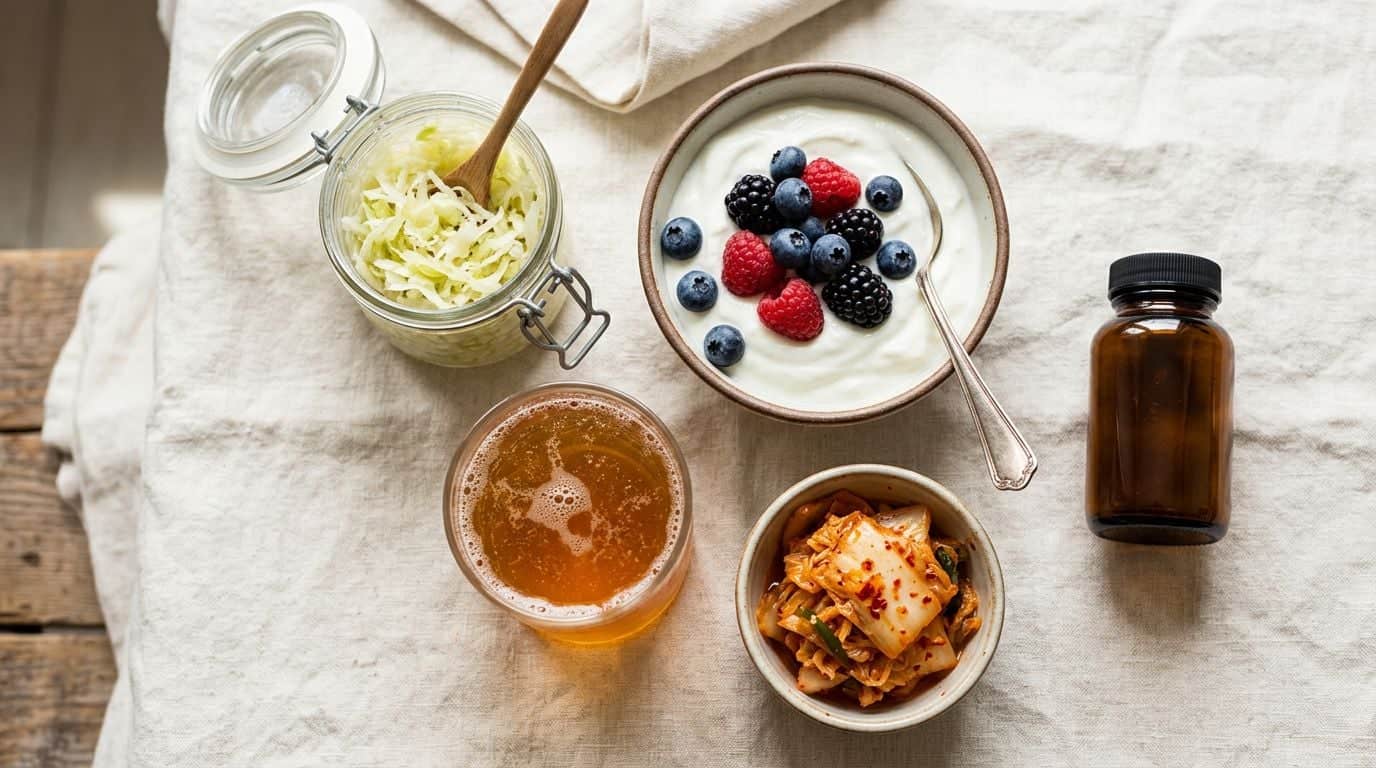
Some probiotic-rich fermented foods from around the world include:
- Kimchi from Korea
- Natto from Japan
- Miso from Japan and Korea
- Kombucha from Russia and Ukraine
- Curtido from El Salvador
- Kefir from Eastern Europe
- Sauerkraut from Germany
- Creme fraiche from France
- Kvass from Russia
- Torshi from the Middle East
- Doogh from Iran, Syria, and Lebanon
It’s important to note that not all fermented foods have probiotics! We’ll discuss this further in the section after next.
What is fermentation?
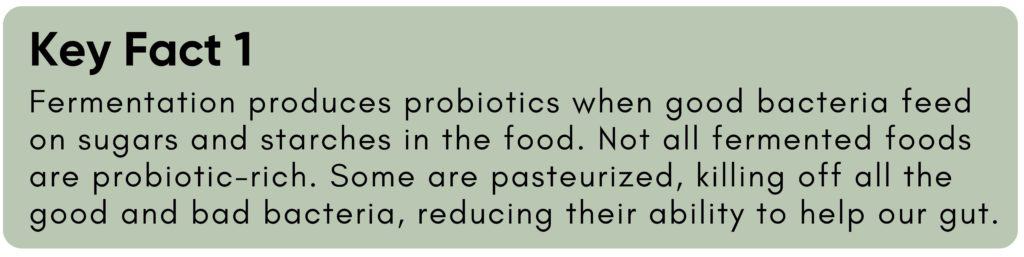
Fermentation occurs when microorganisms and enzymes convert carbohydrates into alcohol or organic acids (2). This process produces probiotics, as good bacteria feed on sugar and starches in the food, creating lactic acid.
The acids prevent harmful microbes that cause food spoilage, so historically, fermentation was used to help improve food’s shelf life.
There are three primary forms of fermentation:
- Lactic acid fermentation: Starches or sugars are broken down to produce lactic acid, which protects the food from microbial spoilage and our bodies from microbial disease. Lactic acid fermentation is used for yogurt, pickles, and sauerkraut.
- Ethanol (aka alcohol) fermentation: Yeasts break down sugars into alcohol and carbon dioxide molecules to create wine, beer, and bread.
- Acetic acid fermentation: Converts sugars from grains or fruit into vinegar and condiments.
What fermented foods count as probiotic foods?
A probiotic food must contain live microorganisms. However, certain cooking, processing, or pasteurization can drastically reduce or kill off the most beneficial microbes in certain foods. Foods like tempeh contain para-probiotics or postbiotics since they are cooked rather than raw (9, 10). These are non-active probiotics that still provide health benefits.
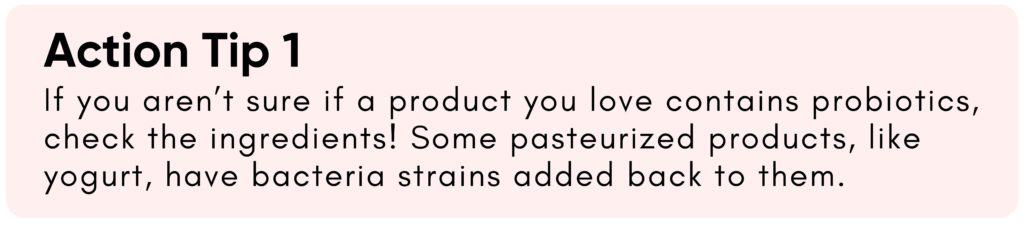
Fermented foods that qualify as probiotic-rich foods include:
- Kimchi
- Sauerkraut
- Miso
- Yogurt
- Some cottage cheeses (such as Good Culture or Nancy’s– check ingredients for probiotic strains listed)
- Kombucha
- Kefir
- Some pickles (These will be refrigerated and are often labeled as “lacto fermented” or “naturally fermented.”)
- Raw dairy, including milk and cheeses (only consume if you are completely comfortable with the source)
- Fermented veggies
Fermented foods that do not qualify as probiotic foods include:
- Sourdough bread contains some probiotics in the starter but not in the finished baked product, as most are likely unable to survive the high heat.
- Chocolate: cocoa beans are lacto-fermented, but roasting kills them
- Coffee: good bacteria are killed during processing
- Soy sauce: traditional soy sauce contained fermented soybeans, but most now do not
- Fermented meats (chorizo, salami, pepperoni): sodium nitrate and other additives kill the bacteria
- Alcohol: most are killed by ethanol (unless unfiltered or unpasteurized beer with brewer; however, it’s not recommended you consume this as a source of probiotics)
Are fermented foods safe for pregnancy?
Yes!
Not only are fermented foods safe for pregnancy, but they should be consumed regularly (daily, even) for optimal health.
Are raw fermented foods safe for pregnancy?
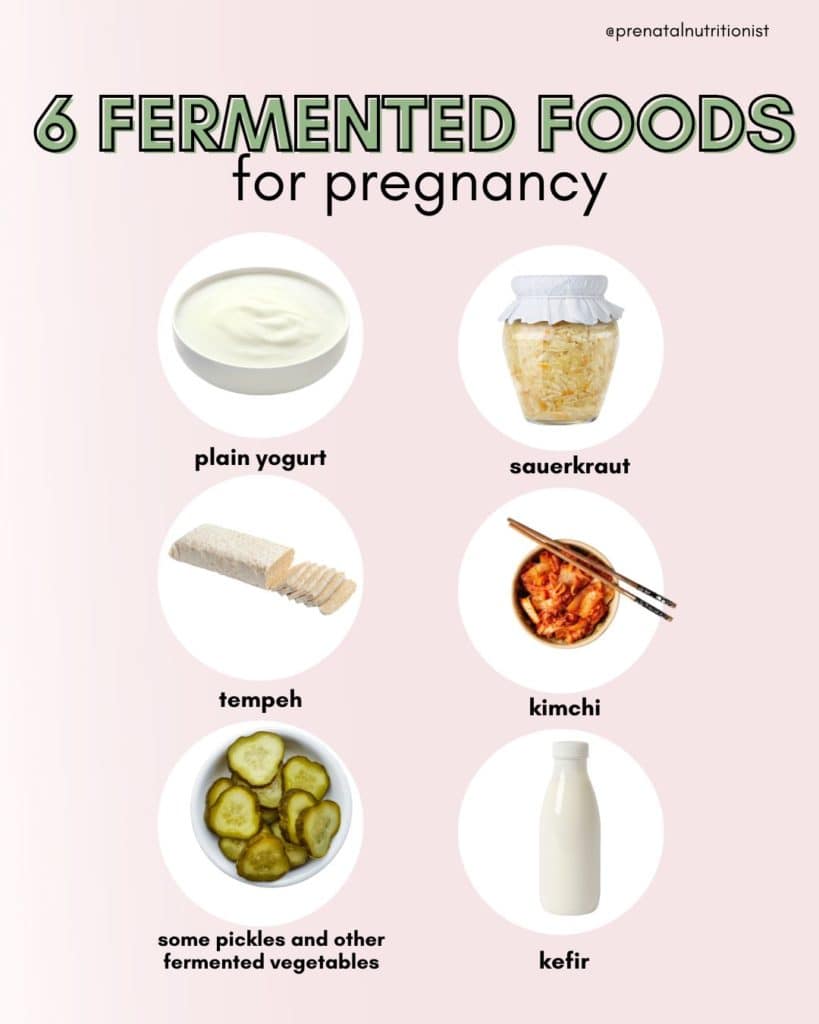
In general, yes. As long as the source is reliable and takes appropriate food safety precautions, you can consume raw probiotic foods, such as sauerkraut or other veggie-based fermented foods. Remember, pasteurization, the heat treatment process, kills both the good and bad bacteria in foods, which is why raw products provide the most benefits.
Most commercially packaged raw probiotic foods (such as Wildbrine and Cleveland Kraut) are safe to enjoy during pregnancy.
Why are fermented foods so important for fertility, pregnancy, and postpartum?
Probiotic-rich fermented foods are a must for optimizing health during conceiving, pregnancy, and postpartum.
Some of the well-known and established benefits of fermented foods include (3):
Support gut health
In general, consuming fermented foods increases the diversity of gut microbes and reduces inflammation (3).
Eating foods such as yogurt, kefir, cheese, kombucha, sauerkraut, and kimchi has been found to increase overall microbial diversity, with even more pronounced effects from larger servings (4).
Besides improving gut health overall, probiotic-rich foods can significantly help reduce constipation. So, if you are trying to increase your regularity during pregnancy, ensure you get at least one serving of probiotic foods daily!
Boost your immune system.
Since 70% of your immune system is housed in your gut, it makes sense that any gut-supportive foods will also significantly boost your immunity (5)!
Probiotic foods have been found to activate the immune system, improve the overall immune system function, and prevent or better manage immune and inflammatory-related conditions (such as IBD) (6).
Support blood sugar regulation.
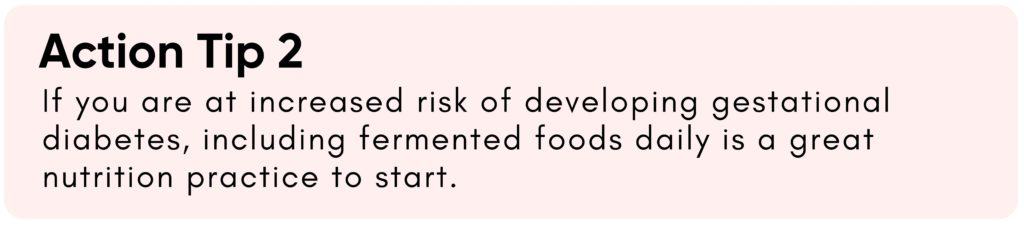
Whether you are trying to improve blood sugar regulation to improve fertility, support a healthier pregnancy, or manage gestational diabetes, probiotics are crucial!
Probiotic consumption has been found to significantly reduce fasting glucose and fasting plasma insulin (7).
Support healthy blood pressure.
One meta-analysis found a moderate and statistically significant reduction in SBP or DBP with a probiotic supplement compared with controls (8).
The positive effects of probiotics on blood pressure lasted for 8-10 weeks after consumption, so make sure you are consuming them weekly (at least) to maintain the benefits!
Which fermented foods should I prioritize during pregnancy?
You can’t go wrong with any fermented foods you love and wish to include in your diet while trying to conceive, during pregnancy, or to support postpartum recovery, but here are some of the top foods that contain the largest concentration of gut-friendly probiotics:
- Natto
- Kimchi
- Sauerkraut
- Miso
- Kombucha
- Greek yogurt
- Kefir
- Cottage cheese (just make sure yours has probiotic strains listed in the ingredients!)
How can I include fermented foods in my diet during pregnancy?
Include whichever fermented foods you enjoy the most. If you are new to fermented foods, try a new one each week and new recipes using them to figure out what you like.
Here are some ways you can include the recommended foods above into your meals and snacks each day:
- Add sauerkraut or kimchi to your eggs, any veggie mixture, toast, with tuna or chicken salad, on top of a baked potato, with smoked salmon, or as part of a charcuterie plate
- Make a Greek yogurt or cottage cheese parfait as part of your breakfast or for a snack
- Enjoy sauerkraut or kimchi wrapped up in slices of deli meat
- Make a traditional egg natto breakfast bowl
- Top a sausage with sauerkraut
- Add a cup of kefir or yogurt to a smoothie
- Make miso chicken soup
The Bottom Line
- There are over 5,000 types of fermented foods and beverages. Food can be fermented by adding bacteria or yeasts (cultured ferments) or by creating an environment that enables bacteria to grow and ferment naturally on the food (wild ferments).
- Fermentation happens when microorganisms and enzymes convert carbohydrates into alcohols or organic acids. This process produces probiotics, as good bacteria feed on sugar and starches in the food, creating lactic acid.
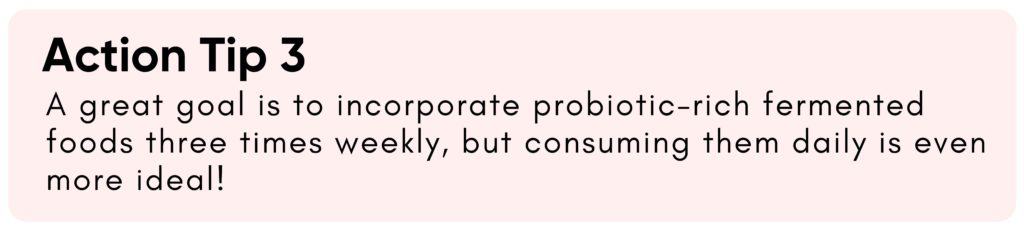
- Not only are fermented foods safe for pregnancy, but ideally, you would include them several times per week, if not daily. Raw fermented foods, like sauerkraut, kimchi, or other fermented veggies, are also safe and recommended for pregnancy. Remember, pasteurization kills both the good and bad bacteria in foods. Some foods will have bacteria strains added back to them for this reason.
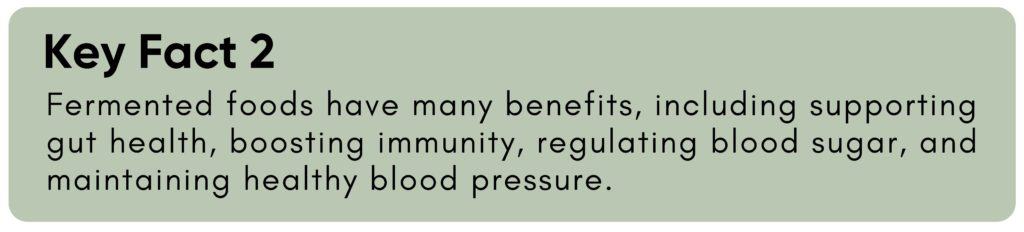
- Fermented foods have many benefits, including supporting gut health, boosting immunity, regulating blood sugar, and maintaining healthy blood pressure.
- Some top fermented foods to consume regularly during preconception, pregnancy, and postpartum include natto, kimchi, sauerkraut, miso, kombucha, Greek yogurt, kefir, and cottage cheese.
Written by: Claire Gilmore, MSCN, CNS, LDN and Ryann Kipping, MPH, RDN, LDN
Vitamin D



What is vitamin D?
Vitamin D, or the “sunshine vitamin,” is an interesting fat-soluble vitamin because it’s the only vitamin our bodies can make from the sun.
In fact, the sun is our main source of vitamin D, providing anywhere from 50-90 percent of our vitamin D needs (1).
Like vitamins A and K, vitamin D has two forms, D2 (ergocalciferol) and D3 (cholecalciferol), both of which are found in small amounts in food: D2 in plant foods and D3 in animal foods. Processed foods, such as cereals, are often fortified with vitamin D (though, like any other fortified food, this is not the ideal way to obtain it).
Vitamin D is one of the most studied vitamins when it comes to pregnancy, as it is related to so many important functions to keep you and your baby healthy.
Vitamin D deficiency is common during pregnancy; over 80% in the second trimester, according to a 2026 meta-analysis (2). However, vitamin D deficiency is a problem worldwide. Most people in the US consume less than the recommended amounts of vitamin D (1).
This is due to multiple dietary, lifestyle, and physiological factors, which we will examine in more detail below.
Vitamin D & Fertility
Vitamin D status may influence fertility outcomes.
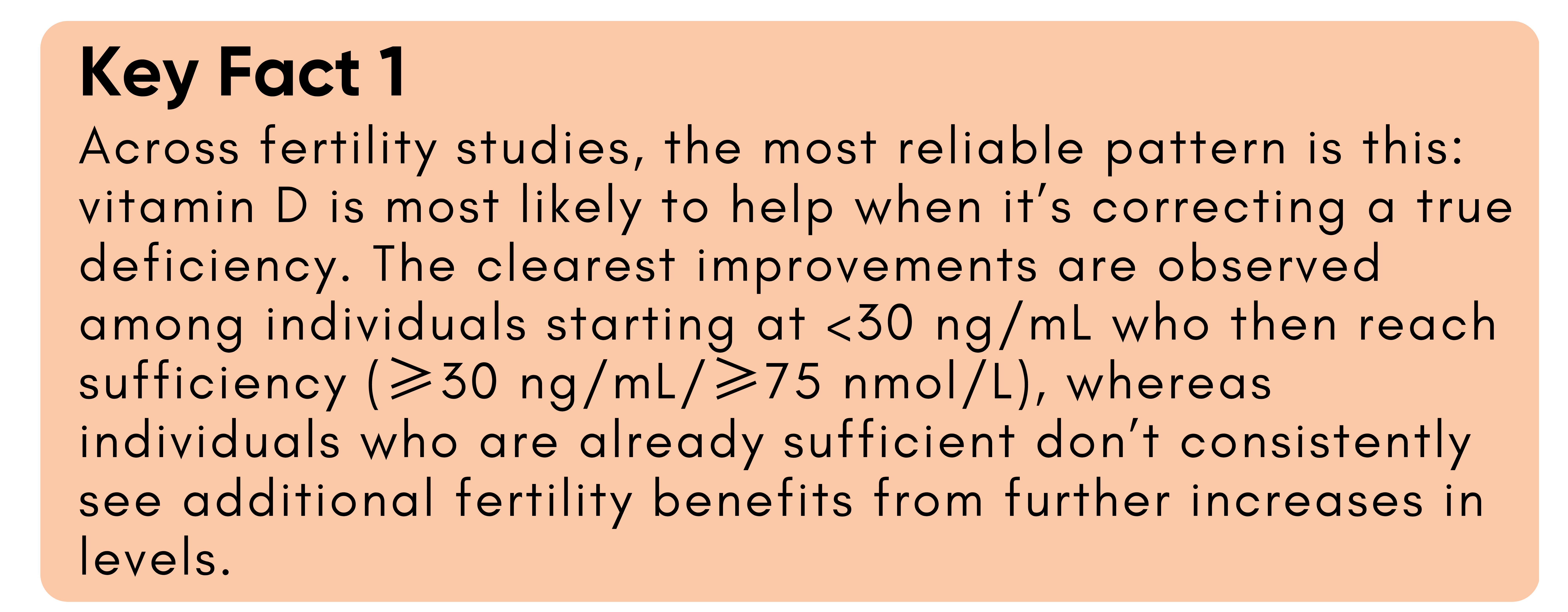
Overall, studies suggest that having sufficient vitamin D before conception (often defined as 25(OH)D ≥30 ng/mL / ≥75 nmol/L) is associated with slightly higher pregnancy and live birth rates, especially among people who start out deficient. However, results aren’t perfectly consistent across all populations.
What the evidence suggests
- Natural conception: In prospective data, women with sufficient preconception vitamin D had a higher likelihood of clinical pregnancy and live birth (approximately 10–15% higher live birth likelihood in some cohorts) and, in some studies, a lower risk of pregnancy loss (1, 2, 3).
- Infertility treatment/ART: Vitamin D status may be relevant for both partners. A couple-based analysis found a higher likelihood of live birth when the female partner was sufficient, and outcomes were strongest when both partners were non-deficient; however, IVF-specific meta-analyses have reported mixed or non-significant associations after sensitivity analyses (4, 5, 6).
- Supplementation: In infertile patients, vitamin D supplementation has been associated with improved clinical pregnancy rates, with the greatest benefit observed in individuals who are vitamin D–deficient at baseline (7).
Vitamin D & Pregnancy
Vitamin D supports key processes during pregnancy for both the parent and the baby. Low vitamin D status has been associated with a higher risk of complications, though not all studies find the same strength of effect.
Pregnancy outcomes
Vitamin D deficiency has been linked to gestational diabetes, preeclampsia, first-trimester miscarriage, and gallbladder issues.
Vitamin D plays a role in glucose metabolism, but research on whether low vitamin D causes gestational diabetes is mixed (3). Still, vitamin D levels are often lower in people with GD, so it’s worth checking. Evidence on preeclampsia is also mixed, but many studies suggest that levels above 30 ng/mL are associated with a lower risk, and some data suggest that supplementation later in pregnancy may be more effective than early supplementation (4, 5, 6).
If levels are low, supplementation can be useful, but it works best alongside the root habits that support vitamin D status—sun exposure, vitamin D-rich foods, and addressing absorption/metabolism issues.
Impact on baby
The baby relies entirely on the mother for vitamin D in pregnancy.
Maternal deficiency has been associated with a higher risk of certain childhood outcomes (including asthma, neurodevelopmental concerns, and autoimmune conditions) and may affect fetal bone development (research is still emerging) (4, 7). Low vitamin D status during pregnancy has also been linked to low birth weight and an increased risk of rickets (4).
Vitamin D & Postpartum
Vitamin D is essential during the postpartum period and while breastfeeding for maternal health and baby development.
It’s needed for a baby’s bone health, immune function, and the prevention of rickets (62). Rickets is a softening and weakening of the bones in children caused by prolonged vitamin D deficiency, which remains a risk after the baby is born (62).
Vitamin D also supports immune and bone health in postpartum and nursing mothers. Additionally, it’s essential for mood and mental well-being. Deficiency of vitamin D may be a risk factor for postpartum depression (63).
Vitamin D & Breastfeeding
It’s widely recommended that mothers who exclusively breastfeed provide their infants with vitamin D, but have we ever stopped to consider why breast milk might be lower in vitamin D in the first place?
If you are not getting enough vitamin D from sunlight and food, you cannot transfer enough vitamin D through breast milk to your baby, even if your levels are normal (8).
This is because adequate vitamin D levels in the blood do not transfer through breast milk (8). However, vitamin D from sunlight, food, and supplements will transfer over to your baby (8)!
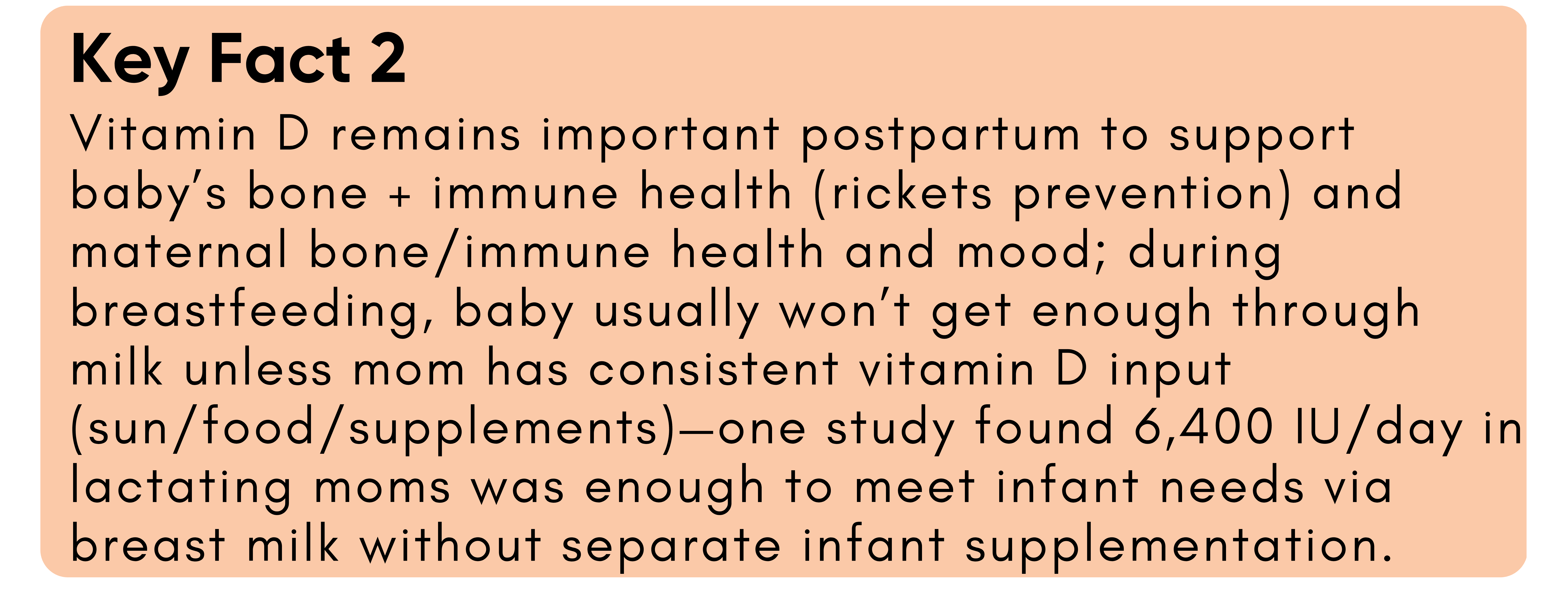
One study found that breastfeeding women who took 6400 IU of vitamin D per day had optimal vitamin D levels in their blood and transferred sufficient vitamin D through their breast milk to meet their baby’s needs without requiring additional supplementation (8).
So, if you’re planning to breastfeed, it’s a good idea to start planning how you will supply your little one with enough vitamin D, ideally through a combination of food, sunlight, and a vitamin D supplement to ensure their needs are met.
Vitamin D needs at every stage
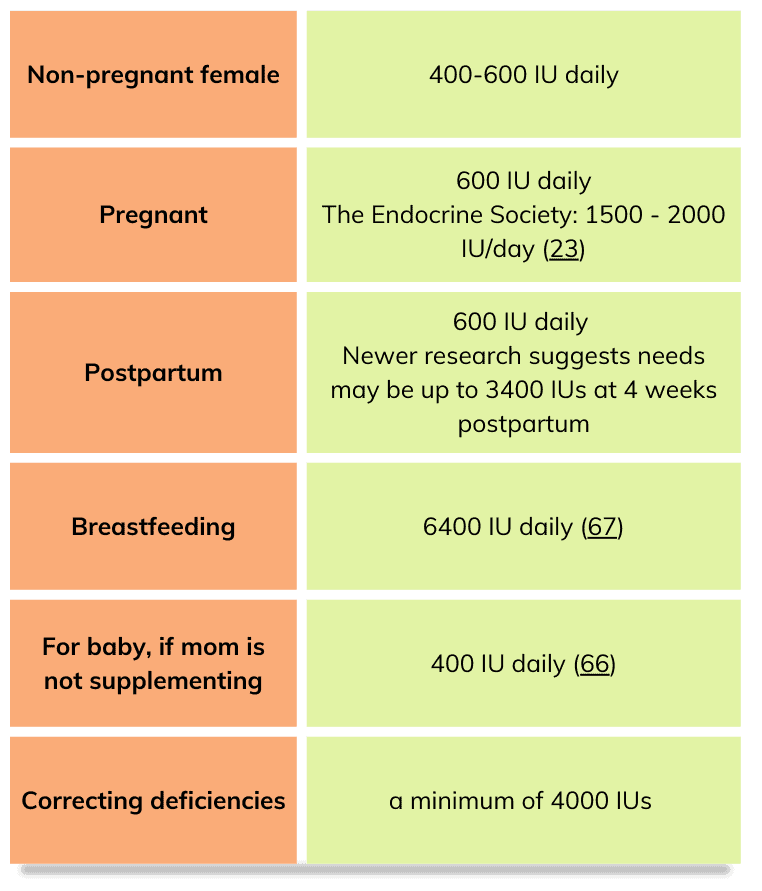
Research is inconclusive about the exact amount of vitamin D needed at any stage, but most people will need to supplement with vitamin D. Review the prenatal vitamin note to find a prenatal vitamin with more vitamin D than 400-600 IUs.
Vitamin D deficiency
Vitamin D deficiency is a global problem, with many people not getting sufficient sunlight exposure, especially those who work all day indoors and never get daytime sunlight.
Many countries have different cut-off points for ‘adequate’ vitamin D levels, making it difficult to quantify precisely how many people experience vitamin D deficiency (4).
Risk factors for vitamin D deficiency:
- Living North of the line drawn from Long Beach, CA, to Atlanta, GA
- Living in an area with more air pollution
- Dark skin
- Obesity (4)
- Wearing sunscreen (at all times) when outdoors
- Wearing long sleeves and pants outdoors
- Vegetarian/vegan
- Little time spent outdoors, especially at midday
- Lactose intolerance (9)
- Smoking (4)
Limited sun exposure, sunscreen, and vitamin D deficiency
A major risk factor for vitamin D deficiency is limiting sun exposure or always wearing sunscreen when outdoors.
Fear of skin damage has led to the overuse of high-factor sunscreen. It is important to be careful about skin damage, and everyone’s limits will be different, but your skin needs access to midday sun a few times a week to synthesize vitamin D.
And it turns out the sun isn’t all to blame for sun damage and skin cancer— your diet is a contributor, too!
The link between vegetable oils and skin cancer
Did you know that another sneaky culprit can greatly increase your risk of skin damage and skin cancer (along with countless other diseases and issues)?
Research shows associations between linoleic acids (found in vegetable oils such as canola, corn, and soy) and an increased risk of skin cancer (10). While correlation doesn’t prove causation, studies also show us that reducing seed oils can “dramatically reduce the risk of ultraviolet (UV) induced sunburn,” with “susceptibility to UV radiation damage of the skin is directly influenced by the amount of LA (linoleic acid) in the diet” (10)!
This makes sense when we consider how seed oils can become rancid; similarly, they can cause DNA damage throughout the body, including the skin, especially when exposed to heat, such as sunlight, leading to cancer (11).
Keep in mind: while linoleic acids are the most prone to oxidation of all oils, the more unsaturated a fat is, the more prone it is to oxidation, while naturally saturated fats (i.e., animal fats and coconut oil) do not have the same damaging and dangerous effect in the body (12).
Learn more about which oils to choose and which to limit during pregnancy here!
How to safely get vitamin D from the sun
Maximize more D intake in less time
The best time to get vitamin D from the sun is at its highest point in the sky, which is midday (especially during the summer months), when the UVB rays responsible for vitamin D production are most intense (13, 14).
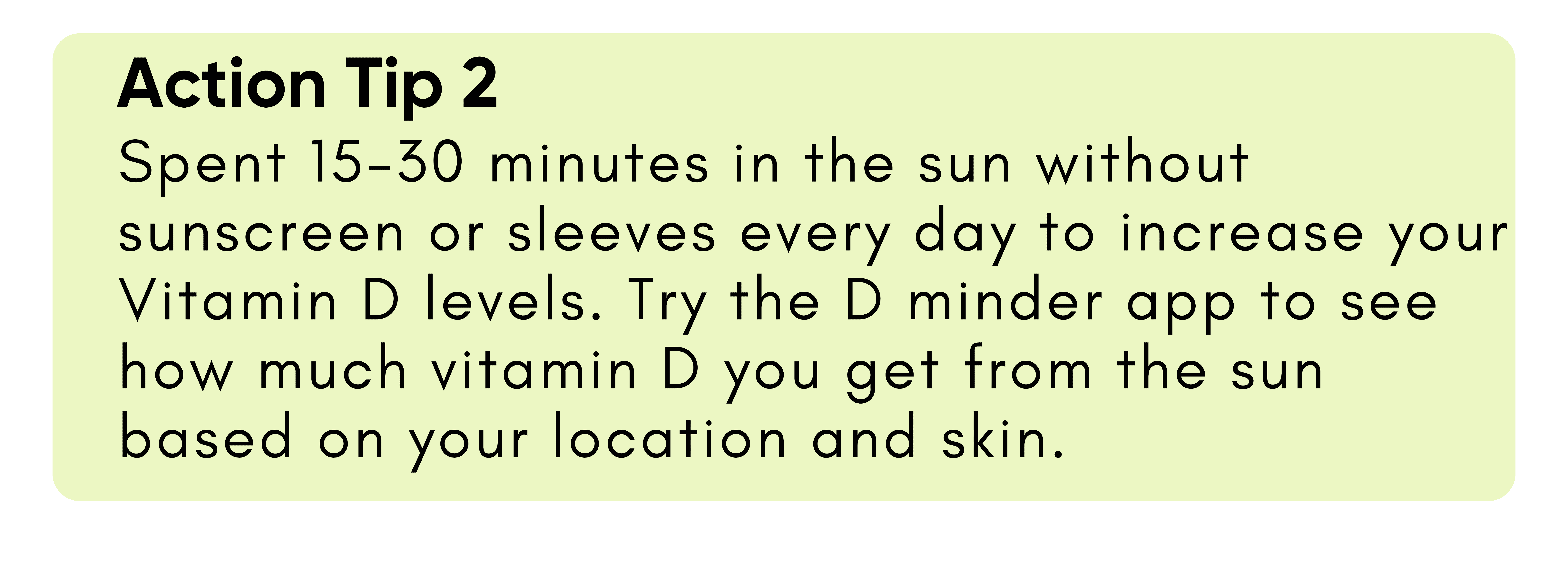
Spend 15-30 minutes in the sun.
Fifteen minutes in the hot summertime sun and at least 30 minutes in the wintertime when the rays are less intense (15, 16). If you have darker skin (either you’re someone who gets a tan easily or you were born with darker skin), you will need more time in the sun to get enough since having more melanin blocks the sun’s UVB rays, which is one reason why those with darker skin are at a higher risk of vitamin D deficiency than those with fair skin (17).
The good news is that by maximizing your time in the sun when UVB rays are at their peak, you can get your vitamin D without increasing your risk of skin damage or melanoma (14). You can even use the D-minder app to help you make sure you’re getting enough vitamin D based on your skin and location.
If you are planning to spend more time in the sun (>30 minutes), stay in the shade, cover up with UV-protective clothing and a hat, or wear a mineral-based, paraben-free sunscreen!
Increase your antioxidant intake.
In addition to reducing your risk of sun damage by limiting your linoleic acid intake as much as possible, you can increase your intake of astaxanthin, which research has found to have anti-aging and anti-cancer effects by reducing the effects of harmful UV rays (18, 19). Foods high in astaxanthin include salmon, algae, shrimp, lobster, crabs, and other seafood.
Vitamins A, C, and E also act as sun and skin-protective antioxidants as well, so load up on your citrus and whole food fats, like butter, nuts, avocados, and full-fat dairy (20).
 Vitamin D-rich foods
As noted, the primary source of vitamin D is sunlight, and it is not found in many foods. The best dietary sources are oily fish like trout and salmon.
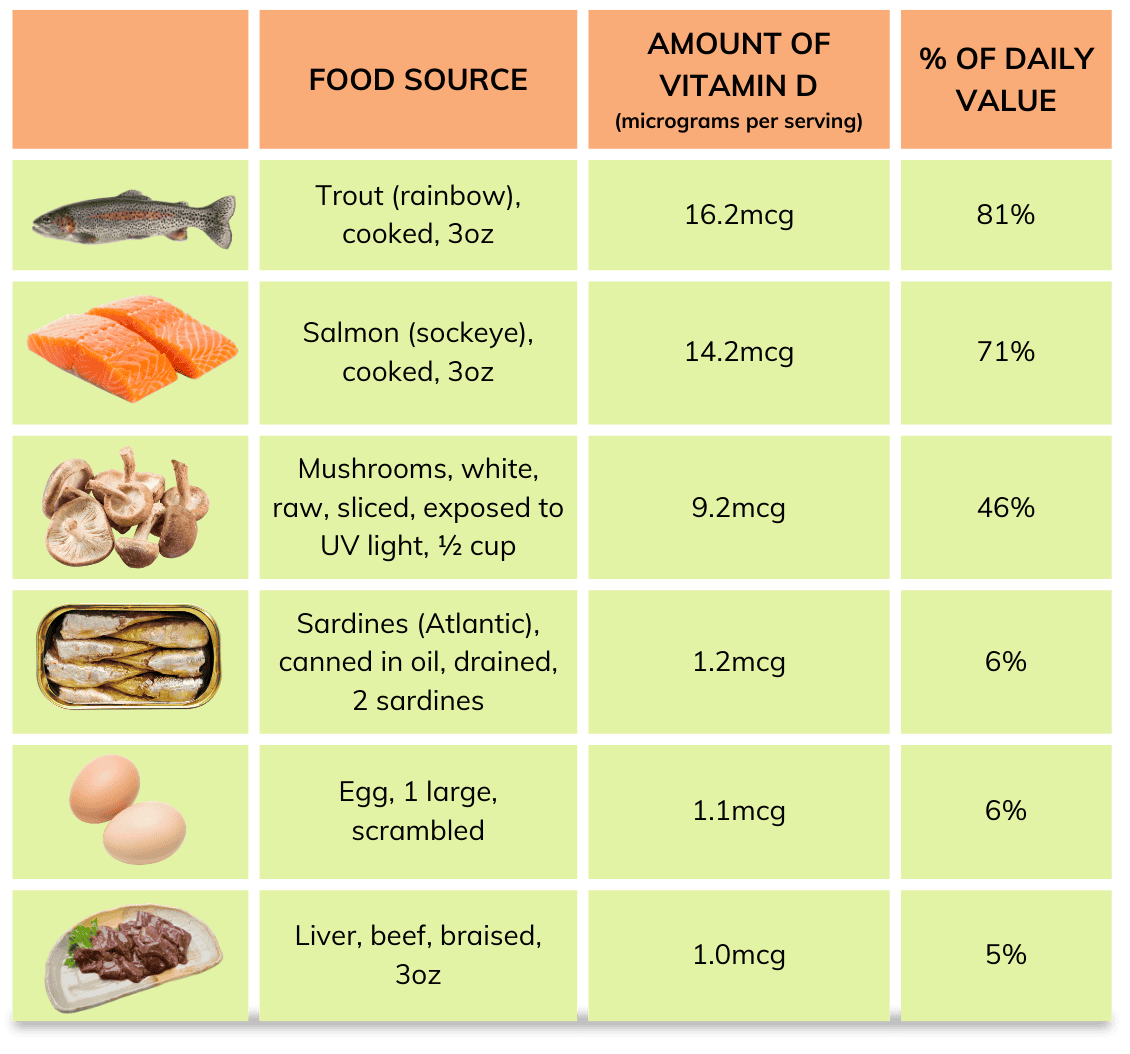
(Table adapted from National Institutes of Health 2021)
Vitamin D testing
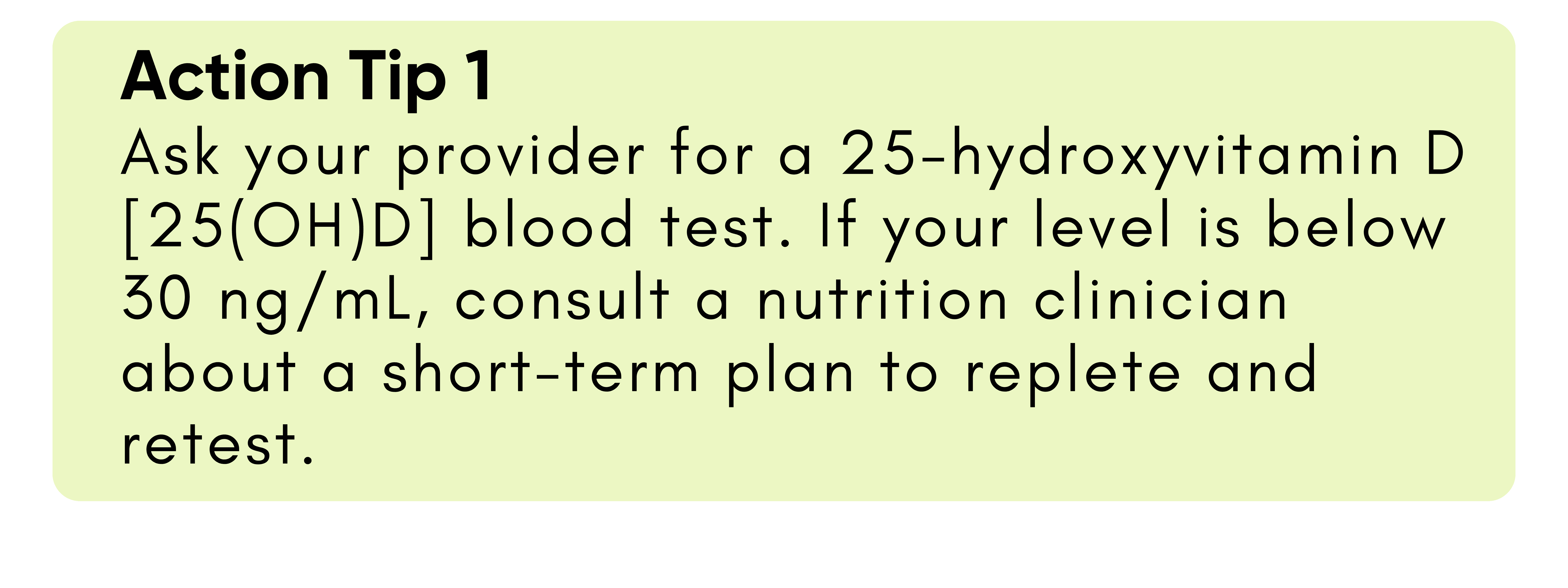
By testing your vitamin D levels (25-hydroxy vitamin D, or 25-OH vitamin D), you can fine-tune how much you need to supplement, working with your doctor and registered dietitian. I highly recommend this.
While you will see a level of 30 ng/ml (75 nmol/l) is sufficient, research indicates pregnant people should be closer to 50 ng/ml (125 nmol/l) (24).
You can also order an at-home vitamin D test kit.
Do I need to supplement with vitamin D?
You’ve probably already gathered from above – yes, but there is a bit more to it than that.
Find a prenatal vitamin that contains vitamin D3 (cholecalciferol). Although many of you reading this will need more than even what the Endocrine Society recommends (1500 – 2000 IU/day), taking a prenatal vitamin with at least 1000 IU is strongly recommended.
A double-blind, randomized clinical trial found that 4,000 IU/day of vitamin D supplementation was safe and the most effective in achieving sufficient vitamin D levels in all women, regardless of race or geography (25).
If you can, get your levels tested before and during each trimester of your pregnancy, including the fourth trimester.
The good news is that vitamin D supplements are relatively cheap! If your prenatal vitamin doesn’t contain vitamin K2 or phylloquinone, then it is recommended that you find a D3 supplement with K2. See some recommendations next.
Vitamin D supplement recommendations
- Thorne’s Vitamin D/K2 drops (2 drops = 1000 IUs)
- Seeking Health Vitamin D3 + K2 capsules (5000 IUs) (code: RyannK)
- Seeking Health Vitamin D3 capsules (5000 IUs) (code: RyannK)
- Thorne’s Vitamin D3 capsules (5000 IUs)
- Pure Encapsulations capsule (1000 IUs)
- Needed has a vitamin D3 + K2 capsule (2000 IUs)
- Nordic Naturals lemon cod liver oil (1 teaspoon = 1000 IUs, also contains omega-3s!)

Help! My vitamin D is still low despite supplementation. What could be the problem?
It can be frustrating if you’ve had chronically low vitamin D levels despite supplementing. But often, the key to low vitamin D isn’t just adding more vitamin D; it’s addressing the contributing factors that led to the low vitamin D in the first place.
Other potential causes of low vitamin D
Low magnesium
Magnesium is needed to move vitamin D around in the blood and to activate vitamin D or convert it from its storage form to active form, and this can only happen when you have enough magnesium (26, 27). Magnesium deficiency can also reduce active vitamin D (1,25-dihydroxyvitamin D) levels and impair parathyroid hormone response (26).
If you’re trying to address a vitamin D deficiency without also making sure your magnesium levels are adequate. With over half of the population in the US not getting enough magnesium each day and with magnesium needs being higher during pregnancy, it’s a good idea to pay more attention to your magnesium intake during pregnancy and get your levels checked in an RBC magnesium test and/or HTMA to determine if you already have a magnesium deficiency contributing to vitamin D deficiency (28, 29, 30).
Having higher body fat
Since vitamin D is fat-soluble, people with higher body fat will store it in fat cells, leading to less circulating in the blood. People with obesity need higher vitamin D intake to maintain adequate levels and/or correct a deficiency (31).
So, being obese reduces your body’s ability to convert vitamin D and circulate it, and reduces the effectiveness (32, 33). If obesity is a risk factor for you, this means you have a higher chance than average of being vitamin D deficient and responding poorly to supplementation, which means you will need a targeted protocol for assessing and ensuring your levels are adequate during pregnancy.
Chronic infections and inflammation
Bacterial infections may cause dysregulated vitamin D metabolism (34). Chronic infections might include chronic Lyme disease, mycotoxin-related illness, and Epstein-Barr virus, which has been found to inactivate vitamin D receptors (35, 36). It’s best to work with a functional practitioner to address root issues and treatments if you know or suspect you have one of these or another.
Your genetics
Some studies show that genetic variants, including those in VDR, CYP2R1, CYP27B1, and GC, may affect the benefit of vitamin D supplementation for each individual (37, 38, 39).
Not eating enough animal foods and animal fats
Micronutrients needed for vitamin D synthesis and use in the body include cholesterol, magnesium, vitamin A, and vitamin K (40, 41). These are all found in animal foods, so if you have a low intake of foods high in these nutrients, your vitamin D metabolism will be impaired. Review our vegetarian note here for more information.
Poor gut health
An imbalanced gut microbiome is associated with lower vitamin D levels, but increasing beneficial bacteria has been shown to raise vitamin D levels (42). Gut health is a key foundation for overall health, fertility, and pregnancy, and if your gut microbiome is out of balance, your vitamin D levels will likely remain out of balance as well.
For more on how to support gut health during pregnancy, read on here.
Conditions that affect nutrient absorption, such as celiac disease, Crohn’s disease, and Cystic Fibrosis, all reduce your body’s ability to absorb vitamin D (43).
Poor bile flow
Poor bile flow reduces your ability to absorb fat-soluble vitamins (vitamins A, D, E, and K) since bile is responsible for breaking down fat, but you can increase bile and support bile flow by supplementing with bile salts, which have been found to increase vitamin D levels (42). You can also support increased bile flow by eating plenty of fats (cholesterol, especially), beets, and glutamine-rich animal foods, such as meats, seafood, and dairy, as well as choline from eggs and liver (44, 45).
High glyphosate exposure
People can be exposed to glyphosate through diet, skin contact, and inhalation of airborne particles. Fruits, fruit juices, vegetables, and cereals all contain this herbicide (46). Glyphosate reduces vitamin D by reducing both the CYP27A1 gene and other minerals needed for vitamin D metabolism (47, 48, 49). Buy organic produce if possible, especially the dirty dozen.
Hyperparathyroidism
Hyperparathyroidism is caused by abnormal parathyroid gland growth and elevated parathyroid hormone secretion, which, among many other symptoms, can lead to low vitamin D levels. It is most common in women over 60 years old, but it can also occur in younger people (especially women) (50).
Some or many of these might be factors in your own situation, and it’s ideal to work with a practitioner who can dive into your health history to find what could be causing your deficiency rather than just trying to increase supplementation of vitamin D alone.
Other lab values to assess when addressing vitamin D include:
- Active D and storage D: 25-hydroxy vitamin D (vitamin D stores, most commonly used), and if suspected high active vitamin D levels, 1,25-dihydroxy vitamin D (active form, less commonly used). Usually, only storage vitamin D is tested, but it is possible that you may have low-storage vitamin D and high-active vitamin D, especially if you’re supplementing vitamin D and have trouble converting vitamin D.
- Ionized Calcium: unbound calcium that is not bound to protein and is the body’s most accurate measure of calcium (51).
- RBC magnesium: a more accurate indicator of magnesium levels in the cells (only 1 percent of magnesium is actually in the blood) (29). An HTMA (hair test) can also provide good insight into intracellular magnesium levels.
- Parathyroid hormone: Vitamin D deficiency is common in hyperparathyroidism (52). High PTH levels can lead to high 1,25(OH)2D, low bone mineral density, increased risk of fractures, and osteoporosis, and supplementing with vitamin D often leads to low or suppressed PTH (53, 54).
Start here with increasing vitamin D levels
Like most nutrients, vitamin D works best with consistency. So, do your best to consume vitamin D–rich foods regularly (fatty fish, egg yolks, and full-fat dairy if you tolerate it).
Then use these three levers to help your body absorb and use vitamin D more effectively:
- Optimize magnesium levels : Prioritize magnesium-rich foods (pumpkin/chia seeds, almonds/cashews/peanuts, spinach, beans, edamame). If needed, add magnesium via a supplement (multi-form options like Smidge), topical magnesium (lotion/deodorant), Epsom salt baths, and/or magnesium powder in your daily mineral mocktail
- Eat more animal foods and fats: Vitamin D metabolism relies on nutrients found mostly in animal foods—especially cholesterol, vitamin A, and vitamin K2 (40, 41). Focus on egg yolks, full-fat dairy/cheese, grass-fed beef, and (if you tolerate it) small amounts of liver/organ meats; include fermented foods for K2 like miso, sauerkraut, or natto. Cholesterol matters, too, because vitamin D made from sunlight is synthesized from cholesterol (56).
- Go outside mid-day. : Start by going outside mid-day without sunscreen or sleeves (if it isn’t winter).
Can you get too much vitamin D?
Yes!
Too much vitamin D is toxic, another reason to test your levels before reaching for really high-level supplements.
When vitamin D is truly excessive, it can:
- Raise calcium too high (hypercalcemia) in both mom and baby (4)
- Cause symptoms like vomiting, muscle weakness, dehydration, and kidney stones (57)
- Increase risk of soft tissue calcification (potentially via potassium wasting) (58)
- Deplete magnesium, which vitamin D relies on for metabolism (59)
That said, studies using 4,000–5,000 IU/day have not shown hypercalcemia or tissue calcification, but vitamin D works best (and safest) when you’re also getting adequate supportive minerals that help your body utilize it (60, 61).
Can you get too much sun?
Excessive sun exposure won’t lead to toxic levels of vitamin D, but it definitely isn’t good for your skin. It is possible that frequent tanning beds can lead to toxic vitamin D levels, but they are an all-around bad idea anyway, so best to avoid them.
Written by: Claire Gilmore, MSCN, CNS, LDN, and Ryann Kipping, MPH, RDN, LDN