Posted on

Sage v2

What is sage?

Sage is an herb in the mint family with a strong, savory flavor. It’s most often used in cooking (think: roasted chicken, stuffing, and soups), but it’s also been studied for potential health benefits, including antioxidant activity, memory support, and effects on hormones.

What are the potential benefits of sage?

Sage has been studied most often in adults who are not pregnant, and several areas of interest have come up. 

Provides vitamin K

Even a small amount of dried sage packs a punch of vitamin K, providing about 10% of the daily requirement in just one teaspoon (1). Vitamin K is essential for blood clotting and bone health. Of course, sage shouldn’t be consumed in large quantities so that it won’t replace other key vitamin K sources like leafy greens, but it’s a nice bonus.
High in antioxidants

Sage contains over 160 polyphenols, compounds that act as antioxidants in the body (3). Antioxidants protect cells from oxidative stress, which is linked to chronic conditions like heart disease and diabetes.

Cognitive support

Some small studies in non-pregnant adults found that sage extract may improve memory, alertness, and attention. Researchers think this is partly because sage slows the breakdown of acetylcholine, a brain chemical that supports memory and learning (6). Its antioxidant content may also help protect brain cells from damage.

May positively impact cholesterol profile

 Early clinical research suggests sage tea may lower LDL and total cholesterol while sometimes raising HDL cholesterol (8). These findings are intriguing, but larger, high-quality trials are needed to confirm them.

It’s important to note that although these benefits are exciting and continue to be explored in the literature, none have been directly studied in pregnant women. The findings on cognitive health and cholesterol are preliminary and not confirmed in large-scale studies. Because concentrated sage products also carry potential risks, it’s still recommended to stick with only culinary amounts during pregnancy.

Nutrient breakdown 

1 tsp ground sage (1):

  • Calories: 2.2 kcal
  • Protein: 0.07 g
  • Total Carbohydrate: 0.4 g
  • Total Fat:0.09 g
  • Calcium: 12 mg 
  • Vitamin A 41.3 IU 
  • Vitamin E: 0.05 mg 
  • Folate: 1.92 mcg 
  • Vitamin K: 12 mcg 

Is sage safe to use while trying to conceive?

 Sage contains phytoestrogens, plant-based compounds that can interact with estrogen receptors in the body. They don’t act as strongly as human estrogen, but they can have mild hormone-like effects (3, 6). This can play out differently depending on your hormone levels and health status.

On the supportive side, phytoestrogens can help balance hormones. In women with lower estrogen or with conditions like PCOS, they may support ovulation and follicle development. One small animal study found that sage extract improved follicle maturity (11). 

At the same time, phytoestrogens can occasionally act more like a blocker than a helper. In lab studies using very high doses of sage extract, far above what you’d get from food, sage harmed ovarian cells and interfered with egg maturation (12). 

The bottom line is that culinary sage, used in normal cooking amounts, is safe if you are trying to conceive, but concentrated forms of sage, like teas, supplements, or essential oils, haven’t been studied enough in humans. 

Nearly all findings come from animal or lab studies. There is almost no research on fertility outcomes in humans. Until more is known, it’s best to avoid medicinal doses of sage while trying to conceive unless guided by your healthcare provider.
Is sage safe to use during pregnancy?

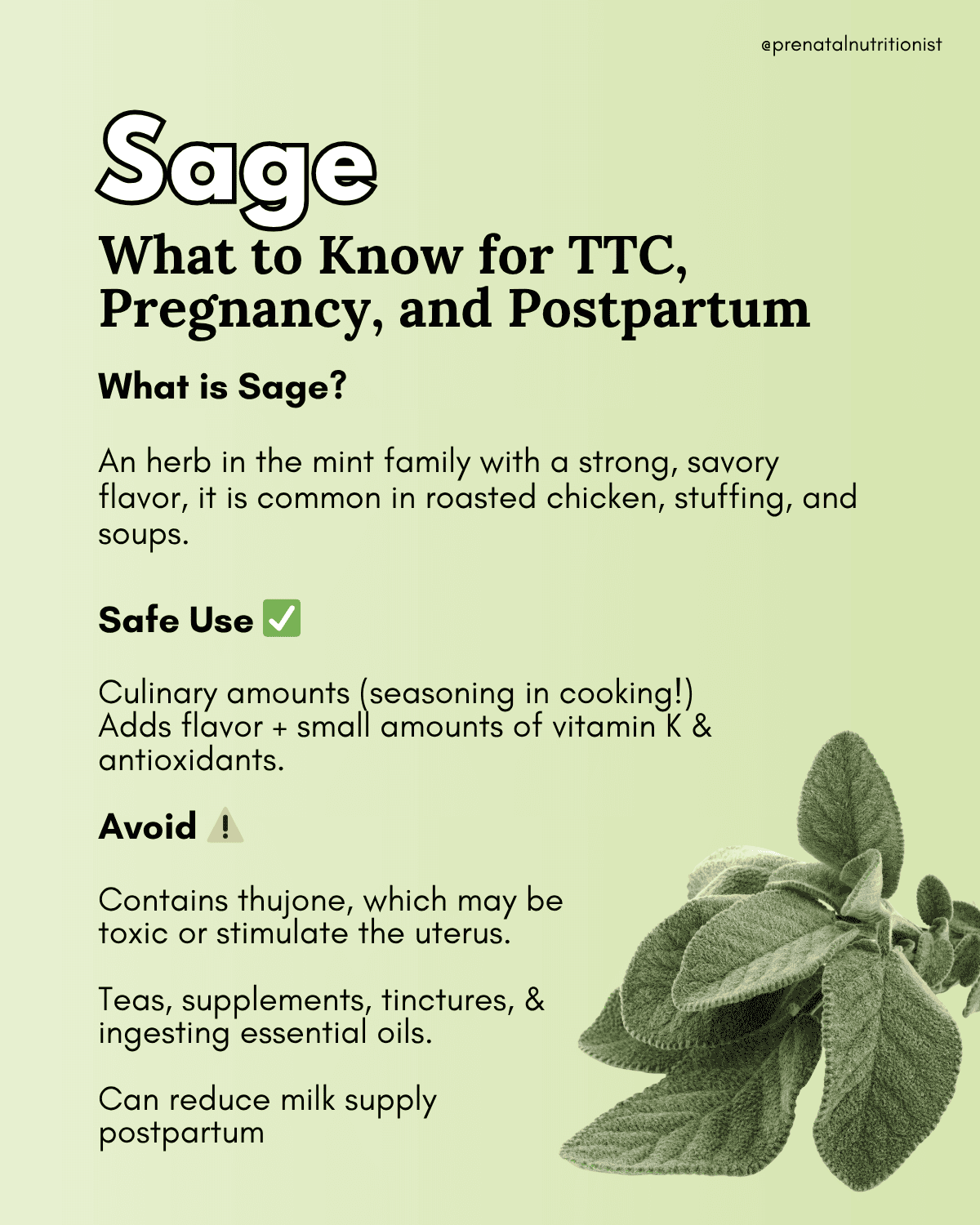
Sage can be a flavorful addition to meals, but not all forms are considered safe during pregnancy. The key difference is how sage is used: culinary vs. medicinal.

Culinary use

Sage used in cooking, such as sprinkled into dishes or simmered in soups, is considered safe. The amount of thujone, a natural compound in sage, is tiny in these cases and won’t expose you to risky levels. It’s simply a savory way to season food and even provides small amounts of vitamin K and antioxidants.

Medicinal use

Concentrated forms of sage, such as strong teas, capsules, tinctures, or supplements, are not recommended during pregnancy (2, 3). These deliver much higher doses of active compounds, especially thujone, which can be toxic in large amounts (2, 3, 4).

Excessive thujone intake has been linked to neurological symptoms like agitation or seizures and is also thought to stimulate the uterus, raising concerns about miscarriage, preterm labor, or contractions (2, 3, 5, 7). Some varieties of sage may also influence blood pressure, though evidence in pregnancy is limited (8, 14).

Essential oils

Sage essential oils should not be consumed orally during pregnancy, whether common sage oil (S. officinalis, high in thujone) or clary sage oil (S. sclarea). While some small studies suggest potential benefits from aromatherapy at full term of your pregnancy (such as relaxation or pain relief), essential oils are highly concentrated and carry risks if ingested (2, 3, 7). 

Aromatherapy use should only be considered late in pregnancy and under a provider’s guidance  (5, 10).
Is sage beneficial for postpartum

After delivery, some women turn to sage for its traditional healing properties. Sage has historically been added to sitz baths or herbal rinses to support perineal healing. Traditional thinking suggests it may help reduce inflammation and promote comfort while the body recovers (15).

Sage is also rich in antioxidants, which may support overall well-being in the postpartum period. 

Some women use clary sage essential oil in aromatherapy to promote relaxation or reduce stress, though this should always be done with caution and never applied undiluted to the skin. 

While these traditional uses may be comforting, it’s important to note that scientific evidence of these benefits for postpartum is limited. 

Does sage decrease milk supply

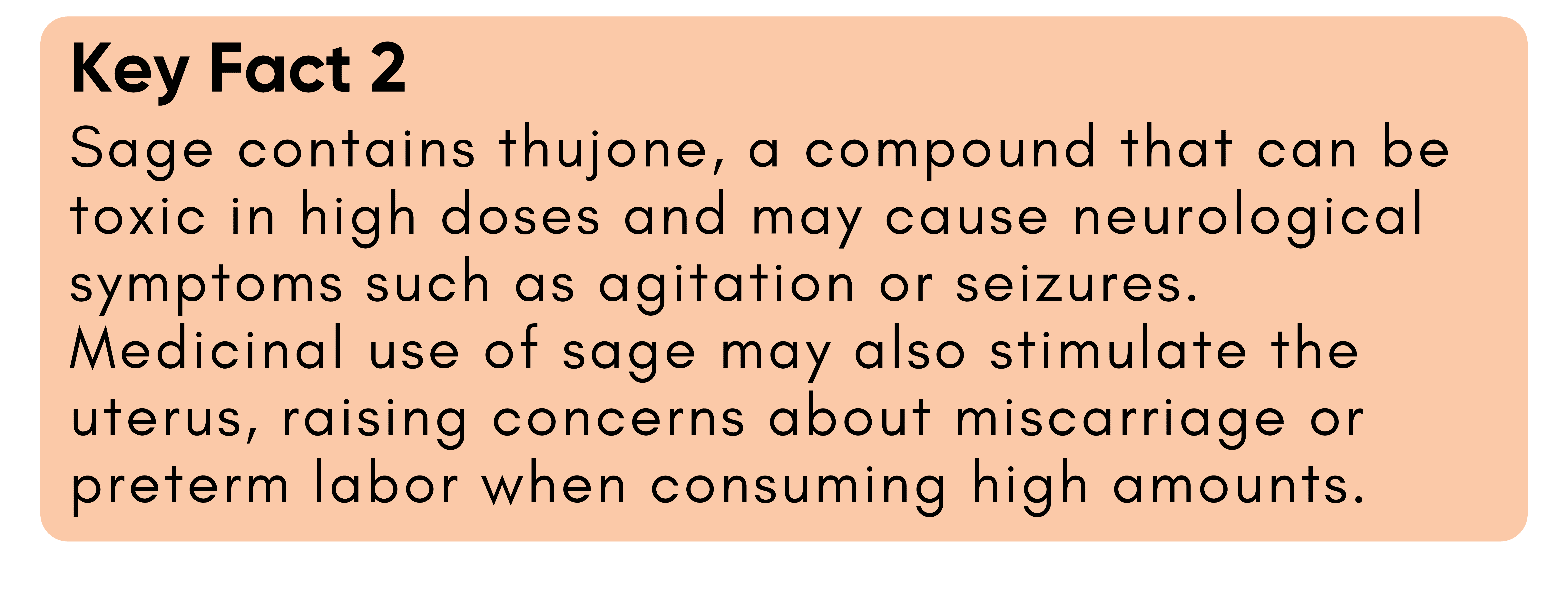
One of the most well-recognized uses of sage is to reduce breast milk production. Those who are weaning or experiencing oversupply have historically used sage tea to slow milk production, relieve engorgement, and make transitioning from breastfeeding more comfortable (16, 17, 18, 19). 

Unfortunately, despite its everyday use for this purpose, research on effectiveness and safety is limited (16, 17, 18, 19). 

On the flip side, if you are actively breastfeeding and want to maintain or increase your supply, medicinal forms of sage should be avoided. Even a few cups of strong sage tea may cause a noticeable decrease in milk production for some women. Culinary sage used in food amounts is not likely to cause issues, since the amounts are much smaller.
How to Use Sage in Your Diet Safely 

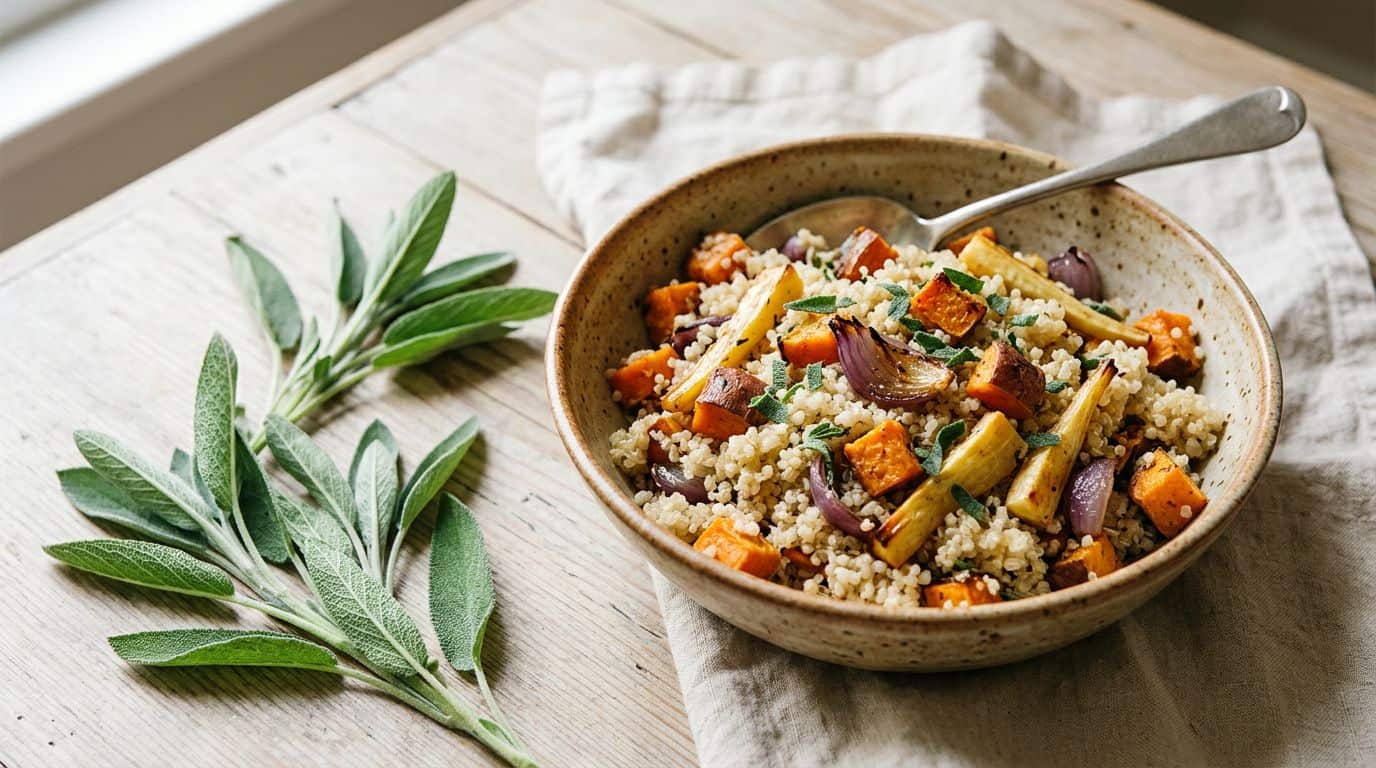
Sage has a deep, earthy, slightly peppery flavor that is best in savory dishes. It pairs well with fall produce like squash, pumpkin, potatoes, and onions. Since it is popular in fall and winter dishes, it is often used in holiday cooking. 

  • Add a pinch of dried sage with olive oil to roasted vegetables.
  • Add a sage leaf to soups or stews for flavor, then remove before serving.
  • Rub a small amount of chopped fresh sage onto chicken or turkey before baking or mix it into marinades for extra flavor.
  • Use it in your stuffing or dressing during Thanksgiving. 

The Bottom Line 

  1. Sage used in cooking is safe when trying to conceive, during pregnancy, and postpartum.
  2. Concentrated sage (teas, essential oils, tinctures, supplements) should be avoided during pregnancy because of potential risks from compounds like thujone.
  3. Sage’s phytoestrogens may support hormone balance and follicle development in some cases, but very high doses in lab studies interfered with ovarian cells and acted more like a contraceptive. 
  4. Sage provides antioxidants and vitamin K, but these benefits are best obtained from a balanced diet with other pregnancy-safe whole food choices, such as blueberries, avocados, and leafy greens. 
  5. Postpartum, sage may help reduce milk supply for women who are weaning, but should be avoided by those wanting to maintain breastfeeding.

Written by: Ryann Kipping, MPH, RDN, LDN, Jorden Edinger, MS, RD, and Olivia Riggs, Dietetic Intern 
Posted on

Electrolytes v2

What are electrolytes?

Electrolytes are minerals with an electric charge that are essential to many functions in our body (1, 2). 

Mostly, we hear about electrolytes and hydration, but they have many more jobs as well (1, 2), like:

  1. Balancing water in your body
  2. Balancing the pH in your body (acidity/alkalinity)
  3. Move nutrients into your cells, and waste out of them
  4. Regulate muscle contraction (like your biceps and your heart)
  5. Control nervous system function

3 major electrolytes are often discussed more than others. Can you guess them?

  1. Sodium
  2. Potassium 
  3. Magnesium

There are others we don’t think about as much, but they are just as essential to our everyday functions:

  1. Calcium
  2. Chloride
  3. Phosphate

Why are electrolytes essential?

As mentioned above, we need them to survive. If the electrolyte levels in your body become too low or too high, this can wreak havoc on your nervous and muscular systems, your overall hydration status, blood pressure, and pH regulation (3). 

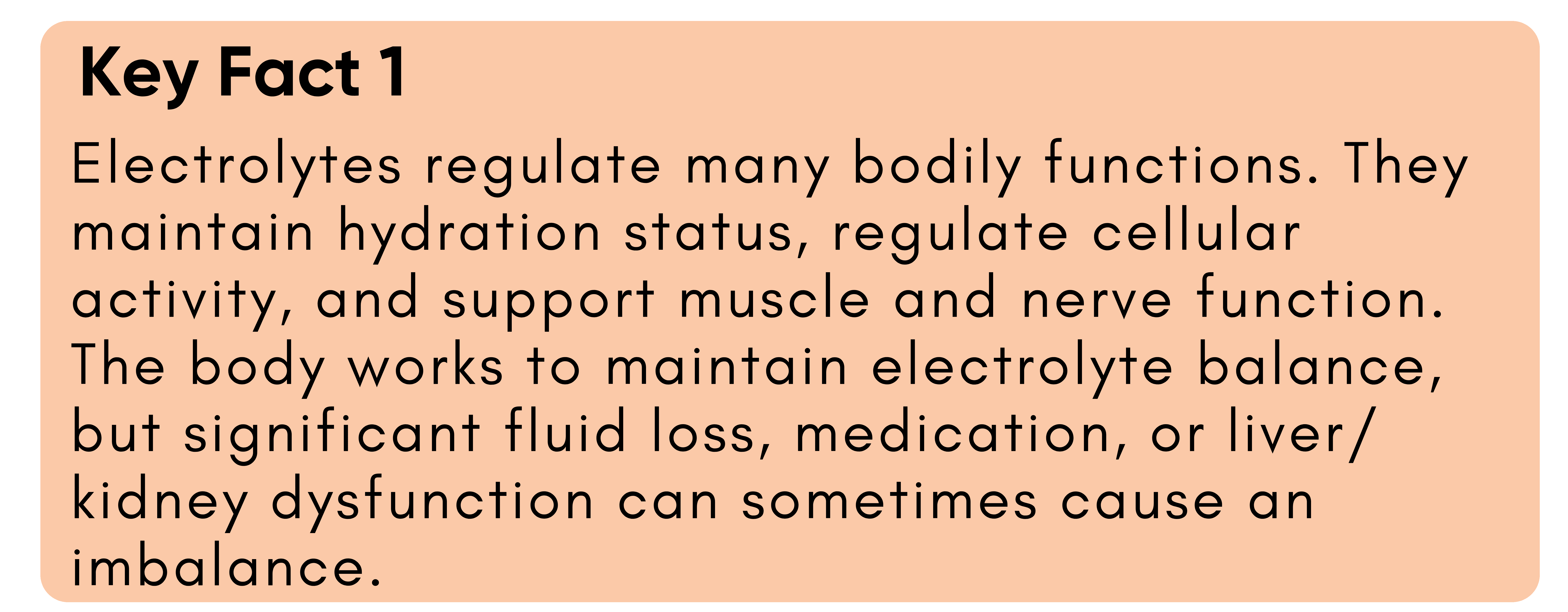
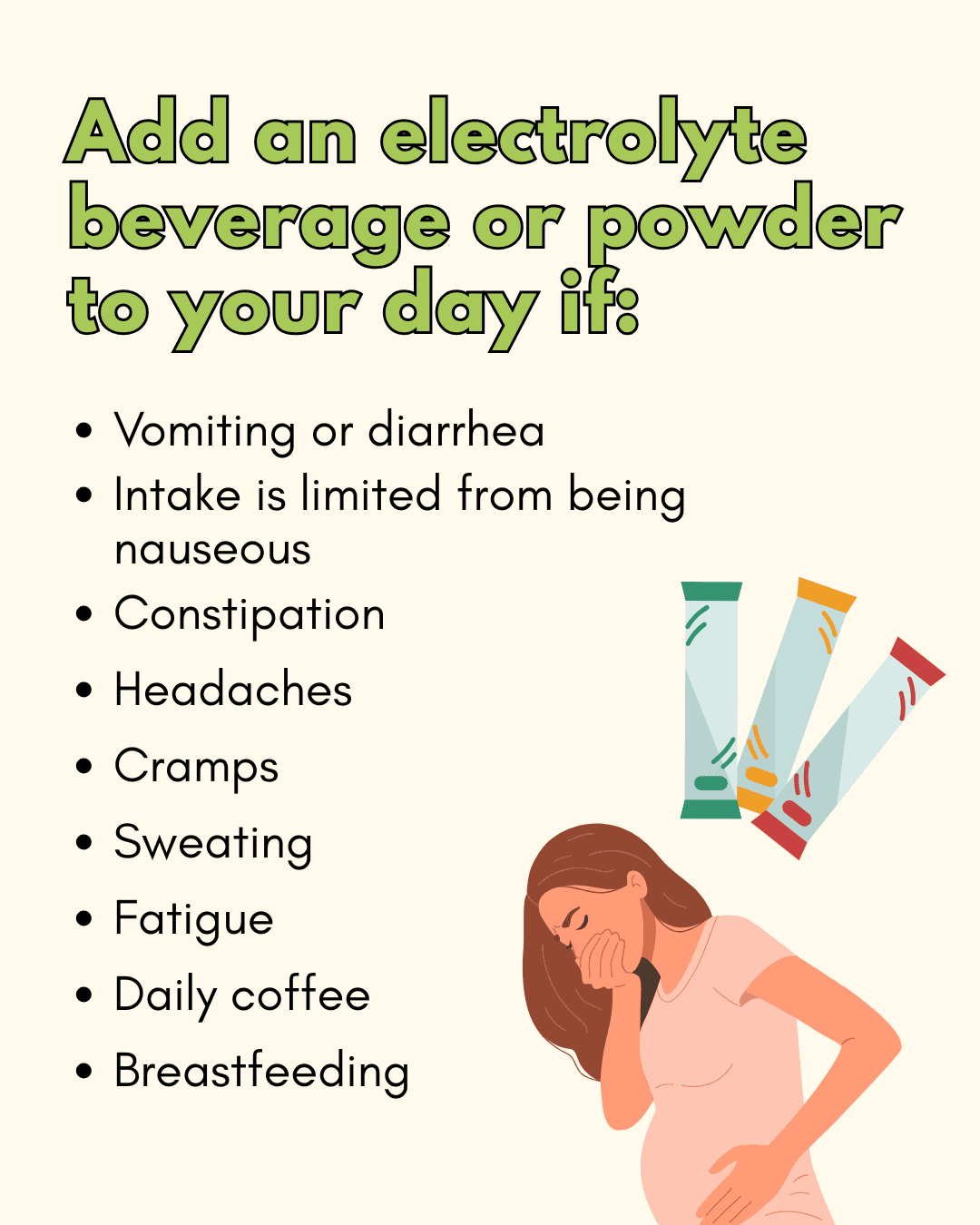
If the amount of water in your body changes, your electrolytes will be considered “high” or “low.” Anytime you lose water, you lose electrolytes. This can occur through sweating, urine, diarrhea, vomiting, certain medications, and kidney or liver dysfunction (1, 2, 3). 

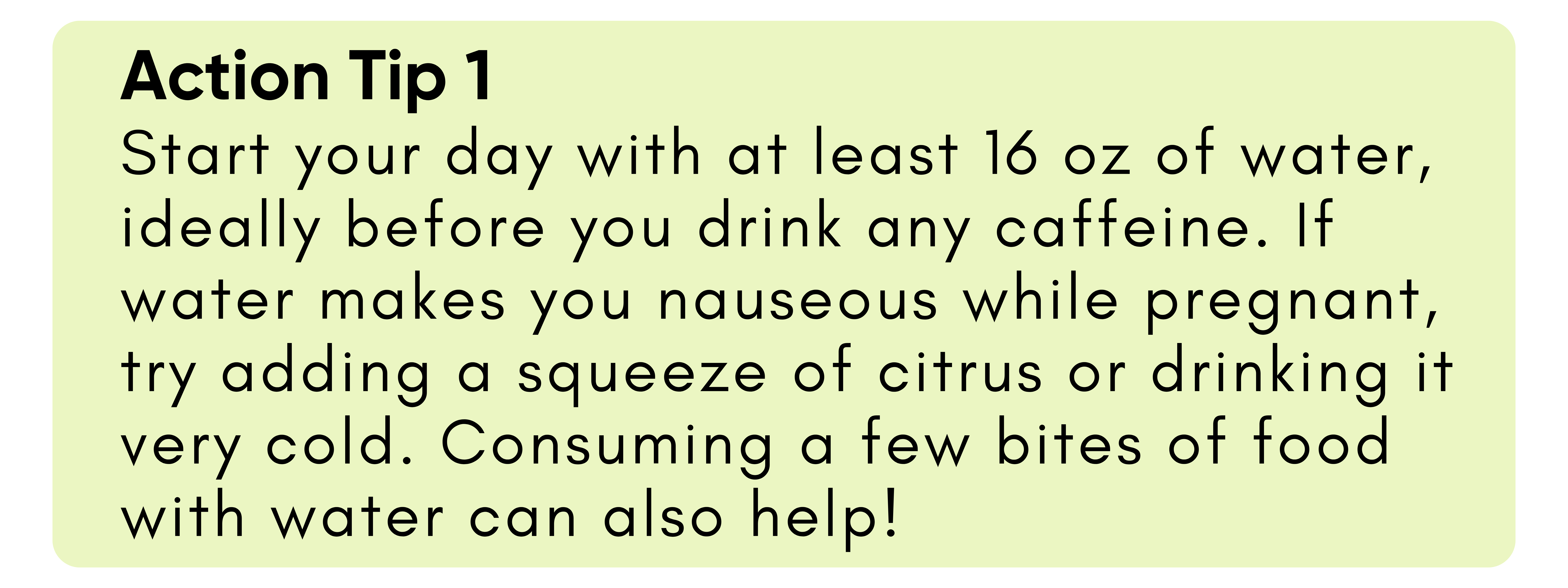
That is why it is essential to keep hydrated and replace any water you lose throughout the day.

Some symptoms of electrolyte imbalance include (3):

  1. Muscle cramps, spasms, or weakness
  2. Irregular heartbeat
  3. Extreme thirst
  4. Fatigue
  5. Confusion
  6. Blood pressure change
  7. Swelling
  8. Seizure 

Electrolytes & Fertility

Electrolyte balance should be monitored while trying to conceive (TTC). Sodium is associated with estrogen synthesis, and sodium, potassium, and calcium are involved in relaxing and contracting the uterus, all of which are critical aspects of reproduction (4). 

Calcium and sodium are also involved in producing lipid hormones that develop follicles and regulate hormone secretion required for ovulation (4). 

Lower sodium intake (<1500 mg daily) has been associated with lower progesterone levels, a hormone critical to the ovulatory process (5). Electrolyte disorders, including an insufficient calcium profile, have been shown to impact fertilization and embryonic development (4). 

In most cases, your body can regulate electrolyte balance to perform the functions needed for conception. Still, it is helpful to remember their importance when TTC and make sure you are getting enough! 

Electrolytes & Pregnancy

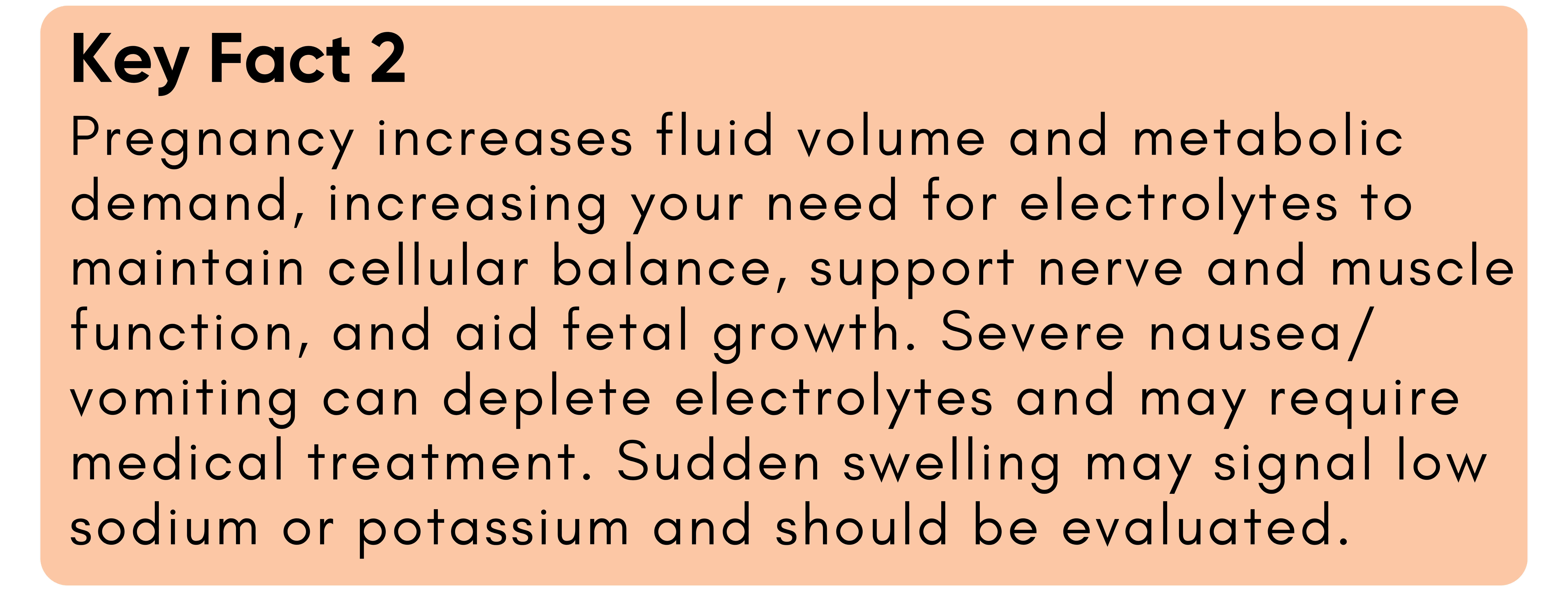
Pregnancy increases the demand on every system in your body, and with that comes greater fluid and electrolyte needs (6). 

Electrolytes work hand in hand with fluids but play distinct roles. Fluids provide volume and transport, while electrolytes allow that fluid to move in and out of cells, maintain electrical signaling, regulate pH, and support normal muscle and nerve function. Drinking more water without adequate electrolytes won’t keep your body properly balanced (7). 

Electrolyte needs rise during pregnancy to match increased fluid volume and the greater metabolic demands of both you and your baby. Getting enough nutrients from foods like fruits, vegetables, dairy, nuts, and mineral salts helps support healthy blood pressure, digestion, and fetal development.

What to Watch Out for in Pregnancy

Certain pregnancy conditions can lead to electrolyte imbalances, and it is vital to recognize the typical symptoms so they can be addressed appropriately. We will discuss some of the more prevalent imbalances so that you know what to do if you encounter them.

Hyperemesis gravidarum

People experiencing hyperemesis gravidarum (HG) — a severe form of nausea and vomiting that can cause dehydration, electrolyte imbalances, and weight loss (8) — often require more than dietary adjustments alone. Hospital-based care is usually necessary to manage symptoms and restore hydration through IV fluids and electrolyte replacement.

Alongside medical treatment, ongoing electrolyte and nutrient replenishment is key to recovery. If you have HG, talk with your healthcare provider about medication options (9). 

Use one of the electrolyte replacement options listed in this guide daily. 

Swelling

While swelling can be normal and due to various causes during pregnancy, it can also be another sign of electrolyte imbalances, such as insufficient sodium relative to total body water (hyponatremia) and/or inadequate potassium (10, 11).

If you experience rapid-onset swelling, it is always worthwhile to contact your medical provider to discuss possible causes and rule out more serious complications. 

Electrolytes for Postpartum & Lactation

Delivering your baby and entering postpartum is a huge milestone—you have just run a marathon (both birth itself and the nine months leading up to birth). 

Pregnancy can leave your body significantly depleted, and consuming additional electrolytes is one way to begin nourishing and restoring yourself postpartum. Mineral replenishment and adequate fluid intake are essential to supporting tissue repair after birth (12).

Electrolytes are also critical for baby if you are breastfeeding, as electrolyte concentrations in breastmilk directly affect your baby’s intake (13). Breastfeeding mothers are at risk of dehydration due to substantial water loss from lactation (approximately 700 mL daily at 8 weeks postpartum) (14). 

Aim for about 16 cups of fluid daily, including at least one electrolyte-containing drink, and support your mineral needs by salting your food well and choosing calcium-, magnesium-, and potassium-rich foods.

How many electrolytes do I need at each stage?

Your electrolyte needs shift slightly throughout the perinatal journey because your fluid balance, blood volume, and hormone activity change. Let’s break it down.

While trying to conceive: 

While trying to conceive, electrolyte needs should reflect the ranges recommended for healthy adult females. During this period, a key thing to remember is to avoid going low on sodium, as explained above, because this can affect progesterone levels.

  • Sodium: Varies per individual; Up to 2300 mg/day (avoid going below 1500 mg – there is insufficient evidence to support low sodium recommendations, even for those with high blood pressure (15, 16))
  • Potassium: 2300–2600 mg/day (17)
  • Magnesium: 310–320 mg/day (18)
  • Calcium: 1000 mg/day (19)

During Pregnancy:

As explained above, electrolyte needs increase slightly to maintain hydration during pregnancy.

  • Sodium: Varies; we do not recommend tracking during pregnancy, as both you and baby need sufficient salt. Salt food to taste, and listen to your body’s cravings for salty foods!
  • Potassium: 2600–4000 mg/day (17)
  • Magnesium: 350–400 mg/day (18)
  • Calcium: 1000 mg/day, more if underconsumed in adolescents (19)

Postpartum/ Lactation: 

Breastfeeding places significant demands on your body, and your electrolyte needs are heightened to support you and your little one. Even if you are not breastfeeding, it is a good idea to consume ample electrolytes in the early postpartum period, as your body is in repair mode post-birth.

  • Sodium: Again, this varies, and limiting sodium is not necessary. Salt food to taste, and eat salty foods if you are craving them.
  • Potassium: 2500–2800 mg/day (17)
  • Magnesium: 310–320 mg/day (18)
  • Calcium: 1000 mg/day (19)

Where can I get electrolytes from?

Now that you’ve learned how essential electrolytes are at each stage, here is the good news: electrolytes are found in almost everything we eat and drink. 

If you eat a varied diet with lots of colorful fruits, veggies, protein, and dairy sources, you get lots of electrolytes daily. Read to learn which foods and beverages are richest in key electrolytes.

Food

Yes, food has electrolytes! And, this is a great way to get them if you aren’t sweating a lot, vomiting, or having diarrhea.  

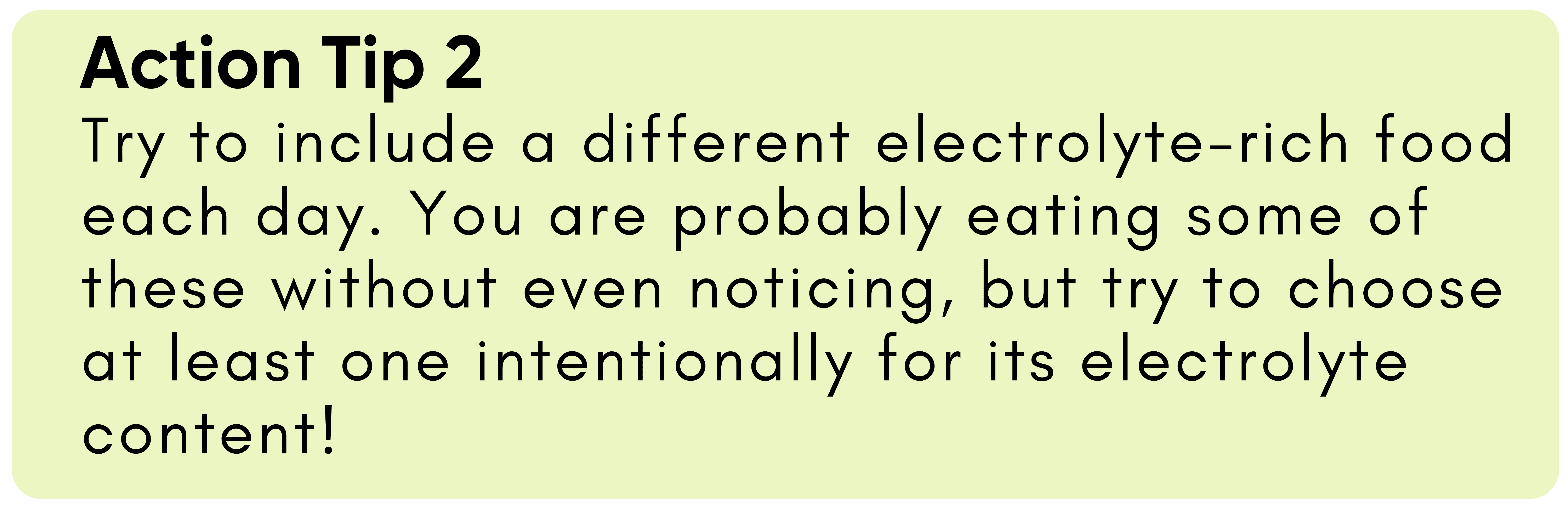
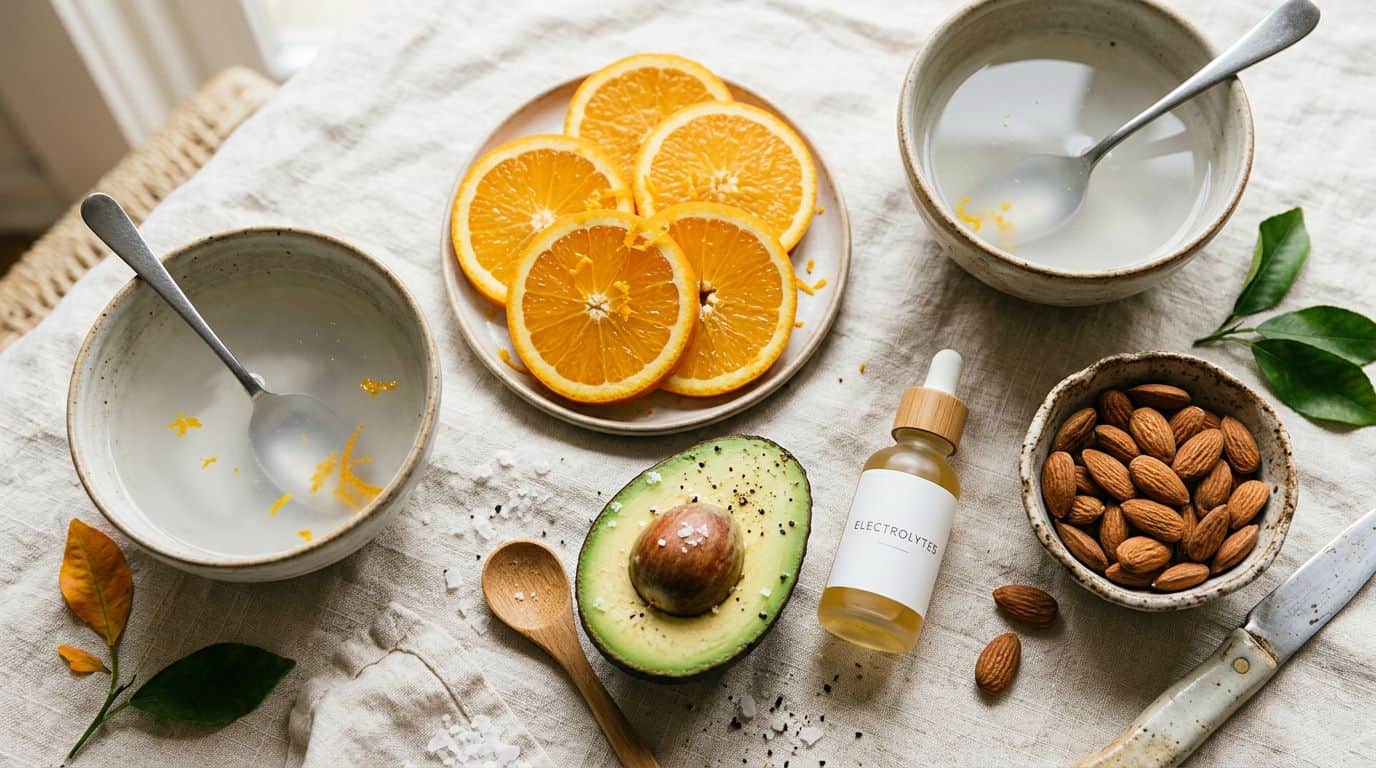
Spinach, kale, avocado, broccoli, soybeans, tofu, almonds, strawberries, watermelon, oranges, bananas, tomatoes, milk, turkey, raisins, olives, canned soup, and many more all have multiple electrolytes.

If you want to get specific, the foods below are rich in the following electrolytes:

  • Magnesium-rich foods: pumpkin seeds, chia seeds, almonds, spinach, cashews, dark chocolate
  • Potassium-rich foods: dried apricots, lentils, prunes, acorn squash, potatoes, kidney beans, bananas, avocados, root veggies, spinach
  • Calcium-rich foods: yogurt, kale, broccoli, canned sardines, salmon with bones, tofu, chia seeds, almonds

Drinks

Many fluids also contain electrolytes. Dairy milk, plant-based milks, fruit juice, coconut water, bone broth, and many smoothies are examples of beverages that naturally contain electrolytes. 

Let’s break down which beverages are rich in key electrolytes:

  • Magnesium-rich beverages: coconut water, watermelon juice, orange juice, celery juice
  • Potassium-rich beverages: milk, coconut water, bone broth, watermelon juice, orange juice, lemon juice, celery juice, beet juice
  • Calcium-rich beverages: milk, kefir, bone broth, soymilk, fortified almond milk, fortified orange juice, celery juice

Electrolyte Powders & Premade Drinks

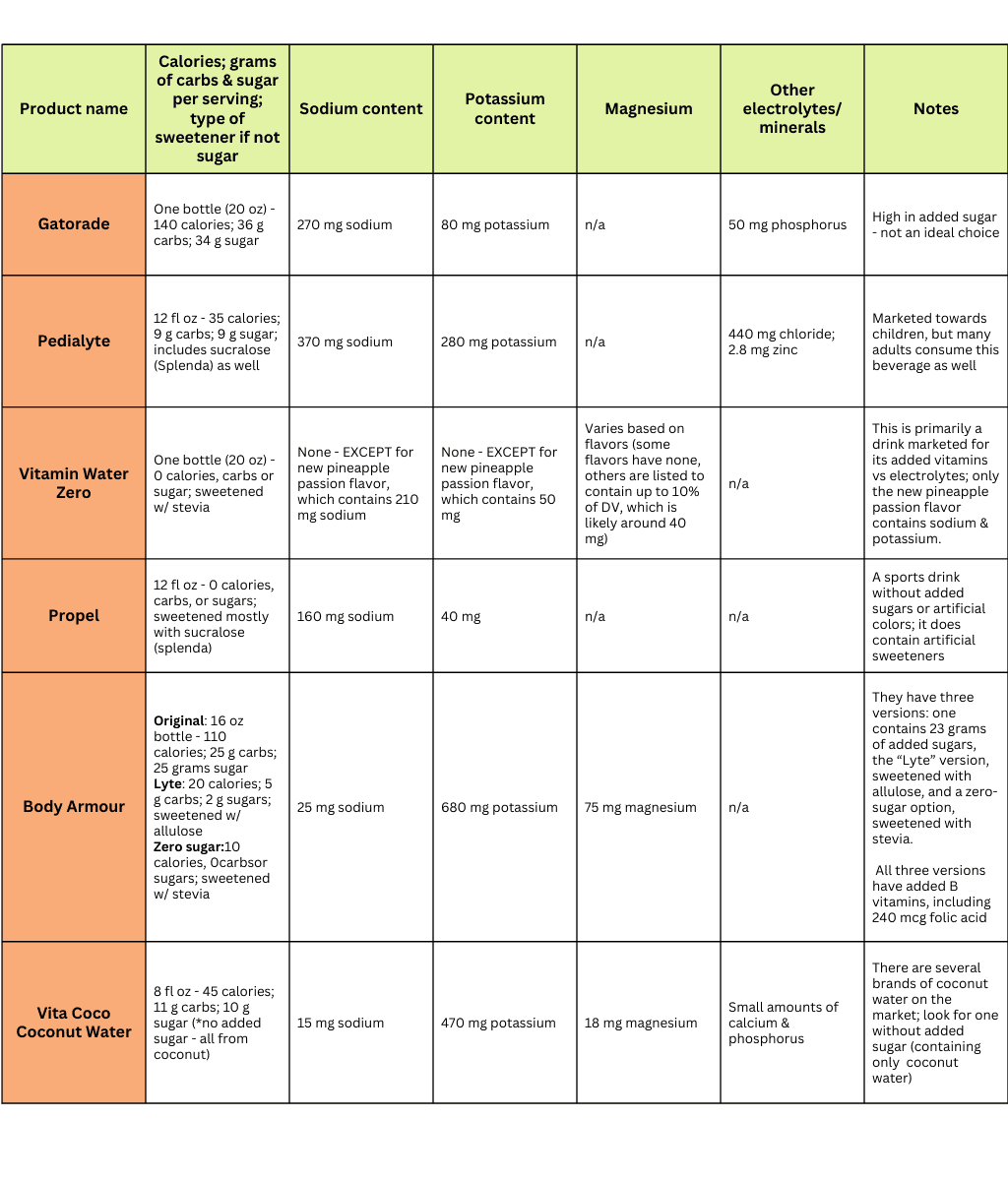
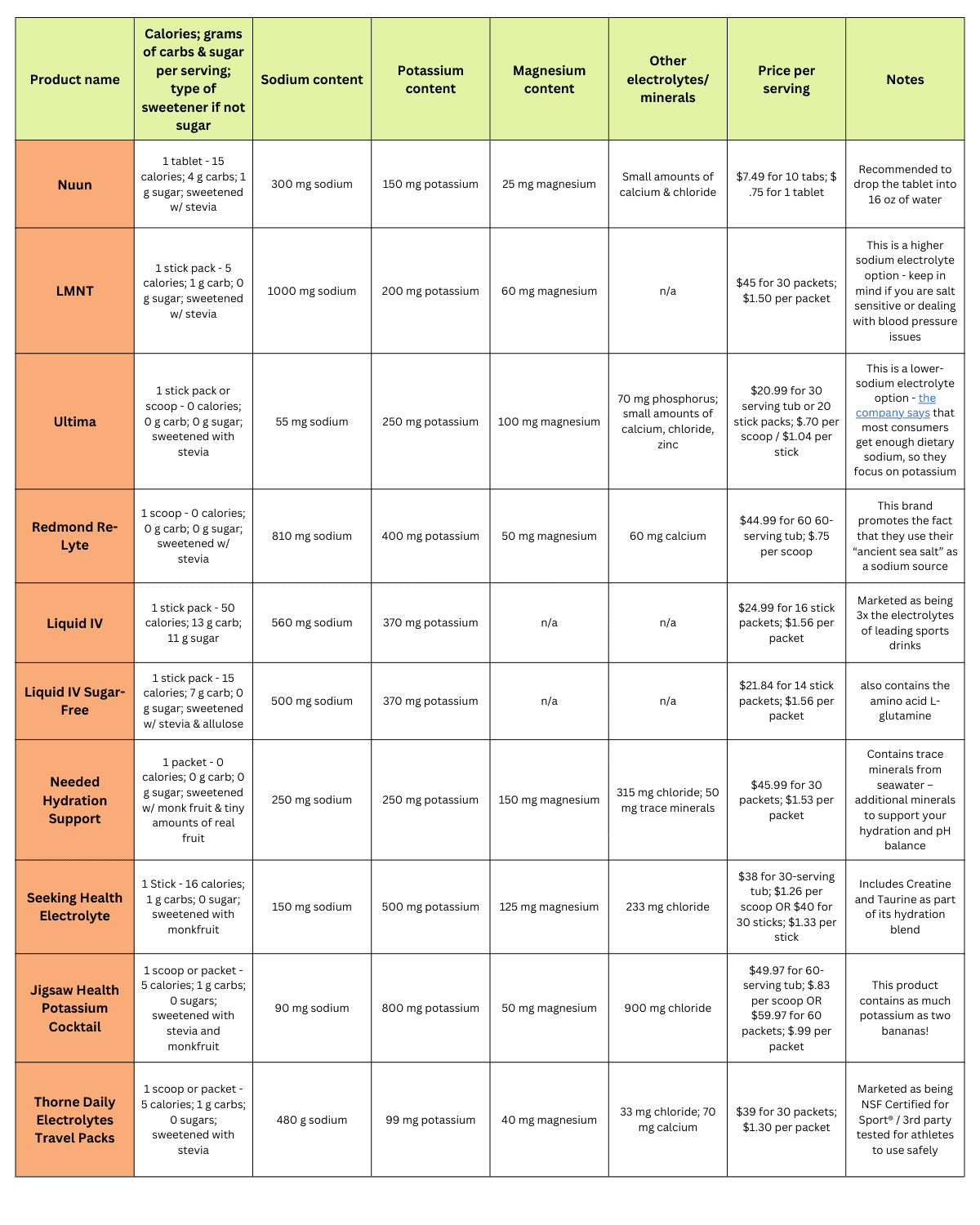
Premade electrolyte beverages and powders contain many of the same ingredients, just in different amounts. It is essential to read the label to know exactly what you are getting. 

Each brand varies in the amount of sugar, the type of sweetener, the amount of electrolytes, and the sources. 

See Table 1 for ready-to-drink beverages and Table 2 for powdered options that you need to mix with water.

Table 1: Electrolyte Beverages (ready-to-drink):

Table 2: Electrolyte powders (must be mixed with water):
Top Electrolyte Powder Picks:

How to make your own electrolyte beverage 

It is also easy to make your own electrolyte-rich drink mix. 

The basic formula is to combine a sodium source (like a pinch of sea salt) with a potassium and magnesium source from above, such as orange juice and/or coconut water. There are endless combinations to try, and you can get creative with the different minerals! 

Check out our mineral mocktail guide for examples, including a fantastic lemonade and our favorite Mango Creamsicle mocktail.

To get you started, here is a super simple DIY recipe:

Electrolyte Balance Recipe 

Ingredients:

  •   1 lemon, juiced
  •   ½ cup apple juice or orange juice, 100% fruit juice
  •   ¼ tsp sea salt
  •   1-liter coconut water, unsweetened

Directions: 

  1. Wash the lemon. Juice the lemon in a separate bowl, then pour it directly into the decanter.
  2. Add the lemon juice, fruit juice, stevia, and sea salt to a medium-sized decanter.
  3. Lastly, add the coconut water and stir to combine.  

Go to beverage recipes.

Side effects and cautions

It’s hard to overdo electrolytes from food alone. Excess intake is more likely from multiple electrolyte drinks or powders—limit to no more than two per day unless your healthcare team advises otherwise.

Here are a few complications of electrolyte imbalance, for awareness:

Hypernatremia (high sodium)

Occurs when water loss exceeds sodium loss or when sodium intake is too high (8). Taking electrolyte powders without adequate water can contribute. Other causes require medical evaluation.

Hyperkalemia (high potassium)

Extremely rare from food; no upper limit exists for dietary potassium in healthy adults (17). People with impaired kidney function or on medications like ACE inhibitors should avoid large supplemental doses (17).

Hypermagnesemia (high magnesium)

Typically linked to very high intakes from magnesium-containing laxatives or antacids (18). While rare from a regular diet or supplements, a supplemental UL (tolerable upper limit) of 350 mg/day exists (18). This limit applies only to supplements. Consuming abundant magnesium from food sources is perfectly safe—you will not overdo it!

Calcium and phosphate excess are also uncommon and are usually associated with medications or underlying conditions (19, 20). 

Mineral Ratios & Functional Testing

Electrolytes are a specific subset of minerals that carry an electric charge when dissolved in water. This charge allows them to conduct nerve impulses and regulate fluid balance. In other words, all electrolytes are minerals, but not all minerals are electrolytes. 

Because electrolytes and minerals work together, their ratios matter as much as their individual amounts. Each mineral influences how the others are absorbed, stored, and utilized, and when one is out of balance, it can ripple through the entire system.

Example ratios:

  • Sodium: PotassiumThe Vitality Ratio tells us a lot about our stress response. It represents not only how our adrenals are functioning but also how our kidneys are functioning!
  • Calcium: Magnesium—The Blood Sugar Ratio. Imbalances in this ratio can lead to high and low blood sugar!
  • Calcium: Phosphorus—The Nervous System Ratio. This ratio tells us our “metabolic type,” such as slow or fast. 

During pregnancy and postpartum, these ratios naturally shift in response to blood volume expansion, hormonal changes, and recovery demands. Tracking how you feel, energy, hydration, muscle function, and stress resilience can give early hints of imbalance, but functional testing offers clearer answers.

Functional Testing: HTMA

For a deeper look at your mineral and electrolyte status, the Hair Tissue Mineral Analysis (HTMA) provides a non-invasive way (cutting a small piece of your hair) to assess long-term mineral patterns. It can reveal chronic deficiencies, exposure to toxic elements, and the balance among key minerals such as sodium, potassium, calcium, and magnesium.

HTMA results can complement bloodwork and help personalize your electrolyte and mineral support across all perinatal stages. 

Learn more about it here! Book your HTMA bundle with our team of dietitians under “nutrition services.”

The Bottom Line

  1. Electrolytes are charged minerals that keep your body functioning. They regulate hydration, pH, nerve and muscle activity, and nutrient transport. During the perinatal journey, your electrolyte needs shift as blood volume, hormone levels, and fluid balance change.
  2. Maintaining adequate sodium, potassium, calcium, and magnesium supports hormone production, ovulation, and uterine function while trying to conceive.
  3. During pregnancy, electrolyte and fluid requirements increase to support blood volume expansion, digestion, and fetal growth. Sodium, in particular, plays a vital role in blood pressure regulation and hydration. Salt restriction is outdated and unnecessary for most healthy pregnancies.
  4. In the postpartum and lactation phases, electrolytes help replenish losses from birth and breastmilk production, aiding recovery and sustaining milk supply.
  5. Electrolytes are found in many foods and beverages, such as dairy products, fruits, vegetables, coconut water, and bone broth. Regularly include a variety of electrolyte-rich foods in your diet. 
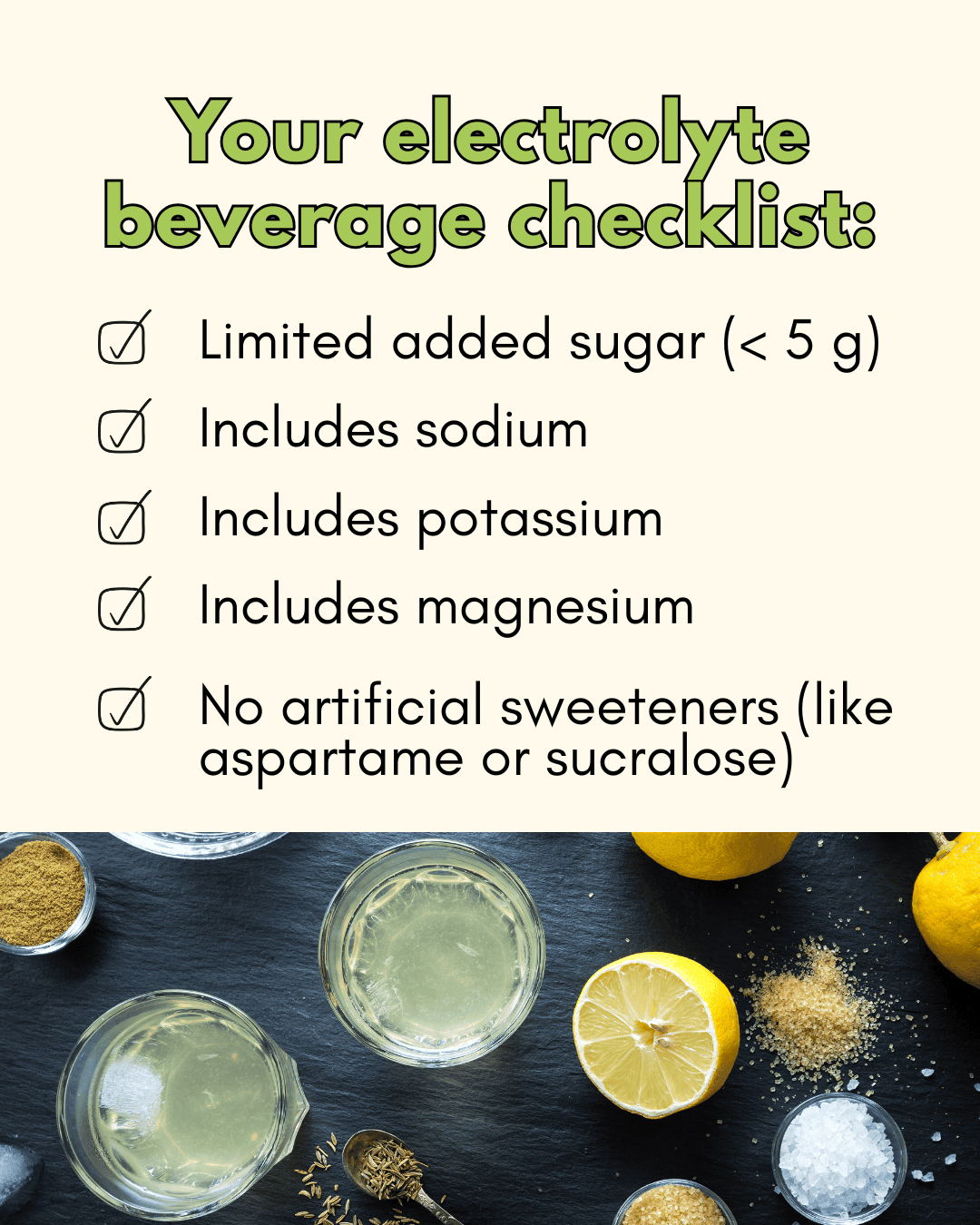
  6. If you use an electrolyte supplement or beverage, choose one with limited added sugar, no artificial sweeteners, and sodium, potassium, and magnesium included. If you have the time, try making your own electrolyte beverage! You will likely save money and can customize the ingredients. 
  7. Remember, electrolytes are minerals, and their ratios matter. Staying attuned to your symptoms and considering  HTMA testing can provide deeper insight into your mineral balance.

Written by: Blair Strickland, Dietetic Intern, and Ryann Kipping, MPH, RDN, LDN

Posted on

Chai Tea v2

What is chai tea?

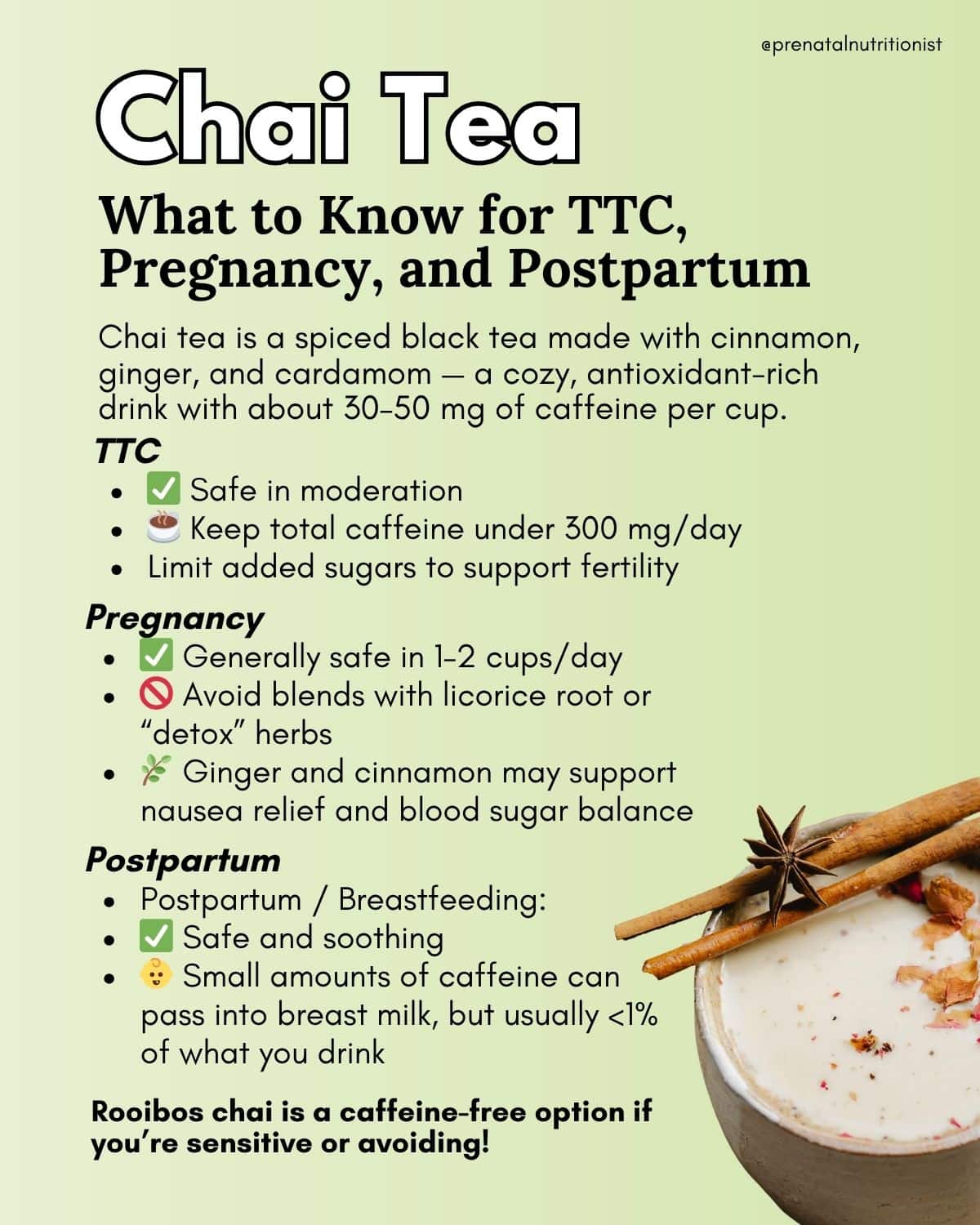
Chai tea is a popular spiced tea traditionally made by brewing black tea with a mixture of aromatic herbs and spices. The word chai means “tea” in many languages, specifically in Hindi, Urdu, and Persian. It originated in India and has deep cultural roots as a daily staple and symbol of friendship and hospitality (1).

In India, it is known as masala chai, which means “spiced tea.” In America, it is commonly referred to as chai tea, which technically means “tea tea” but is understood to mean spiced tea.

Though the specific spices can vary by recipe and region, a typical chai blend includes (2):

  • Cinnamon
  • Ginger
  • Cardamom
  • Cloves
  • Mace
  • Black pepper
  • Nutmeg
  • Star anise

Preparation also varies by tradition, but it often includes milk and a sweetener such as honey or sugar. It usually involves simmering the tea, milk, and spices to create a creamy, flavorful beverage. Common regional and global adaptations include chai lattes, Thai iced tea, and Kashmiri chai.

Is chai tea safe to drink during pregnancy?

Yes

However, since chai tea is made with black tea, there are a few things to consider during pregnancy. You can read more about black tea and pregnancy here. Concerns about chai center around caffeine, spice content, and additives found in commercial versions.

Caffeine content 

The recommended caffeine limit for pregnancy is 100-200 mg per day due to the increased risk of complications. One cup of chai tea contains around 47 mg of caffeine, due to the black tea base (3,4,5). While there is no guaranteed safe amount since caffeine sensitivity can vary, the caffeine in a serving of chai is generally considered low-risk. 

Read more about caffeine during pregnancy here.

Spice content 

A few spices to keep in mind are ginger and licorice root.

  • Ginger is safe during pregnancy in amounts up to 1 gram per day. This spice is interesting as ginger is commonly used outside chai, especially to aid nausea. To learn more about ginger and pregnancy, click here
  • Licorice root is not typically found in traditional chai blends but can occasionally be included. However, it should be avoided during pregnancy, as it has been associated with preterm birth and potential harm to fetal development (6,7). This is due to the glycyrrhizin, a compound found in licorice that acts as an inhibitor for cortisol metabolism (8).

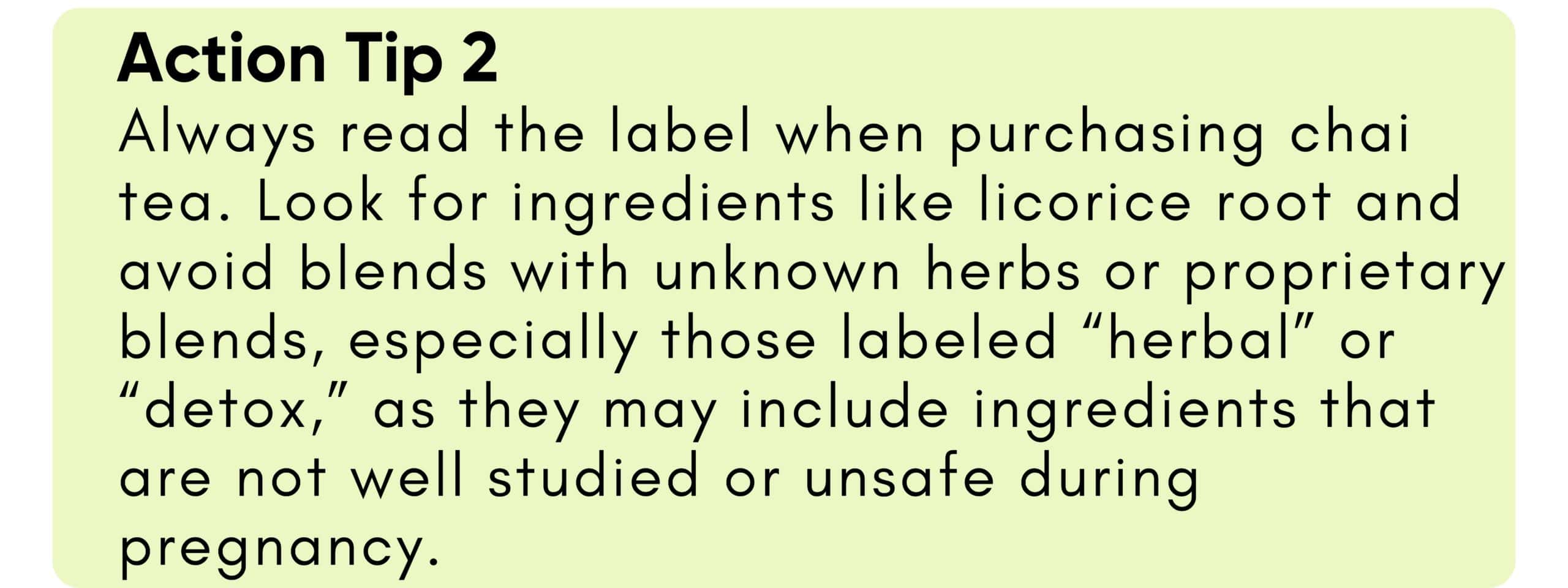
Due to the variations in chai blends and preparations, it is always a good idea to check the label or ingredient list so you know exactly what is in your drink.

Anti-nutrients

Like other black tea-based beverages, chai tea contains compounds called tannins, a polyphenol. Tannins are sometimes considered anti-nutrients because they can interfere with the absorption of nonheme iron, the form of iron found in plants, and folate (9). 

This concern is generally less significant if you get enough iron from animal sources, which provide more readily absorbed heme iron. Despite this, tannins also offer beneficial properties, including antioxidant and anti-inflammatory effects (10).

What about while trying to conceive?

Although the same caffeine considerations apply, chai tea is generally safe while trying to conceive. Some evidence suggests that excessive caffeine intake may reduce fertility, but moderate consumption (under 200 mg per day) is considered low-risk (11, 12).

As mentioned, chai tea can be prepared in various ways, and sweeteners such as sugar or honey are often added. However, limiting the intake of sugar-sweetened beverages is important, as high added sugar consumption has been associated with reduced fecundability, which can affect fertility in both men and women (13, 14, 15, 16).

Are there benefits to drinking chai tea during pregnancy?

While not essential, chai tea may offer some mild benefits. While few research studies have examined the specific benefits of chai tea itself, there is more evidence supporting the effects of black tea and some of the individual spices included in the blend. 

Blood sugar management

Black tea has been shown to help lower postprandial (after-meal) blood sugar levels, making it a potentially helpful option for better glycemic control (17, 18). 

Additionally, cinnamon has demonstrated promising effects in vitro studies, including improving insulin sensitivity and stimulating cellular glucose metabolism (19). 

In a small human study involving individuals with diabetes, cinnamon was found to have antihyperglycemic properties and the potential to support postprandial glucose control (20). However, definitive conclusions could not be drawn due to the study’s size and limitations.

Nausea management 

Ginger and cardamom, both commonly found in chai, have been associated with reducing nausea and vomiting. Ginger has been widely studied and proven safe and effective during pregnancy (21). 

While cardamom has also demonstrated anti-nausea effects, the evidence primarily comes from studies in which cardamom oil was inhaled rather than ingested, so its effects in chai tea may be limited (22).

Antioxidant properties

Black tea contains antioxidants such as theaflavins and catechins, which help to reduce inflammation and oxidative stress. These effects support immune function and may reduce the risk of pregnancy-related complications (23, 24, 25). 

Clove and cinnamon are also rich in polyphenols, which contribute to immune support and inflammation reduction. Polyphenols have been shown to exert protective effects against complications such as preeclampsia, gestational diabetes, and fetal growth restriction (24, 26).

Precautions and Considerations

Even though chai tea is generally safe to consume during pregnancy and may offer some mild benefits, there are a few important factors to keep in mind:

Common spice safety:

As mentioned above, some of the spices in chai require special attention during pregnancy:

  • Ginger is considered safe and can help ease nausea, but it is typically recommended that you limit it to 1 g per day. 
  • Licorice root, which is occasionally added to chai blends, should be avoided during pregnancy as it has been linked to adverse effects on fetal development. 
  • Be cautious of unknown herbs or proprietary spice blends in chai mixes. 

Caffeine

Chai tea made with black tea contains about 30-50 mg of caffeine per cup, so it is best to limit intake to 1-2 cups per day unless using decaf or caffeine-free alternatives. Be especially mindful of cafe-style chai lattes, which may contain espresso or be more concentrated, resulting in higher caffeine levels, often 40-70 mg per serving.

Sugar content

Store-bought chai concentrates, bottled chai, or cafe-prepared chai often contain significant added sugar, with some versions containing over 30 g per serving. Excess added sugar can contribute to blood sugar spikes and is important to monitor during pregnancy.

Additives or preservatives

Many commercially available chai products contain:

  • Artificial flavors—These are sometimes used to mimic the taste of real spices. Not all artificial flavors are well studied in pregnancy, and some may pose a potential risk to fetal development (27).
  • Preservatives— ingredients like potassium sorbate or sodium benzoate are often added to extend shelf life. While generally recognized as safe (GRAS) in small amounts, it is best to limit exposure when possible due to concerns about cumulative intake during pregnancy (27). 
  • Sugars and stabilizers—Many chai concentrates and bottled versions contain added syrups (such as cane sugar, brown sugar syrup, or corn syrup) which can increase overall sugar intake. Stabilizers such as guar gum and xanthan gum are commonly used in commercial chai products. While these are generally safe, they may cause digestive discomfort, such as bloating, in some individuals (28).

What about during postpartum?

Yes, you can drink chai tea while postpartum or breastfeeding! 

Chai tea generally contains no harmful ingredients for you or your baby while breastfeeding. However, it is important to be mindful of caffeine intake, still, as small amounts can pass into breast milk, typically containing less than 1% of the caffeine consumed by the mother (27). 

In moderation, chai can be a comforting and soothing postpartum beverage.

What type of chai tea is best to buy?

When deciding which chai tea to purchase, you typically have the option of tea bags or loose-leaf chai versus concentrates. Tea bags or loose-leaf chai offer more control over ingredients and sugar content, allowing you to sweeten and prepare it to your preference. 

Concentrates, such as boxed chai, cafe-style tea, or lattes, are more convenient but often contain higher amounts of added sugar and preservatives, so it is important to read the label carefully.

Look for:

  • Organic, non-GMO brands
  • No added licorice root or unknown herbs
  • Simple and recognizable ingredients, such as black tea, cinnamon, ginger, clove, and cardamom
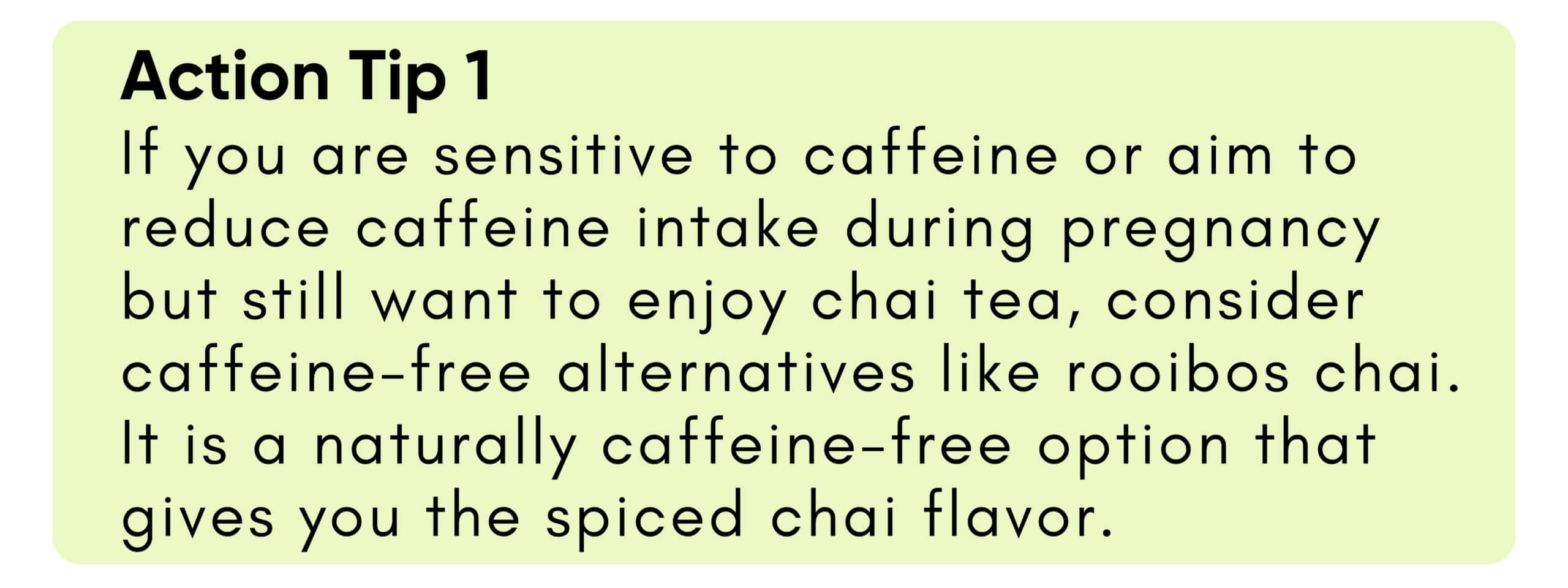
  • Decaf or rooibos-based chai options are naturally caffeine-free and are a good alternative when limiting caffeine during pregnancy or nursing.

Some example brands are:

  • Tazo – organic Chai tea bags
  • Good and Gather – organic chai tea bags
  • Whole Foods market – spiced chai tea bags
  • From Great Origins – organic chai loose leaf tea
  • Full leaf tea co. – organic masala chai loose leaf tea
  • Tazo – organic Tea Latte Chai Black Tea concentrate
  • Oregon – Chai Tea Concentrate
  • Numi – Organic Rooibos Chai Tea (Decaf)
  • Yogi Barista Caffeine-Free Organic Chai Latte, Tea Concentrate (Decaf)

The Bottom Line 

  1. Chai tea is a traditional Indian spiced tea made with black tea, milk, and warming spices like cinnamon, ginger, cardamom, and clove. It’s naturally rich in flavor and antioxidants.
  2. It’s generally safe to enjoy during pregnancy, postpartum, and while trying to conceive, as long as it’s consumed in moderation. 
  3. A typical cup contains around 30–50 mg of caffeine, so limiting intake to 1–2 cups daily is ideal. Avoid blends with licorice root or “detox” herbs, and check ingredient lists carefully.
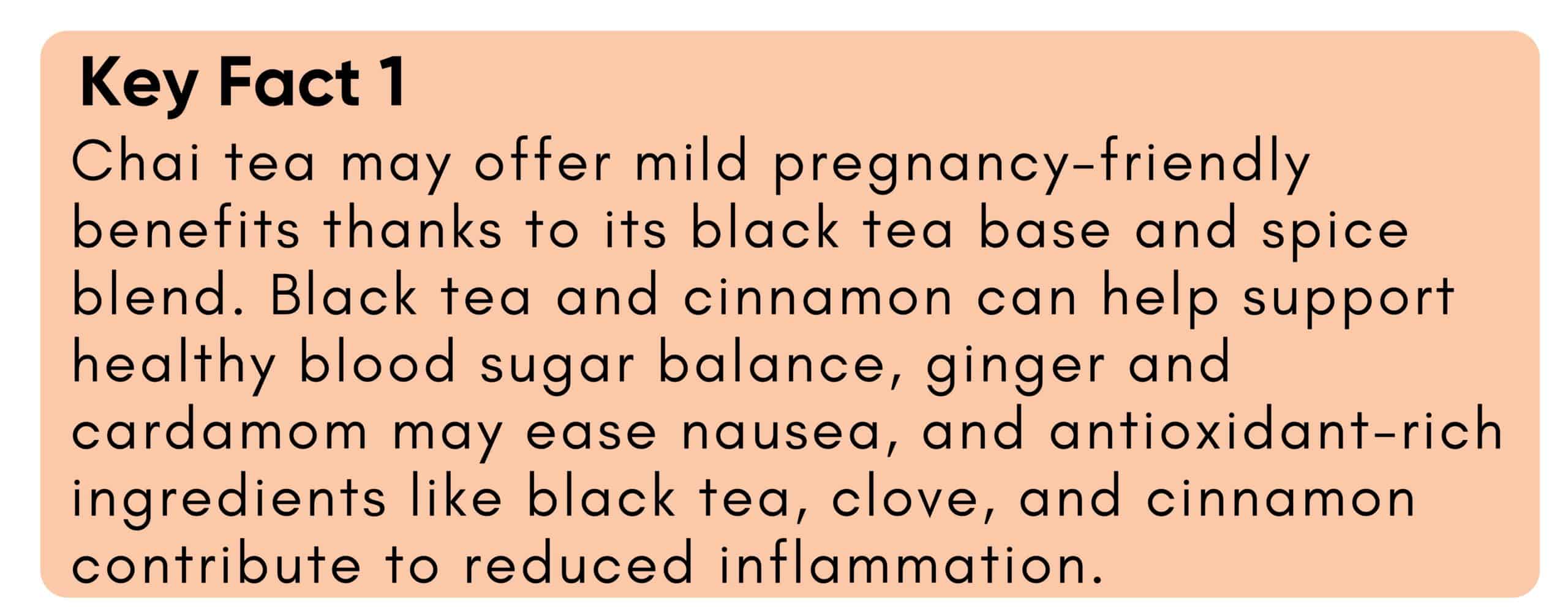
  4. Thanks to its black tea and spice blend, chai may offer gentle benefits. Black tea and cinnamon may help support blood sugar balance, while ginger and cardamom may ease nausea. Antioxidants in black tea and spices like clove and cinnamon can also reduce inflammation and support immune function.
  5. When choosing chai, watch for added sugars, artificial flavors, or preservatives often found in café drinks or bottled concentrates. Opt for organic bagged or loose-leaf chai made with simple ingredients, or make your own at home for full control.

Written by: Ana-OConnell, Dietetic Intern, and Ryann Kipping, MPH, RDN, LDN

Posted on

Fish-Free v2

If you’re allergic to shellfish (but not fin fish)

A shellfish *only* allergy does not automatically mean you need to avoid all seafood.
If you tolerate fin fish, you can still get the benefits of seafood by choosing low-mercury fish.

Low-mercury options to prioritize: salmon, sardines, anchovies, mackerel, trout, cod, haddock, tilapia, pollock, canned light tuna.

Still avoid high-mercury fish such as sharks, swordfish, king mackerel, marlin, orange roughy, and bigeye tuna.

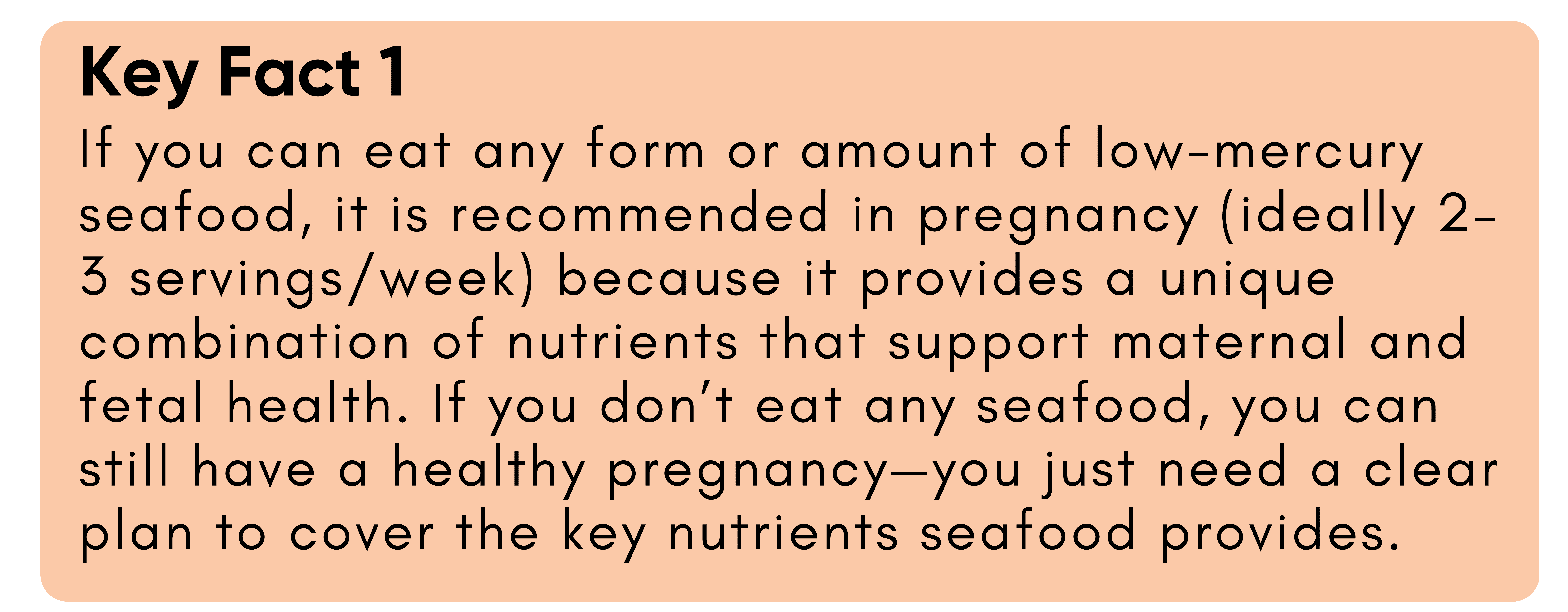
Fish is one of the best foods you can eat during pregnancy; it is an efficient source of protein, DHA/EPA, iodine, selenium, B12, and vitamin D in a single food.

If the reverse is true, you can’t eat fin fish, but you can eat shellfish, then we recommend including shellfish regularly! 

If you can’t eat any seafood at all

If you do not eat any seafood at all, the biggest nutrient concern is DHA (the main omega-3 fat important for fetal brain and eye development).

In that case, I recommend supplementing with DHA/EPA; without any seafood, you will not be able to meet your DHA needs. 

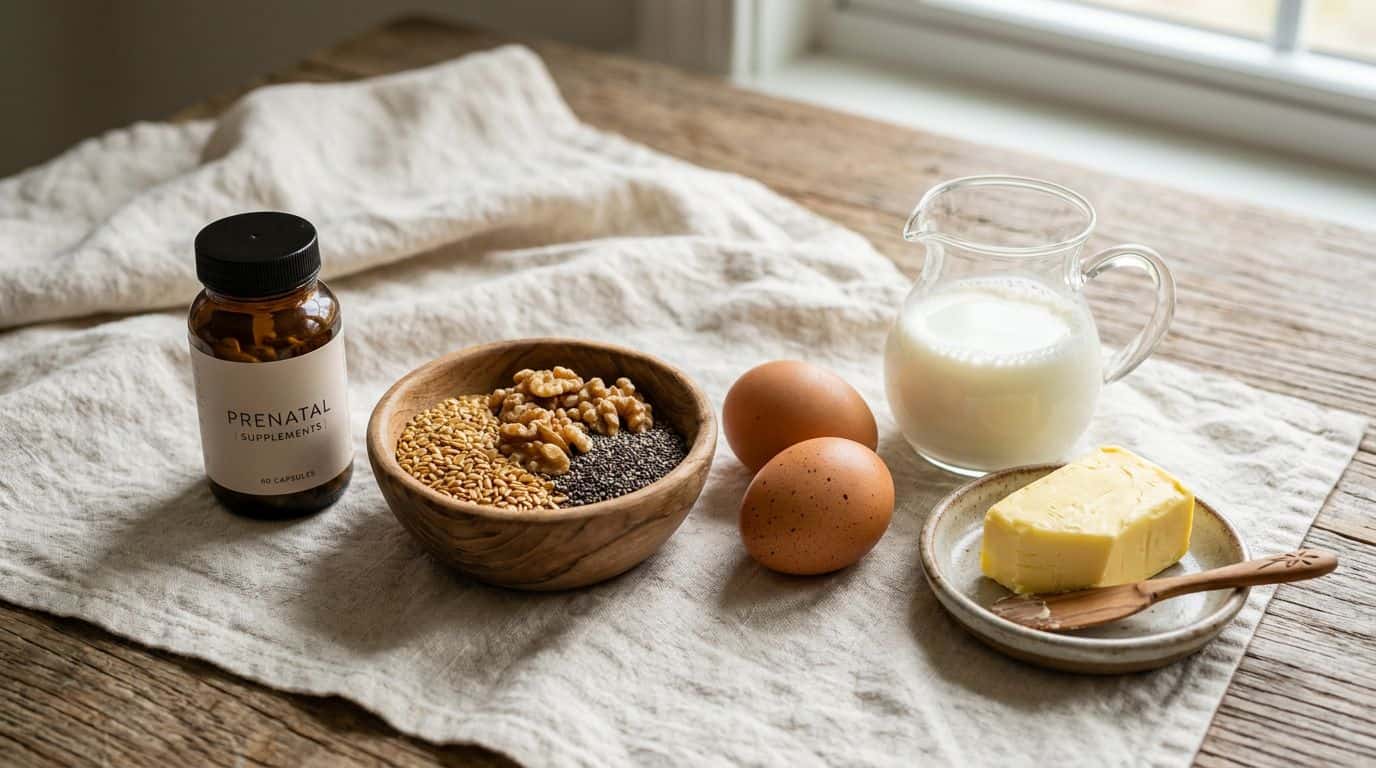
Plant omega-3s (like flax/chia/walnuts) are ALA, which converts poorly to DHA, so they’re great foods, but not a reliable source of DHA.

First-Trimester Fish Aversion

If fish sounds repulsive in the first trimester, it is okay. This is very common, and it does not mean you’re “failing” your nutrition or putting your pregnancy at risk. It just means your plan needs to shift temporarily.

Short-term strategy (what to do right now):

    • Prioritize a DHA/EPA supplement during this phase, since fish is your most reliable food source of DHA.
    • Don’t try to “force” fish if it makes you feel worse 
    • Revisit fish later in pregnancy when your appetite stabilizes (many people tolerate it again in the second trimester).
  • DHA needs are highest in the third trimester, when fetal brain and eye development accelerate.

Other foods to include while fish feels hard:

  • Pasture-raised or omega-3-enriched eggs
  • Grass-fed beef and dairy (if you eat them)
  • Small amounts of seaweed/algae foods (if tolerated)

Iodine note for this phase:
If fish is off your plate for weeks or months, make sure you are getting iodine from either:

  • A prenatal that contains iodine (at least 150 mcg), and/or
  • Regular dairy intake and/or
  • Seaweed 

Nutrient

Why it matters in pregnancy

Best non-fish sources

DHA/EPA

Fetal brain + eye development

Algae supplement, pasture-raised/omega-3 eggs, grass-fed beef & dairy, seaweed

Iodine

Thyroid + brain development

Iodized salt, dairy, eggs, seaweed (in moderation), find a prenatal with a sufficient amount

Vitamin D

Bone health, immunity, and pregnancy outcomes

Sun exposure, fortified dairy/plant milks, eggs, mushrooms, supplement

Selenium

Thyroid + antioxidant support

Brazil nuts, eggs, dairy, poultry

Vitamin A (retinol)

Vision, immunity, fetal development

Eggs, dairy, liver (in small amounts)

Vitamin E

Antioxidant protection

Nuts, seeds, avocado, olive oil

Calcium

Bones + fetal skeleton

Dairy, fortified milks, tofu, sardines (if you eat them), leafy greens

Phosphorus

Bone + cellular function

Dairy, beans, whole grains, nuts

Vitamin B12

Nervous system + red blood cells

Eggs, dairy, meat — supplement if vegetarian

Vitamin D Note

Whether you eat fish or not, most people need to supplement vitamin D in pregnancy.

But this is especially important if you avoid seafood, since fatty fish is one of the only reliable food sources of vitamin D.

Have your level checked, if possible, and plan to supplement. Learn more about vitamin D here.

Iodine Note

Iodine is required for the synthesis of thyroid hormones, which support fetal brain and nervous system development. Needs increase in pregnancy, and seafood is one of the more reliable dietary sources, so iodine is a nutrient to pay closer attention to if you avoid seafood.

How to cover iodine if you don’t eat seafood:

  • Use a prenatal that includes iodine; not all do—check the label and see our recommendations here.
  • Use a combination of iodized salt and sea salt in the kitchen. 
  • Include dairy and/or eggs if tolerated, as they can contribute iodine.

Seaweed contains iodine, but the amount can vary widely and may be excessive depending on the type and serving size. For this reason, seaweed is not the most consistent source of iodine during pregnancy.

Learn more about iodine here.

If you are a vegetarian or a vegan

See the vegetarian note for full recommendations on protein, iron, B12, iodine, and omega-3 sources.

Other Food Source of direct DHA

These are helpful add-ons, but not enough alone without a supplement:

  • Pasture-raised or omega-3-enriched eggs
  • Omega-3-enriched milk 
  • Algae/seaweed (food or supplement)
  • Grass-fed beef
  • Grass-fed dairy

These are good foods to prioritize weekly, but they should still be paired with an algae- or fish-based DHA.

What Supplement Should You Use?

Look for a product that:

  • Contains DHA + EPA, at least 300 mg of DHA
  • Comes from small fish or algae (not flaxseed or flax oil)
  • Is third-party tested for purity (mercury, heavy metals, etc.)

Supplement Examples

Nordic Naturals Arctic Cod Liver Oil contains no Vitamin D but does contain some Vitamin A along with DHA & EPA.

Nordic Naturals Algae Omega – no Vitamin D

Nordic Naturals Prenatal DHA also contains 400 IUs Vitamin D so make sure to take that into account.

The Bottom Line

  1. If you can eat any type of low-mercury seafood, it is recommended in pregnancy, ideally two to three servings per week.
  2. If you cannot eat fish or any seafood, DHA is the main gap, and you should plan to supplement with DHA/EPA.
  3. Plant-based omega-3 foods, such as flax and chia, are valuable, but they do not reliably meet pregnancy DHA needs on their own.
  4. Fish oil supplements are beneficial but not nutritionally equivalent to eating fish, as they typically provide only DHA/EPA and, in some cases, vitamin D, rather than the full nutrient profile found in seafood.
  5. If seafood is off the table, have a clear plan for foods you will include to obtain vitamin D and iodine, as well as a prenatal vitamin that provides these nutrients.