

Notes By Stage : Lactation
Almonds and Almond Butter

Blood Sugar Tests

Bone Broth

Breastfeeding Troubleshooting

Caffeine

Chia Seeds
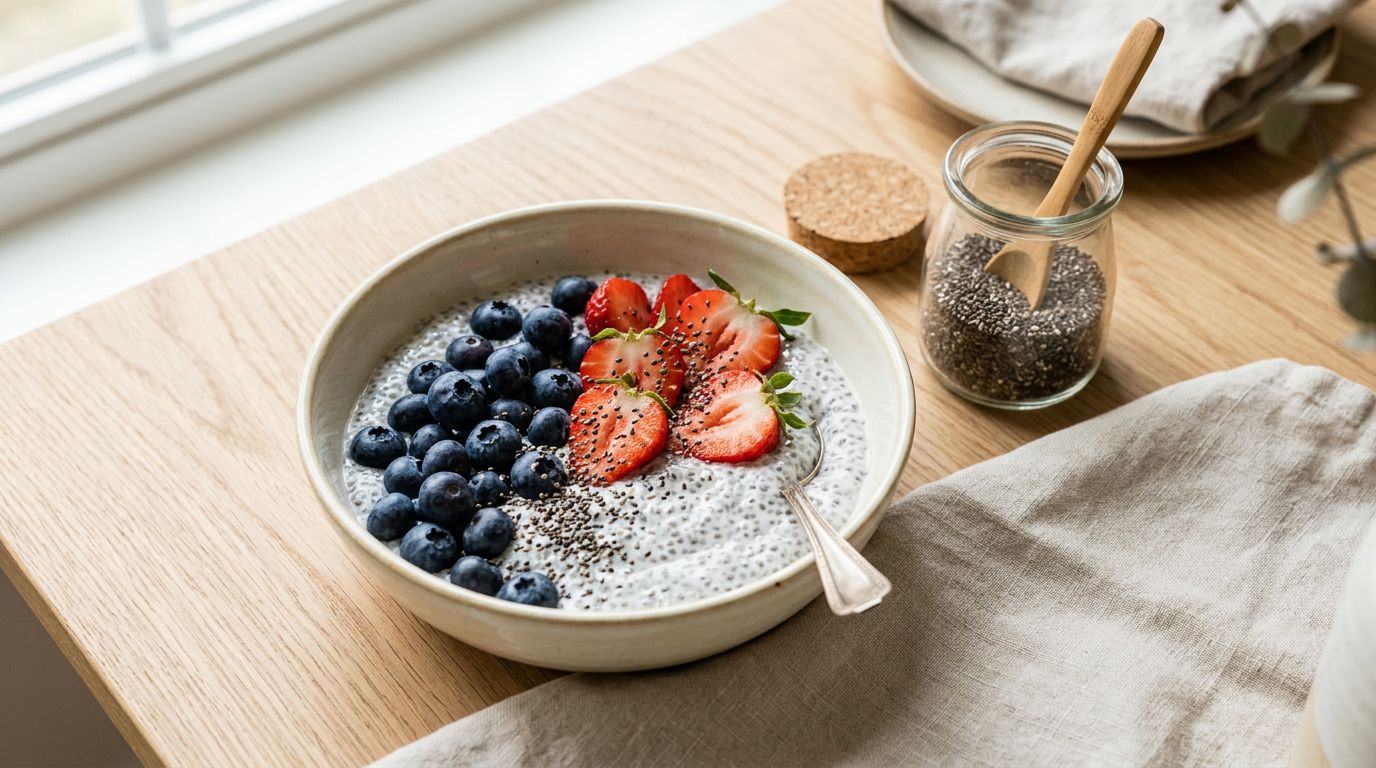
Have you been wondering if eating chia seeds while pregnant is beneficial to you and your baby?
Chia seeds come from a desert plant, from the mint family, called Salvia hispanica. You may know them for their dark, black color, and all of the fun recipes that chia can be incorporated into (chia pudding, anyone?).
While pregnant, you’re doing everything you can to make the healthiest choices possible for you and your growing baby. Let’s sort out the facts about chia seeds and pregnancy!
Are chia seeds safe during pregnancy?
Chia seeds are safe to eat during pregnancy and, like many other whole grains and seeds, contain numerous beneficial nutrients for pregnancy, which will be discussed more below.
What food group are chia seeds in?
Chia seeds are unprocessed, whole grains, and are the seed of the flowering plant Salvia hispanica grown in several Latin American countries, as well as Australia. Legend has it that ancient warriors attributed their strength and stamina to this tiny seed (1).
Chia seeds are either white or black in color, but you may be used to seeing the dark chia seeds in your local grocery store. There is no nutritional difference depending on the color of the chia seed, unless it is brown, which means it is not ripe.
They are 9% water, 46% carbohydrate (mostly fiber), 34% fat, and 19% protein (2).
These little seeds pack a plentiful nutrition punch. They are considered to be a complete protein source, which means chia seeds contain all nine essential amino acids (3).
Amino acids are the building blocks for protein, and essential amino acids are so important to obtain from your diet because your body cannot make them.
Protein is important during pregnancy as it helps your baby grow (4). Protein needs vary person to person and your needs continue to increase as you move throughout pregnancy (5).
A woman who weighs around 150 pounds, needs close to 80 grams of protein per day in early pregnancy.
Nutrient breakdown
1 Tablespoon (13 grams) Chia Seeds
Energy: 60 calories
Carbohydrates: 5 g
Fat: 4 g
Protein: 2 g
Fiber: 4 g
Calcium: 80 mg
Iron: 1.08 mg
Cholesterol: 0 g
All values provided by the USDA nutrient database
Benefits of chia seeds during pregnancy
Omega-3 fatty acids
Chia seeds are an excellent source of omega-3 fatty acids, containing 7 grams per 1 tablespoon.
Most of the omega-3 fatty acids in chia seeds are ALA (alpha-linolenic acid), which exerts antioxidant and anti-inflammatory effects (6).
ALA is a type of omega-3 fatty acid, just like DHA, however, they are not equivalent in function.
DHA is a crucial nutrient in the development of your baby’s brain and has been studied quite a bit in relation to cognition after birth (7).
ALA is converted to DHA but at a very poor rate. Therefore, you still need to get DHA in your diet from sources that contain DHA directly, like fish (8).
Most experts agree DHA is the most important omega-3 and we know this is true during pregnancy. But, not to worry, chia seeds have other benefits besides containing high amounts of ALA.
Fiber
Chia seeds contain a unique blend of soluble and insoluble fiber, so they can be beneficial in alleviating pesky gastrointestinal (GI) issues, like constipation.
The high fiber content coupled with protein may even help reduce your risk of developing gestational diabetes (9). With guidance from your dietitian or doctor, chia seeds may also make a great diet addition if you have been diagnosed with gestational diabetes (2).
One study suggests chia seeds can help mitigate the adverse effects a high sugar diet has on our health from during pregnancy to adulthood (10).
Mineral content
Lastly, chia seeds are high in a variety of minerals important for pregnancy such as iron, calcium, magnesium, zinc, and phosphorus.
They also provide a wide variety of antioxidants (2).
Interestingly, chia flour has been shown to increase hemoglobin concentrations in animals (11). Swapping wheat flour for chia flour also increases the fiber content of the product (12).
If you are looking to get creative in the kitchen while also increasing your iron levels, this may be your new favorite ingredient!
Are there risks to eating chia seeds during pregnancy?
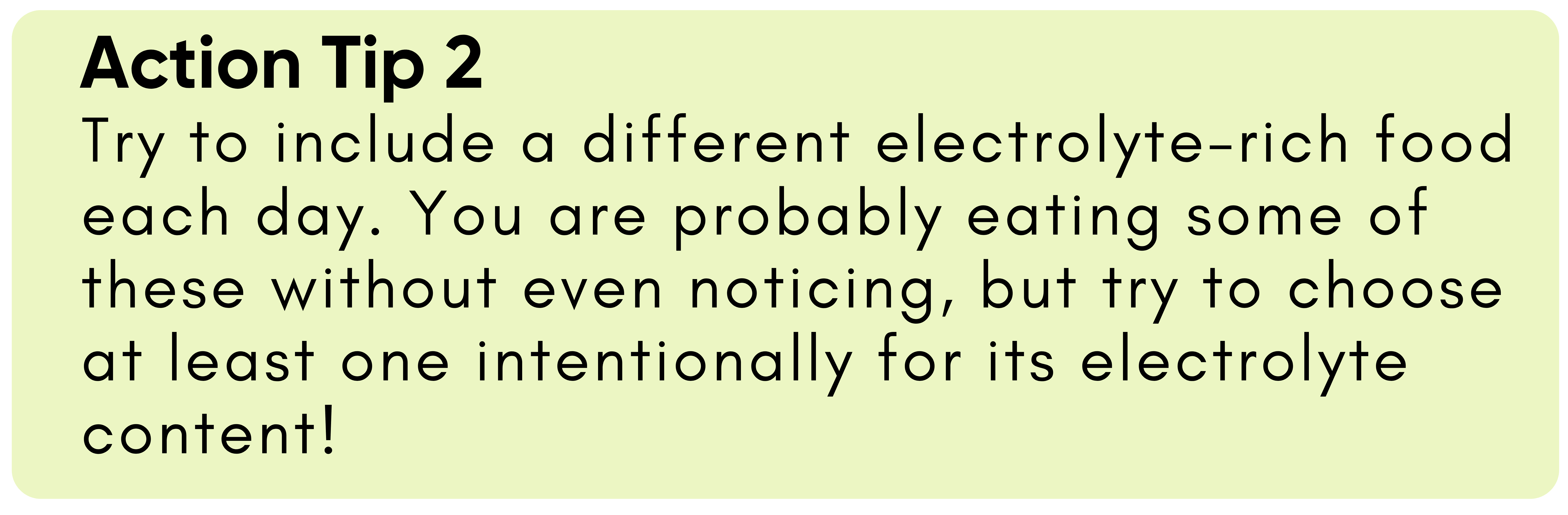
Chia seeds are a low-risk food to consume in and outside of pregnancy, but there is one important note to mention.
Some people report GI discomfort when overindulging in chia seeds such as constipation, diarrhea, or general discomfort like bloating. If you do notice any of these symptoms, you can try soaking them prior to consuming them.
Before adding more chia seeds to your diet, consult with your registered dietitian or doctor, especially if you are on any medication.
Next, we will discuss the appropriate portion sizes.
How many should I eat?
Adding 1-2 tablespoons of chia seeds to your diet is a good start. It’s important to increase your water intake due to the fiber content discussed above, however, you do not need to soak them in water or ground them before consuming unless you have a GI condition that warrants this.
If you enjoy chia seeds and tolerate them well, you can add more than the initial 1 tablespoon to your diet a day, but like anything else, moderation is key.
Research shows that eating high amounts of ALA has no adverse effects on pregnant women consuming up to 600 mg of ALA per day (13).
Although keep in mind what we discussed above, you should not be relying on chia seeds for your daily dose of omega-3’s.
How to include chia seeds in your prenatal diet
Chia seeds can virtually be thrown on any food or dish. Even the more involved recipes that use chia seeds are easy and fun to make.
Here are several ways to include chia seeds in your diet:
- Use as a yogurt topping
- Add to smoothies
- Add to oatmeal
- Make chia pudding
- Add to overnight oats
- Add to avocado toast
- Swap regular flour for chia flour
- Have you heard of chia water?
Mix ¼ cup of chia seeds in 4 cups of water. Let it sit for 20-30 minutes, then enjoy. Additionally, you can add some chopped fruit to give it a flavorful addition.
The Bottom Line
- While there isn’t a lot of research on chia seeds while pregnant, the general consensus is that consuming chia seeds during pregnancy is safe, and even beneficial to a growing baby.
- Chia seeds do contain omega-3’s but even better is their high fiber and mineral content.
- Adding them to your diet may even help balance your blood sugars and decrease your chance of developing gestational diabetes.
- If you want to start adding them to your prenatal diet, there are many recipes you can try such as chia pudding or simply adding them to your smoothie.
- It may take some time to get used to the flavor and texture of chia seeds, but it’s well worth it for all of the powerful benefits these tiny seeds provide.
By Alexa D’ Orazio, MS, RDN and Ryann Kipping, MPH, RDN, CLEC | Owner & Founder
Choline
Coconut Water

Comparison of Milks

Dairy-Free
Electrolytes

What are electrolytes?
Electrolytes are minerals with an electric charge that are essential to many functions in our body (1, 2).
Mostly, we hear about electrolytes and hydration, but they have many more jobs as well (1, 2), like:
- Balancing water in your body
- Balancing the pH in your body (acidity/alkalinity)
- Move nutrients into your cells, and waste out of them
- Regulate muscle contraction (like your biceps and your heart)
- Control nervous system function
3 major electrolytes are often discussed more than others. Can you guess them?
- Sodium
- Potassium
- Magnesium
There are others we don’t think about as much, but they are just as essential to our everyday functions:
- Calcium
- Chloride
- Phosphate
Why are electrolytes essential?
As mentioned above, we need them to survive. If the electrolyte levels in your body become too low or too high, this can wreak havoc on your nervous and muscular systems, your overall hydration status, blood pressure, and pH regulation (3).
If the amount of water in your body changes, your electrolytes will be considered “high” or “low.” Anytime you lose water, you lose electrolytes. This can occur through sweating, urine, diarrhea, vomiting, certain medications, and kidney or liver dysfunction (1, 2, 3).
That is why it is essential to keep hydrated and replace any water you lose throughout the day.
Some symptoms of electrolyte imbalance include (3):
- Muscle cramps, spasms, or weakness
- Irregular heartbeat
- Extreme thirst
- Fatigue
- Confusion
- Blood pressure change
- Swelling
- Seizure
Electrolytes & Fertility
Electrolyte balance should be monitored while trying to conceive (TTC). Sodium is associated with estrogen synthesis, and sodium, potassium, and calcium are involved in relaxing and contracting the uterus, all of which are critical aspects of reproduction (4).
Calcium and sodium are also involved in producing lipid hormones that develop follicles and regulate hormone secretion required for ovulation (4).
Lower sodium intake (<1500 mg daily) has been associated with lower progesterone levels, a hormone critical to the ovulatory process (5). Electrolyte disorders, including an insufficient calcium profile, have been shown to impact fertilization and embryonic development (4).
In most cases, your body can regulate electrolyte balance to perform the functions needed for conception. Still, it is helpful to remember their importance when TTC and make sure you are getting enough!
Electrolytes & Pregnancy
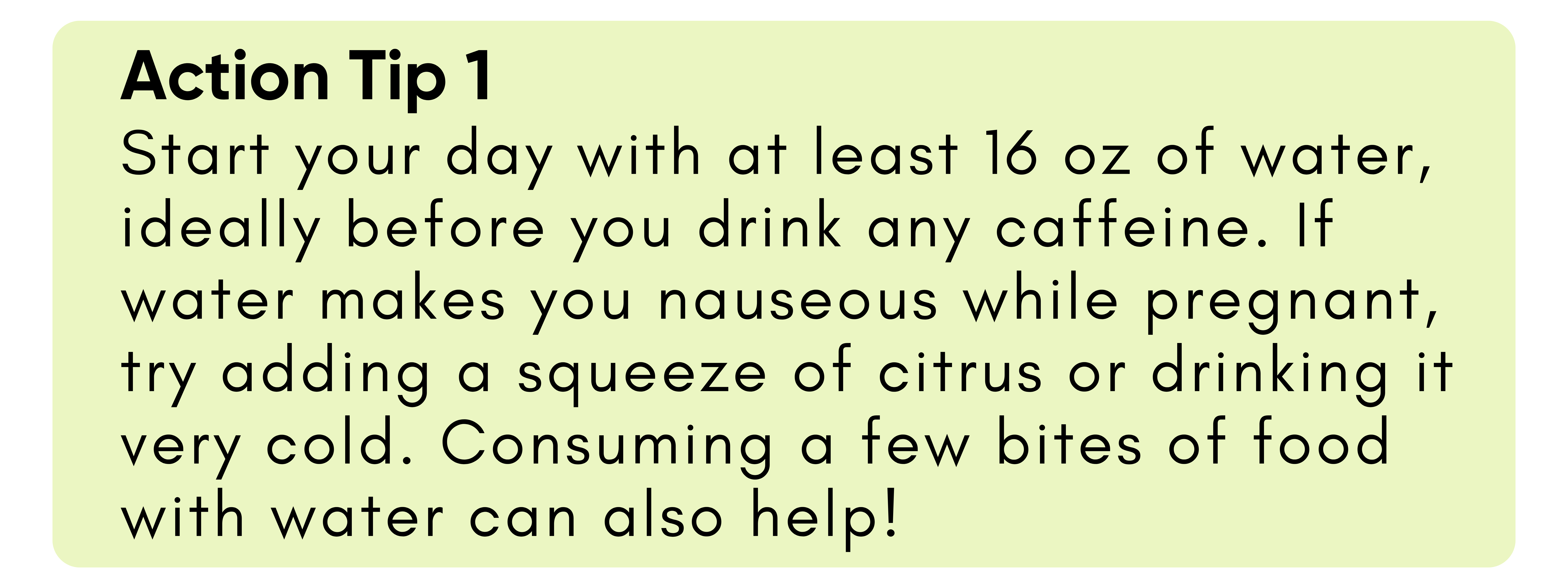
Pregnancy increases the demand on every system in your body, and with that comes greater fluid and electrolyte needs (6).
Electrolytes work hand in hand with fluids but play distinct roles. Fluids provide volume and transport, while electrolytes allow that fluid to move in and out of cells, maintain electrical signaling, regulate pH, and support normal muscle and nerve function. Drinking more water without adequate electrolytes won’t keep your body properly balanced (7).
Electrolyte needs rise during pregnancy to match increased fluid volume and the greater metabolic demands of both you and your baby. Getting enough nutrients from foods like fruits, vegetables, dairy, nuts, and mineral salts helps support healthy blood pressure, digestion, and fetal development.
What to Watch Out for in Pregnancy
Certain pregnancy conditions can lead to electrolyte imbalances, and it is vital to recognize the typical symptoms so they can be addressed appropriately. We will discuss some of the more prevalent imbalances so that you know what to do if you encounter them.
Hyperemesis gravidarum
People experiencing hyperemesis gravidarum (HG) — a severe form of nausea and vomiting that can cause dehydration, electrolyte imbalances, and weight loss (8) — often require more than dietary adjustments alone. Hospital-based care is usually necessary to manage symptoms and restore hydration through IV fluids and electrolyte replacement.
Alongside medical treatment, ongoing electrolyte and nutrient replenishment is key to recovery. If you have HG, talk with your healthcare provider about medication options (9).
Use one of the electrolyte replacement options listed in this guide daily.
Swelling
While swelling can be normal and due to various causes during pregnancy, it can also be another sign of electrolyte imbalances, such as insufficient sodium relative to total body water (hyponatremia) and/or inadequate potassium (10, 11).
If you experience rapid-onset swelling, it is always worthwhile to contact your medical provider to discuss possible causes and rule out more serious complications.
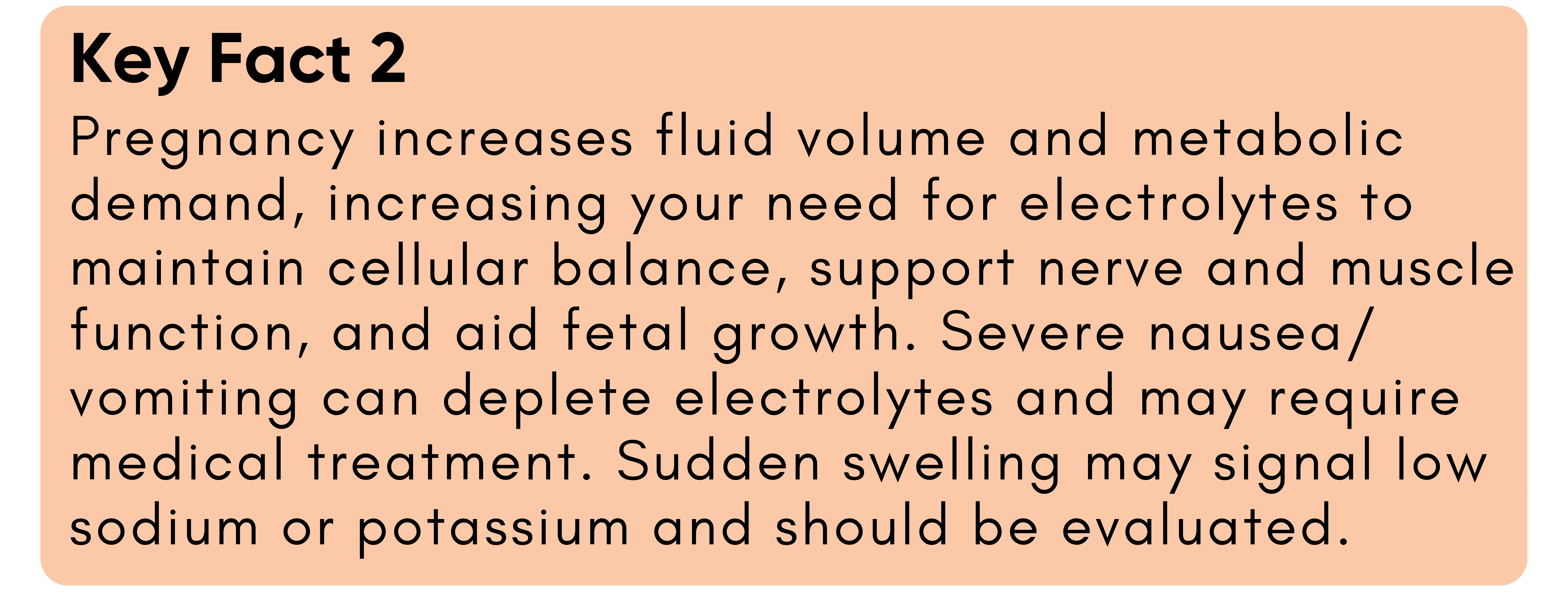
Electrolytes for Postpartum & Lactation
Delivering your baby and entering postpartum is a huge milestone—you have just run a marathon (both birth itself and the nine months leading up to birth).
Pregnancy can leave your body significantly depleted, and consuming additional electrolytes is one way to begin nourishing and restoring yourself postpartum. Mineral replenishment and adequate fluid intake are essential to supporting tissue repair after birth (12).
Electrolytes are also critical for baby if you are breastfeeding, as electrolyte concentrations in breastmilk directly affect your baby’s intake (13). Breastfeeding mothers are at risk of dehydration due to substantial water loss from lactation (approximately 700 mL daily at 8 weeks postpartum) (14).
Aim for about 16 cups of fluid daily, including at least one electrolyte-containing drink, and support your mineral needs by salting your food well and choosing calcium-, magnesium-, and potassium-rich foods.
How many electrolytes do I need at each stage?
Your electrolyte needs shift slightly throughout the perinatal journey because your fluid balance, blood volume, and hormone activity change. Let’s break it down.
While trying to conceive:
While trying to conceive, electrolyte needs should reflect the ranges recommended for healthy adult females. During this period, a key thing to remember is to avoid going low on sodium, as explained above, because this can affect progesterone levels.
- Sodium: Varies per individual; Up to 2300 mg/day (avoid going below 1500 mg – there is insufficient evidence to support low sodium recommendations, even for those with high blood pressure (15, 16))
- Potassium: 2300–2600 mg/day (17)
- Magnesium: 310–320 mg/day (18)
- Calcium: 1000 mg/day (19)
During Pregnancy:
As explained above, electrolyte needs increase slightly to maintain hydration during pregnancy.
- Sodium: Varies; we do not recommend tracking during pregnancy, as both you and baby need sufficient salt. Salt food to taste, and listen to your body’s cravings for salty foods!
- Potassium: 2600–4000 mg/day (17)
- Magnesium: 350–400 mg/day (18)
- Calcium: 1000 mg/day, more if underconsumed in adolescents (19)
Postpartum/ Lactation:
Breastfeeding places significant demands on your body, and your electrolyte needs are heightened to support you and your little one. Even if you are not breastfeeding, it is a good idea to consume ample electrolytes in the early postpartum period, as your body is in repair mode post-birth.
- Sodium: Again, this varies, and limiting sodium is not necessary. Salt food to taste, and eat salty foods if you are craving them.
- Potassium: 2500–2800 mg/day (17)
- Magnesium: 310–320 mg/day (18)
- Calcium: 1000 mg/day (19)
Where can I get electrolytes from?
Now that you’ve learned how essential electrolytes are at each stage, here is the good news: electrolytes are found in almost everything we eat and drink.
If you eat a varied diet with lots of colorful fruits, veggies, protein, and dairy sources, you get lots of electrolytes daily. Read to learn which foods and beverages are richest in key electrolytes.
Food
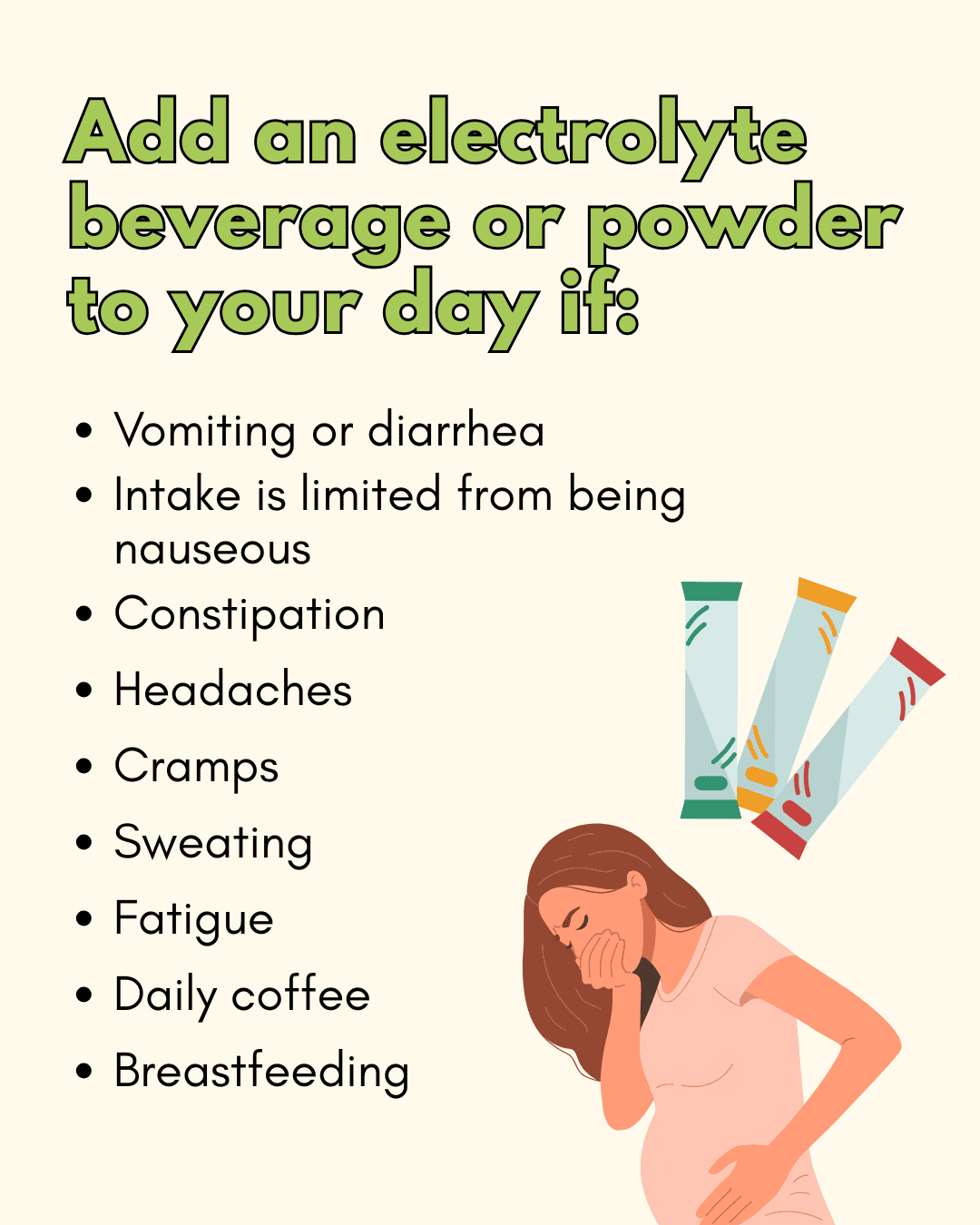
Yes, food has electrolytes! And, this is a great way to get them if you aren’t sweating a lot, vomiting, or having diarrhea.
Spinach, kale, avocado, broccoli, soybeans, tofu, almonds, strawberries, watermelon, oranges, bananas, tomatoes, milk, turkey, raisins, olives, canned soup, and many more all have multiple electrolytes.
If you want to get specific, the foods below are rich in the following electrolytes:
- Magnesium-rich foods: pumpkin seeds, chia seeds, almonds, spinach, cashews, dark chocolate
- Potassium-rich foods: dried apricots, lentils, prunes, acorn squash, potatoes, kidney beans, bananas, avocados, root veggies, spinach
- Calcium-rich foods: yogurt, kale, broccoli, canned sardines, salmon with bones, tofu, chia seeds, almonds
Drinks
Many fluids also contain electrolytes. Dairy milk, plant-based milks, fruit juice, coconut water, bone broth, and many smoothies are examples of beverages that naturally contain electrolytes.
Let’s break down which beverages are rich in key electrolytes:
- Magnesium-rich beverages: coconut water, watermelon juice, orange juice, celery juice
- Potassium-rich beverages: milk, coconut water, bone broth, watermelon juice, orange juice, lemon juice, celery juice, beet juice
- Calcium-rich beverages: milk, kefir, bone broth, soymilk, fortified almond milk, fortified orange juice, celery juice
Electrolyte Powders & Premade Drinks
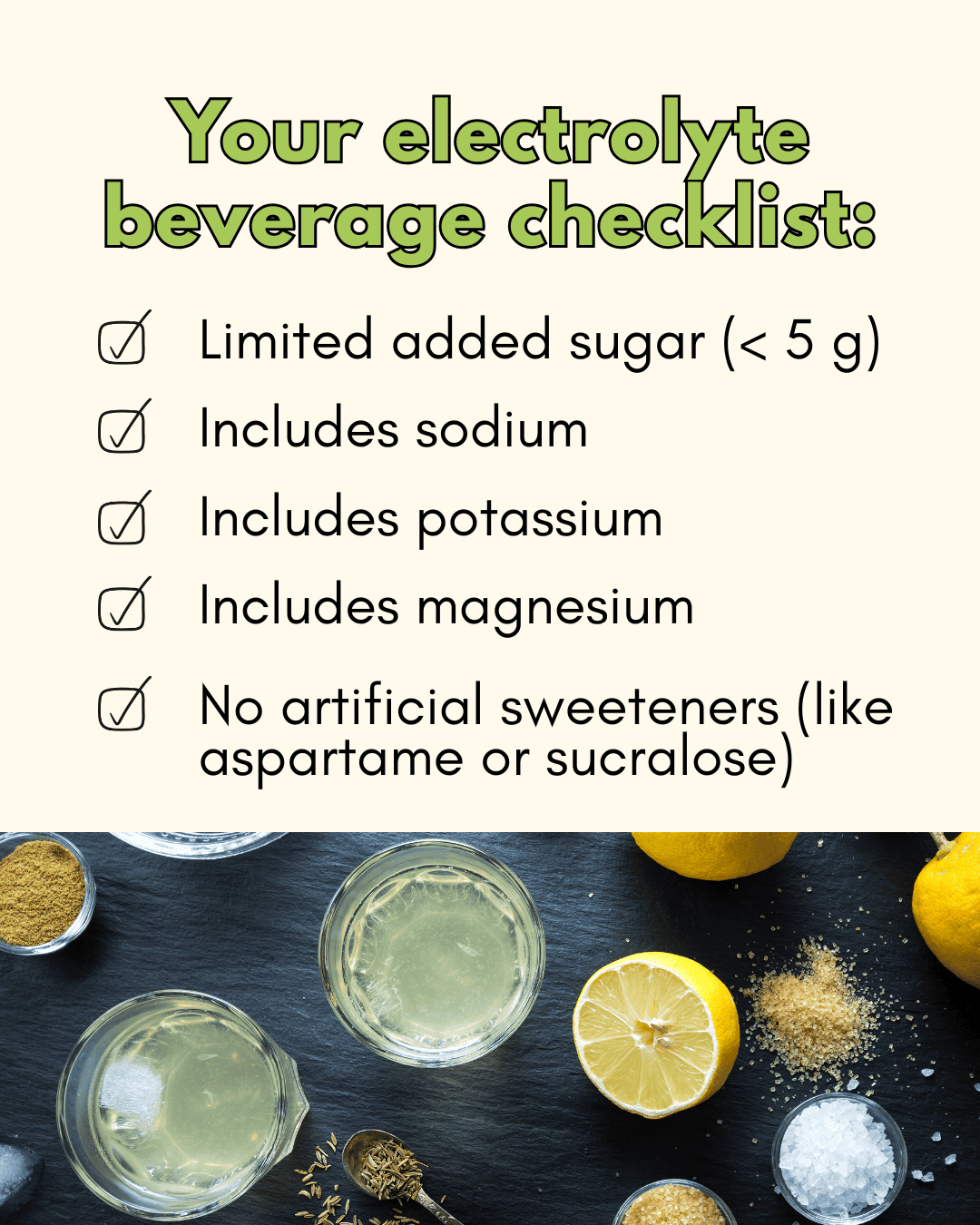
Premade electrolyte beverages and powders contain many of the same ingredients, just in different amounts. It is essential to read the label to know exactly what you are getting.
Each brand varies in the amount of sugar, the type of sweetener, the amount of electrolytes, and the sources.
See Table 1 for ready-to-drink beverages and Table 2 for powdered options that you need to mix with water.
Table 1: Electrolyte Beverages (ready-to-drink):
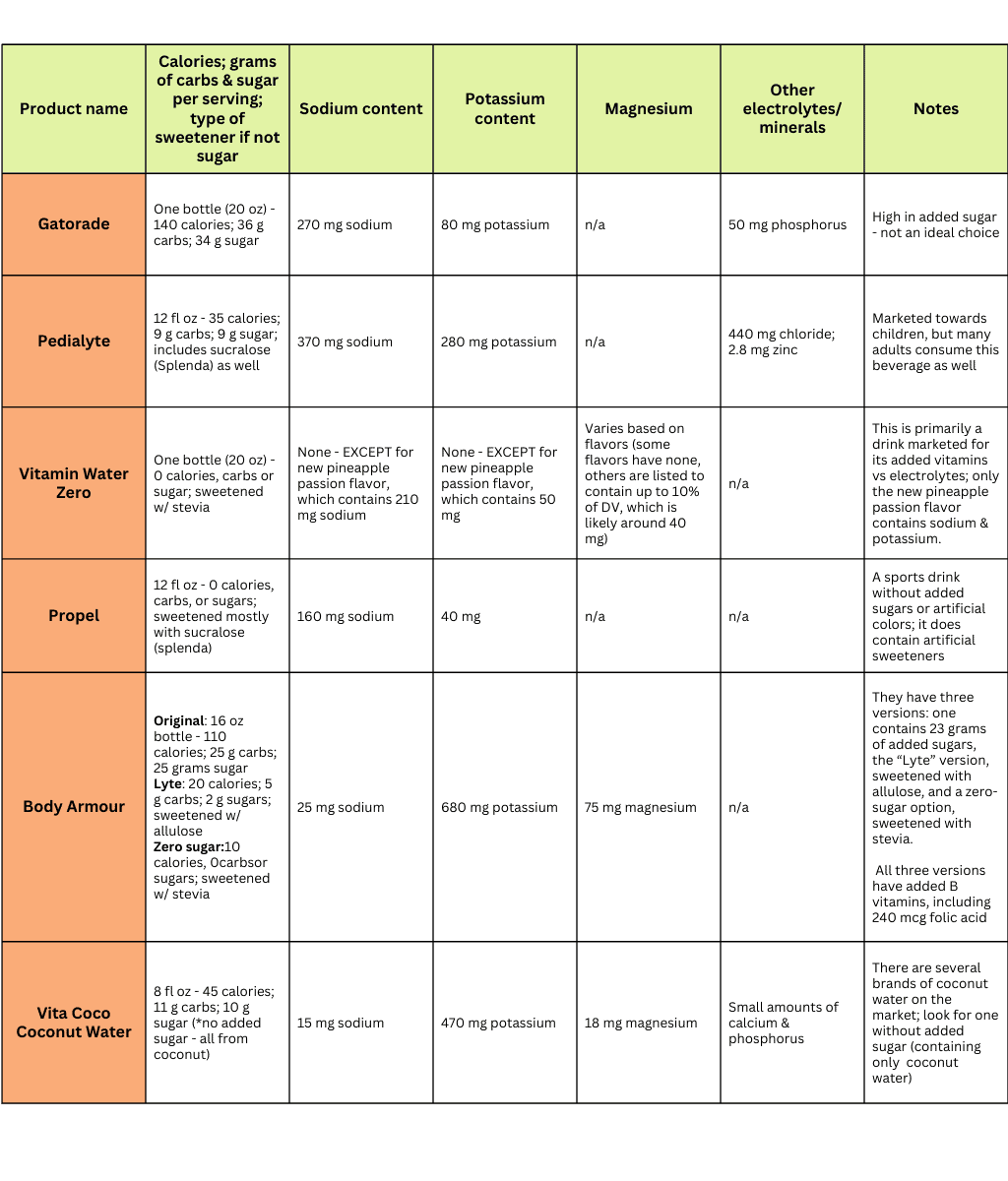 Table 2: Electrolyte powders (must be mixed with water):
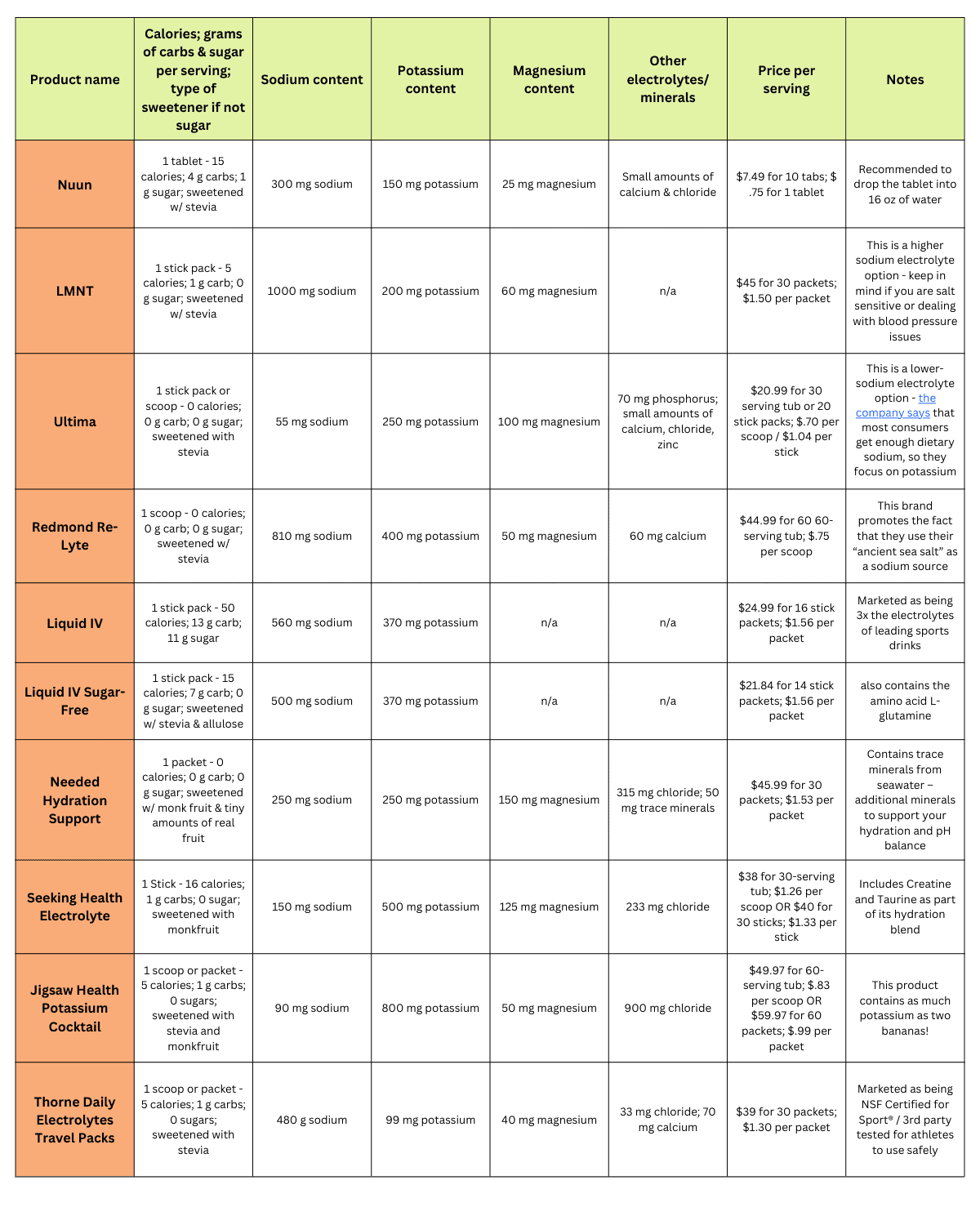
Top Electrolyte Powder Picks:
- Needed Hydration Support (code: TPNL)
- Seeking Health Electrolyte Sticks (Code: RyannK)
- Jigsaw Health Potassium Cocktail
- Thorne Daily Electrolytes Travel Packs
- Redmond Re-Lyte
How to make your own electrolyte beverage
It is also easy to make your own electrolyte-rich drink mix.
The basic formula is to combine a sodium source (like a pinch of sea salt) with a potassium and magnesium source from above, such as orange juice and/or coconut water. There are endless combinations to try, and you can get creative with the different minerals!
Check out our mineral mocktail guide for examples, including a fantastic lemonade and our favorite Mango Creamsicle mocktail.
To get you started, here is a super simple DIY recipe:
Electrolyte Balance Recipe
Ingredients:
- 1 lemon, juiced
- ½ cup apple juice or orange juice, 100% fruit juice
- ¼ tsp sea salt
- 1-liter coconut water, unsweetened
Directions:
- Wash the lemon. Juice the lemon in a separate bowl, then pour it directly into the decanter.
- Add the lemon juice, fruit juice, stevia, and sea salt to a medium-sized decanter.
- Lastly, add the coconut water and stir to combine.
Side effects and cautions
It’s hard to overdo electrolytes from food alone. Excess intake is more likely from multiple electrolyte drinks or powders—limit to no more than two per day unless your healthcare team advises otherwise.
Here are a few complications of electrolyte imbalance, for awareness:
Hypernatremia (high sodium)
Occurs when water loss exceeds sodium loss or when sodium intake is too high (8). Taking electrolyte powders without adequate water can contribute. Other causes require medical evaluation.
Hyperkalemia (high potassium)
Extremely rare from food; no upper limit exists for dietary potassium in healthy adults (17). People with impaired kidney function or on medications like ACE inhibitors should avoid large supplemental doses (17).
Hypermagnesemia (high magnesium)
Typically linked to very high intakes from magnesium-containing laxatives or antacids (18). While rare from a regular diet or supplements, a supplemental UL (tolerable upper limit) of 350 mg/day exists (18). This limit applies only to supplements. Consuming abundant magnesium from food sources is perfectly safe—you will not overdo it!
Calcium and phosphate excess are also uncommon and are usually associated with medications or underlying conditions (19, 20).
Mineral Ratios & Functional Testing
Electrolytes are a specific subset of minerals that carry an electric charge when dissolved in water. This charge allows them to conduct nerve impulses and regulate fluid balance. In other words, all electrolytes are minerals, but not all minerals are electrolytes.
Because electrolytes and minerals work together, their ratios matter as much as their individual amounts. Each mineral influences how the others are absorbed, stored, and utilized, and when one is out of balance, it can ripple through the entire system.
Example ratios:
- Sodium: Potassium—The Vitality Ratio tells us a lot about our stress response. It represents not only how our adrenals are functioning but also how our kidneys are functioning!
- Calcium: Magnesium—The Blood Sugar Ratio. Imbalances in this ratio can lead to high and low blood sugar!
- Calcium: Phosphorus—The Nervous System Ratio. This ratio tells us our “metabolic type,” such as slow or fast.
During pregnancy and postpartum, these ratios naturally shift in response to blood volume expansion, hormonal changes, and recovery demands. Tracking how you feel, energy, hydration, muscle function, and stress resilience can give early hints of imbalance, but functional testing offers clearer answers.
Functional Testing: HTMA
For a deeper look at your mineral and electrolyte status, the Hair Tissue Mineral Analysis (HTMA) provides a non-invasive way (cutting a small piece of your hair) to assess long-term mineral patterns. It can reveal chronic deficiencies, exposure to toxic elements, and the balance among key minerals such as sodium, potassium, calcium, and magnesium.
HTMA results can complement bloodwork and help personalize your electrolyte and mineral support across all perinatal stages.
Learn more about it here! Book your HTMA bundle with our team of dietitians under “nutrition services.”
The Bottom Line
- Electrolytes are charged minerals that keep your body functioning. They regulate hydration, pH, nerve and muscle activity, and nutrient transport. During the perinatal journey, your electrolyte needs shift as blood volume, hormone levels, and fluid balance change.
- Maintaining adequate sodium, potassium, calcium, and magnesium supports hormone production, ovulation, and uterine function while trying to conceive.
- During pregnancy, electrolyte and fluid requirements increase to support blood volume expansion, digestion, and fetal growth. Sodium, in particular, plays a vital role in blood pressure regulation and hydration. Salt restriction is outdated and unnecessary for most healthy pregnancies.
- In the postpartum and lactation phases, electrolytes help replenish losses from birth and breastmilk production, aiding recovery and sustaining milk supply.
- Electrolytes are found in many foods and beverages, such as dairy products, fruits, vegetables, coconut water, and bone broth. Regularly include a variety of electrolyte-rich foods in your diet.
- If you use an electrolyte supplement or beverage, choose one with limited added sugar, no artificial sweeteners, and sodium, potassium, and magnesium included. If you have the time, try making your own electrolyte beverage! You will likely save money and can customize the ingredients.
- Remember, electrolytes are minerals, and their ratios matter. Staying attuned to your symptoms and considering HTMA testing can provide deeper insight into your mineral balance.
Written by: Blair Strickland, Dietetic Intern, and Ryann Kipping, MPH, RDN, LDN
Fennel

Fenugreek

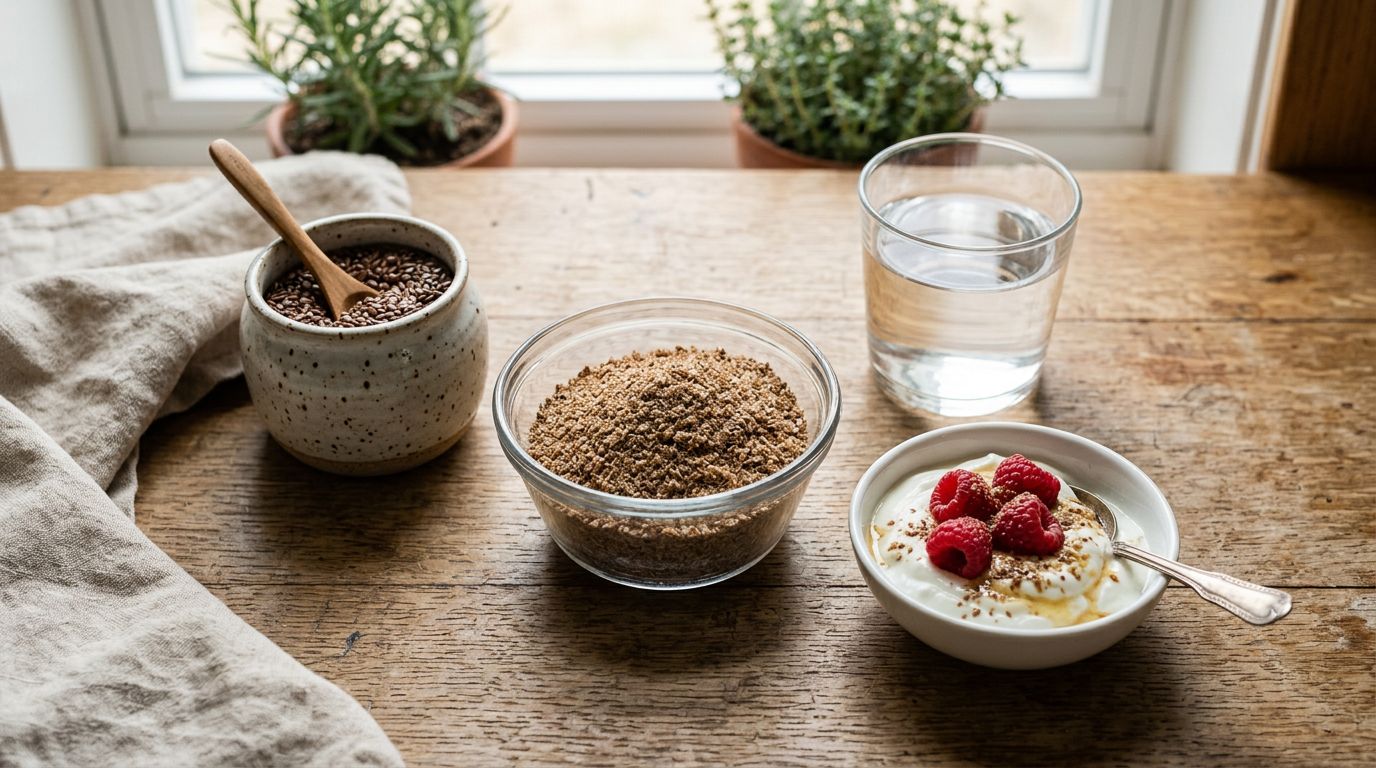
Flaxseed
Fluids
HTMA (Hair Tissue Mineral Analysis)

Iodine
Iron Labs

Lactations Foundations: Start Here
Low-Mercury Seafood
Mineral Mocktails

Nutrition After Giving Birth: Where to Start

Nutrition for Breastfeeding

Oats
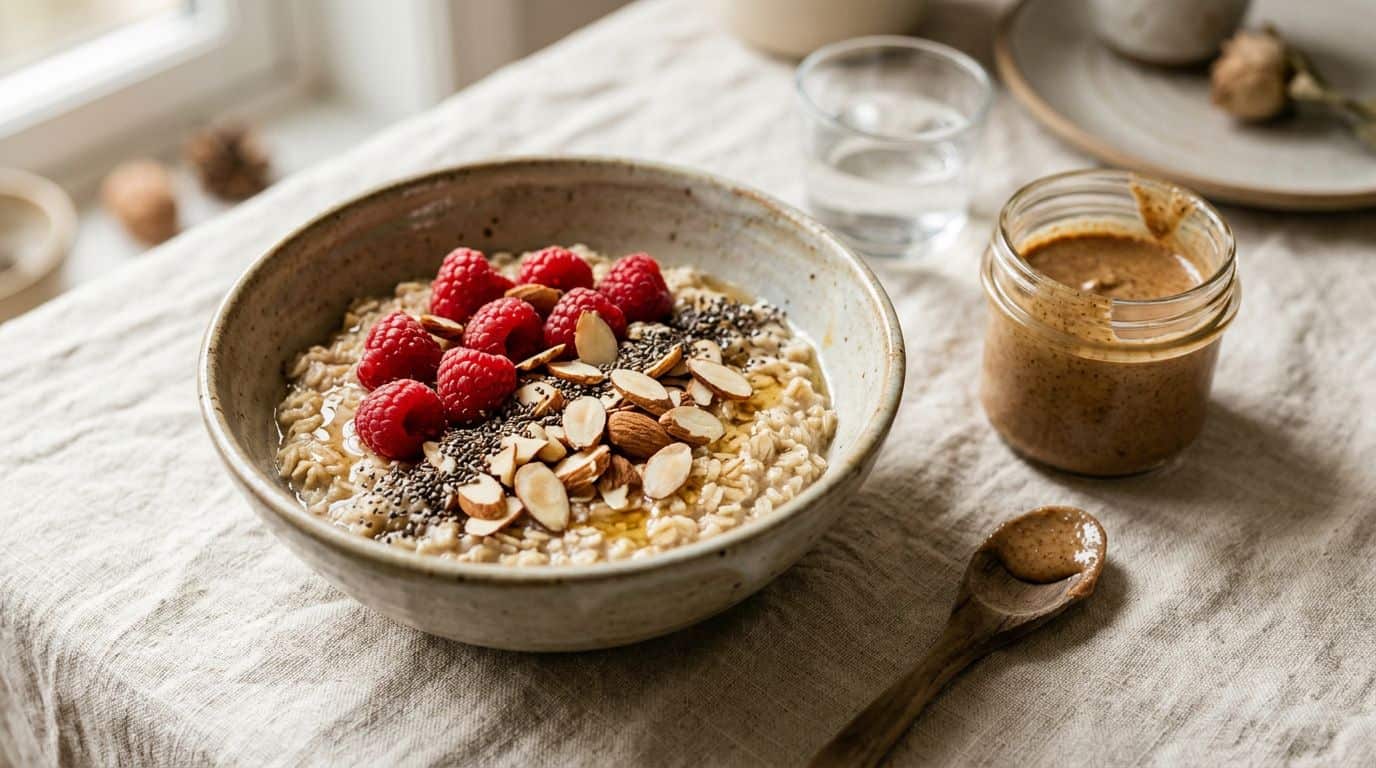
We all know and love oats, but what exactly are they?
Oats are a type of grain that originate from a cereal plant called Avena Sativa. Oats specifically refer to the edible seeds of oat grass [1]. Oats are hearty, soft, naturally gluten-free, and known for their nutritional benefits.
Are oats safe for pregnancy?
Generally speaking, oats are completely safe to consume during pregnancy!
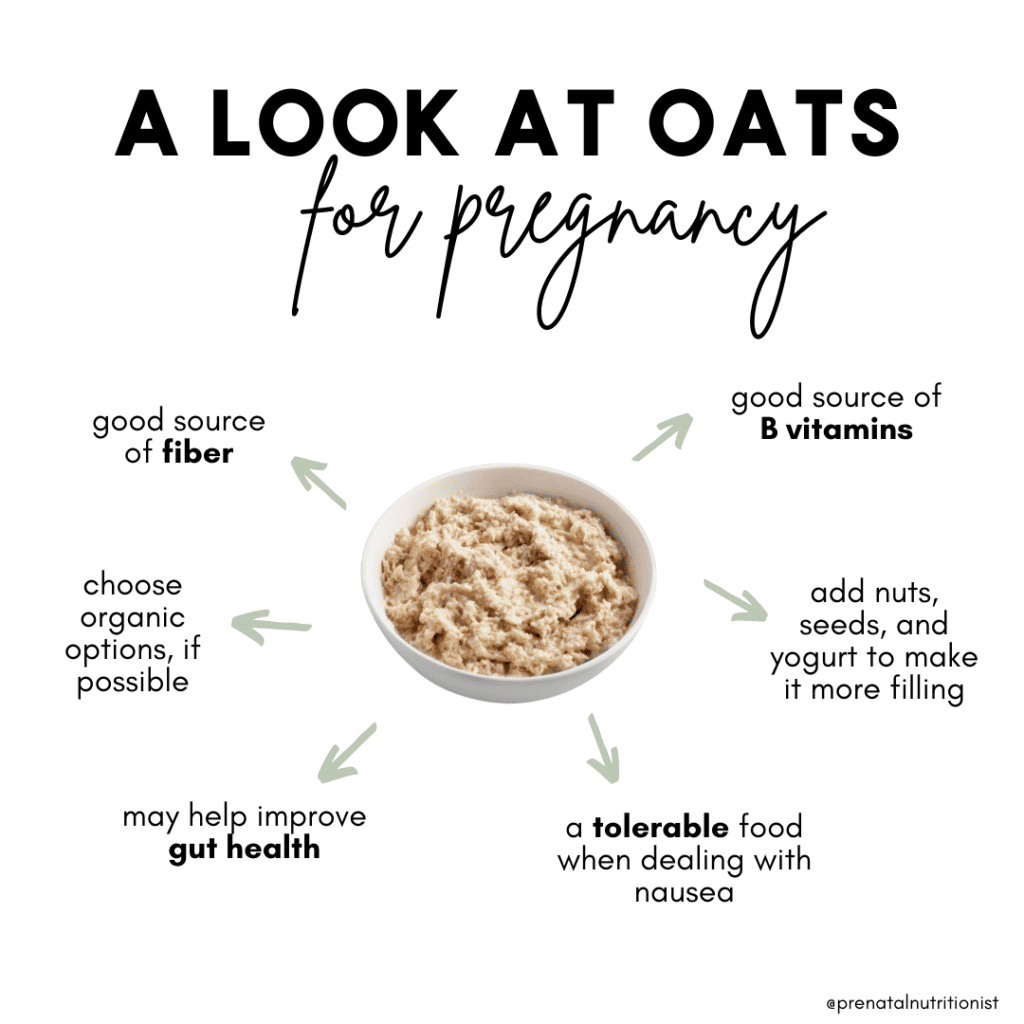
They are actually a great option for most pregnancies because of their incredible health benefits! Oats are nutritionally balanced with whole grains, proteins, unsaturated fatty acids, vitamins, minerals, and phytochemicals [5].
Nutritional Value of Oats
According to Cronometer, ½ cup of rolled oats, uncooked contains:
- 153 kcal
- 5.3 g protein
- 10.8 g fat
- 27.4 g carbohydrates
- 4.1 g dietary fiber
- 4.4 g water
- 56 mg of magnesium
- 16.4 mg of choline
- 21.1 mg of calcium
- 166 mg of phosphorus
Oats are also a good source of [5]:
- Vitamin E
- Folate
- Thiamine
- Selenium
- Copper
- Manganese
- Carotenoids
- Sulfur-containing amino acids
Different types of Oats
Instant oats
Also known as quick oats, these are usually found in individual packages that are microwaved with water and come in a variety of flavors. They can be prepared instantly because they’ve been pre-cooked, rolled thinly, and dehydrated so that when hot water is added, the oats absorb it – producing that soft, mushy texture in a matter of minutes [1]!
Rolled oats
Also known as old-fashioned oats, are produced similarly to instant oats except it involves oat groats – which are whole oat kernels that contain the germ, endosperm, and bran. These types of oats have more texture and slightly more fiber than instant oats.
Steel-cut oats
Also known as Irish oats, are the least processed and have the most texture and fiber. They are also made from oat groats that have been cut into smaller pieces. These take the longest to cook, and are great on the stove top. Steel-cut oats are typically the best option if you have blood sugar issues or gestational diabetes.
Benefits of Oats for Pregnancy
Helps keep you fuller longer
The fiber in oats attracts water and increases the thickness of digested food which increases the overall food volume in your belly. As a result, the food takes longer to digest and absorb nutrients – making you feel fuller for longer [1].
Eating nutrient-dense foods is beneficial during pregnancy because your body needs the extra calories – oats are a great source that provide the extra calories and nutrition you need. Since pregnant mamas tend to feel hungrier than they’re usually used to – having oats is a great way to keep you full. However, it is still recommended you find a protein to pair with your oats!
Helps prevent constipation
Oats are an incredible source of mainly soluble fiber that contributes to regular bowel movements and prevents constipation. Oats are able to increase the water weight of digested food and allow it to pass smoothly in your intestines [1].
Fiber is available in many different foods in nature, such as fruits and vegetables, but fiber that originates from grains and cereals, like oats, are superior for digestive health [1]. Constipation is the second most common complaint (first one being nausea) from pregnant mamas; it can really affect daily life and even pose the serious risk of fecal impaction [21]. So, incorporating oats in your diet is a great way to prevent that struggle in the bathroom!
May help with difficult times of nausea/morning sickness
Naturally, oats are quite bland – which makes them perfect for those days you’re feeling nauseous or struggling with morning sickness. These bland carbohydrates tend to be more tolerable when you have an upset stomach because of their bulking effect – allowing the food to sit better in your stomach and aid in easy digestion [22]. Again, try adding some protein and healthy fats. If this doesn’t sound good, make your oats with whole milk.
May help control blood pressure and reduce inflammation
Oats can help control blood pressure because they possess antioxidants that produce nitric oxide – this expands blood vessels, allowing blood to flow more easily and reducing overall pressure [5]. These same antioxidants have been studied for their anti-inflammatory qualities.
Robust evidence is lacking, but promising studies are recognizing their ability to reduce markers of inflammation in adults with high cholesterol [6]. Regulating blood pressure is especially important during pregnancy because according to the CDC, not only has hypertension during pregnancy become more common, it can pose serious risks of preeclampsia, eclampsia, stroke, and even preterm delivery.
Promotes gut health
Reports have shown that the powerful fiber from oats enhances the diversity of gut microbiota [1]. Improvement in gut bacteria can mean less occurrences of digestive issues like diarrhea, constipation, and irritable bowel syndrome [1]. According to a research study done about maternal diet during pregnancy and neonatal microbiota, a pregnant mama’s diet can really shape her baby’s gut health – especially regarding fiber, lipids, and proteins – and make an impact on their microbiota development [24].
Promotes Heart Health
Pregnancy can weigh very heavily on the heart of a mama-to-be; both physically and emotionally. Research categorizes pregnancy as a woman’s first cardiovascular “stress test” [25]. Steady findings are showing that mamas who experience adverse pregnancy outcomes like preterm birth or gestational diabetes have a higher risk of developing heart disease later on in life [25].
Oats contain phytochemicals that play an exceptional role in preventing heart disease. The beta-glucagon (soluble fiber) is found to be higher in oats compared to any other whole grain [7]. Beta-glucagons are commonly used in combating conditions like heart disease. Studies have found that using beta-glucagons in treatment of heart disease can potentially reduce hyperlipidemia and hypertension [9].
May help with gaining the appropriate amount of weight for you
You may have heard pregnancy is a time when you are eating for two! It’s true pregnant mamas may need extra calories and do have increased demands for certain nutrients, eating double the amount of calories you typically eat is not necessary. While we do not like to focus too much attention on weight here, research tells us we cannot ignore it completely.
Gaining too much weight outside of what your body needs can come with adverse effects like increased risk for high blood pressure, gestational diabetes, labor and delivery complications, and even postpartum complications [26].
We want pregnant mamas to fully enjoy their pregnancies with all their favorite foods, but maintaining a balance is key. Research demonstrates the effects of oats on regulating body weight. It also reveals that the dietary fiber found in oats appears to increase appetite-suppressing hormones – which can result in eating less calories from less nutrient-dense foods [10].
Can I enjoy oats if I have gestational diabetes?
It depends! Oats can be a wonderful addition for gestational diabetes, but this will largely depend on the individual.
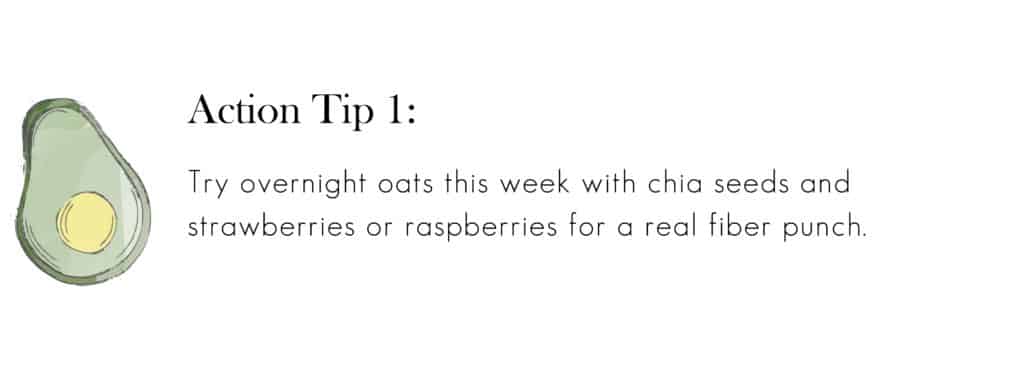
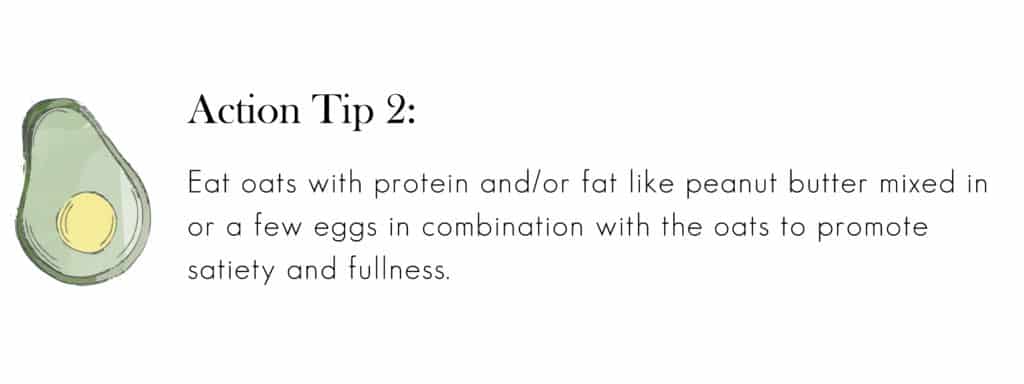
Oats are loaded with healthy carbohydrates so we want to make sure we are portion controlling the amount and pairing it with healthy fats and protein to prevent high spikes in blood sugar. One cup of cooked oats contains about 30 g of carbohydrates (2 servings, if you are doing carb counting) – you can pair it with peanut butter, greek yogurt, berries, nuts, or some eggs/ sausage on the side to make it more balanced.
Are there any potential downsides in consuming oats during pregnancy?
GI discomfort
Some people might experience GI discomfort – gas, bloating, diarrhea, and even intestinal blockage. Sometimes, eating oats in excessive amounts can lead to GI issues so try to enjoy them in moderation, especially if you’re experiencing adverse effects.
Possible gluten contamination
Naturally, oats are gluten-free and generally safe for people with gluten intolerance. However, contamination is possible when oats are processed at facilities that also process wheat and other gluten-containing grains.
A study cited by the National Celiac Foundation found that the amount of oats commonly consumed are typically not enough to trigger a reaction for those with gluten intolerance or celiac disease and support the safety of eating oats for such populations in long-term studies [11].
We don’t want to scare pregnant mamas from enjoying oats, so if you’re really worried – you can make sure the oats you buy are labeled as gluten-free.
 Glyphosate contamination
Glyphosate is an herbicide applied to plants to regulate growth and ripen specific crops [12]. This herbicide is also sprayed on oat crops putting the safety of them in question. At this time, there is no clear consensus regarding the toxicity of glyphosate and its potential carcinogenic qualities by the scientific community [13].
Further studies are needed to determine how much exposure is toxic to humans and its possible harmful effects. However, according to an article by the EWG, “EWG’s first series of tests found glyphosate in all but two of 45 samples of food made with conventionally grown oats, and in about one-third of the 16 products made with organic oats. About two-thirds of the samples of conventional foods had levels of glyphosate above EWG’s health benchmark [14].”
Considering that pregnancy is a vulnerable time period – it may be a good idea to stick to organic oats if you’re worried about glyphosate contamination. Contamination can still occur in organic oats as mentioned above, but using the report published by EWG, we can determine the best brands based on their glyphosate levels.
Recommended Brands: [15,16,17]
- Whole Foods 365 Organic Old-Fashioned Rolled Oats
- Simple Truth Organic Instant Oatmeal
- Nature’s Path Organic Honey Almond Granola
- Zego Oatmeal & Muesli
- Grandy Oats Granola
- Cascadian Farm
- Ambrosial Greek Granola
- Go Raw Granola
- One Degree Organic
- Farm to Table Oatmeal
Which type of oats are the best for pregnancy?
We don’t like to single out just one type of oat as the best because all kinds of food can fit in a healthy, balanced diet for pregnancy. It’s a matter of preference when considering which oats would best suit your dietary lifestyle.
Looking for lots of fiber and an overnight recipe? Try steel-cut oats. Want really soft, creamy oats in a matter of minutes? Maybe go for quick oats. Looking for something in between? Stick to rolled oats.
Just remember to always read the label – instant oats tend to be more processed and can have a lot of added ingredients like sweeteners, artificial flavors, and unfamiliar chemicals and preservatives.
Will eating oats during the third trimester help with milk production?
Considering how popular of a topic this is in the lactation community – there is no evidence-based research to support the theory that oats help increase milk production!
Shocking, right? According to lactation dietitian Marina Lane, she theorizes that it might be due to oat’s phytochemicals that increase nitric oxide – which dilates blood vessels and helps bring more nutrients and oxygen to cells in your breast tissue – thus increasing milk production [19].
Again, there is a lot of research lacking here, but many mamas report oats help increase their supply – so it definitely doesn’t hurt to try. Also keep in mind that there are plenty of other foods that can boost nitric oxide production as well – not just oats.
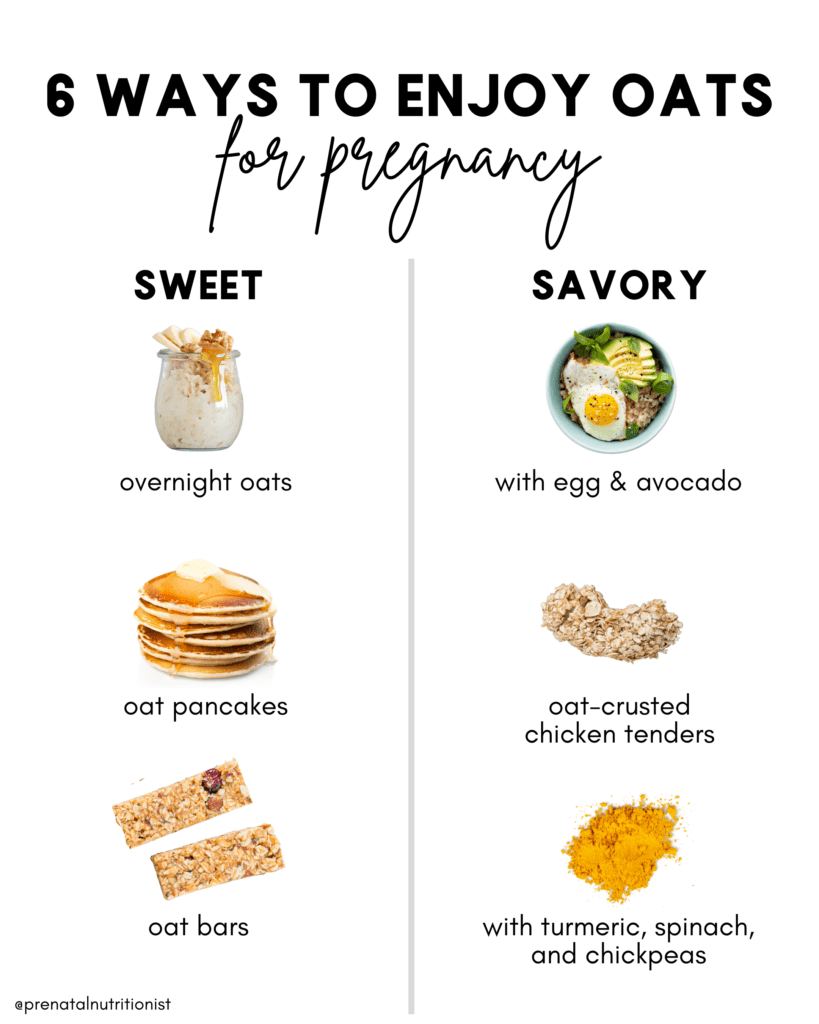
Ways to enjoy oats
- Hot oatmeal
- Overnight oats
- Granola
- Oat Cereal
- Oat muffins
- Oat pancakes
- Oat smoothies
- Oat bars
- Oat scones
- Oat cookies
- Oat-crusted chicken tenders
- Oat soup
- Oat jambalaya
- Oats with eggs and avocado
- Oats with sun-dried tomatoes, pesto, and parmesan
- Oats with bacon, cheddar, and eggs
- Oats with turmeric, chickpeas, and spinach
The Bottom Line
- Oats are safe during pregnancy and are a great source of many nutrients like fiber, B vitamins, and more.
- While oats can be a great option to include if you are experiencing constipation, they may also cause digestive discomfort in some people.
- Oats are naturally gluten free, but may be contaminated if the facility they are processed in also produces other products that contain gluten. Look for “gluten free” on the label.
- More data on the effects of glyphosate on our health in and outside of pregnancy is needed, however, since pregnancy is a vulnerable time already, it may be wise to choose one of the brands listed above if you enjoy oats regularly.
- There is no research that supports oats increasing milk supply, but many mamas claim it does, so it’s worth giving it a try!
Written by: Laima Numan, Dietetic Intern
Edited/Reviewed by: Ryann Kipping, MPH, RDN, Owner + Founder
Omega 3
Peppermint

Pregnant and Breastfeeding

Prenatal Vitamins
Probiotics
Protein
Protein Powders
Pumpkin Seeds

Sage

Selenium
Stress Management
Sunflower Seeds

Thyroid Lab Tests

Vitamin A
Vitamin B12,Cobalamin
Vitamin D



What is vitamin D?
Vitamin D, or the “sunshine vitamin,” is an interesting fat-soluble vitamin because it’s the only vitamin our bodies can make from the sun.
In fact, the sun is our main source of vitamin D, providing anywhere from 50-90 percent of our vitamin D needs (1).
Like vitamins A and K, vitamin D has two forms, D2 (ergocalciferol) and D3 (cholecalciferol), both of which are found in small amounts in food: D2 in plant foods and D3 in animal foods. Processed foods, such as cereals, are often fortified with vitamin D (though, like any other fortified food, this is not the ideal way to obtain it).
Vitamin D is one of the most studied vitamins when it comes to pregnancy, as it is related to so many important functions to keep you and your baby healthy.
Vitamin D deficiency is common during pregnancy; over 80% in the second trimester, according to a 2026 meta-analysis (2). However, vitamin D deficiency is a problem worldwide. Most people in the US consume less than the recommended amounts of vitamin D (1).
This is due to multiple dietary, lifestyle, and physiological factors, which we will examine in more detail below.
Vitamin D & Fertility
Vitamin D status may influence fertility outcomes.
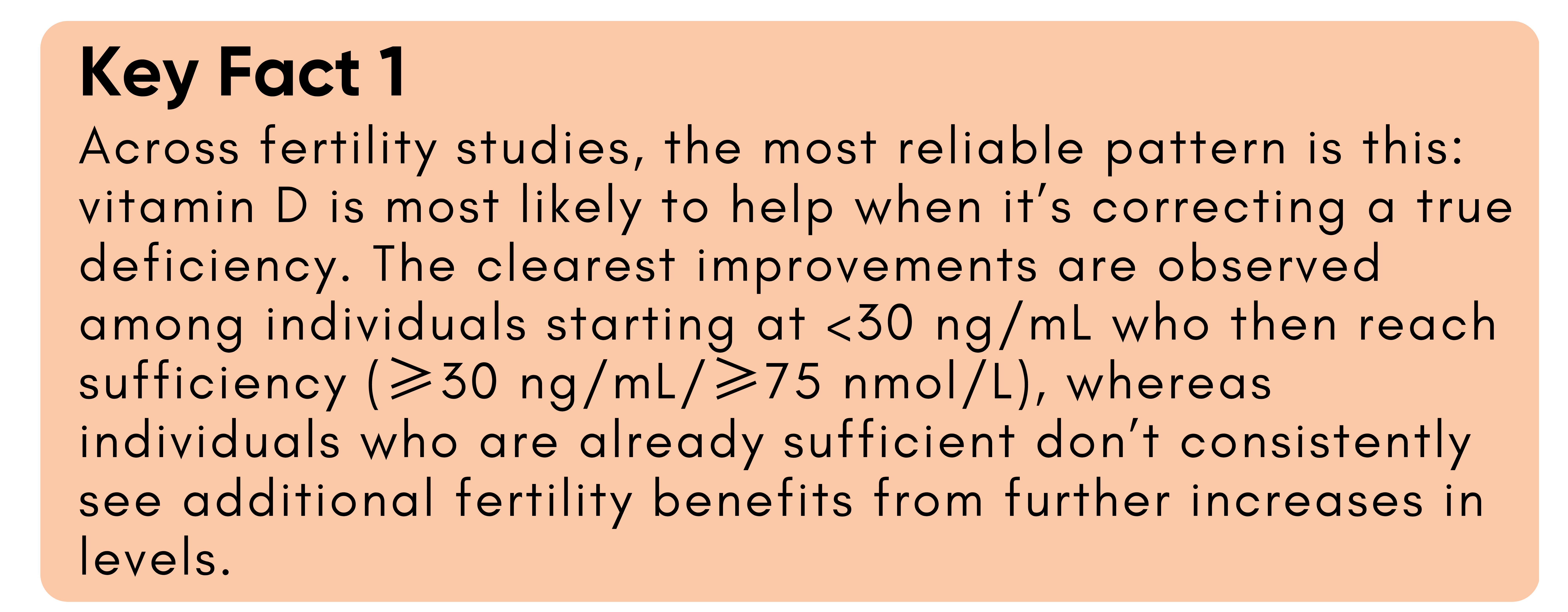
Overall, studies suggest that having sufficient vitamin D before conception (often defined as 25(OH)D ≥30 ng/mL / ≥75 nmol/L) is associated with slightly higher pregnancy and live birth rates, especially among people who start out deficient. However, results aren’t perfectly consistent across all populations.
What the evidence suggests
- Natural conception: In prospective data, women with sufficient preconception vitamin D had a higher likelihood of clinical pregnancy and live birth (approximately 10–15% higher live birth likelihood in some cohorts) and, in some studies, a lower risk of pregnancy loss (1, 2, 3).
- Infertility treatment/ART: Vitamin D status may be relevant for both partners. A couple-based analysis found a higher likelihood of live birth when the female partner was sufficient, and outcomes were strongest when both partners were non-deficient; however, IVF-specific meta-analyses have reported mixed or non-significant associations after sensitivity analyses (4, 5, 6).
- Supplementation: In infertile patients, vitamin D supplementation has been associated with improved clinical pregnancy rates, with the greatest benefit observed in individuals who are vitamin D–deficient at baseline (7).
Vitamin D & Pregnancy
Vitamin D supports key processes during pregnancy for both the parent and the baby. Low vitamin D status has been associated with a higher risk of complications, though not all studies find the same strength of effect.
Pregnancy outcomes
Vitamin D deficiency has been linked to gestational diabetes, preeclampsia, first-trimester miscarriage, and gallbladder issues.
Vitamin D plays a role in glucose metabolism, but research on whether low vitamin D causes gestational diabetes is mixed (3). Still, vitamin D levels are often lower in people with GD, so it’s worth checking. Evidence on preeclampsia is also mixed, but many studies suggest that levels above 30 ng/mL are associated with a lower risk, and some data suggest that supplementation later in pregnancy may be more effective than early supplementation (4, 5, 6).
If levels are low, supplementation can be useful, but it works best alongside the root habits that support vitamin D status—sun exposure, vitamin D-rich foods, and addressing absorption/metabolism issues.
Impact on baby
The baby relies entirely on the mother for vitamin D in pregnancy.
Maternal deficiency has been associated with a higher risk of certain childhood outcomes (including asthma, neurodevelopmental concerns, and autoimmune conditions) and may affect fetal bone development (research is still emerging) (4, 7). Low vitamin D status during pregnancy has also been linked to low birth weight and an increased risk of rickets (4).
Vitamin D & Postpartum
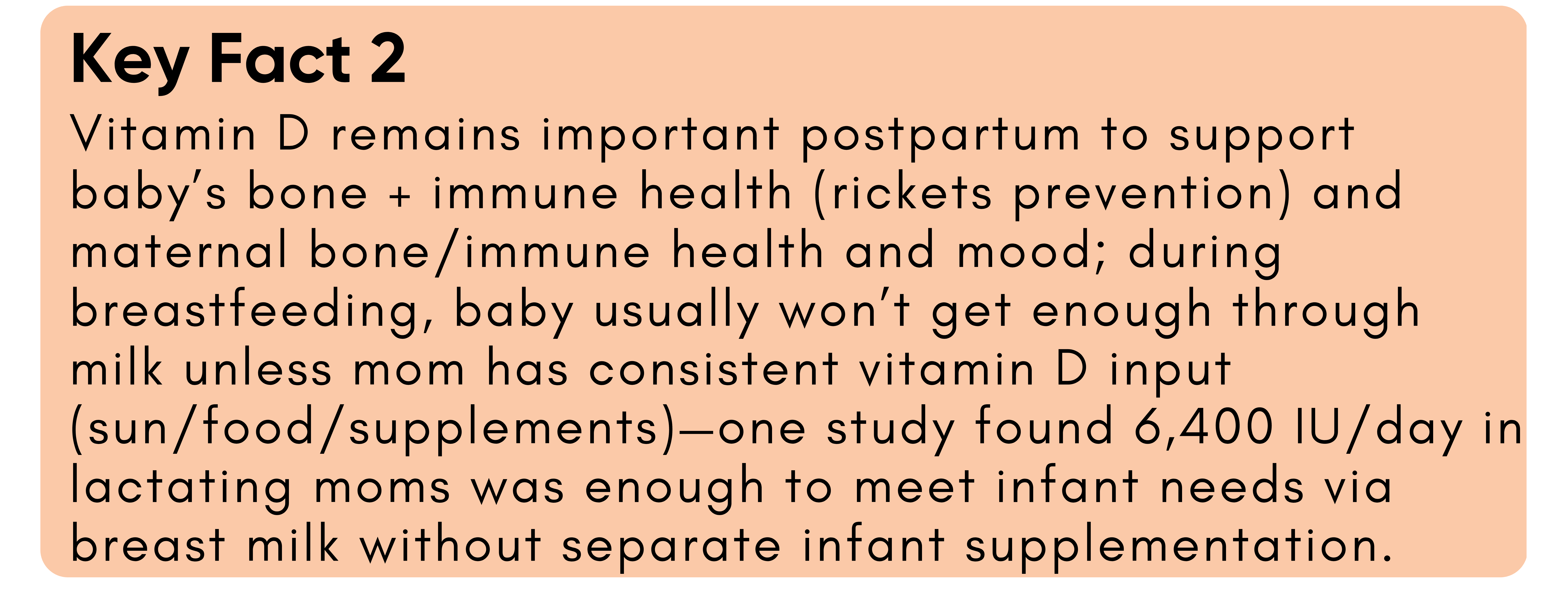
Vitamin D is essential during the postpartum period and while breastfeeding for maternal health and baby development.
It’s needed for a baby’s bone health, immune function, and the prevention of rickets (62). Rickets is a softening and weakening of the bones in children caused by prolonged vitamin D deficiency, which remains a risk after the baby is born (62).
Vitamin D also supports immune and bone health in postpartum and nursing mothers. Additionally, it’s essential for mood and mental well-being. Deficiency of vitamin D may be a risk factor for postpartum depression (63).
Vitamin D & Breastfeeding
It’s widely recommended that mothers who exclusively breastfeed provide their infants with vitamin D, but have we ever stopped to consider why breast milk might be lower in vitamin D in the first place?
If you are not getting enough vitamin D from sunlight and food, you cannot transfer enough vitamin D through breast milk to your baby, even if your levels are normal (8).
This is because adequate vitamin D levels in the blood do not transfer through breast milk (8). However, vitamin D from sunlight, food, and supplements will transfer over to your baby (8)!
One study found that breastfeeding women who took 6400 IU of vitamin D per day had optimal vitamin D levels in their blood and transferred sufficient vitamin D through their breast milk to meet their baby’s needs without requiring additional supplementation (8).
So, if you’re planning to breastfeed, it’s a good idea to start planning how you will supply your little one with enough vitamin D, ideally through a combination of food, sunlight, and a vitamin D supplement to ensure their needs are met.
Vitamin D needs at every stage
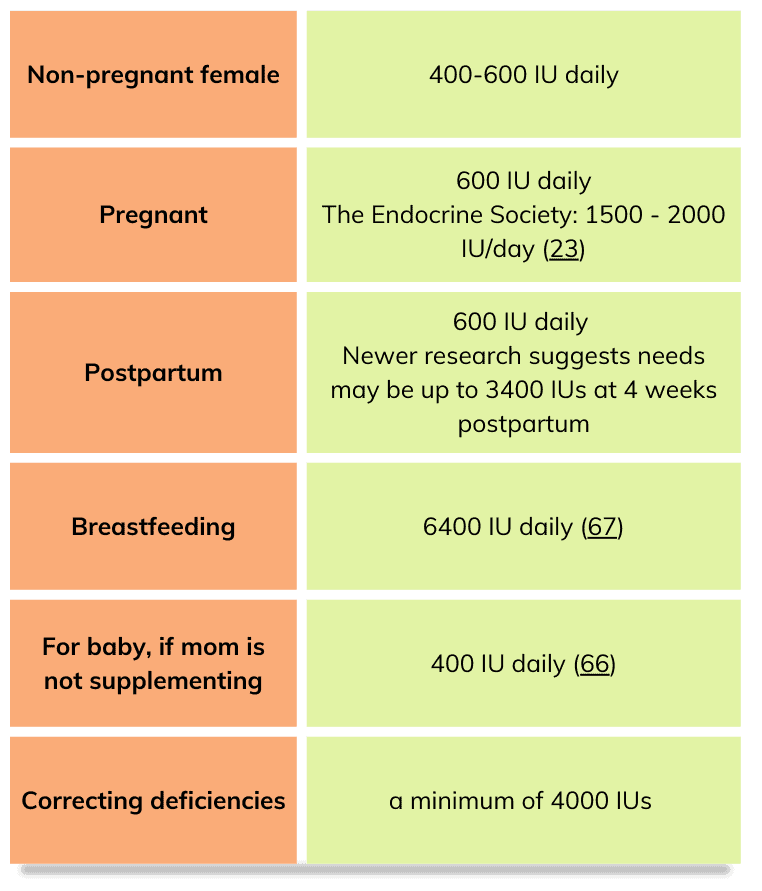
Research is inconclusive about the exact amount of vitamin D needed at any stage, but most people will need to supplement with vitamin D. Review the prenatal vitamin note to find a prenatal vitamin with more vitamin D than 400-600 IUs.
Vitamin D deficiency
Vitamin D deficiency is a global problem, with many people not getting sufficient sunlight exposure, especially those who work all day indoors and never get daytime sunlight.
Many countries have different cut-off points for ‘adequate’ vitamin D levels, making it difficult to quantify precisely how many people experience vitamin D deficiency (4).
Risk factors for vitamin D deficiency:
- Living North of the line drawn from Long Beach, CA, to Atlanta, GA
- Living in an area with more air pollution
- Dark skin
- Obesity (4)
- Wearing sunscreen (at all times) when outdoors
- Wearing long sleeves and pants outdoors
- Vegetarian/vegan
- Little time spent outdoors, especially at midday
- Lactose intolerance (9)
- Smoking (4)
Limited sun exposure, sunscreen, and vitamin D deficiency
A major risk factor for vitamin D deficiency is limiting sun exposure or always wearing sunscreen when outdoors.
Fear of skin damage has led to the overuse of high-factor sunscreen. It is important to be careful about skin damage, and everyone’s limits will be different, but your skin needs access to midday sun a few times a week to synthesize vitamin D.
And it turns out the sun isn’t all to blame for sun damage and skin cancer— your diet is a contributor, too!
The link between vegetable oils and skin cancer
Did you know that another sneaky culprit can greatly increase your risk of skin damage and skin cancer (along with countless other diseases and issues)?
Research shows associations between linoleic acids (found in vegetable oils such as canola, corn, and soy) and an increased risk of skin cancer (10). While correlation doesn’t prove causation, studies also show us that reducing seed oils can “dramatically reduce the risk of ultraviolet (UV) induced sunburn,” with “susceptibility to UV radiation damage of the skin is directly influenced by the amount of LA (linoleic acid) in the diet” (10)!
This makes sense when we consider how seed oils can become rancid; similarly, they can cause DNA damage throughout the body, including the skin, especially when exposed to heat, such as sunlight, leading to cancer (11).
Keep in mind: while linoleic acids are the most prone to oxidation of all oils, the more unsaturated a fat is, the more prone it is to oxidation, while naturally saturated fats (i.e., animal fats and coconut oil) do not have the same damaging and dangerous effect in the body (12).
Learn more about which oils to choose and which to limit during pregnancy here!
How to safely get vitamin D from the sun
Maximize more D intake in less time
The best time to get vitamin D from the sun is at its highest point in the sky, which is midday (especially during the summer months), when the UVB rays responsible for vitamin D production are most intense (13, 14).
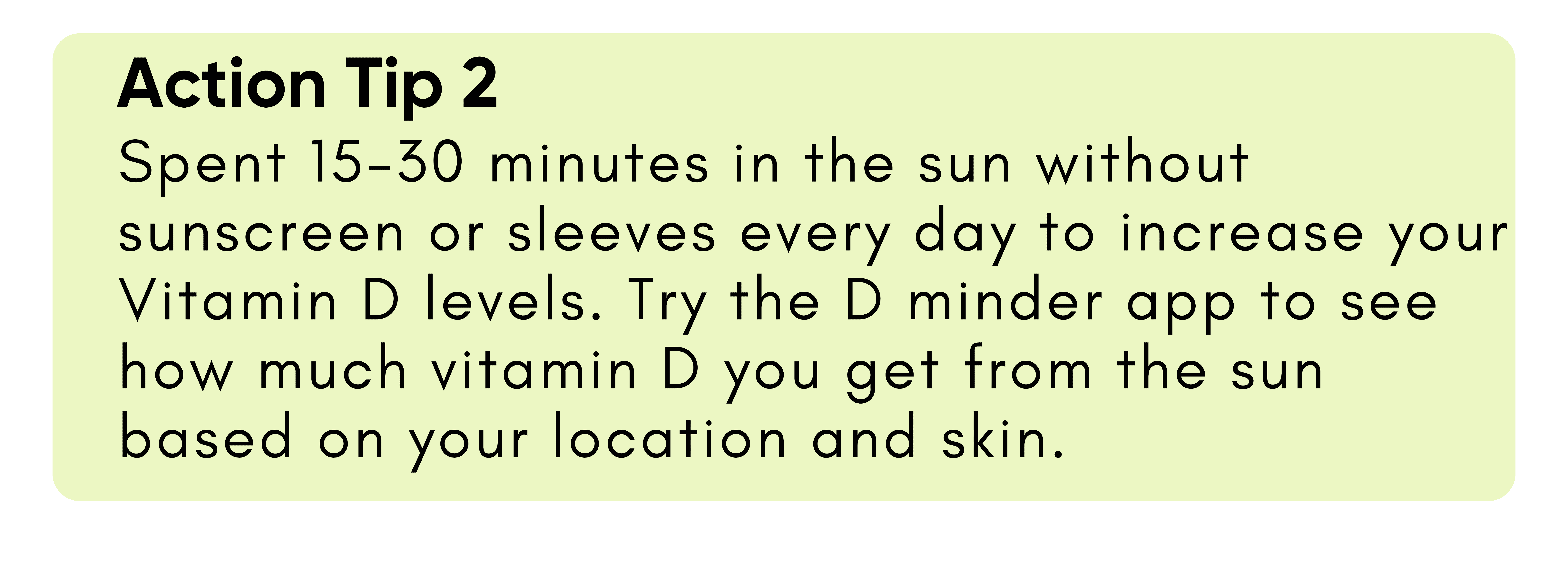
Spend 15-30 minutes in the sun.
Fifteen minutes in the hot summertime sun and at least 30 minutes in the wintertime when the rays are less intense (15, 16). If you have darker skin (either you’re someone who gets a tan easily or you were born with darker skin), you will need more time in the sun to get enough since having more melanin blocks the sun’s UVB rays, which is one reason why those with darker skin are at a higher risk of vitamin D deficiency than those with fair skin (17).
The good news is that by maximizing your time in the sun when UVB rays are at their peak, you can get your vitamin D without increasing your risk of skin damage or melanoma (14). You can even use the D-minder app to help you make sure you’re getting enough vitamin D based on your skin and location.
If you are planning to spend more time in the sun (>30 minutes), stay in the shade, cover up with UV-protective clothing and a hat, or wear a mineral-based, paraben-free sunscreen!
Increase your antioxidant intake.
In addition to reducing your risk of sun damage by limiting your linoleic acid intake as much as possible, you can increase your intake of astaxanthin, which research has found to have anti-aging and anti-cancer effects by reducing the effects of harmful UV rays (18, 19). Foods high in astaxanthin include salmon, algae, shrimp, lobster, crabs, and other seafood.
Vitamins A, C, and E also act as sun and skin-protective antioxidants as well, so load up on your citrus and whole food fats, like butter, nuts, avocados, and full-fat dairy (20).
 Vitamin D-rich foods
As noted, the primary source of vitamin D is sunlight, and it is not found in many foods. The best dietary sources are oily fish like trout and salmon.
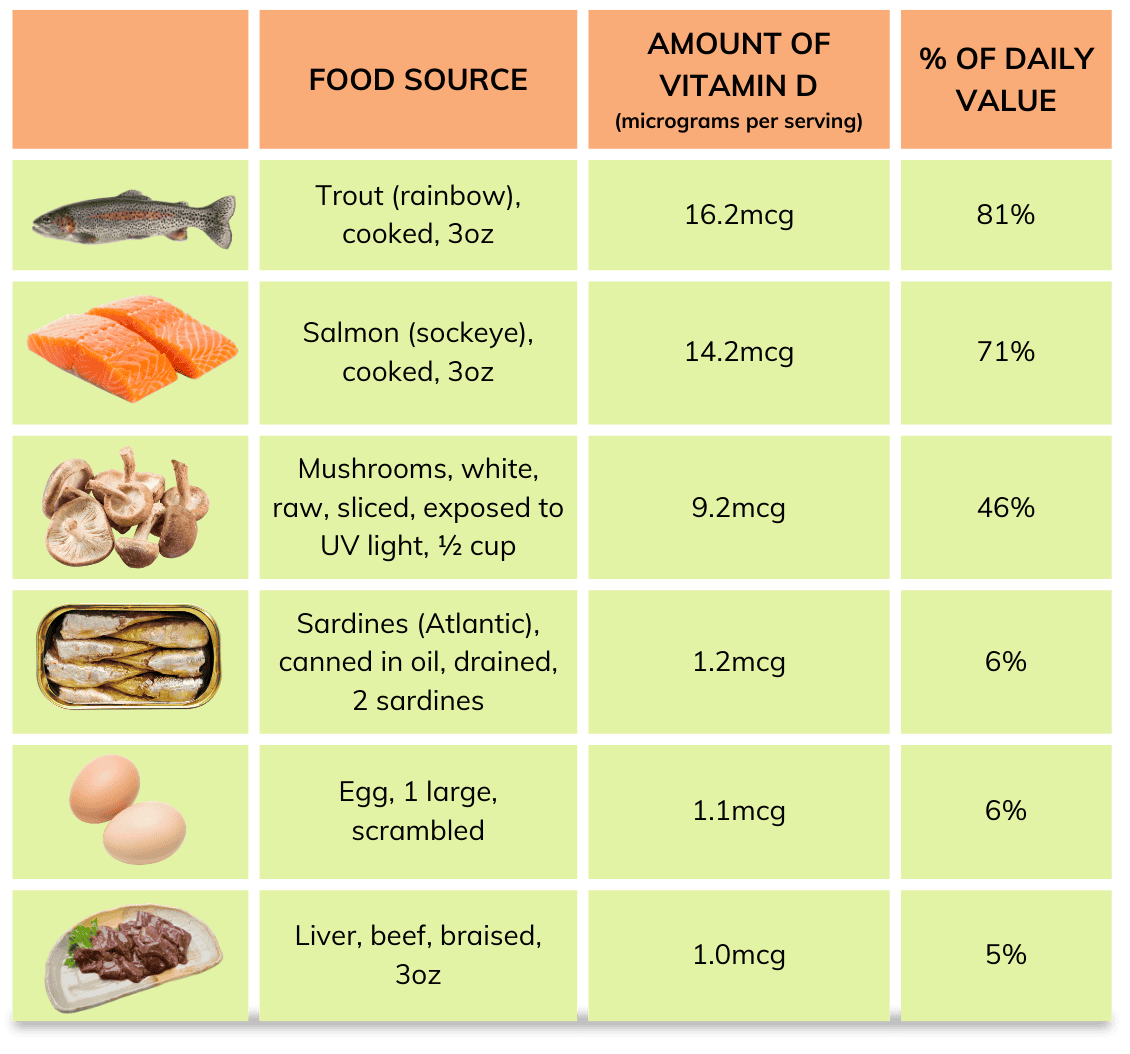
(Table adapted from National Institutes of Health 2021)
Vitamin D testing
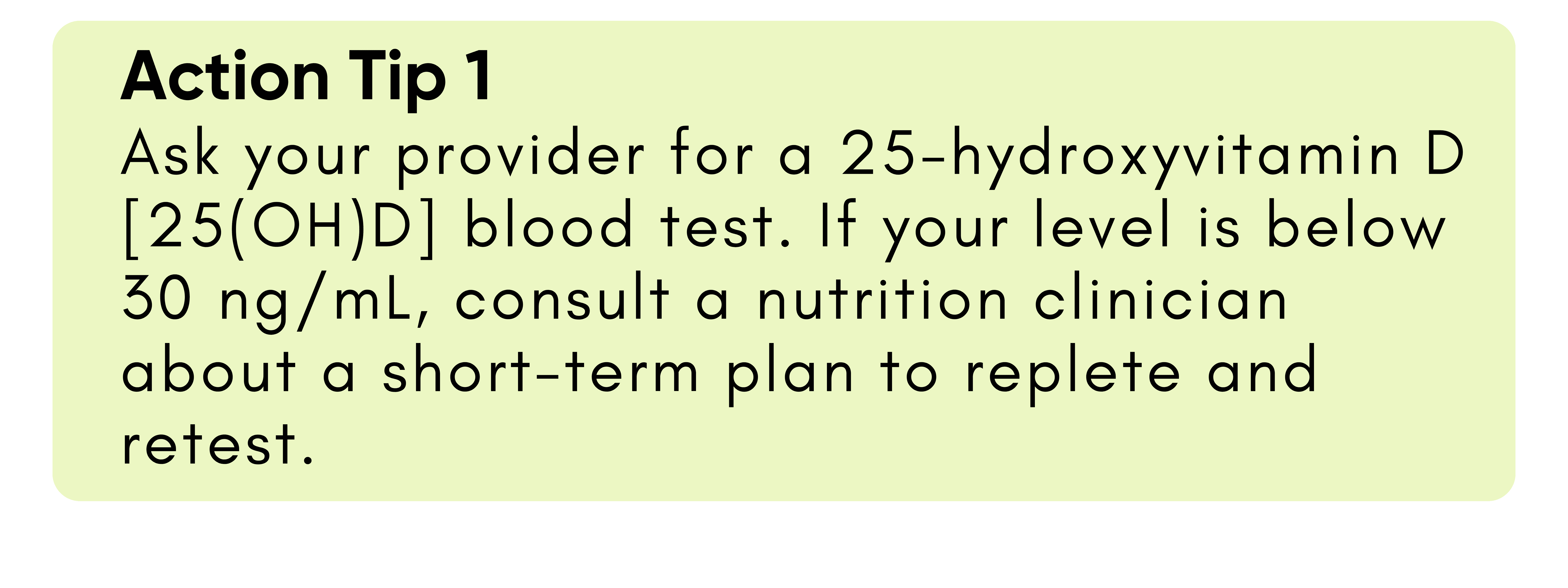
By testing your vitamin D levels (25-hydroxy vitamin D, or 25-OH vitamin D), you can fine-tune how much you need to supplement, working with your doctor and registered dietitian. I highly recommend this.
While you will see a level of 30 ng/ml (75 nmol/l) is sufficient, research indicates pregnant people should be closer to 50 ng/ml (125 nmol/l) (24).
You can also order an at-home vitamin D test kit.
Do I need to supplement with vitamin D?
You’ve probably already gathered from above – yes, but there is a bit more to it than that.
Find a prenatal vitamin that contains vitamin D3 (cholecalciferol). Although many of you reading this will need more than even what the Endocrine Society recommends (1500 – 2000 IU/day), taking a prenatal vitamin with at least 1000 IU is strongly recommended.
A double-blind, randomized clinical trial found that 4,000 IU/day of vitamin D supplementation was safe and the most effective in achieving sufficient vitamin D levels in all women, regardless of race or geography (25).
If you can, get your levels tested before and during each trimester of your pregnancy, including the fourth trimester.
The good news is that vitamin D supplements are relatively cheap! If your prenatal vitamin doesn’t contain vitamin K2 or phylloquinone, then it is recommended that you find a D3 supplement with K2. See some recommendations next.
Vitamin D supplement recommendations
- Thorne’s Vitamin D/K2 drops (2 drops = 1000 IUs)
- Seeking Health Vitamin D3 + K2 capsules (5000 IUs) (code: RyannK)
- Seeking Health Vitamin D3 capsules (5000 IUs) (code: RyannK)
- Thorne’s Vitamin D3 capsules (5000 IUs)
- Pure Encapsulations capsule (1000 IUs)
- Needed has a vitamin D3 + K2 capsule (2000 IUs)
- Nordic Naturals lemon cod liver oil (1 teaspoon = 1000 IUs, also contains omega-3s!)

Help! My vitamin D is still low despite supplementation. What could be the problem?
It can be frustrating if you’ve had chronically low vitamin D levels despite supplementing. But often, the key to low vitamin D isn’t just adding more vitamin D; it’s addressing the contributing factors that led to the low vitamin D in the first place.
Other potential causes of low vitamin D
Low magnesium
Magnesium is needed to move vitamin D around in the blood and to activate vitamin D or convert it from its storage form to active form, and this can only happen when you have enough magnesium (26, 27). Magnesium deficiency can also reduce active vitamin D (1,25-dihydroxyvitamin D) levels and impair parathyroid hormone response (26).
If you’re trying to address a vitamin D deficiency without also making sure your magnesium levels are adequate. With over half of the population in the US not getting enough magnesium each day and with magnesium needs being higher during pregnancy, it’s a good idea to pay more attention to your magnesium intake during pregnancy and get your levels checked in an RBC magnesium test and/or HTMA to determine if you already have a magnesium deficiency contributing to vitamin D deficiency (28, 29, 30).
Having higher body fat
Since vitamin D is fat-soluble, people with higher body fat will store it in fat cells, leading to less circulating in the blood. People with obesity need higher vitamin D intake to maintain adequate levels and/or correct a deficiency (31).
So, being obese reduces your body’s ability to convert vitamin D and circulate it, and reduces the effectiveness (32, 33). If obesity is a risk factor for you, this means you have a higher chance than average of being vitamin D deficient and responding poorly to supplementation, which means you will need a targeted protocol for assessing and ensuring your levels are adequate during pregnancy.
Chronic infections and inflammation
Bacterial infections may cause dysregulated vitamin D metabolism (34). Chronic infections might include chronic Lyme disease, mycotoxin-related illness, and Epstein-Barr virus, which has been found to inactivate vitamin D receptors (35, 36). It’s best to work with a functional practitioner to address root issues and treatments if you know or suspect you have one of these or another.
Your genetics
Some studies show that genetic variants, including those in VDR, CYP2R1, CYP27B1, and GC, may affect the benefit of vitamin D supplementation for each individual (37, 38, 39).
Not eating enough animal foods and animal fats
Micronutrients needed for vitamin D synthesis and use in the body include cholesterol, magnesium, vitamin A, and vitamin K (40, 41). These are all found in animal foods, so if you have a low intake of foods high in these nutrients, your vitamin D metabolism will be impaired. Review our vegetarian note here for more information.
Poor gut health
An imbalanced gut microbiome is associated with lower vitamin D levels, but increasing beneficial bacteria has been shown to raise vitamin D levels (42). Gut health is a key foundation for overall health, fertility, and pregnancy, and if your gut microbiome is out of balance, your vitamin D levels will likely remain out of balance as well.
For more on how to support gut health during pregnancy, read on here.
Conditions that affect nutrient absorption, such as celiac disease, Crohn’s disease, and Cystic Fibrosis, all reduce your body’s ability to absorb vitamin D (43).
Poor bile flow
Poor bile flow reduces your ability to absorb fat-soluble vitamins (vitamins A, D, E, and K) since bile is responsible for breaking down fat, but you can increase bile and support bile flow by supplementing with bile salts, which have been found to increase vitamin D levels (42). You can also support increased bile flow by eating plenty of fats (cholesterol, especially), beets, and glutamine-rich animal foods, such as meats, seafood, and dairy, as well as choline from eggs and liver (44, 45).
High glyphosate exposure
People can be exposed to glyphosate through diet, skin contact, and inhalation of airborne particles. Fruits, fruit juices, vegetables, and cereals all contain this herbicide (46). Glyphosate reduces vitamin D by reducing both the CYP27A1 gene and other minerals needed for vitamin D metabolism (47, 48, 49). Buy organic produce if possible, especially the dirty dozen.
Hyperparathyroidism
Hyperparathyroidism is caused by abnormal parathyroid gland growth and elevated parathyroid hormone secretion, which, among many other symptoms, can lead to low vitamin D levels. It is most common in women over 60 years old, but it can also occur in younger people (especially women) (50).
Some or many of these might be factors in your own situation, and it’s ideal to work with a practitioner who can dive into your health history to find what could be causing your deficiency rather than just trying to increase supplementation of vitamin D alone.
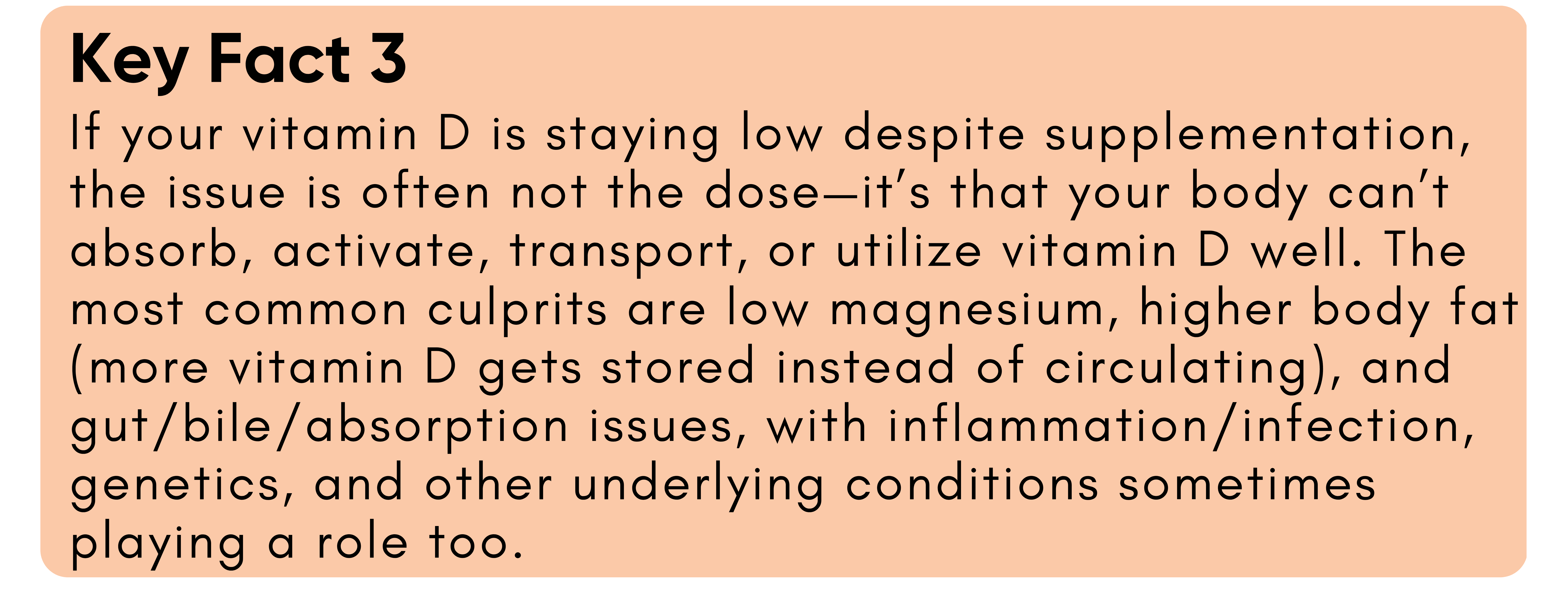
Other lab values to assess when addressing vitamin D include:
- Active D and storage D: 25-hydroxy vitamin D (vitamin D stores, most commonly used), and if suspected high active vitamin D levels, 1,25-dihydroxy vitamin D (active form, less commonly used). Usually, only storage vitamin D is tested, but it is possible that you may have low-storage vitamin D and high-active vitamin D, especially if you’re supplementing vitamin D and have trouble converting vitamin D.
- Ionized Calcium: unbound calcium that is not bound to protein and is the body’s most accurate measure of calcium (51).
- RBC magnesium: a more accurate indicator of magnesium levels in the cells (only 1 percent of magnesium is actually in the blood) (29). An HTMA (hair test) can also provide good insight into intracellular magnesium levels.
- Parathyroid hormone: Vitamin D deficiency is common in hyperparathyroidism (52). High PTH levels can lead to high 1,25(OH)2D, low bone mineral density, increased risk of fractures, and osteoporosis, and supplementing with vitamin D often leads to low or suppressed PTH (53, 54).
Start here with increasing vitamin D levels
Like most nutrients, vitamin D works best with consistency. So, do your best to consume vitamin D–rich foods regularly (fatty fish, egg yolks, and full-fat dairy if you tolerate it).
Then use these three levers to help your body absorb and use vitamin D more effectively:
- Optimize magnesium levels : Prioritize magnesium-rich foods (pumpkin/chia seeds, almonds/cashews/peanuts, spinach, beans, edamame). If needed, add magnesium via a supplement (multi-form options like Smidge), topical magnesium (lotion/deodorant), Epsom salt baths, and/or magnesium powder in your daily mineral mocktail
- Eat more animal foods and fats: Vitamin D metabolism relies on nutrients found mostly in animal foods—especially cholesterol, vitamin A, and vitamin K2 (40, 41). Focus on egg yolks, full-fat dairy/cheese, grass-fed beef, and (if you tolerate it) small amounts of liver/organ meats; include fermented foods for K2 like miso, sauerkraut, or natto. Cholesterol matters, too, because vitamin D made from sunlight is synthesized from cholesterol (56).
- Go outside mid-day. : Start by going outside mid-day without sunscreen or sleeves (if it isn’t winter).
Can you get too much vitamin D?
Yes!
Too much vitamin D is toxic, another reason to test your levels before reaching for really high-level supplements.
When vitamin D is truly excessive, it can:
- Raise calcium too high (hypercalcemia) in both mom and baby (4)
- Cause symptoms like vomiting, muscle weakness, dehydration, and kidney stones (57)
- Increase risk of soft tissue calcification (potentially via potassium wasting) (58)
- Deplete magnesium, which vitamin D relies on for metabolism (59)
That said, studies using 4,000–5,000 IU/day have not shown hypercalcemia or tissue calcification, but vitamin D works best (and safest) when you’re also getting adequate supportive minerals that help your body utilize it (60, 61).
Can you get too much sun?
Excessive sun exposure won’t lead to toxic levels of vitamin D, but it definitely isn’t good for your skin. It is possible that frequent tanning beds can lead to toxic vitamin D levels, but they are an all-around bad idea anyway, so best to avoid them.
Written by: Claire Gilmore, MSCN, CNS, LDN, and Ryann Kipping, MPH, RDN, LDN
