Notes By Stage : Postpartum
Beans

Blood Sugar Tests

Bone Broth

Breastfeeding Troubleshooting

Calcium
Chicken

Clams

Coconut
Coconut Water

Collagen

What is collagen?
Collagen is the most abundant protein in the body, making up much of your skin, hair, nails, joints, and connective tissues. Glycine, the most abundant amino acid in collagen, works alongside proline to build and maintain these structures, with support from vitamin C and minerals like zinc and copper.
Collagen production naturally declines with age, and certain lifestyle factors can speed up that process. High sugar intake, poor nutrient status, and environmental stressors that cause oxidative damage all interfere with your body’s ability to produce collagen (1, 2).
Although collagen isn’t a complete protein—it lacks the essential amino acid tryptophan—it’s still important to include before, during, and after pregnancy.
What does collagen do in the body?
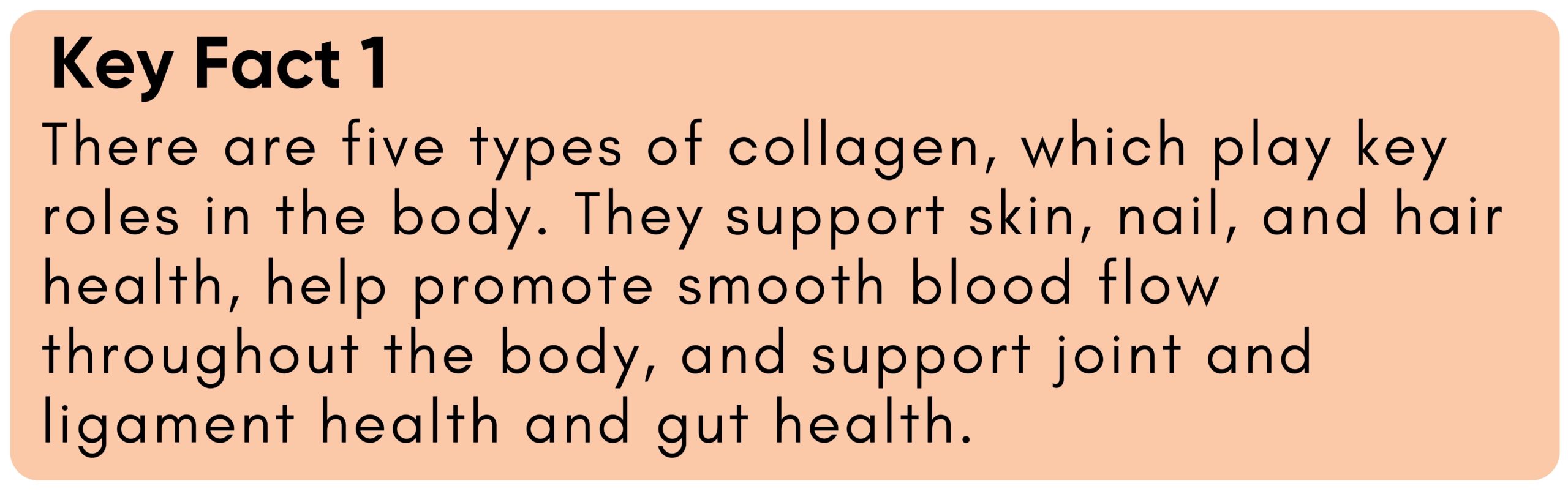
Did you know that there are actually five different types of collagen?! Each type is put to work in a specific part of your body (3):
- Type I makes up most of the collagen in your body (90%) and acts as a support structure for skin, bones, tendons, and ligaments.
- Gives support to joints and is found in elastic cartilage
- In your organs, muscles, and arteries
- In layers of skin
- In your eyes, skin layers, hair, and placental tissue
Let’s look more in-depth at the roles collagen plays in the body:
- Skin, hair, and nails: Collagen can support skin elasticity and hydration, provide structural support for skin, and protect it from free radicals (4, 5). It may also help nails grow and keep them strong, preventing brittleness and breaks (6).
- Joints, ligaments, and connective tissue: Collagen helps build a strong yet flexible structural framework for cartilage, ligaments, and tendons for strong and well-functioning joints (7).
- Gut lining and digestion: Collagen is critical for supporting your gut lining. It serves as a food source (prebiotic) for good bacteria in your gut (8) and supports its structural integrity.
- Blood vessels and circulation: Collagen helps blood flow smoothly to and from the heart and to wounds, improving wound healing (10).
How does collagen support fertility?
Collagen’s impact on egg quality and uterine lining
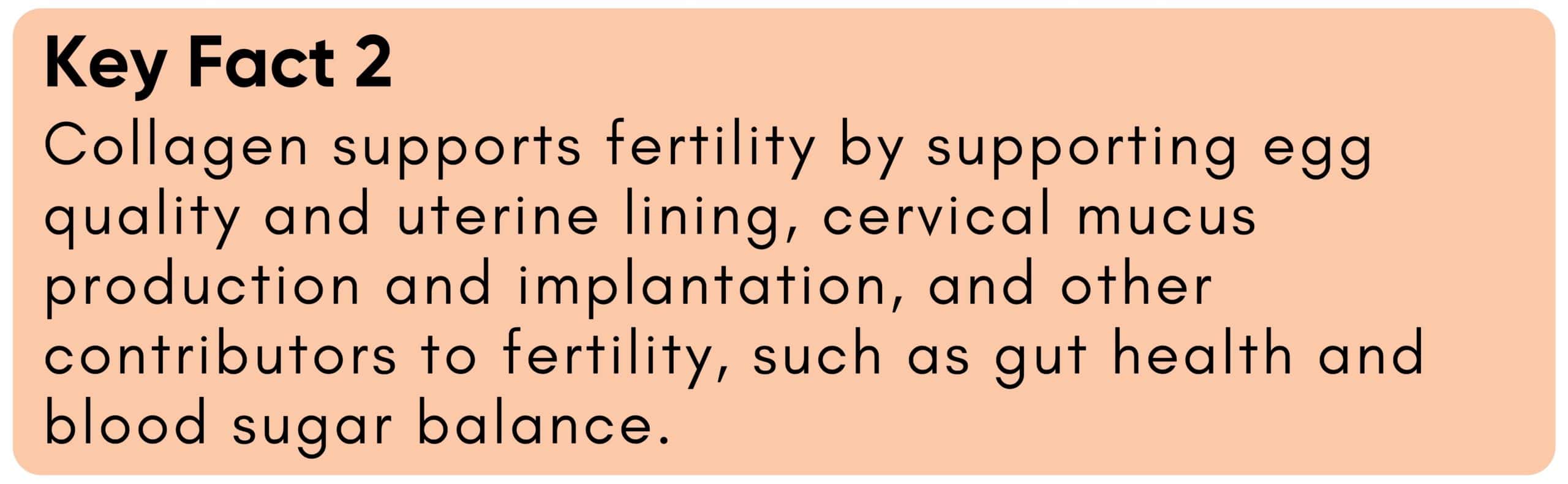
Collagen provides the structural protein essential for the integrity of the endometrium and reproductive organs, and supports hormone production and ovarian function (11). Maintaining healthy collagen levels can improve uterine lining thickness for implantation and promote the growth and function of ovarian follicles (11).
Adequate collagen in the body is also necessary for uterine tissue integrity to maintain a healthy pregnancy (11).
Supporting cervical mucus and implantation
Collagen helps the uterus be more receptive to implantation and helps the embryo attach (12).
Gut health and blood sugar balance
Collagen supports the integrity of the gut lining, promotes overall digestive health, and regulates blood sugar—two important foundations for fertility (13, 14).
In one small study, supplementing with 20 grams of collagen daily reduced bloating and improved mild digestive symptoms (9). While collagen alone won’t fix poor gut health, getting enough total protein, collagen included, is essential for maintaining a healthy digestive system.
To optimize collagen production, focus on nutrients that help your body make and absorb it effectively. Vitamin C, zinc, and copper are important, so regularly include foods like citrus fruits, seafood (particularly oysters), and red meat.
And finally, eating a variety of animal proteins throughout the day naturally provides collagen and the amino acids your body needs to keep producing it.
How does collagen support pregnancy?
Fetal development
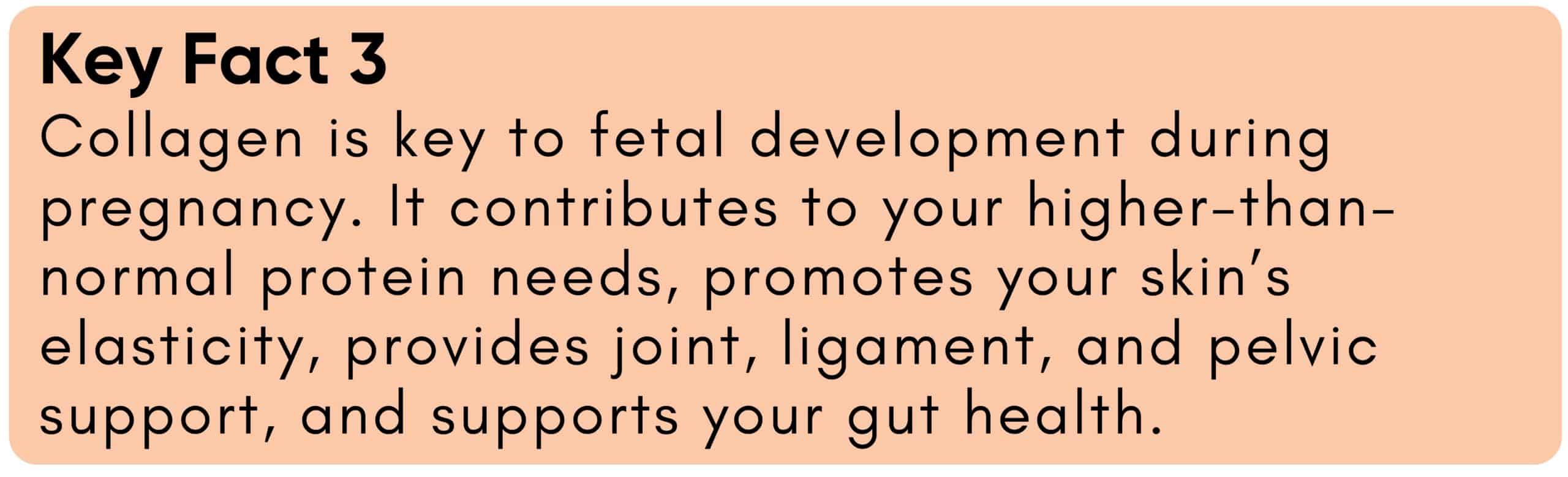
Collagen supports fetal development by providing essential amino acids that help form organs, the skeletal system of bones and teeth, connective tissues, skin, and blood vessels.
Help you meet increased protein needs.
As mentioned, collagen isn’t a complete protein, but it still contributes meaningfully to your overall protein intake, like beans do; they are missing the amino acid methionine. Including collagen-rich animal foods regularly helps you reach your protein target at each meal—around 30 grams for most pregnant individuals.
Because it’s a highly bioavailable, high-quality protein source, collagen supports blood sugar balance, promotes healthy fetal growth, and helps you stay satisfied between meals.
Learn more about your protein needs here.

Promote your skin’s elasticity.
Your skin must stretch and grow a lot to accommodate your growing little one! Collagen can help maintain your skin’s ability to stretch and grow during this time (5).
Joint, ligament, and pelvic support
During pregnancy, the hormone relaxin significantly increases to soften and widen the cervix, expand pelvic bones, and relax ligaments to prepare your body for childbirth (25). However, this can contribute to increased joint instability and pain.
Studies have found that collagen helps improve joint function and reduce joint pain. Collagen supplementation, in particular, is a well-studied means of supporting joint health by providing structural support, cartilage, and reducing inflammation (15, 16).
Gut health, digestion, and circulation
Since collagen is essential to gut health, it’s important for gut health during pregnancy, when your gut health impacts not just you, but your developing little one (8).
Supporting your gut health is essential during pregnancy because you’ll pass your gut microbiome balance to your baby. So getting enough collagen is one (of many) ways you can improve your gut microbiome and your baby’s pregnancy.
How does collagen support the postpartum period?
Protein needs are even higher postpartum than during the third trimester of pregnancy. Whether you gave birth vaginally or via cesarean section, your body is hard at work on repairing torn tissues, restoring skin integrity and muscle recovery, and drawing from nutrient stores if you breastfeed.
Wound healing (C-section or vaginal tears)
Collagen is part of the extracellular matrix (a network of proteins that surrounds tissues and cells around organs) and is involved in each stage of wound healing. Unsurprisingly, collagen is known to enhance wound healing as it rebuilds skin, aids in the repair process, and significantly accelerates overall wound healing (17, 18, 19, 20).
Pelvic floor + connective tissue recovery
Collagen is essential for restoring strength to pelvic floor muscles after they are stretched and weakened throughout pregnancy and during vaginal birth. Luckily, collagen can strengthen the pelvic floor again (21).
Breastfeeding considerations
Not only can it aid in your recovery and contribute to your increased protein needs, but it can also support the growth and development of your infant, synthesize milk proteins, and maximize milk production (22).
What are the best food sources of collagen?
Lots of meats and seafood-related products are great sources of collagen.
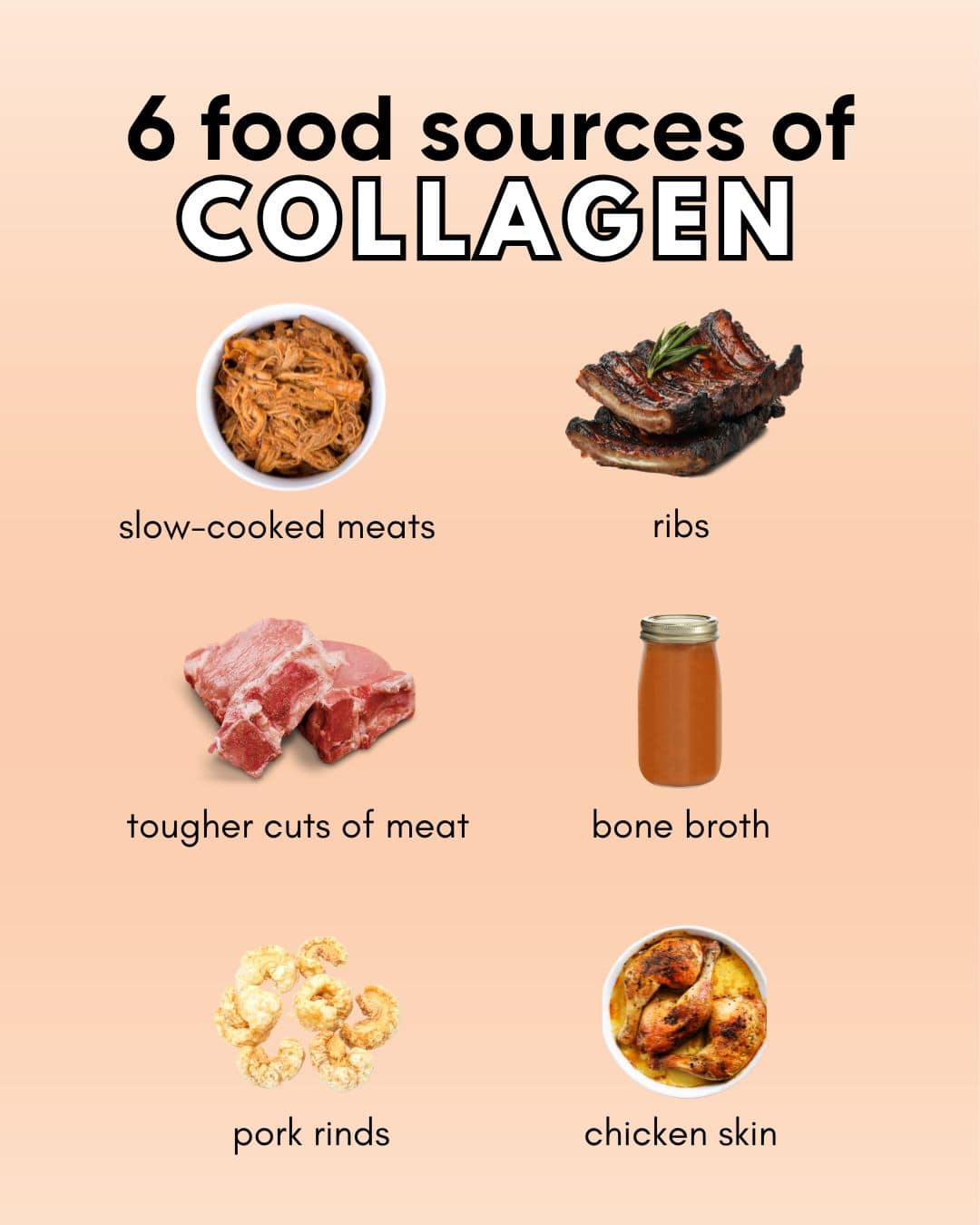
In particular, foods highest in collagen include:
- Bone broth
- Fish skin and bones (like canned salmon)
- Chicken skin
- Slow-cooked meats
- Pork rinds
- Ribs
- Tougher cuts of meat with bone-in and skin-on, and cook in soups and stews (these are usually more budget-friendly as well)
As mentioned above, vitamin C assists with the use and synthesis of collagen in the body. Pairing collagen—and glycine-rich foods with vitamin C-rich foods can help with collagen synthesis and its role in the body (23).
Is consuming collagen from supplements as ideal as consuming it from food?
Like most nutrients, it’s best to get collagen from whole food sources whenever possible.
Collagen-rich foods, bone broth, and slow-cooked meats also provide other key nutrients for pregnancy, especially protein, zinc, and iron. Prioritizing these foods helps you meet your increased nutrient needs during pregnancy and postpartum in a more complete, bioavailable way.
That said, if you’re struggling with nausea, low appetite, or simply need extra support to meet your protein goals, a high-quality collagen supplement can be a helpful addition. Powders or capsules can be an easy “insurance policy” to ensure you’re getting enough to support you and your baby.
Is it safe to consume collagen supplements during pregnancy and breastfeeding?
Generally, high-quality collagen supplements can be consumed safely during pregnancy and breastfeeding (26). Note that the key is high-quality since these are not well-regulated and thus cannot be guaranteed safe, especially during pregnancy.
Look for reputable brands that contain hydrolyzed collagen or peptides that make the collagen easier for your body to digest and absorb.
What are the best collagen supplements?
Collagen supplements come in many forms: powders, capsules, liquids, and multi-collagen (sourced from two or more animals). Collagen supplements may be sourced from bovine, marine, or other sources, such as pork, but there is no clear superior contender regarding benefits (24).
Choose the form of collagen supplement you prefer, which is easiest for you to take.
Ideally, the supplement you choose will be tested by a third party. It’s also a good idea to buy supplements that specify the absence of heavy metals. It should be apparent on their website and typically the product itself that it has been third-party tested.
Take collagen in the recommended serving amounts. Depending on your needs, collagen is often a supplement that can be consumed 1-3 times daily.
Some quality options include:
- Further Food (Discount: RYANN18)
- Needed (Discount: TPNL)
- Paleo Pro
- Perfect Supplements
- Ancient Nutrition
The Bottom Line
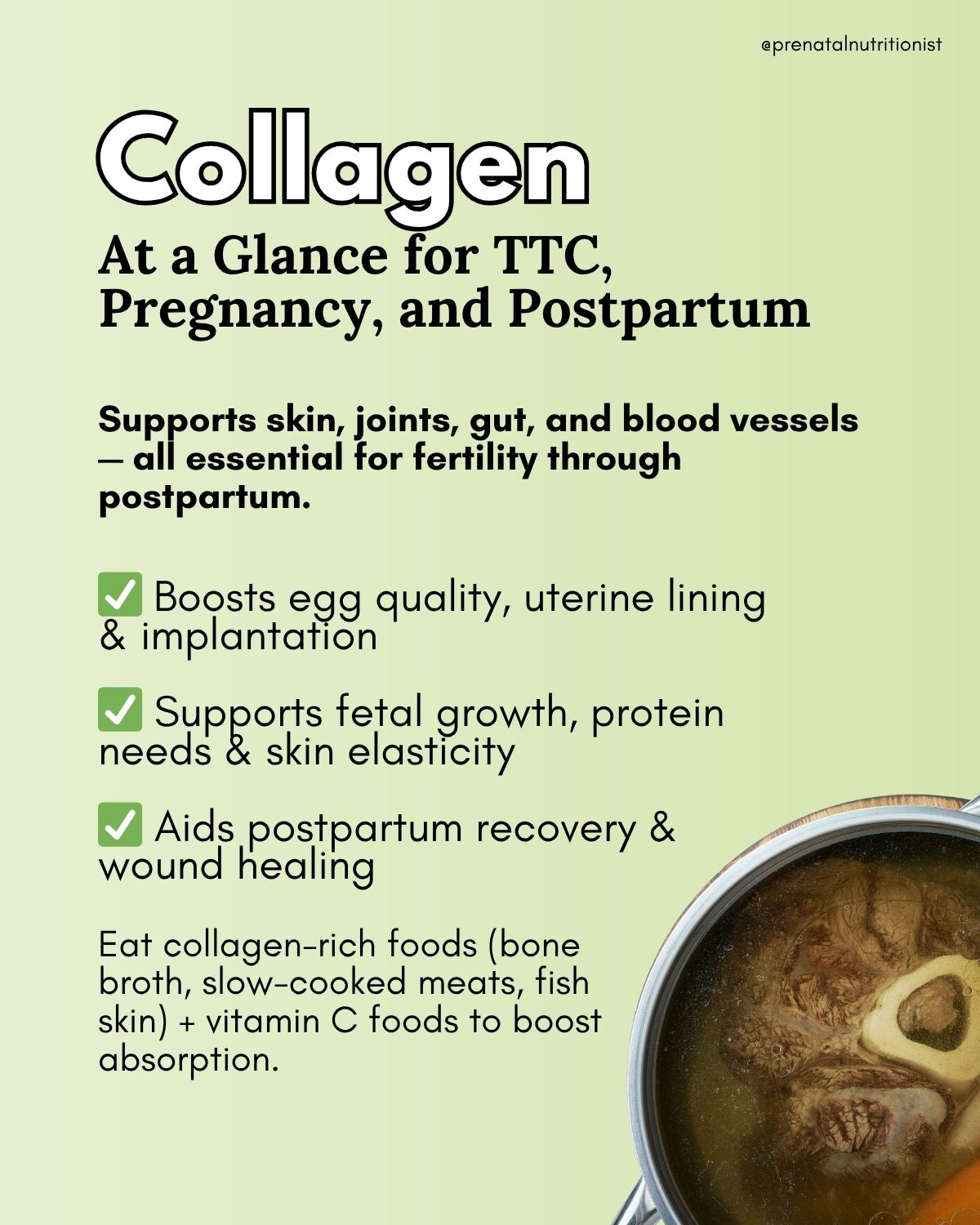
- Collagen plays a powerful, multi-stage role in your reproductive health—from preconception through postpartum recovery.
- Five main types of collagen support your skin, hair, nails, joints, connective tissues, blood vessels, and gut. Together, they help maintain the structure and strength your body needs during pregnancy and beyond.
- For fertility, collagen supports egg quality, uterine lining health, cervical mucus production, and implantation, promoting gut health and blood sugar balance. During pregnancy, it contributes to fetal development, supports your growing protein needs, promotes skin elasticity, and helps protect your joints and ligaments.
- You can boost your collagen intake by eating foods naturally rich in it—like bone broth, fish or chicken skin, pork rinds, and slow-cooked meats—and pairing them with vitamin C–rich foods such as citrus and broccoli to enhance absorption.
- Whenever possible, prioritize food sources of collagen since they come packed with additional nutrients that support pregnancy and postpartum recovery. But if nausea, appetite changes, or higher needs make it tough to meet your goals through food alone, a high-quality collagen supplement can be a helpful addition to ensure you’re getting enough.
Comparison of Milks

Constipation
Dairy

Digestion Support Guide

Eggs

Essential Postpartum Foods

Fats
Fiber

Fluids
Goji Berries

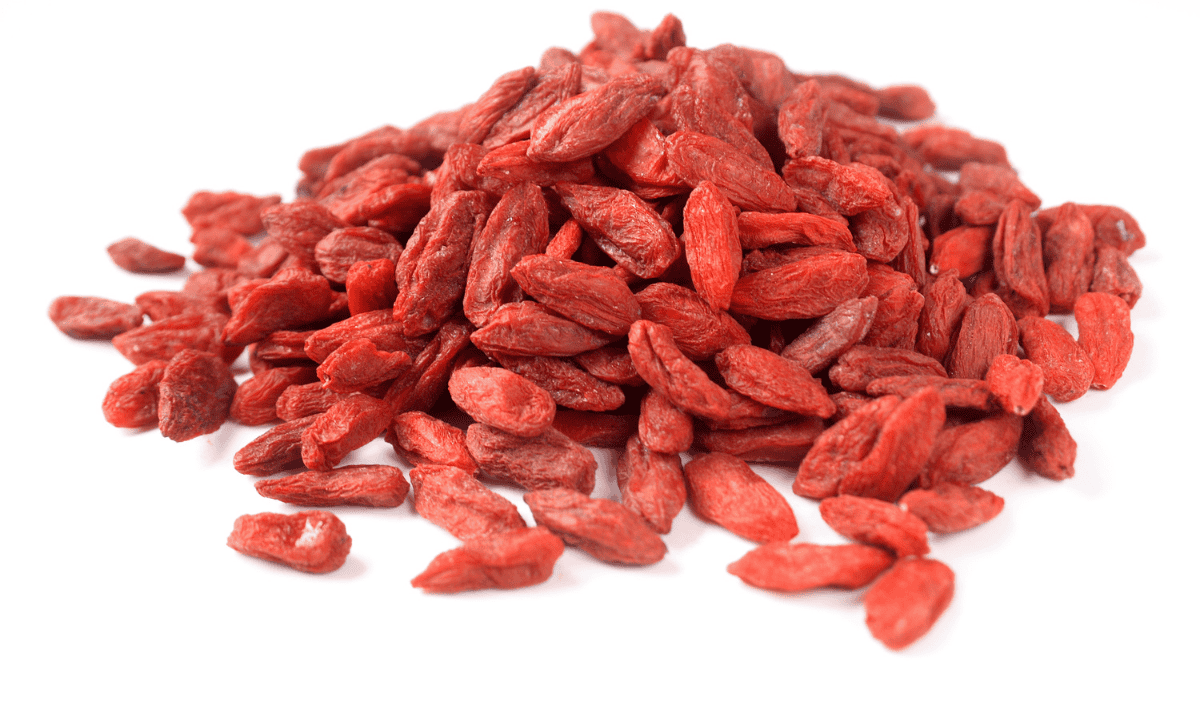
What are Goji Berries?
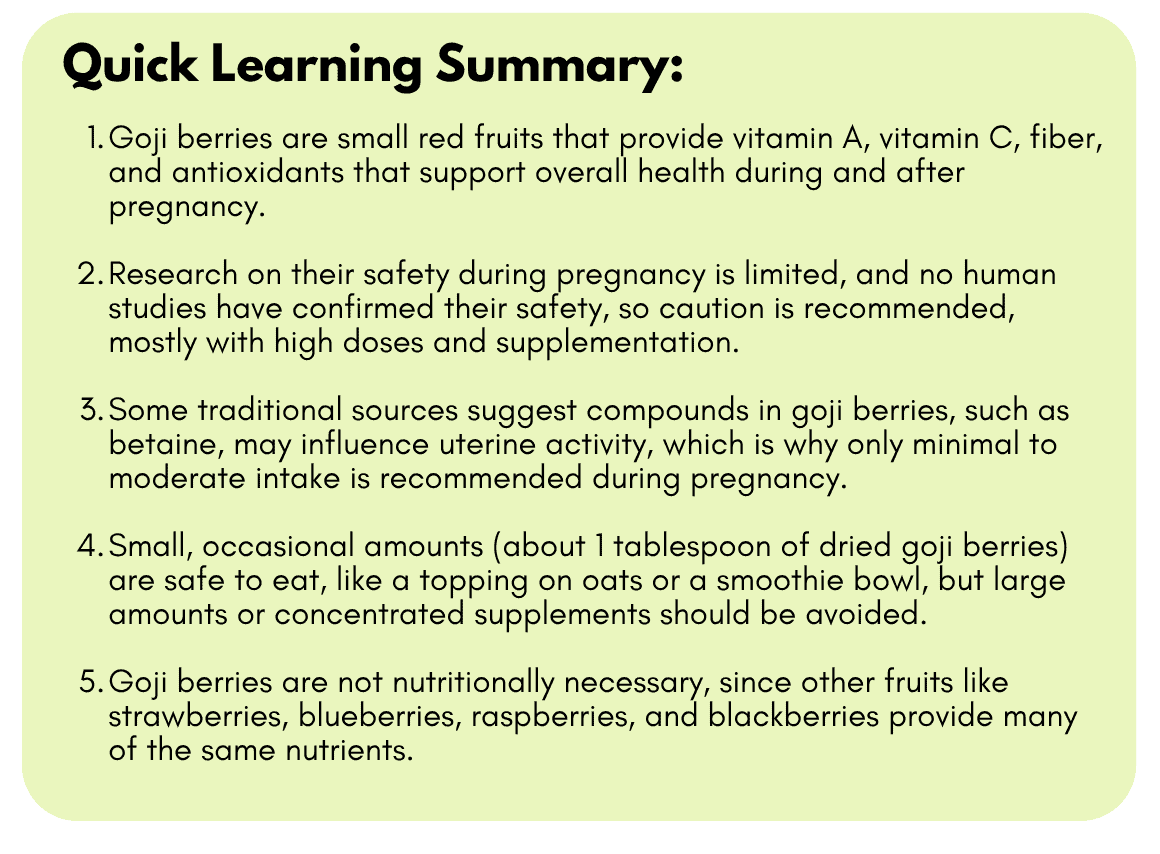
- Goji berries are tiny red fruits similar to raisins when dried
- People eat them as a snack, in teas, smoothies, cereal, or supplements
- They are popular because they contain vitamins, minerals, fiber, and antioxidants, which are substances that help protect your cells from damage (1, 1.1)
Goji berries are usually found in Asia, particularly in the northwest regions of China (2). For thousands of years, they have been traditionally used in Chinese medicine, but are gaining in popularity in the U.S. due to claims of high antioxidant content and potential health benefits.
Are Goji Berries Safe For Pregnancy?
There are very few clinical studies specifically evaluating goji berry intake during pregnancy, so no definitive conclusions can be drawn about its effects.
Animal and laboratory studies (3) suggest potential effects, including:
- Protection against oxidative stress
- Immune modulation
- Increased insulin sensitivity
- Antioxidant activity
However, these findings cannot be directly applied to human pregnancy safety due to the lack of research.
That said, one practical upper limit is about 1 tablespoon (15 grams) per day, not as a long-term “staple.”
Why Caution Is Often Recommended
Goji berries naturally contain betaine, a plant compound that supports liver function, cellular hydration, and methylation processes in the body (4).
Betaine itself is not inherently harmful. In many contexts, it may even provide benefits such as supporting metabolic health and reducing oxidative stress.
However, caution is recommended during pregnancy because some traditional Chinese herbal medicine sources (5) suggest that certain compounds in goji berries, including betaine, are associated with induced menstrual flow and vaginal contractions.
Although there are no current human studies suggesting this correlation, we want to exercise caution and limit our goji berry consumption during pregnancy – just in case. Eating small amounts of dried goji berries occasionally (for example, as a topping on a smoothie bowl, yogurt, or oatmeal) is safe, but regularly consuming large amounts or concentrated supplements is not advisable until more research is available.
Potential Risks and Drug Interactions to Consider
Goji berries may interact with certain medications, such as anticoagulants, like Warfarin (6). If you are currently on Warfarin or taking any other anticoagulant medication, we recommend erring on the side of caution by abstaining from goji berries.

Can I eat them while trying to conceive or postpartum?
Yes, there are no contraindications to consuming goji berries before or after pregnancy.
Nutrient Profile of Goji Berries (1 tbsp) (7)
- Calories: 19.6 kcal
- Carbs: 4.32 g
- Fiber: 0.72 g
- Protein: 0.8 g
- Calcium: 10.64 mg
- Iron: 0.4 mg
- Potassium
- Vitamin A: 450 mcg (50% of the DV)
- Vitamin C: 2.72 mg
What are the Benefits of Eating Goji Berries?
High in vitamin A (beta-carotene)
Goji berries are rich in beta-carotene, a precursor to vitamin A that supports your baby’s development, including the eyes, limbs, heart, and immune system, while also helping maintain your own vision, tissues, and immune health during pregnancy (9). Unlike retinol, beta-carotene is not the preformed vitamin A that can be problematic in pregnancy.
Good source of vitamin C
Goji berries have vitamin C, which is essential during pregnancy. It supports immune function, boosts iron absorption, protects our cells from damage, and is linked to healthier birth outcomes (11).
Fiber-rich
Goji berries, like many other fruits, contain fiber. Fiber can promote regular bowel movements, helping prevent constipation and preeclampsia (12). Fiber also helps keep us fuller for longer, regulates blood sugar, and supports healthy gut bacteria (13).
High in antioxidants
Goji berries contain several types of antioxidants that work together to protect our cells from harmful damage, fight inflammation, and support and strengthen our immune systems during and after pregnancy (14).
Goji Berries vs. Other Berries
Goji berries are often called a “superfood,” but how do they actually compare to other common berries like blueberries, strawberries, and raspberries?
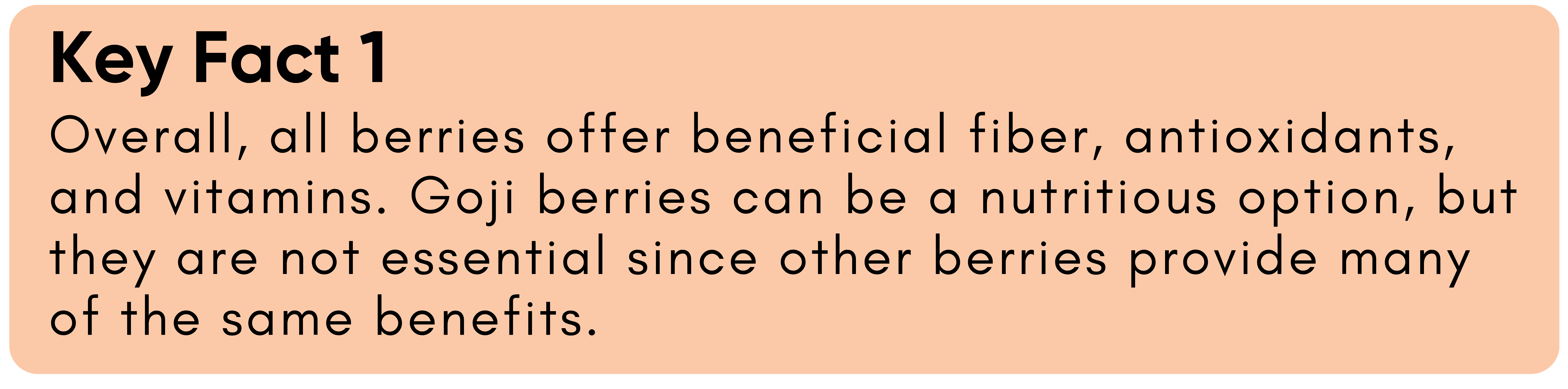
Compared with blueberries, strawberries, and raspberries, their main standout is vitamin A. Most other types of berries provide minimal vitamin A, so that is what makes goji berries unique.
Other berries shine in different ways. Strawberries and blueberries tend to provide more vitamin C, which supports immunity and iron absorption, while raspberries and blackberries are especially rich in fiber to support digestion and help with constipation (13).
Ways to Include Goji Berries in Your Diet
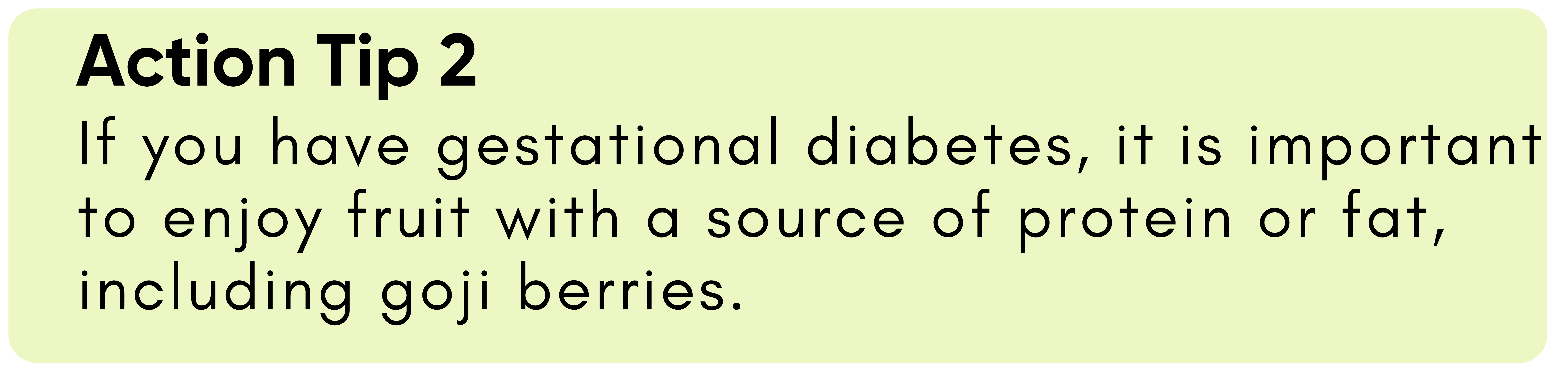
If you really love goji berries, or they are popularly grown/available where you live, they are very easy to add to your diet, and can be used like other berries!
- Blend into smoothies
- Add to oatmeal or yogurt for a slightly sweet, chewy topping
- Mix into a trail mix with nuts, seeds, and dark chocolate
- Sprinkle on salads for a pop of color and natural sweetness
- Stir into baked goods like muffins, granola bars, or energy bites
- Steep in hot water or tea to soften them and create a mild goji berry tea
Written by: Lydia Bodi, Dietetic Intern, and Ryann Kipping, MPH, RDN, LDN
HTMA (Hair Tissue Mineral Analysis)

Iodine
Iron
Iron Labs

Kombucha

Lentils

Liver and Liver Supplements

Meat

Mineral Mocktails

Nutrition After Giving Birth: Where to Start

Nutrition for Breastfeeding

Nutrition for C-section Recovery

Nutrition for your Mood/Anxiety

Oysters

Postpartum Brain Fog

Postpartum Depression

Postpartum Hair Loss

Postpartum Lab Guide

Why is postpartum lab testing important?
After childbirth, the body enters a period of recovery and rebuilding. It’s working to restore blood volume, replenish nutrient stores, recalibrate hormones, and heal tissues from the demands of pregnancy and delivery. These processes require significant metabolic and nutritional resources that continue well beyond the traditional six-week postpartum visit.
The postpartum period deserves the same level of intentional care as pregnancy itself. This is particularly important to note because once the baby arrives, maternal health often receives less ongoing assessment.
Yet postpartum nutrient demands remain high, especially for women who are breastfeeding (1, 2). Maternal nutrient status influences energy production, immune health, thyroid function, metabolic health, mood regulation, and physical recovery (3, 4, 5).
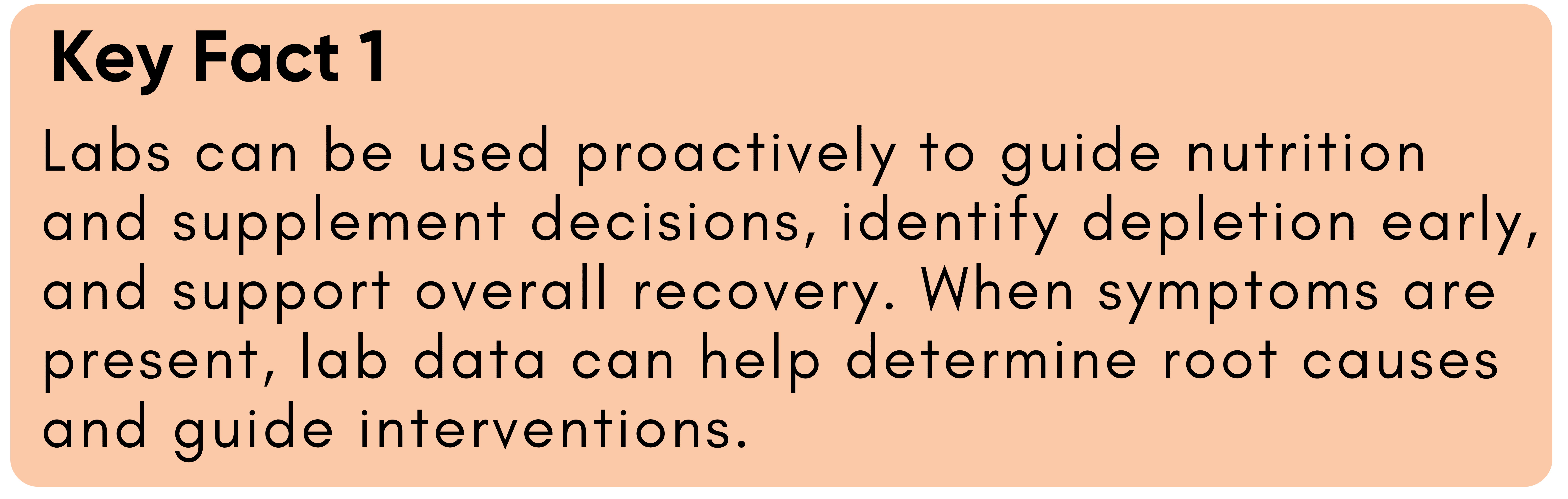
Postpartum lab testing can be used as a proactive and informative tool to assess your health, support recovery, guide nutrition and supplement choices, and identify areas of depletion before symptoms become pronounced.
Lab data allows care to be more targeted and individualized and helps us identify where the body may need additional support.
When symptoms such as persistent fatigue, low mood, anxiety, dizziness, hair loss, palpitations, constipation, or poor physical recovery are present, labs can help determine root causes (6). These symptoms often overlap with sleep deprivation and stress, but they can also reflect iron depletion, thyroid dysfunction, vitamin D insufficiency, vitamin B12 deficiency, or blood sugar dysregulation (7, 8).
When and how often should I get labs done postpartum?
Immediately after birth in the hospital setting, frequent vital sign assessment and a Complete Blood Count (CBC) panel are standard. We recommend an additional comprehensive set of labs around six to twelve weeks postpartum.
By this time, acute delivery-related physiologic shifts have stabilized enough for trends such as anemia, thyroid dysfunction, or nutrient depletion to become apparent.
Earlier testing may be appropriate when symptoms are significant or worsening. Severe fatigue, lightheadedness, rapid heart rate, marked mood changes, or excessive hair shedding warrant evaluation sooner.
Follow-up testing later in the postpartum period (after 3 months) may also be necessary, depending on your initial results.
For example:
- Iron status should be reassessed when deficiency or anemia is found and after a period of supplementation to confirm restoration of iron stores.
- Thyroid function may require repeat evaluation at three to six months postpartum, as postpartum thyroiditis often develops after initial labs appear normal.
- Blood sugar markers should be reassessed after a pregnancy with gestational diabetes and may be informative in women with ongoing fatigue, cravings, or difficulty recovering metabolically (9, 10).
Postpartum recovery is not static. Lab testing can be used both to identify early depletion and to monitor progress as the body continues to heal.
Core postpartum labs and why they matter
Complete Blood Count (CBC)
A CBC evaluates red blood cells, white blood cells, and platelets. It provides foundational information about oxygen-carrying capacity, immune status, and clotting function.
Many hospitals check a CBC shortly after delivery. Values can change significantly in the weeks that follow. A postpartum CBC provides a snapshot of your overall health and can help identify conditions such as anemia that may not have been apparent immediately after birth.
Full iron panel
Iron is essential for hemoglobin production, cellular energy production, thyroid function, and maintaining healthy brain chemistry. Pregnancy places substantial demands on iron stores, and many women enter the postpartum period already partially depleted, even if anemia was not diagnosed during pregnancy.
Ferritin reflects iron storage and often declines before hemoglobin drops. As a result, women may experience symptoms such as fatigue, brain fog , or hair shedding even when a CBC appears normal. Assessing ferritin postpartum allows for early, targeted repletion rather than delayed or excessive supplementation.
Iron deficiency is one of the most common nutrient deficiencies worldwide, and postpartum women are at increased risk due to pregnancy demands and blood loss during delivery (11). A full iron panel provides a clearer picture of iron status and supports appropriate dosing and supplementation duration.
A comprehensive panel typically includes serum iron, ferritin, transferrin saturation, total iron-binding capacity, and transferrin. Learn more here .
Thyroid panel
The thyroid plays a vital role in how the body uses energy, regulates body temperature, and supports overall metabolism and mood. During pregnancy, thyroid hormone needs increase, and after delivery, immune and hormonal shifts can temporarily affect thyroid function.
One condition that can occur postpartum is postpartum thyroiditis, which affects approximately five to ten percent of women (12). It often follows a two-phase pattern. Some women experience a period of higher thyroid activity first, followed by a phase of lower thyroid activity as the body continues to recover.
Because changes in thyroid function can resemble common postpartum experiences, they are often missed without lab testing. Assessing thyroid labs postpartum helps clarify whether thyroid recovery is progressing as expected and whether monitoring or treatment is needed.
Thyroid health also plays a role in milk production and long-term bone and cardiovascular health.
Learn more about a full thyroid panel here .
Vitamin D
Vitamin D supports bone strength, immune health, muscle function, and blood sugar regulation. Needs increase during pregnancy and breastfeeding, and low levels are common in the postpartum period (13). Some studies suggest vitamin D deficiency may be one risk factor for postpartum depression (14).
Checking vitamin D postpartum helps tailor supplementation to your individual needs rather than relying on a standard dose. Adequate levels support physical recovery, immune resilience, and overall well-being.
In breastfeeding women, maternal vitamin D status also influences breast milk vitamin D content.
Vitamin B12 and folate
Vitamin B12 and folate are essential nutrients that support brain and nervous system function, red blood cell production, and overall energy levels. They play a role in how efficiently the body produces energy and supports focus, memory, and mental clarity.
During pregnancy, intake of these nutrients is often supported by prenatal vitamins. After delivery, intake may decline if prenatal vitamins are discontinued or if meals become less consistent during the postpartum period.
Checking vitamin B12 and folate postpartum can help identify whether low levels may be contributing to slower recovery, low energy, brain fog, or changes in red blood cell markers. It can guide more targeted nutrition or supplementation.
Blood sugar markers
Blood sugar balance plays a vital role in steady energy levels, appetite, and long-term metabolic health. Pregnancy places extra demand on the body’s metabolic systems, and the postpartum period is a necessary time to check in on how well the body is recovering and adapting.
Follow-up testing is essential after gestational diabetes and may also be informative in women experiencing persistent fatigue, cravings, or difficulty recovering metabolically.
Fasting glucose and hemoglobin A1c are commonly used screening tools. Identifying early dysregulation allows for timely dietary and lifestyle support rather than delayed intervention.
Additional markers to consider
In some cases, core postpartum labs do not fully explain ongoing concerns.
When recovery feels incomplete despite addressing foundational labs, additional markers can provide helpful context. These tests are not necessary for everyone and are best used selectively based on symptoms and individual history.
Zinc and copper
Zinc and copper are essential trace minerals that support immune health, tissue repair, hormone balance, and nervous system function. During pregnancy, the balance between these minerals shifts. Copper levels naturally rise, while zinc needs increase.
After delivery, copper levels typically begin to normalize. In some women, copper remains elevated relative to zinc, which could influence recovery, immune health, and mood (15, 16, 17). Looking at zinc and copper together provides more helpful insight than assessing either mineral on its own.
C-reactive protein (CRP)
CRP is a marker of systemic inflammation. Inflammation increases during pregnancy and delivery and typically declines during postpartum recovery.
Persistently elevated CRP beyond the early postpartum period could suggest ongoing inflammatory stress or delayed recovery. While CRP does not identify a specific cause, it can help explain generalized symptoms and guide further evaluation.
Comprehensive metabolic panel (CMP)
A CMP evaluates liver enzymes, kidney function, electrolytes, and provides limited insight into protein status. This panel provides a broad overview of metabolic and organ health.
It can be particularly informative for women who have experienced pregnancy complications such as preeclampsia, HELLP syndrome, significant blood loss, or who are taking medications that affect liver or kidney function.
Advanced or specialized testing
Some postpartum women wish to explore advanced testing to optimize recovery and replenishment further, or they continue to experience symptoms despite addressing common deficiencies.
In these situations, additional testing may be used to provide further context. These tests are optional, highly individualized, and should be interpreted by practitioners trained in their use.
Hair Tissue Mineral Analysis (HTMA)
Minerals play central roles in energy production, stress response, and nervous system regulation. HTMA reflects longer-term mineral patterns rather than day-to-day blood levels. They offer insight into tissue-level mineral balance and relationships between minerals such as magnesium, calcium, zinc, and copper.
Learn more about HTMA testing during preconception, pregnancy, and postpartum here.
Stress hormone pattern testing
Sleep disruption and chronic stress are common postpartum and can alter cortisol rhythms that support energy, immune function, and blood sugar balance.
Salivary or urinary cortisol testing evaluates cortisol patterns throughout the day and may help explain persistent exhaustion or reduced stress tolerance.
One commonly used option is the DUTCH test, which evaluates daily cortisol patterns along with sex hormone production and metabolism.
Hormone testing beyond the thyroid
Estrogen and progesterone shift dramatically after delivery. While these changes are expected, some women experience ongoing cycle irregularity or significant symptoms once their cycles return.
Specialized hormone testing is generally more informative later in the postpartum period once menstrual cycles have resumed.
Gut and digestive testing
Pregnancy, delivery, antibiotic exposure, and stress can all affect digestion and the gut microbiome.
Stool-based testing may be considered when postpartum symptoms include persistent bloating, constipation, diarrhea, food reactions, or unexplained immune or skin concerns.
Learn more about GI Map testing here.
The Bottom Line
- During the postpartum period, the body works to rebuild nutrient stores, heal, and rebalance hormones. Lab testing helps assess how the body is recovering during this phase.
- Labs can be used proactively to guide nutrition and supplement decisions, identify depletion early, and support overall recovery, rather than relying solely on generalized postpartum recommendations.
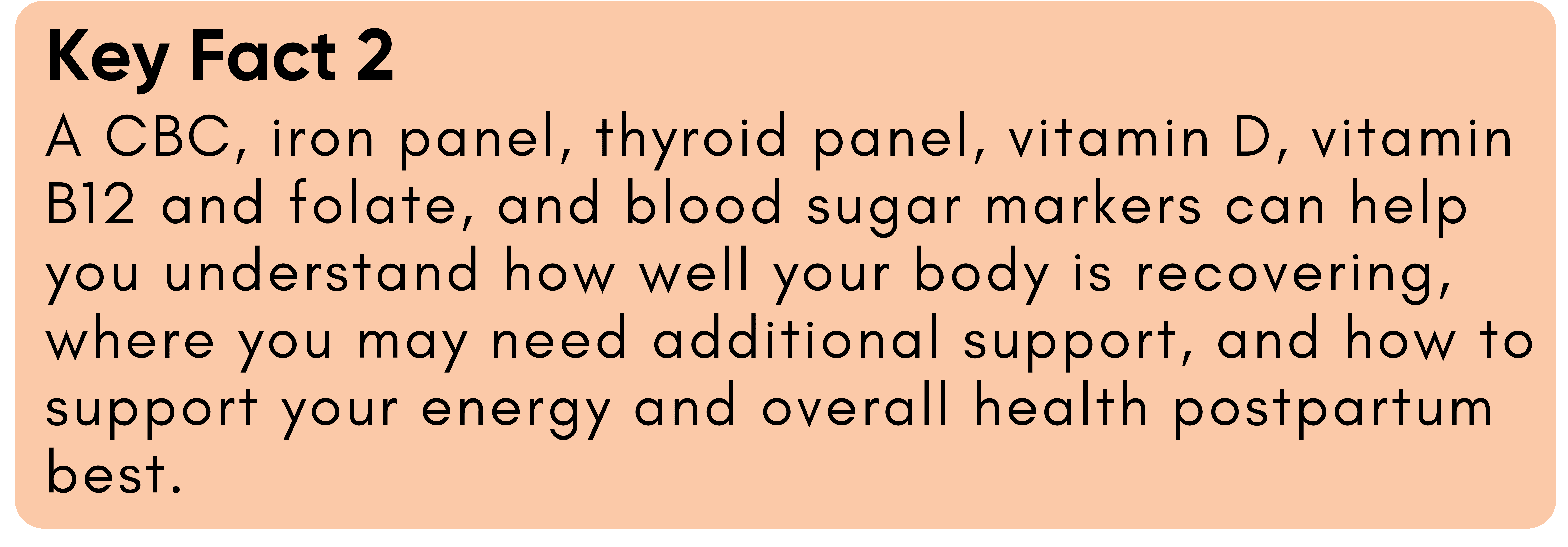
- A CBC, iron panel, thyroid panel, vitamin D, vitamin B12 and folate, and blood sugar markers can help you understand how well your body is recovering, where you may need additional support, and how to support your energy and overall health postpartum best.
- When recovery feels slower than expected, or symptoms arise, additional or advanced testing may provide helpful context. Used appropriately, this type of lab data and testing helps prioritize supportive strategies and promotes long-term maternal health.
Written by: Jorden Edinger, MS, RDN
Reviewed by: Ryann Kipping, MPH, RDN, LDN
Postpartum Nutrition Foundations: Start Here
Postpartum Supplement Guide

Postpartum Weight Loss

During pregnancy, your body will grow and change to support the growth and development of your little one. Despite many traditional societal pressures and messaging to “bounce back” as quickly as possible, remember you need time to heal.
Your body has undergone a remarkable transformation to create something so special, which should be celebrated. First, take plenty of time and space to focus on replenishing nutrients and bonding with your little one before delving into weight loss if this is a goal of yours.
While navigating the postpartum period, it’s very common for women to start wondering about weight loss. The amount of gestational weight gain varies largely from person to person and can be a very personal and sensitive topic.
How long is postpartum?
In its simplest definition, the postpartum period refers to the phase that follows childbirth. It begins after the delivery of your baby.
The question is, then, how long is postpartum? Or when does postpartum end? You may have heard the guidance of six weeks for a vaginal delivery and eight weeks for a cesarean section (1). Others may extend this time a bit further to 12 weeks, or what is often referred to as the fourth trimester (2).
If you’ve given birth before, you may agree that this is part of what sets many women up for the pressure and expectation to be rapidly back to their pre-pregnancy selves physically and emotionally. The truth is, this can take months or even a year or more. In fact, a postpartum depression or anxiety diagnosis can occur up to a year after birth.
When we discuss postpartum care inside The Prenatal Nutrition Library, we include the first six to eight weeks, but also extend this discussion beyond this time and well into the first year or more after birth.
Postpartum weight loss patterns
Just like weight gain during pregnancy varies from person to person, weight loss patterns during the postpartum period are also very individualized. No one loses or gains weight in exactly the same way.
Several variables, including pre-pregnancy weight, weight gain during pregnancy, whether breastfeeding or not, hormonal health and balance, metabolism, sleep patterns, and genetics, will influence weight loss patterns after pregnancy. Some of these variables are within our control, and some are not.
- Pre-Pregnancy Weight: People in a larger body size pre-pregnancy tend to retain more weight postpartum (3, 4). Research also suggests that women who had an underweight or low body mass index (BMI) before pregnancy may be more likely to retain weight initially in postpartum (5). This could possibly be a protective mechanism by the body to replenish nutrient and energy stores and support recovery.
- Weight Gain During Pregnancy: Gestational weight gain above the Institute of Medicine (IOM) recommendations during pregnancy has been identified as a predictor of postpartum weight retention initially, at one year postpartum, and beyond (6, 7, 8).
- Breastfeeding: Breastfeeding burns high amounts of calories (9). Some studies have found slightly greater weight loss at three months postpartum among mothers who exclusively breastfed compared to those who did not (10). However, nursing also coincides with increased calorie needs, as well as higher appetite and hunger levels, for most mothers (11), particularly in the early months of nursing. The impact of breastfeeding on postpartum weight loss amounts and rates seems to be individualized, as research results overall have been mixed (12, 13, 14, 15).
- Hormone Health and Balance: Pregnancy and childbirth can cause changes in hormone health and balance. For example, postpartum thyroiditis is a fairly common condition during this phase (16). Disruption and changes to hunger hormones, progesterone, estrogen, and prolactin may also impact weight loss.
- Metabolism: Metabolic rate, or the amount of calories your body burns, varies from person to person.
- Sleep: We know a quality and restorative night of sleep can be hard to come by in the early stages of postpartum and even longer, depending on the sleeping habits of your unique little one. Both lack of sleep and disrupted sleep can impact our hormones, appetite, cravings, and weight loss and gain (17, 18).
- Genetics: Genetics can impact how easily and where our bodies store weight. This can make weight loss either more or less challenging.
How long does it take to lose weight gained during pregnancy?
The time it takes to lose weight gained during pregnancy varies widely, depending on the individual and factors mentioned above, as well as overall nutrition and activity level (19).
In general, after delivery, you can expect to lose about 10-12 pounds immediately, which includes the baby, placenta, and some amniotic fluid. It is sometimes unexpected, but your belly will not immediately shrink down after having a baby.
Some additional weight loss will continue naturally in the first several weeks as the body sheds excess fluid retained during pregnancy.
Research varies significantly in terms of how long it takes to lose weight after giving birth. One study found that 60% of women returned to their pre-pregnancy weight by one year or twelve months postpartum, while another suggested that up to 75% of women were not at their pre-pregnancy weight within the same time frame (20, 22).
With the implementation of intentional nutrition and exercise interventions, a greater percentage of women return to pre-pregnancy weight within one year postpartum (54).
How long after delivery can you start trying to lose weight?
It takes around 40 weeks to grow a human, yet there has traditionally been a considerable societal pressure to ‘bounce back’ after delivery as quickly as possible.
The truth is, it takes time to heal, recover, and feel like your new, improved version of yourself again. That can be challenging to hear, and there’s no right or wrong way to feel about it. It’s very normal to feel mixed emotions about your postpartum body.
It’s absolutely okay to have a weight loss goal. However, it is essential to prioritize recovery and healing above all else. Don’t forget to celebrate the fact that your body grew an entire human from scratch. Your body has changed, and it has done this to create something truly amazing.
The amount of time each person needs to heal and recover before initiating intentional weight loss efforts varies from person to person.
In general, we’d recommend waiting until at least three months postpartum before focusing on intentional weight loss. After this time, some women begin to feel physically ready and have a more established routine.
Losing Weight While Breastfeeding
When weight loss is a goal, we need to balance adequate nutrition to support milk supply with the strategies that aid weight loss or body composition changes.
Does breastfeeding help with postpartum weight loss?
Maybe, maybe not! Like most things, it depends on the individual.
It’s estimated that exclusively breastfeeding during the first several months postpartum will require and burn up to an extra 450 to 500 calories per day (23, 52). Theoretically, increasing the calories burned should aid in weight loss.
However, research results comparing postpartum weight loss in those who breastfed with those who do not are mixed (12, 13, 14, 15, 49).
Nursing typically coincides with an increased appetite, especially in the early months. Anecdotally, many women report they couldn’t lose “the last 10 pounds” until nursing was weaned.
Will losing weight while breastfeeding impact milk supply?
Possibly.
Losing weight while breastfeeding could impact milk supply. Both the timing and approach to weight loss could have a significant impact on whether this occurs. Alongside frequent and thorough milk removal or feedings, it is essential to consume adequate amounts of calories and nutrition to support milk supply if weaning is not your goal.
Waiting until breastfeeding and milk supply are well established and regulated, even until your baby has begun to incorporate some solid foods around six months of age, is advisable for some individuals, especially if low milk supply has been a concern.
A sudden drop or significant calorie restriction may result in dips in milk supply. A very low-carbohydrate diet may also decrease milk supply, but hydration status and overall calorie consumption still play a role (25, 53).
Alternatively, a more gradual approach to weight loss postpartum while breastfeeding is generally okay. After breastfeeding is well established, a gradual weight loss of up to about one pound per week does not appear to negatively impact milk supply (24, 26). Of course, this is always individual.
Don’t forget to work with a certified lactation counselor if you have concerns about milk supply. They are invaluable resources on the breastfeeding journey.
Gentle Weight Loss Support During Postpartum
It’s okay to want to lose weight or change body composition. A healthy body composition supports overall health and decreases the risk of chronic disease (27).
However, the approach to achieving a weight loss goal is important. Postpartum weight loss should be approached in a way that allows space for healing and does not sacrifice mental well-being.
When realistic and sustainable habits and behaviors are implemented to lose weight, these changes can support mood, energy levels, and hormone health. If weight loss is done through very restrictive measures, this can lead to negative impacts on mental health and hormone health, as well as nutrient deficiencies and cycles of weight loss and regain.
There is indeed no one-size-fits-all approach to weight loss during postpartum or outside of this time, but the following are great foundations for everyone to consider.
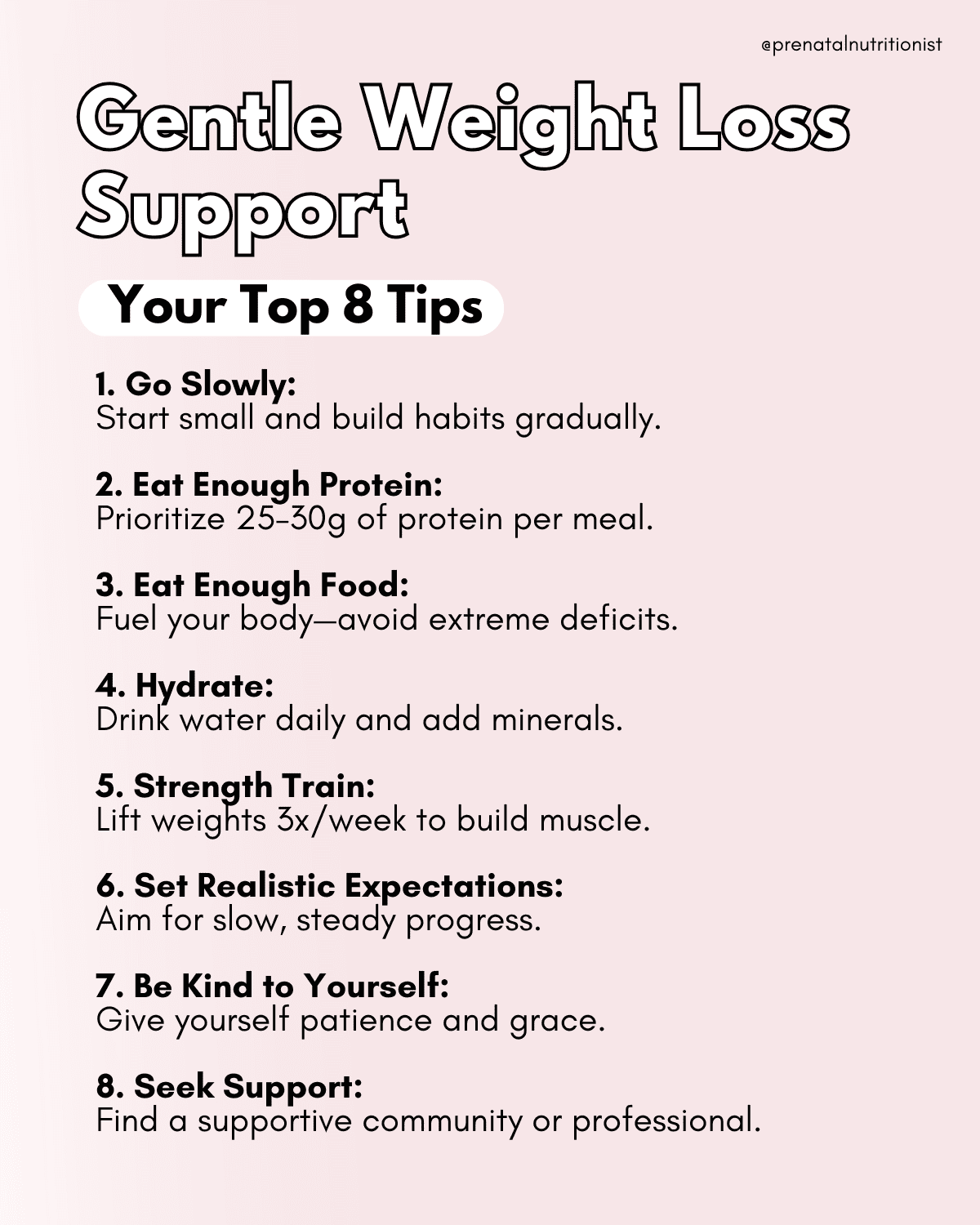
Tip 1: Go Slowly
First and foremost, before beginning an intentional weight loss goal, wait until you are physically, mentally, and emotionally ready. When you are ready, gradually incorporate habit shifts that support weight loss.
Attempting an overnight complete lifestyle overhaul rarely sticks. Often, when someone says, “I’m going on a diet,” that inevitably means that, at some point, they will come off of it. Usually, the need to “go off the plan” arises because there are restrictions that don’t leave room for the flexibility needed in life. Especially life with a little one! Your routine should leave room for “life,” like a sleepless night, illness, forgetting a packed lunch, or the human desire and experience to go out and enjoy a favorite treat.
Alternatively, consistency with small goals that build upon each other and habit stacking are valuable concepts to implement. This will look different for everyone.
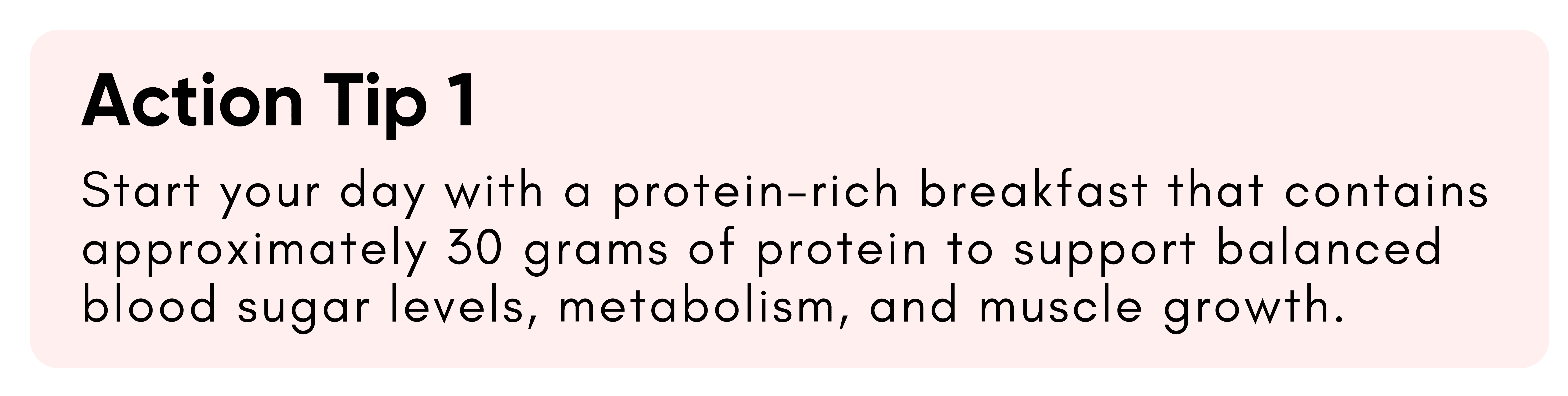
One example could be starting with a goal of having a daily breakfast that contains at least 30g of protein. Once this goal is consistently achieved, your next goal may be to incorporate 20-minute walks into your routine most days.
While it may sound simple, these are the types of foundations that will make a significant impact when consistently applied.
Weight loss and maintenance of weight loss happen when these types of habits are consistently integrated into your daily life.
Tip 2: Eat Enough Protein
Protein is a key macronutrient for supporting weight loss. Of course, we also need our other two macronutrients and plenty of fiber, but protein is one that many people are under-consuming, especially when it comes to weight loss.
Protein supports metabolism, maintains balanced blood sugar levels, and promotes lean muscle mass. Additionally, eating enough protein will keep you feeling more satiated, AKA less “hanger” and cravings.
We don’t necessarily recommend tracking macronutrients or calories because there’s no need to fixate on an exact number or track every gram you consume. With that said, it’s helpful to have some idea of what you’re shooting for with protein.
Each person’s protein needs depend on individual factors such as activity level and body size. The recommended dietary allowance (RDA) for protein is 0.8 grams of protein per kilogram of body weight.
However, this is the minimum amount of protein recommended to meet basic nutrition requirements. It does not take into account activity level and is not specifically designed for weight loss or postpartum care.
Most postpartum women aiming to lose weight would benefit from consuming at least 100g of protein per day, or approximately 25-30g of protein per meal. Alternatively, a calculation of 1.6 grams of protein per kilogram of body weight can be used to estimate protein needs (28, 29).
Tip 3: Eat Enough Food
Yes, a calorie deficit is essential for weight loss, but the goal is to create the smallest deficit, or the “minimal effective dose,” needed to see progress. For lasting, sustainable results and improved body composition, it’s just as important to support your metabolism by prioritizing enough protein and building lean muscle along the way.
Major caloric deficits, or undereating, leave us at risk for nutrient deficiency and will eventually slow down basal metabolic rate (30, 31). Undereating refers to not consuming enough calories or nutrients to meet basic energy and nutrient needs.
We need to eat enough calories to support ongoing recovery, hormone health, and continued progress with weight loss. The amount of calories each person needs will depend on multiple individual factors, including activity level, height, nursing status, age, and body weight.
The Dietary Reference Intake (DRI) recommendation for adult females is 2,000 to 2,200 calories per day (32). The Dietary Guidelines for Americans (DGAs) recommendations for adult females are based on activity level and range from 1,800 to 2,000 calories per day for sedentary individuals and 2,200 to 2,400 calories per day for active individuals. Additionally, the DGAs recommend 450 to 500 additional calories per day when nursing (33).
Again, we don’t necessarily recommend tracking calories or macronutrients. Tracking food intake can contribute to unhealthy obsession over food decisions and lead to feelings of guilt for some individuals. It may take the enjoyment out of eating, and food should be enjoyed!
For those with a history of disordered eating, tracking intake may lead to unhealthy behaviors and thoughts. It’s a very personal decision whether or not tracking calories would work for you or impact your mental well-being.
With that said, we don’t generally recommend falling below 1,800 calories per day when losing weight postpartum.
Within the discussion on calories, diet quality is another important topic. Consuming a variety of whole foods and a balanced mix of protein, fat, and fiber will have a significantly different impact on our health, hunger levels, and weight loss journey than a diet lacking in these essential nutrients.
Tip 4: Hydrate
We lose water through breathing, sweating, talking, and urinating. It’s essential to replenish water and fluids throughout the day, every day. More fluids are needed when exercising as well.
Maintaining adequate hydration and preventing dehydration supports both metabolism and digestive health.
In addition to water, consider incorporating mineral support with a daily mineral mocktail. Minerals are essential for thousands of reactions and body processes, including the functioning of our metabolism, which converts the food we eat into energy (34).

Tip 5: Strength Train
There are many long-term and short-term benefits to strength training. Strength training can help us live longer and healthier lives (35). It is also a valuable component of any weight loss program.
Strength training helps to build and maintain lean muscle mass. The more muscle we have, the more calories we will burn at rest (36).
It’s also essential to understand that strength training typically doesn’t lead to significant weight loss on the scale. However, with consistency and progressive overload, it can significantly improve body composition and help maintain weight loss over the long term (37).
Body composition refers to the percentage of fat mass and lean mass (or fat-free mass) in the body. Lean mass encompasses everything except fat mass, including bones, muscles, and organs.
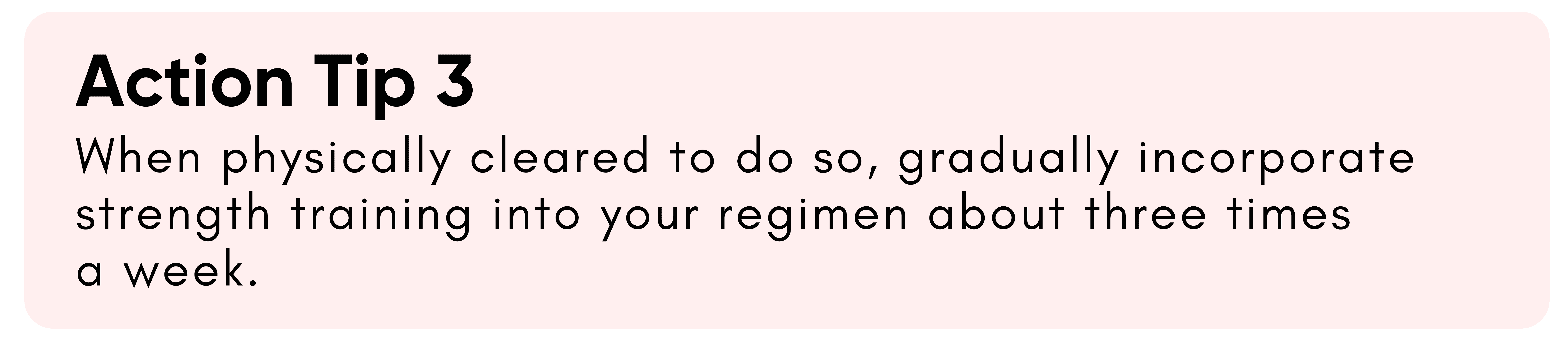
Once you both feel ready and are physically cleared to begin exercise, work with a post-natal certified fitness professional on an appropriate strength training program.
Tip 6: Set Realistic Expectations
Although this can vary widely from person to person, on average, it takes at least several months to one year to return to pre-pregnancy weight with intentional efforts.
Although it may sometimes be easier said than done, it’s essential not to rush the process and to acknowledge that it will take time.
In general, we do not recommend striving to lose more than about one to two pounds per week (39). Aiming for weight loss that regularly exceeds this rate could set you up for disappointment and lead you down the path of nutrient deficiency and a decrease in milk supply if you’re nursing.
Also, remember that weight loss is often not a linear process. You will likely find that some weeks you don’t lose weight, and the following week you do the same thing, and you do. That happens and is both normal and expected.
Remember that consistency and sustainability are key to success.
Tip 7: Be Kind to Yourself
Above all else, be kind to yourself. Remember, you just brought a new human into the world. There is a great deal of change and newness happening! This is true whether you’re two weeks, two months, or one year postpartum.
Negative self-talk will not help you achieve your goal faster. Postpartum weight loss is a gradual process that requires patience and consistency.
Being kind to yourself reduces pressure and supports mental well-being and a more positive body image.
Tip 8: Seek Support
Support is a game-changer for any goal we’re working towards in life. Those who have support are more likely to reach weight loss goals and maintain weight loss (39).
Support may come from friends, family, community, or certified and knowledgeable professionals in the field, such as a dietitian (hey!), personal trainer, or physical therapist.
For more personalized support from our team, explore the nutrition services we offer under the “Nutrition Services” tab!
Common Challenges and Considerations
During postpartum, you’re navigating recovery, the addition of a new family member, new routines, and more. Many variables impact the process of losing weight when this is a goal.
Lack of time and energy
Whether it’s your first or fourth child, welcoming a newborn changes the routine and dynamic of your daily life. There are often sleepless nights and days filled with diaper changes, bottle washing, and all that comes with caring for your little one.
Do your best to avoid an all-or-none way of thinking. You don’t have to do it all right from the start. Small changes add up. If you have time for only prioritizing a quality breakfast with protein, start there! It doesn’t have to be a complete overhaul of diet, exercise, sleep, stress, and all the lifestyle changes right out of the gate, or nothing at all.
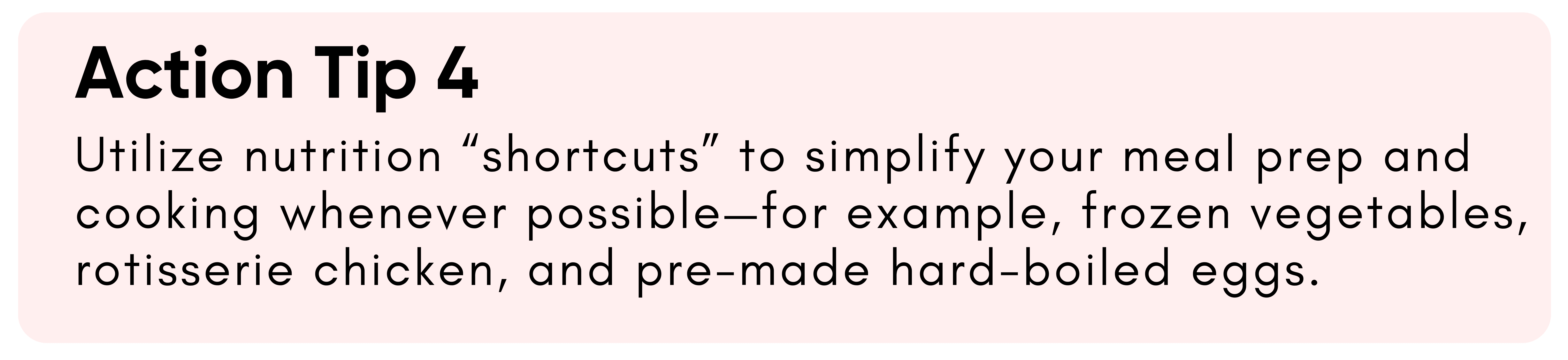
Additionally, use food “shortcuts” or conveniences that make your life easier, where possible. For example, options like frozen vegetables, rotisserie chicken, pre-made hard-boiled eggs, and bagged greens. If purchasing these saves you time, that’s great.
One final tip is that we know meal prep or batch cooking is helpful, but make it work for you. It doesn’t need to be each day and all day’s worth of meals prepped for the week on Sunday. It could be as simple as washing produce for the week so it’s easily accessible, or making an extra portion of a meal when you have time to cook for leftovers the next day, or freezing it for another day.
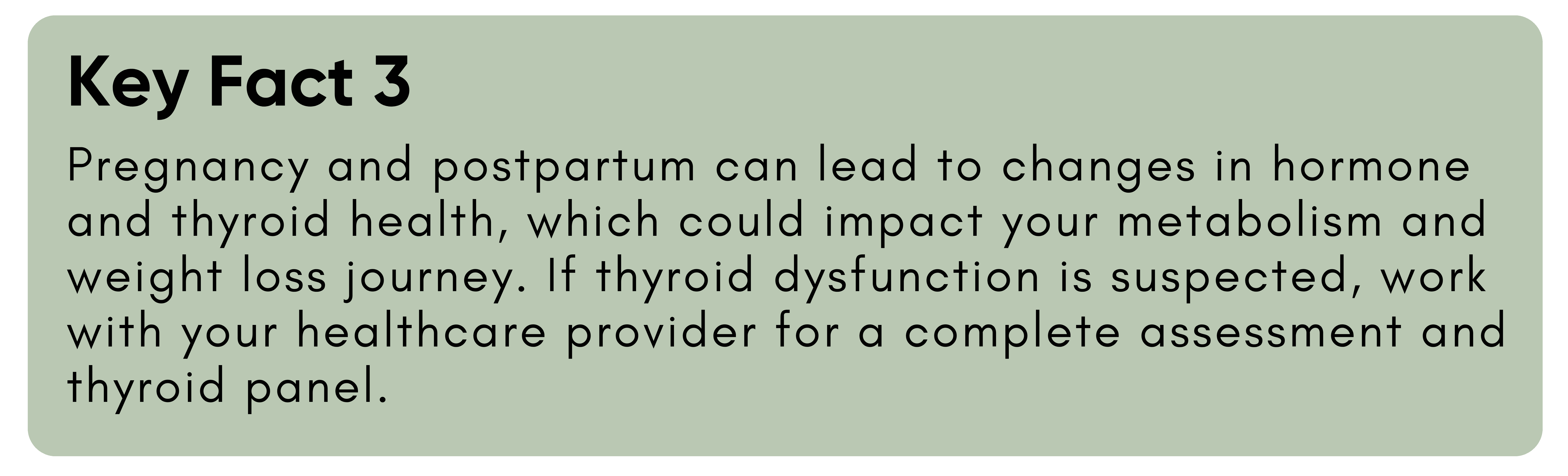
Thyroid conditions
The pregnancy and postpartum journey can lead to changes in hormone and thyroid health (40). Postpartum thyroiditis is a relatively common postpartum condition (41). It is characterized by transient thyroid dysfunction in the first six months to one year after delivery.
Thyroid health impacts metabolism and weight loss patterns (42). Symptoms of thyroid dysfunction could include weight loss or gain, fatigue, feeling cold, muscle weakness, and constipation.
Mental health
Your mental health is most important. Movement and nourishing foods high in nutrients like omega-3s, magnesium, and B vitamins can support mental health (43).
However, if it isn’t helping you at this moment, do not prioritize weight loss over your mental well-being. It is okay if you don’t have the emotional or mental space to think about a nutrition or exercise goal of any magnitude. These can always serve as goals to revisit later on.
Prioritizing your mental health and self-care can have a profoundly positive impact on your overall well-being in numerous ways.
If you feel you could benefit from additional support for anxiety, depression, or other symptoms during this time, reach out to a professional who can offer you additional coping skills and support. You deserve to feel your very best, both for yourself and your baby.
Common ‘Mistakes’
There’s no one best set of exercises, meal plan, or macronutrient recommendations for every person. However, there are a few things to avoid to help make supporting weight loss smoother.
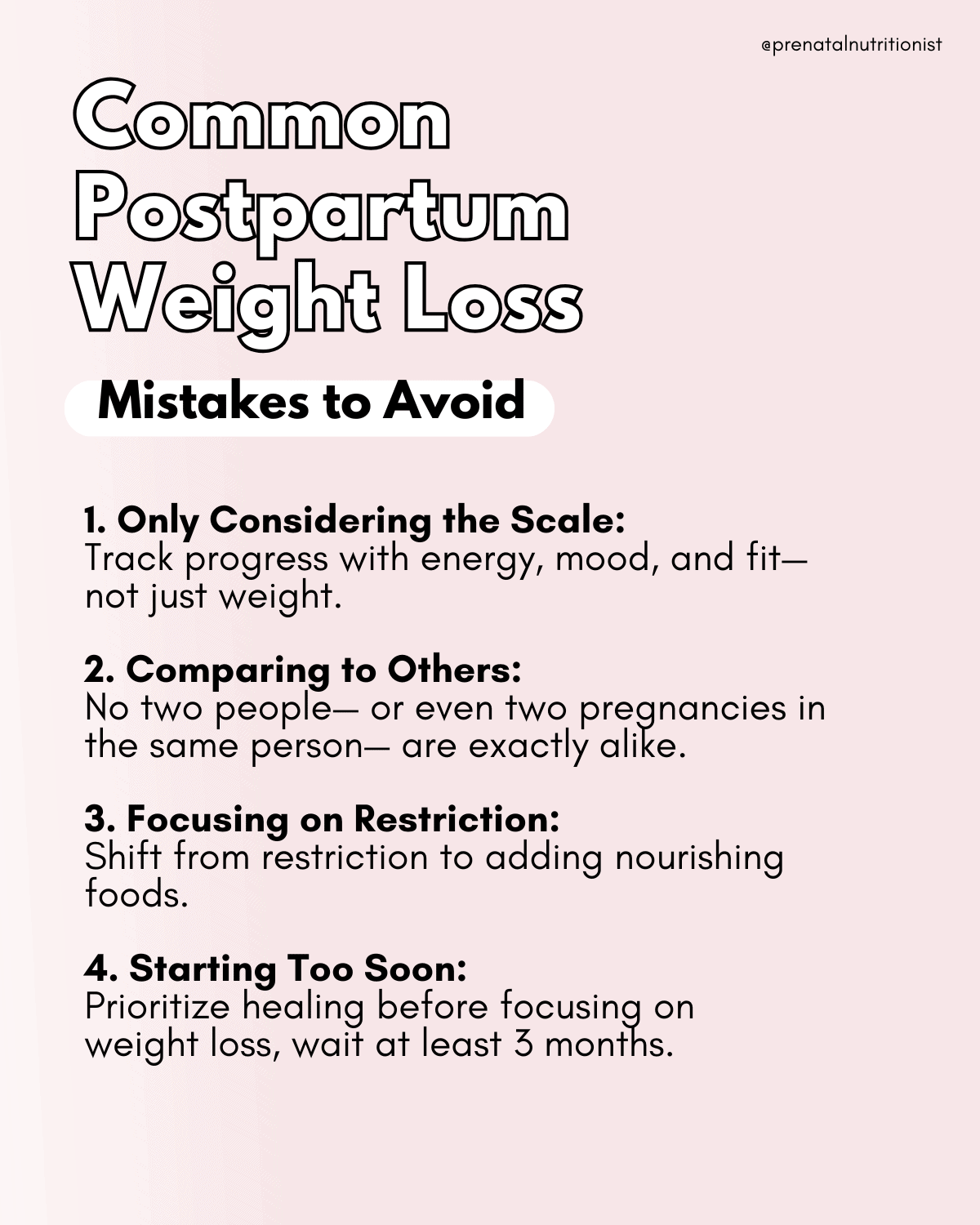
Mistake 1: Only considering the number on the scale
The number on the scale doesn’t provide a complete picture of your health or your body composition. This number doesn’t define you.
Weight is one measure, but there are so many other variables to consider. Even if weight loss is a goal of yours, that doesn’t mean you need to weigh yourself.
Use multiple markers to measure progress toward your personal goals, including how you feel, your energy levels, your mood, and how your clothes are fitting. Other technical measures, like body measurements or body fat percentage testing, are available if that interests you.
Just as counting calories is a very personal matter, so is this. We don’t recommend these types of measures if they bring up negative thoughts, worries, or obsessions for you.
Mistake 2: Comparing your postpartum journey to others
The urge to compare ourselves to others is so common. You are not alone if you resonate with this.
The thing is, every postpartum journey is so unique. Each person has a different experience with postpartum sleep, feelings, and recovery.
Do your best to resist the urge to compare yourself to others or even to your pre-pregnancy self. Your body and life have undoubtedly changed through pregnancy and the welcoming of your new little one. Take it one day at a time and prioritize your mental well-being.
Mistake 3: Focusing on restriction
Restricting calories and food groups is often the sole focus of traditional weight loss programs. However, this often leads to the “I’ll start again on Monday” cycle.
A sustainable way of eating for both health and weight loss allows room for flexibility and your favorite foods. If we continue to focus solely on what to take away, we are often left feeling deprived.
All food groups can fit into a nourishing diet that supports weight loss goals. Instead of a restriction mindset, try shifting towards an addition mindset. Ask yourself questions like, “What can I add to my plate to make this a more nourishing meal?” For example, adding vegetables, increasing protein, or starting daily walks versus eliminating sugar, bread, and cookies.
Mistake 4: Starting too soon
Throughout the postpartum period, particularly in the early stages, the primary priorities are bonding, healing, recovery, replenishment, and nourishment.
Childbirth, whether vaginal delivery or via cesarean section, involves significant physical demand from your body. If we haven’t emphasized enough, you need time to recover and heal. Jumping into weight loss efforts too soon could lead to physical injury, nutrient depletion or deficiencies, and declines in milk supply if nursing. Putting pressure on yourself to rapidly ‘bounce back’ can also negatively affect mental health and lead to added stress (44).
During the fourth trimester, also known as the postpartum period, providing your body with the space and nourishment it needs to heal and adjust is crucial. Believe it or not, it will put you in a better physical, hormonal, and emotional state when you’re ready to focus on weight loss efforts in future months, if you give your body the space to heal.
Everyone is on a different timeline for healing, but waiting at least three months postpartum before embarking on intentional and gradual weight loss would be encouraged.
Resources for Postpartum Exercise
Exercise positively impacts our overall health. It is also a beneficial component of any program aimed at weight loss or altering body composition.
Research supports that the combination of exercise and nutritional modifications effectively facilitates weight loss postpartum and helps return to pre-pregnancy weight (50, 51). Exercise burns calories, builds muscle, boosts mood, and improves insulin sensitivity.
After giving birth, it is essential to wait until your healthcare provider gives you the “green light” before starting an exercise routine or program. Be sure to also listen to your own body. If you’re exhausted, doing 60-minute super high-intensity workouts will likely do more harm than good.
Wait to start exercising until you have both been cleared by your doctor and you feel physically ready to do so. When you’re ready to start, begin slowly and ease in. Pelvic floor exercises and deep abdominal work are often recommended.
Exercise combined with healthy nutrition habits can positively support weight loss during the postpartum period. The American College of Sports Medicine recommends accumulating about 150 minutes per week of cardio exercise and at least two days per week of exercises targeting muscle strength for general health and wellness (54).
Diastasis Recti
Diastasis recti is the technical terminology for abdominal separation during and after pregnancy. The rectus abdominis muscles in the front of the abdomen stretch as the uterus grows and spreads apart during pregnancy.
The estimates of prevalence vary from about 30-45% of women experiencing some degree of diastasis recti at six months postpartum (46, 47).
It may cause or contribute to symptoms including a bulge that appears just above or below the belly button, softness around the belly button, pain during intercourse, constipation, abdominal weakness, pelvic floor weakness, urinary leaking with sneezing, coughing, or laughing (48).
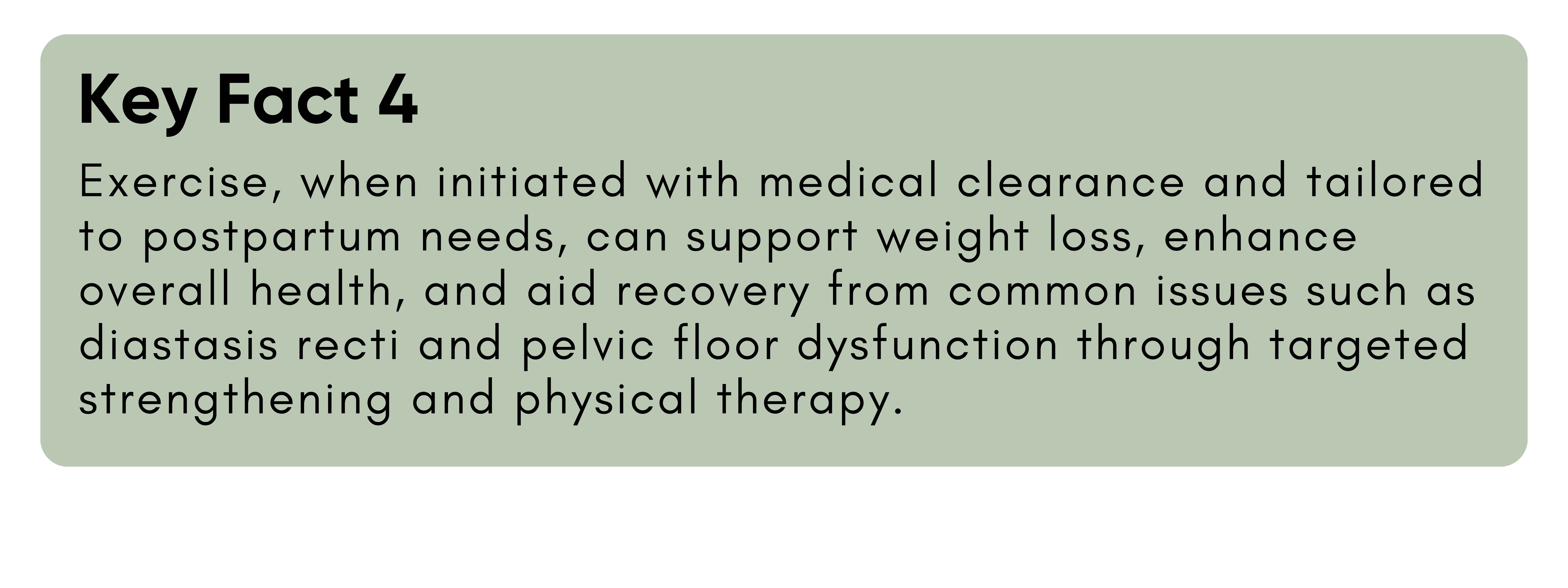
Repairing diastasis recti may require targeted exercises to strengthen the deep abdominal or core and pelvic floor muscles. Work with a certified and knowledgeable exercise professional for specific guidance and exercises.
Pelvic floor exercises and physical therapy
Urinary leakage and pain are not uncommon complaints from women who have given birth. Pelvic floor exercises and physical therapy can help with recovery and lay the foundation for progressing your exercise regimen safely and pain-free.
Pelvic floor physical therapy and exercise help strengthen the pelvic floor muscles and improve their function. And it goes far beyond guidance to just “do your kegel exercises.”
 Resources
- Mamaste Fit
- Expecting and Empowered
- Get Mom Strong (Use code: RYANNPRENATAL for a 31-day free trial)
- Deliciously Fit and Healthy (Diastasis Recti Program)
- The Female Athlete (Pelvic Floor Physical Therapy Programs)
- BIRTHFIT Postpartum Programs
The Bottom Line
- There has traditionally been a large societal pressure to return to pre-pregnancy weight very quickly after birth. This does not support mom’s healing or mental well-being. Celebrate all that your body has done over the last year, and allow for plenty of time to heal, recover, and bond with your little one.
- Weight loss patterns during the postpartum period are individualized and depend on various factors, including pre-pregnancy weight, gestational weight gain, hormonal health, metabolism, sleep patterns, and genetics. No one loses or gains weight in exactly the same way.
- Everyone will be on their own timeline, and it is essential to prioritize your healing first and foremost. We generally recommend waiting at least three months postpartum before focusing on intentional weight loss efforts. Additionally, if you are nursing, wait until breastfeeding is well-established to avoid dips in milk supply.
- If weight loss is a goal of yours, aim for a gradual weight loss of about one pound or less per week. Support weight loss by incorporating nourishing and healthful habits, including daily movement, regular strength training, adequate protein intake, and plenty of fluids and hydration support.
- If you are having difficulty losing weight postpartum, despite consistently implementing positive nutrition and lifestyle habits, consider working with your healthcare team. Changes in hormone health, especially thyroid health and function, can impact metabolism and the ability to lose weight.
- Above all else, give yourself grace and prioritize your mental well-being.
Written by: Jorden Edinger, MS, RDN, LDN
Reviewed/edited by: Ryann Kipping, MPH, RDN, LDN
Pregnancy vs Postpartum Diet
Pregnant and Breastfeeding

Probiotics

Protein
Quick Snacks
Quinoa

Seaweed

Selenium
Soy
Stress Management
The Traditional Postpartum Diet

Thyroid Lab Tests

Top Fermented Foods

What are fermented foods?
Did you know there are over 5000 fermented foods and beverages (1)?
Food can be fermented by adding in bacteria or yeasts (cultured ferments) or by creating an environment that enables bacteria to grow and ferment naturally on the food (wild ferments).
Almost every culture in the world has its own traditional fermented foods.
Some probiotic-rich fermented foods from around the world include:
- Kimchi from Korea
- Natto from Japan
- Miso from Japan and Korea
- Kombucha from Russia and Ukraine
- Curtido from El Salvador
- Kefir from Eastern Europe
- Sauerkraut from Germany
- Creme fraiche from France
- Kvass from Russia
- Torshi from the Middle East
- Doogh from Iran, Syria, and Lebanon
It’s important to note that not all fermented foods have probiotics! We’ll discuss this further in the section after next.
What is fermentation?
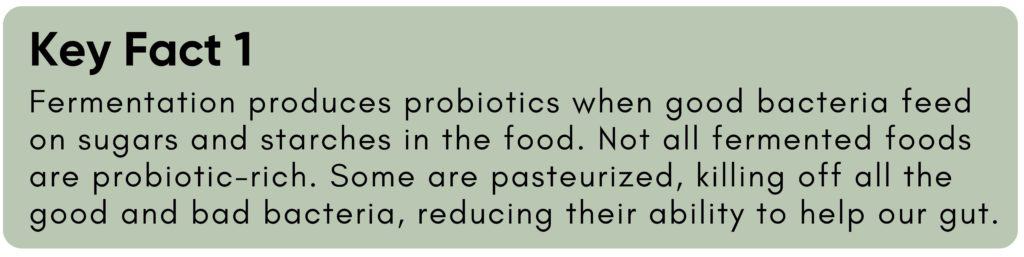
Fermentation occurs when microorganisms and enzymes convert carbohydrates into alcohol or organic acids (2). This process produces probiotics, as good bacteria feed on sugar and starches in the food, creating lactic acid.
The acids prevent harmful microbes that cause food spoilage, so historically, fermentation was used to help improve food’s shelf life.
There are three primary forms of fermentation:
- Lactic acid fermentation: Starches or sugars are broken down to produce lactic acid, which protects the food from microbial spoilage and our bodies from microbial disease. Lactic acid fermentation is used for yogurt, pickles, and sauerkraut.
- Ethanol (aka alcohol) fermentation: Yeasts break down sugars into alcohol and carbon dioxide molecules to create wine, beer, and bread.
- Acetic acid fermentation: Converts sugars from grains or fruit into vinegar and condiments.
What fermented foods count as probiotic foods?
A probiotic food must contain live microorganisms. However, certain cooking, processing, or pasteurization can drastically reduce or kill off the most beneficial microbes in certain foods. Foods like tempeh contain para-probiotics or postbiotics since they are cooked rather than raw (9, 10). These are non-active probiotics that still provide health benefits.
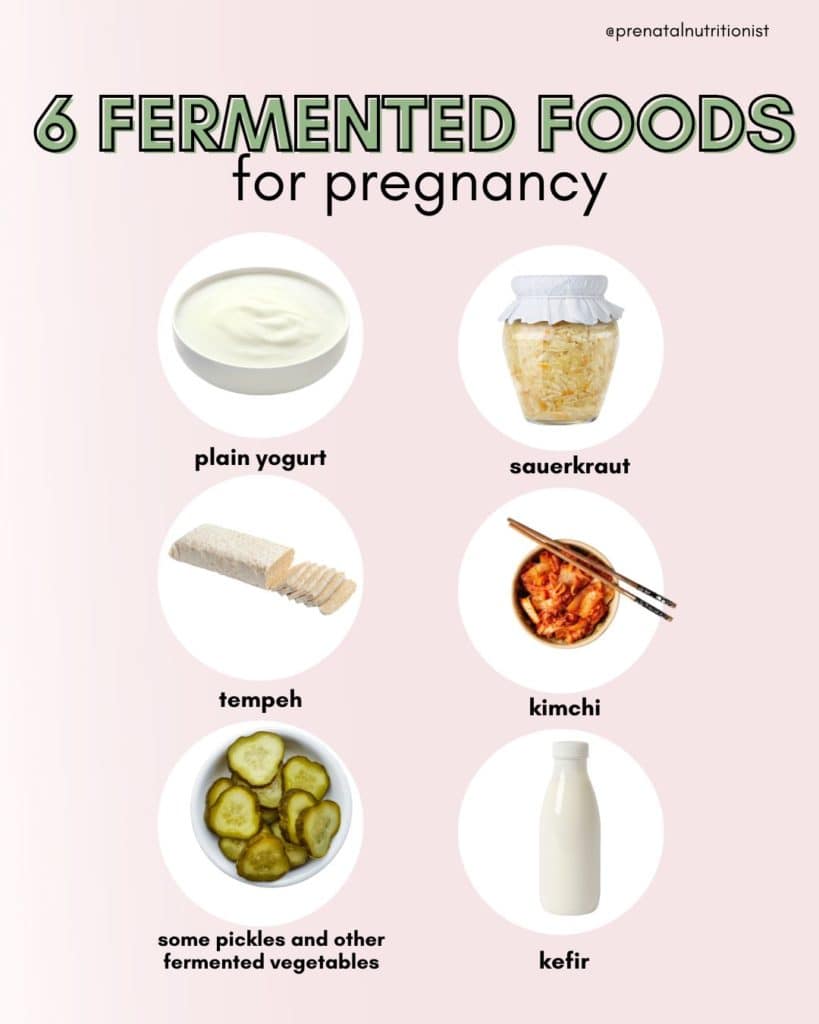
Fermented foods that qualify as probiotic-rich foods include:
- Kimchi
- Sauerkraut
- Miso
- Yogurt
- Some cottage cheeses (such as Good Culture or Nancy’s– check ingredients for probiotic strains listed)
- Kombucha
- Kefir
- Some pickles (These will be refrigerated and are often labeled as “lacto fermented” or “naturally fermented.”)
- Raw dairy, including milk and cheeses (only consume if you are completely comfortable with the source)
- Fermented veggies
Fermented foods that do not qualify as probiotic foods include:
- Sourdough bread contains some probiotics in the starter but not in the finished baked product, as most are likely unable to survive the high heat.
- Chocolate: cocoa beans are lacto-fermented, but roasting kills them
- Coffee: good bacteria are killed during processing
- Soy sauce: traditional soy sauce contained fermented soybeans, but most now do not
- Fermented meats (chorizo, salami, pepperoni): sodium nitrate and other additives kill the bacteria
- Alcohol: most are killed by ethanol (unless unfiltered or unpasteurized beer with brewer; however, it’s not recommended you consume this as a source of probiotics)
Are fermented foods safe for pregnancy?
Yes!
Not only are fermented foods safe for pregnancy, but they should be consumed regularly (daily, even) for optimal health.
Are raw fermented foods safe for pregnancy?
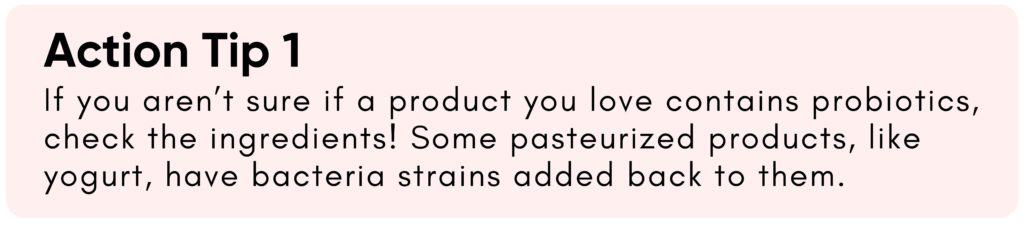
In general, yes. As long as the source is reliable and takes appropriate food safety precautions, you can consume raw probiotic foods, such as sauerkraut or other veggie-based fermented foods. Remember, pasteurization, the heat treatment process, kills both the good and bad bacteria in foods, which is why raw products provide the most benefits.
Most commercially packaged raw probiotic foods (such as Wildbrine and Cleveland Kraut) are safe to enjoy during pregnancy.
Why are fermented foods so important for fertility, pregnancy, and postpartum?
Probiotic-rich fermented foods are a must for optimizing health during conceiving, pregnancy, and postpartum.
Some of the well-known and established benefits of fermented foods include (3):
Support gut health
In general, consuming fermented foods increases the diversity of gut microbes and reduces inflammation (3).
Eating foods such as yogurt, kefir, cheese, kombucha, sauerkraut, and kimchi has been found to increase overall microbial diversity, with even more pronounced effects from larger servings (4).
Besides improving gut health overall, probiotic-rich foods can significantly help reduce constipation. So, if you are trying to increase your regularity during pregnancy, ensure you get at least one serving of probiotic foods daily!
Boost your immune system.
Since 70% of your immune system is housed in your gut, it makes sense that any gut-supportive foods will also significantly boost your immunity (5)!
Probiotic foods have been found to activate the immune system, improve the overall immune system function, and prevent or better manage immune and inflammatory-related conditions (such as IBD) (6).
Support blood sugar regulation.
Whether you are trying to improve blood sugar regulation to improve fertility, support a healthier pregnancy, or manage gestational diabetes, probiotics are crucial!
Probiotic consumption has been found to significantly reduce fasting glucose and fasting plasma insulin (7).
Support healthy blood pressure.
One meta-analysis found a moderate and statistically significant reduction in SBP or DBP with a probiotic supplement compared with controls (8).
The positive effects of probiotics on blood pressure lasted for 8-10 weeks after consumption, so make sure you are consuming them weekly (at least) to maintain the benefits!
Which fermented foods should I prioritize during pregnancy?
You can’t go wrong with any fermented foods you love and wish to include in your diet while trying to conceive, during pregnancy, or to support postpartum recovery, but here are some of the top foods that contain the largest concentration of gut-friendly probiotics:
- Natto
- Kimchi
- Sauerkraut
- Miso
- Kombucha
- Greek yogurt
- Kefir
- Cottage cheese (just make sure yours has probiotic strains listed in the ingredients!)
How can I include fermented foods in my diet during pregnancy?
Include whichever fermented foods you enjoy the most. If you are new to fermented foods, try a new one each week and new recipes using them to figure out what you like.
Here are some ways you can include the recommended foods above into your meals and snacks each day:
- Add sauerkraut or kimchi to your eggs, any veggie mixture, toast, with tuna or chicken salad, on top of a baked potato, with smoked salmon, or as part of a charcuterie plate
- Make a Greek yogurt or cottage cheese parfait as part of your breakfast or for a snack
- Enjoy sauerkraut or kimchi wrapped up in slices of deli meat
- Make a traditional egg natto breakfast bowl
- Top a sausage with sauerkraut
- Add a cup of kefir or yogurt to a smoothie
- Make miso chicken soup
The Bottom Line
- There are over 5,000 types of fermented foods and beverages. Food can be fermented by adding bacteria or yeasts (cultured ferments) or by creating an environment that enables bacteria to grow and ferment naturally on the food (wild ferments).
- Fermentation happens when microorganisms and enzymes convert carbohydrates into alcohols or organic acids. This process produces probiotics, as good bacteria feed on sugar and starches in the food, creating lactic acid.
- Not only are fermented foods safe for pregnancy, but ideally, you would include them several times per week, if not daily. Raw fermented foods, like sauerkraut, kimchi, or other fermented veggies, are also safe and recommended for pregnancy. Remember, pasteurization kills both the good and bad bacteria in foods. Some foods will have bacteria strains added back to them for this reason.
- Fermented foods have many benefits, including supporting gut health, boosting immunity, regulating blood sugar, and maintaining healthy blood pressure.
- Some top fermented foods to consume regularly during preconception, pregnancy, and postpartum include natto, kimchi, sauerkraut, miso, kombucha, Greek yogurt, kefir, and cottage cheese.
Written by: Claire Gilmore, MSCN, CNS, LDN and Ryann Kipping, MPH, RDN, LDN
Vitamin A
Vitamin B12,Cobalamin
Vitamin D



What is vitamin D?
Vitamin D, or the “sunshine vitamin,” is an interesting fat-soluble vitamin because it’s the only vitamin our bodies can make from the sun.
In fact, the sun is our main source of vitamin D, providing anywhere from 50-90 percent of our vitamin D needs (1).
Like vitamins A and K, vitamin D has two forms, D2 (ergocalciferol) and D3 (cholecalciferol), both of which are found in small amounts in food: D2 in plant foods and D3 in animal foods. Processed foods, such as cereals, are often fortified with vitamin D (though, like any other fortified food, this is not the ideal way to obtain it).
Vitamin D is one of the most studied vitamins when it comes to pregnancy, as it is related to so many important functions to keep you and your baby healthy.
Vitamin D deficiency is common during pregnancy; over 80% in the second trimester, according to a 2026 meta-analysis (2). However, vitamin D deficiency is a problem worldwide. Most people in the US consume less than the recommended amounts of vitamin D (1).
This is due to multiple dietary, lifestyle, and physiological factors, which we will examine in more detail below.
Vitamin D & Fertility
Vitamin D status may influence fertility outcomes.
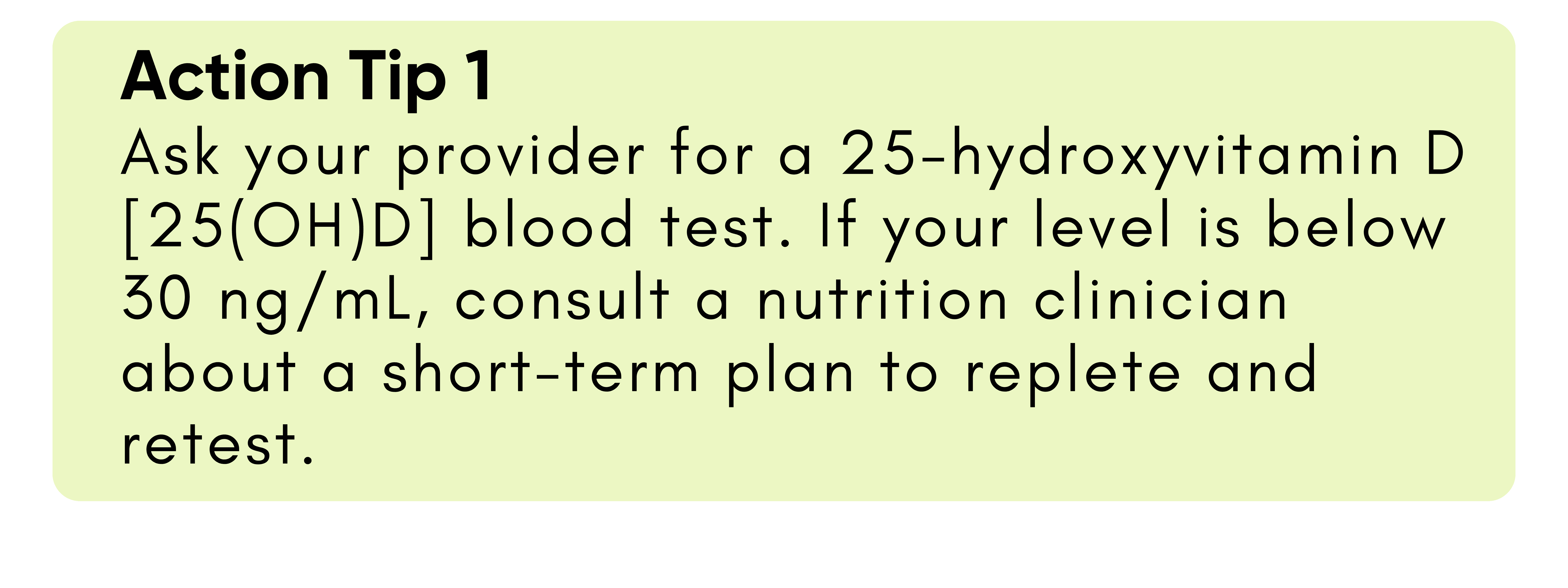
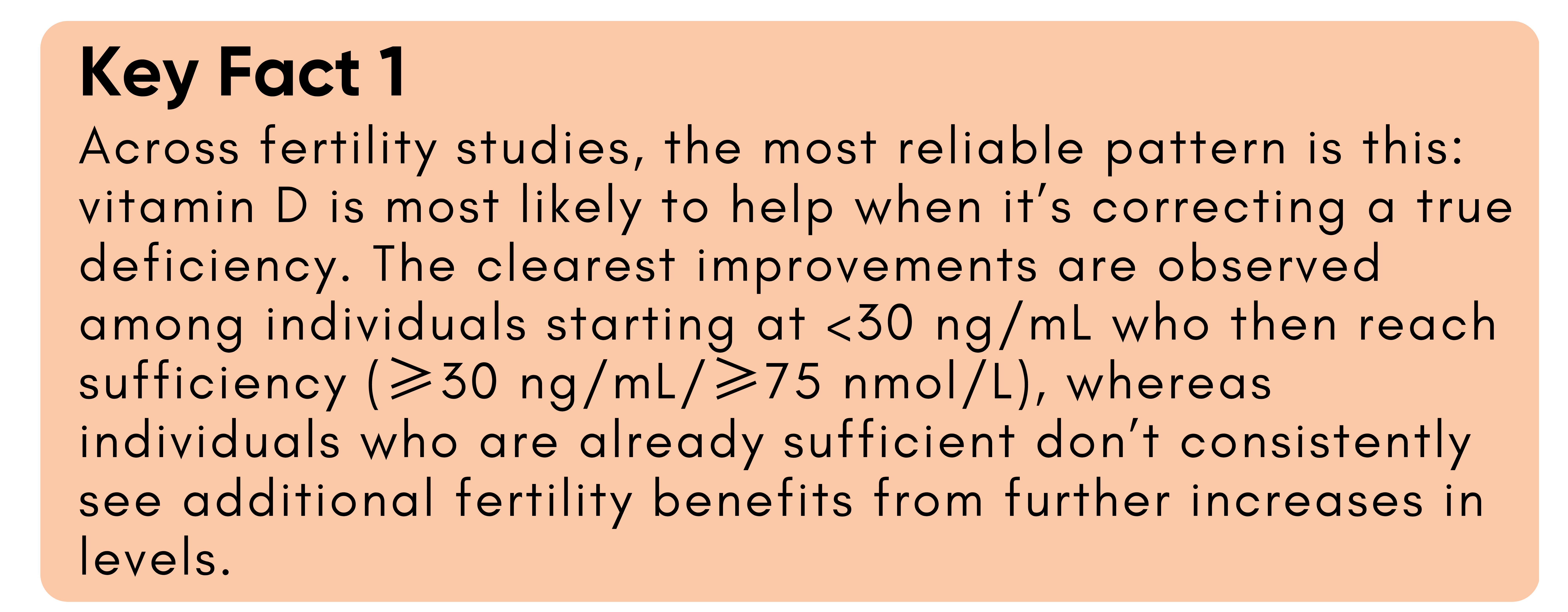
Overall, studies suggest that having sufficient vitamin D before conception (often defined as 25(OH)D ≥30 ng/mL / ≥75 nmol/L) is associated with slightly higher pregnancy and live birth rates, especially among people who start out deficient. However, results aren’t perfectly consistent across all populations.
What the evidence suggests
- Natural conception: In prospective data, women with sufficient preconception vitamin D had a higher likelihood of clinical pregnancy and live birth (approximately 10–15% higher live birth likelihood in some cohorts) and, in some studies, a lower risk of pregnancy loss (1, 2, 3).
- Infertility treatment/ART: Vitamin D status may be relevant for both partners. A couple-based analysis found a higher likelihood of live birth when the female partner was sufficient, and outcomes were strongest when both partners were non-deficient; however, IVF-specific meta-analyses have reported mixed or non-significant associations after sensitivity analyses (4, 5, 6).
- Supplementation: In infertile patients, vitamin D supplementation has been associated with improved clinical pregnancy rates, with the greatest benefit observed in individuals who are vitamin D–deficient at baseline (7).
Vitamin D & Pregnancy
Vitamin D supports key processes during pregnancy for both the parent and the baby. Low vitamin D status has been associated with a higher risk of complications, though not all studies find the same strength of effect.
Pregnancy outcomes
Vitamin D deficiency has been linked to gestational diabetes, preeclampsia, first-trimester miscarriage, and gallbladder issues.
Vitamin D plays a role in glucose metabolism, but research on whether low vitamin D causes gestational diabetes is mixed (3). Still, vitamin D levels are often lower in people with GD, so it’s worth checking. Evidence on preeclampsia is also mixed, but many studies suggest that levels above 30 ng/mL are associated with a lower risk, and some data suggest that supplementation later in pregnancy may be more effective than early supplementation (4, 5, 6).
If levels are low, supplementation can be useful, but it works best alongside the root habits that support vitamin D status—sun exposure, vitamin D-rich foods, and addressing absorption/metabolism issues.
Impact on baby
The baby relies entirely on the mother for vitamin D in pregnancy.
Maternal deficiency has been associated with a higher risk of certain childhood outcomes (including asthma, neurodevelopmental concerns, and autoimmune conditions) and may affect fetal bone development (research is still emerging) (4, 7). Low vitamin D status during pregnancy has also been linked to low birth weight and an increased risk of rickets (4).
Vitamin D & Postpartum
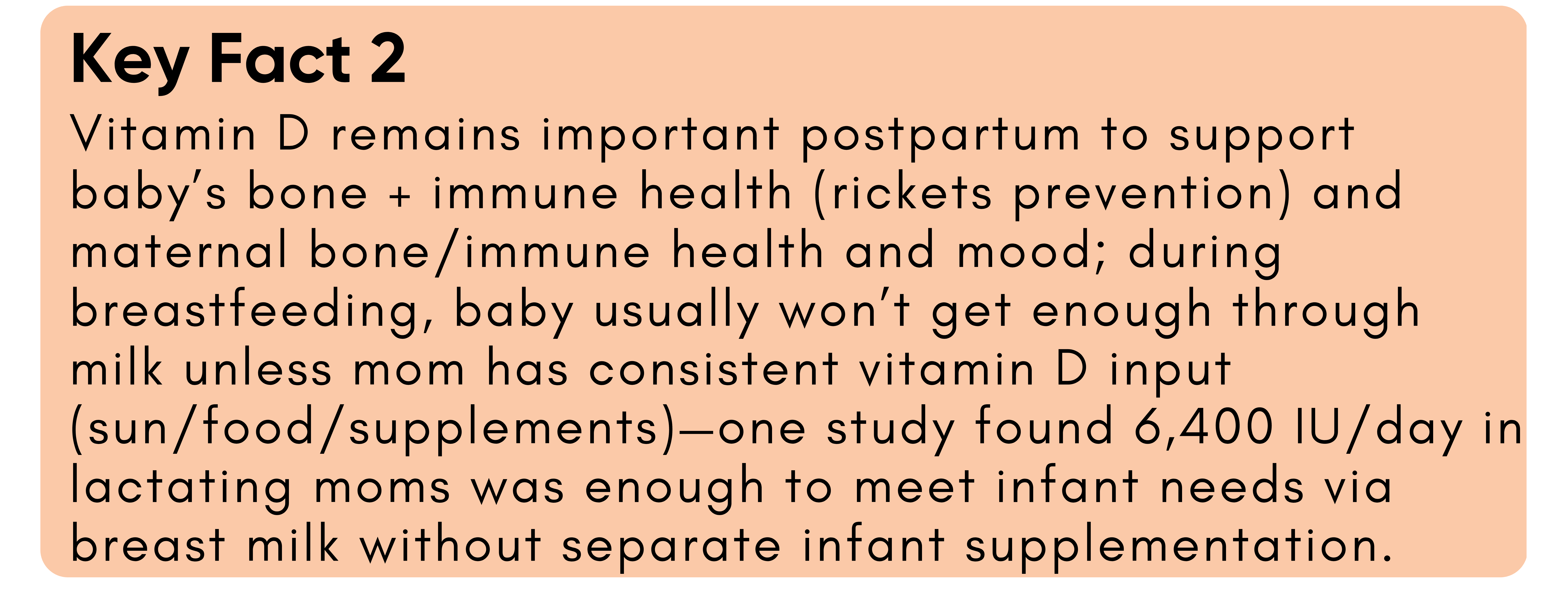
Vitamin D is essential during the postpartum period and while breastfeeding for maternal health and baby development.
It’s needed for a baby’s bone health, immune function, and the prevention of rickets (62). Rickets is a softening and weakening of the bones in children caused by prolonged vitamin D deficiency, which remains a risk after the baby is born (62).
Vitamin D also supports immune and bone health in postpartum and nursing mothers. Additionally, it’s essential for mood and mental well-being. Deficiency of vitamin D may be a risk factor for postpartum depression (63).
Vitamin D & Breastfeeding
It’s widely recommended that mothers who exclusively breastfeed provide their infants with vitamin D, but have we ever stopped to consider why breast milk might be lower in vitamin D in the first place?
If you are not getting enough vitamin D from sunlight and food, you cannot transfer enough vitamin D through breast milk to your baby, even if your levels are normal (8).
This is because adequate vitamin D levels in the blood do not transfer through breast milk (8). However, vitamin D from sunlight, food, and supplements will transfer over to your baby (8)!
One study found that breastfeeding women who took 6400 IU of vitamin D per day had optimal vitamin D levels in their blood and transferred sufficient vitamin D through their breast milk to meet their baby’s needs without requiring additional supplementation (8).
So, if you’re planning to breastfeed, it’s a good idea to start planning how you will supply your little one with enough vitamin D, ideally through a combination of food, sunlight, and a vitamin D supplement to ensure their needs are met.
Vitamin D needs at every stage
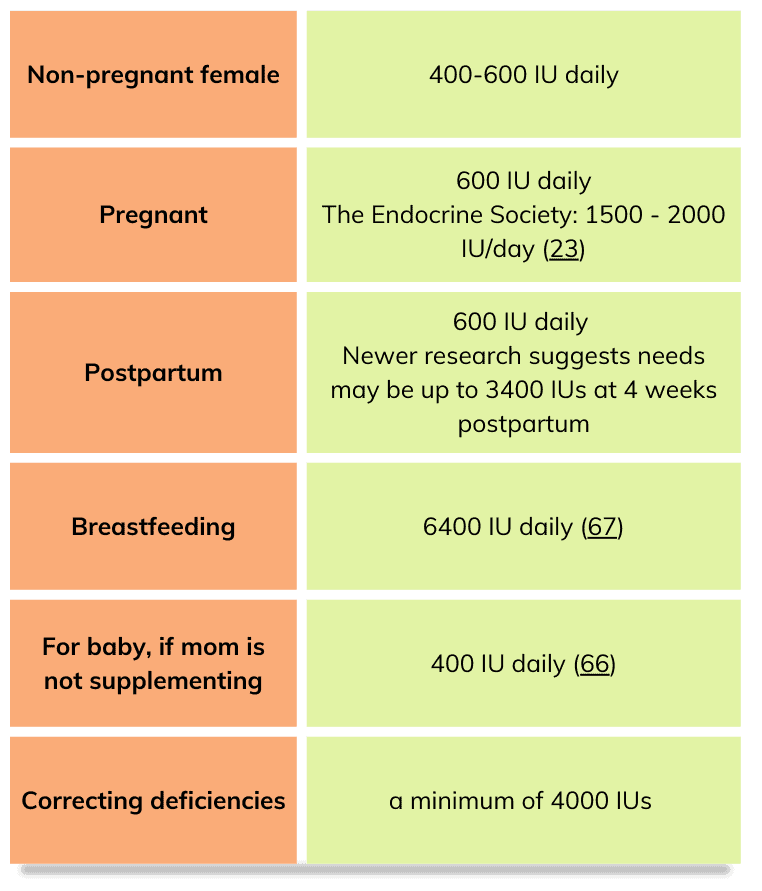
Research is inconclusive about the exact amount of vitamin D needed at any stage, but most people will need to supplement with vitamin D. Review the prenatal vitamin note to find a prenatal vitamin with more vitamin D than 400-600 IUs.
Vitamin D deficiency
Vitamin D deficiency is a global problem, with many people not getting sufficient sunlight exposure, especially those who work all day indoors and never get daytime sunlight.
Many countries have different cut-off points for ‘adequate’ vitamin D levels, making it difficult to quantify precisely how many people experience vitamin D deficiency (4).
Risk factors for vitamin D deficiency:
- Living North of the line drawn from Long Beach, CA, to Atlanta, GA
- Living in an area with more air pollution
- Dark skin
- Obesity (4)
- Wearing sunscreen (at all times) when outdoors
- Wearing long sleeves and pants outdoors
- Vegetarian/vegan
- Little time spent outdoors, especially at midday
- Lactose intolerance (9)
- Smoking (4)
Limited sun exposure, sunscreen, and vitamin D deficiency
A major risk factor for vitamin D deficiency is limiting sun exposure or always wearing sunscreen when outdoors.
Fear of skin damage has led to the overuse of high-factor sunscreen. It is important to be careful about skin damage, and everyone’s limits will be different, but your skin needs access to midday sun a few times a week to synthesize vitamin D.
And it turns out the sun isn’t all to blame for sun damage and skin cancer— your diet is a contributor, too!
The link between vegetable oils and skin cancer
Did you know that another sneaky culprit can greatly increase your risk of skin damage and skin cancer (along with countless other diseases and issues)?
Research shows associations between linoleic acids (found in vegetable oils such as canola, corn, and soy) and an increased risk of skin cancer (10). While correlation doesn’t prove causation, studies also show us that reducing seed oils can “dramatically reduce the risk of ultraviolet (UV) induced sunburn,” with “susceptibility to UV radiation damage of the skin is directly influenced by the amount of LA (linoleic acid) in the diet” (10)!
This makes sense when we consider how seed oils can become rancid; similarly, they can cause DNA damage throughout the body, including the skin, especially when exposed to heat, such as sunlight, leading to cancer (11).
Keep in mind: while linoleic acids are the most prone to oxidation of all oils, the more unsaturated a fat is, the more prone it is to oxidation, while naturally saturated fats (i.e., animal fats and coconut oil) do not have the same damaging and dangerous effect in the body (12).
Learn more about which oils to choose and which to limit during pregnancy here!
How to safely get vitamin D from the sun
Maximize more D intake in less time
The best time to get vitamin D from the sun is at its highest point in the sky, which is midday (especially during the summer months), when the UVB rays responsible for vitamin D production are most intense (13, 14).
Spend 15-30 minutes in the sun.
Fifteen minutes in the hot summertime sun and at least 30 minutes in the wintertime when the rays are less intense (15, 16). If you have darker skin (either you’re someone who gets a tan easily or you were born with darker skin), you will need more time in the sun to get enough since having more melanin blocks the sun’s UVB rays, which is one reason why those with darker skin are at a higher risk of vitamin D deficiency than those with fair skin (17).
The good news is that by maximizing your time in the sun when UVB rays are at their peak, you can get your vitamin D without increasing your risk of skin damage or melanoma (14). You can even use the D-minder app to help you make sure you’re getting enough vitamin D based on your skin and location.
If you are planning to spend more time in the sun (>30 minutes), stay in the shade, cover up with UV-protective clothing and a hat, or wear a mineral-based, paraben-free sunscreen!
Increase your antioxidant intake.
In addition to reducing your risk of sun damage by limiting your linoleic acid intake as much as possible, you can increase your intake of astaxanthin, which research has found to have anti-aging and anti-cancer effects by reducing the effects of harmful UV rays (18, 19). Foods high in astaxanthin include salmon, algae, shrimp, lobster, crabs, and other seafood.
Vitamins A, C, and E also act as sun and skin-protective antioxidants as well, so load up on your citrus and whole food fats, like butter, nuts, avocados, and full-fat dairy (20).
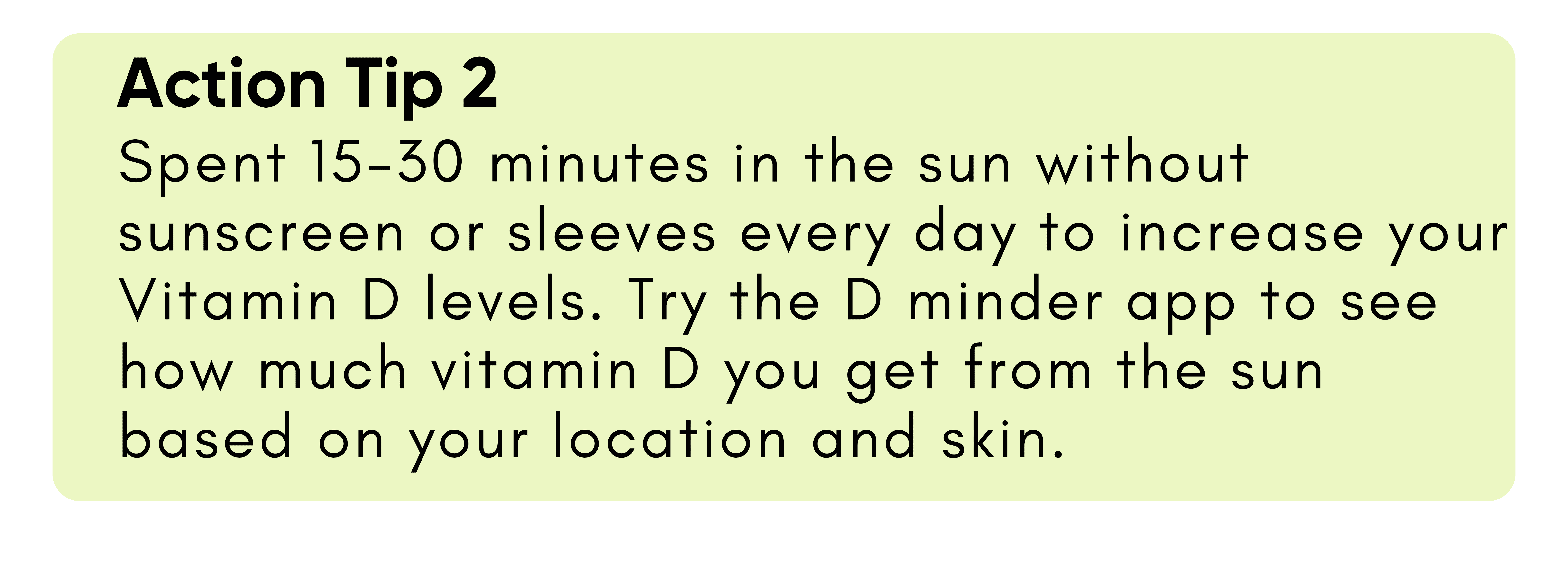 Vitamin D-rich foods
As noted, the primary source of vitamin D is sunlight, and it is not found in many foods. The best dietary sources are oily fish like trout and salmon.
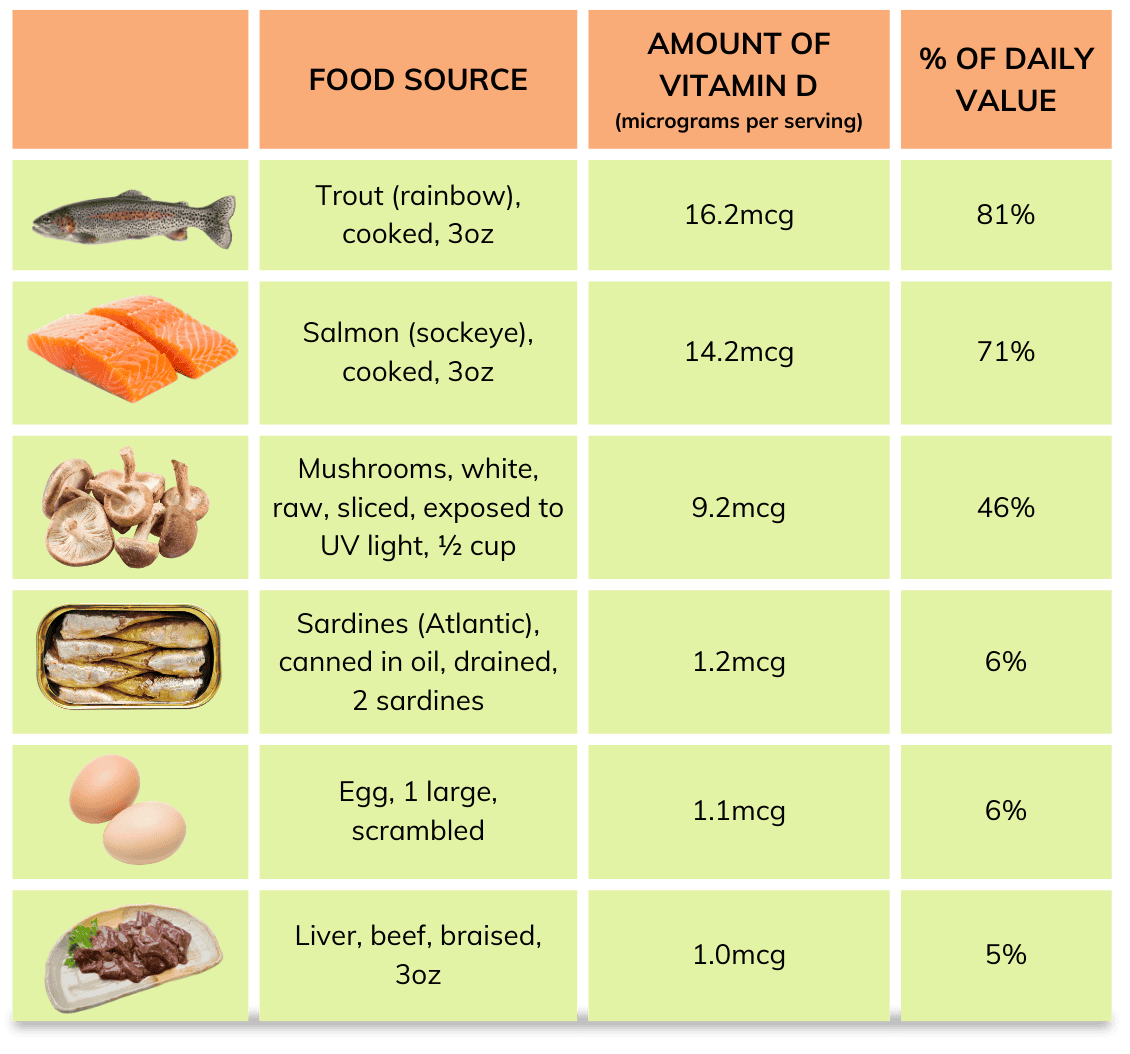
(Table adapted from National Institutes of Health 2021)
Vitamin D testing
By testing your vitamin D levels (25-hydroxy vitamin D, or 25-OH vitamin D), you can fine-tune how much you need to supplement, working with your doctor and registered dietitian. I highly recommend this.
While you will see a level of 30 ng/ml (75 nmol/l) is sufficient, research indicates pregnant people should be closer to 50 ng/ml (125 nmol/l) (24).
You can also order an at-home vitamin D test kit.
Do I need to supplement with vitamin D?
You’ve probably already gathered from above – yes, but there is a bit more to it than that.
Find a prenatal vitamin that contains vitamin D3 (cholecalciferol). Although many of you reading this will need more than even what the Endocrine Society recommends (1500 – 2000 IU/day), taking a prenatal vitamin with at least 1000 IU is strongly recommended.
A double-blind, randomized clinical trial found that 4,000 IU/day of vitamin D supplementation was safe and the most effective in achieving sufficient vitamin D levels in all women, regardless of race or geography (25).
If you can, get your levels tested before and during each trimester of your pregnancy, including the fourth trimester.
The good news is that vitamin D supplements are relatively cheap! If your prenatal vitamin doesn’t contain vitamin K2 or phylloquinone, then it is recommended that you find a D3 supplement with K2. See some recommendations next.
Vitamin D supplement recommendations
- Thorne’s Vitamin D/K2 drops (2 drops = 1000 IUs)
- Seeking Health Vitamin D3 + K2 capsules (5000 IUs) (code: RyannK)
- Seeking Health Vitamin D3 capsules (5000 IUs) (code: RyannK)
- Thorne’s Vitamin D3 capsules (5000 IUs)
- Pure Encapsulations capsule (1000 IUs)
- Needed has a vitamin D3 + K2 capsule (2000 IUs)
- Nordic Naturals lemon cod liver oil (1 teaspoon = 1000 IUs, also contains omega-3s!)

Help! My vitamin D is still low despite supplementation. What could be the problem?
It can be frustrating if you’ve had chronically low vitamin D levels despite supplementing. But often, the key to low vitamin D isn’t just adding more vitamin D; it’s addressing the contributing factors that led to the low vitamin D in the first place.
Other potential causes of low vitamin D
Low magnesium
Magnesium is needed to move vitamin D around in the blood and to activate vitamin D or convert it from its storage form to active form, and this can only happen when you have enough magnesium (26, 27). Magnesium deficiency can also reduce active vitamin D (1,25-dihydroxyvitamin D) levels and impair parathyroid hormone response (26).
If you’re trying to address a vitamin D deficiency without also making sure your magnesium levels are adequate. With over half of the population in the US not getting enough magnesium each day and with magnesium needs being higher during pregnancy, it’s a good idea to pay more attention to your magnesium intake during pregnancy and get your levels checked in an RBC magnesium test and/or HTMA to determine if you already have a magnesium deficiency contributing to vitamin D deficiency (28, 29, 30).
Having higher body fat
Since vitamin D is fat-soluble, people with higher body fat will store it in fat cells, leading to less circulating in the blood. People with obesity need higher vitamin D intake to maintain adequate levels and/or correct a deficiency (31).
So, being obese reduces your body’s ability to convert vitamin D and circulate it, and reduces the effectiveness (32, 33). If obesity is a risk factor for you, this means you have a higher chance than average of being vitamin D deficient and responding poorly to supplementation, which means you will need a targeted protocol for assessing and ensuring your levels are adequate during pregnancy.
Chronic infections and inflammation
Bacterial infections may cause dysregulated vitamin D metabolism (34). Chronic infections might include chronic Lyme disease, mycotoxin-related illness, and Epstein-Barr virus, which has been found to inactivate vitamin D receptors (35, 36). It’s best to work with a functional practitioner to address root issues and treatments if you know or suspect you have one of these or another.
Your genetics
Some studies show that genetic variants, including those in VDR, CYP2R1, CYP27B1, and GC, may affect the benefit of vitamin D supplementation for each individual (37, 38, 39).
Not eating enough animal foods and animal fats
Micronutrients needed for vitamin D synthesis and use in the body include cholesterol, magnesium, vitamin A, and vitamin K (40, 41). These are all found in animal foods, so if you have a low intake of foods high in these nutrients, your vitamin D metabolism will be impaired. Review our vegetarian note here for more information.
Poor gut health
An imbalanced gut microbiome is associated with lower vitamin D levels, but increasing beneficial bacteria has been shown to raise vitamin D levels (42). Gut health is a key foundation for overall health, fertility, and pregnancy, and if your gut microbiome is out of balance, your vitamin D levels will likely remain out of balance as well.
For more on how to support gut health during pregnancy, read on here.
Conditions that affect nutrient absorption, such as celiac disease, Crohn’s disease, and Cystic Fibrosis, all reduce your body’s ability to absorb vitamin D (43).
Poor bile flow
Poor bile flow reduces your ability to absorb fat-soluble vitamins (vitamins A, D, E, and K) since bile is responsible for breaking down fat, but you can increase bile and support bile flow by supplementing with bile salts, which have been found to increase vitamin D levels (42). You can also support increased bile flow by eating plenty of fats (cholesterol, especially), beets, and glutamine-rich animal foods, such as meats, seafood, and dairy, as well as choline from eggs and liver (44, 45).
High glyphosate exposure
People can be exposed to glyphosate through diet, skin contact, and inhalation of airborne particles. Fruits, fruit juices, vegetables, and cereals all contain this herbicide (46). Glyphosate reduces vitamin D by reducing both the CYP27A1 gene and other minerals needed for vitamin D metabolism (47, 48, 49). Buy organic produce if possible, especially the dirty dozen.
Hyperparathyroidism
Hyperparathyroidism is caused by abnormal parathyroid gland growth and elevated parathyroid hormone secretion, which, among many other symptoms, can lead to low vitamin D levels. It is most common in women over 60 years old, but it can also occur in younger people (especially women) (50).
Some or many of these might be factors in your own situation, and it’s ideal to work with a practitioner who can dive into your health history to find what could be causing your deficiency rather than just trying to increase supplementation of vitamin D alone.
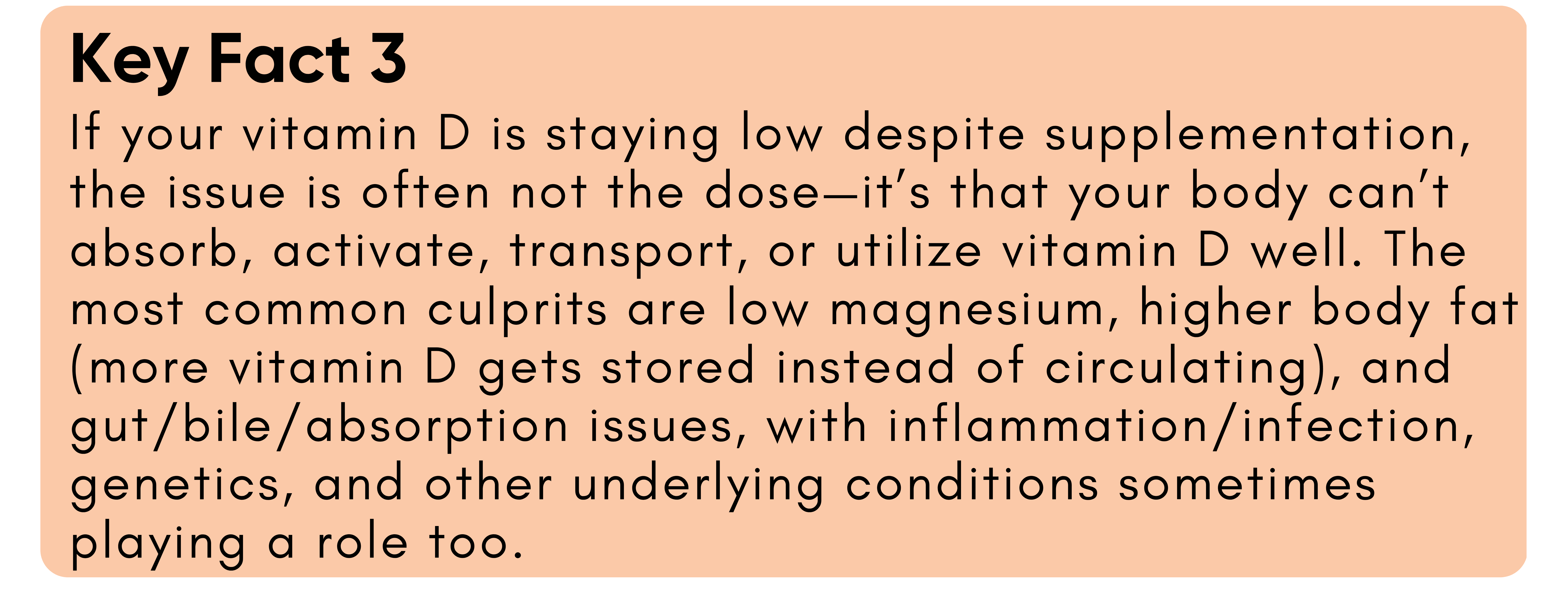
Other lab values to assess when addressing vitamin D include:
- Active D and storage D: 25-hydroxy vitamin D (vitamin D stores, most commonly used), and if suspected high active vitamin D levels, 1,25-dihydroxy vitamin D (active form, less commonly used). Usually, only storage vitamin D is tested, but it is possible that you may have low-storage vitamin D and high-active vitamin D, especially if you’re supplementing vitamin D and have trouble converting vitamin D.
- Ionized Calcium: unbound calcium that is not bound to protein and is the body’s most accurate measure of calcium (51).
- RBC magnesium: a more accurate indicator of magnesium levels in the cells (only 1 percent of magnesium is actually in the blood) (29). An HTMA (hair test) can also provide good insight into intracellular magnesium levels.
- Parathyroid hormone: Vitamin D deficiency is common in hyperparathyroidism (52). High PTH levels can lead to high 1,25(OH)2D, low bone mineral density, increased risk of fractures, and osteoporosis, and supplementing with vitamin D often leads to low or suppressed PTH (53, 54).
Start here with increasing vitamin D levels
Like most nutrients, vitamin D works best with consistency. So, do your best to consume vitamin D–rich foods regularly (fatty fish, egg yolks, and full-fat dairy if you tolerate it).
Then use these three levers to help your body absorb and use vitamin D more effectively:
- Optimize magnesium levels : Prioritize magnesium-rich foods (pumpkin/chia seeds, almonds/cashews/peanuts, spinach, beans, edamame). If needed, add magnesium via a supplement (multi-form options like Smidge), topical magnesium (lotion/deodorant), Epsom salt baths, and/or magnesium powder in your daily mineral mocktail
- Eat more animal foods and fats: Vitamin D metabolism relies on nutrients found mostly in animal foods—especially cholesterol, vitamin A, and vitamin K2 (40, 41). Focus on egg yolks, full-fat dairy/cheese, grass-fed beef, and (if you tolerate it) small amounts of liver/organ meats; include fermented foods for K2 like miso, sauerkraut, or natto. Cholesterol matters, too, because vitamin D made from sunlight is synthesized from cholesterol (56).
- Go outside mid-day. : Start by going outside mid-day without sunscreen or sleeves (if it isn’t winter).
Can you get too much vitamin D?
Yes!
Too much vitamin D is toxic, another reason to test your levels before reaching for really high-level supplements.
When vitamin D is truly excessive, it can:
- Raise calcium too high (hypercalcemia) in both mom and baby (4)
- Cause symptoms like vomiting, muscle weakness, dehydration, and kidney stones (57)
- Increase risk of soft tissue calcification (potentially via potassium wasting) (58)
- Deplete magnesium, which vitamin D relies on for metabolism (59)
That said, studies using 4,000–5,000 IU/day have not shown hypercalcemia or tissue calcification, but vitamin D works best (and safest) when you’re also getting adequate supportive minerals that help your body utilize it (60, 61).
Can you get too much sun?
Excessive sun exposure won’t lead to toxic levels of vitamin D, but it definitely isn’t good for your skin. It is possible that frequent tanning beds can lead to toxic vitamin D levels, but they are an all-around bad idea anyway, so best to avoid them.
Written by: Claire Gilmore, MSCN, CNS, LDN, and Ryann Kipping, MPH, RDN, LDN