Posted on

3rd Trimester Foundations: Start Here

Congratulations, you are almost to the finish line! You are on mile 18 out of the 26.2-mile marathon, which means that you are almost there. 

In this trimester, your baby is growing more than ever, which means that your body needs more nutrients and energy during this time. 

The goal right now is to: 

  • Support fetal growth and development 
  • Meet increasing nutrient needs 
  • Support balanced blood sugar 
  • Prepare for labor

How much to eat in the third trimester

In the third trimester, calorie needs increase. Instead of calculating a specific number of extra calories, we recommend following your hunger cues – your body knows best. Tracking or counting calories is not necessary. 

Focus on: 

  • Eating regular meals and snacks (every 3-4 hours) 
  • Building meals/snacks with protein, fat, fiber, and flavor 
  • Eating until you feel comfortably satisfied 
  • Prioritizing nutrient-dense choices most of the time

Your intake may still vary day to day. That’s expected. The most important thing is to tune into your body and follow its cues. 

Common Third Trimester Symptoms (and What May Help)

During the third trimester, hormonal changes and your baby’s rapid growth can lead to a variety of physical symptoms. Many of the symptoms below are common. Small nutrition and lifestyle habits can often help make them more manageable.

Heartburn or Reflux

  • Eat smaller, more frequent meals
  • Avoid lying down right after eating
  • Limit very spicy, greasy, or acidic foods if they tend to trigger symptoms
  • Try digestive enzymes

Go to the heartburn guide. 

Constipation

  • Increase fiber gradually from foods like berries, broccoli, chia seeds, and beans
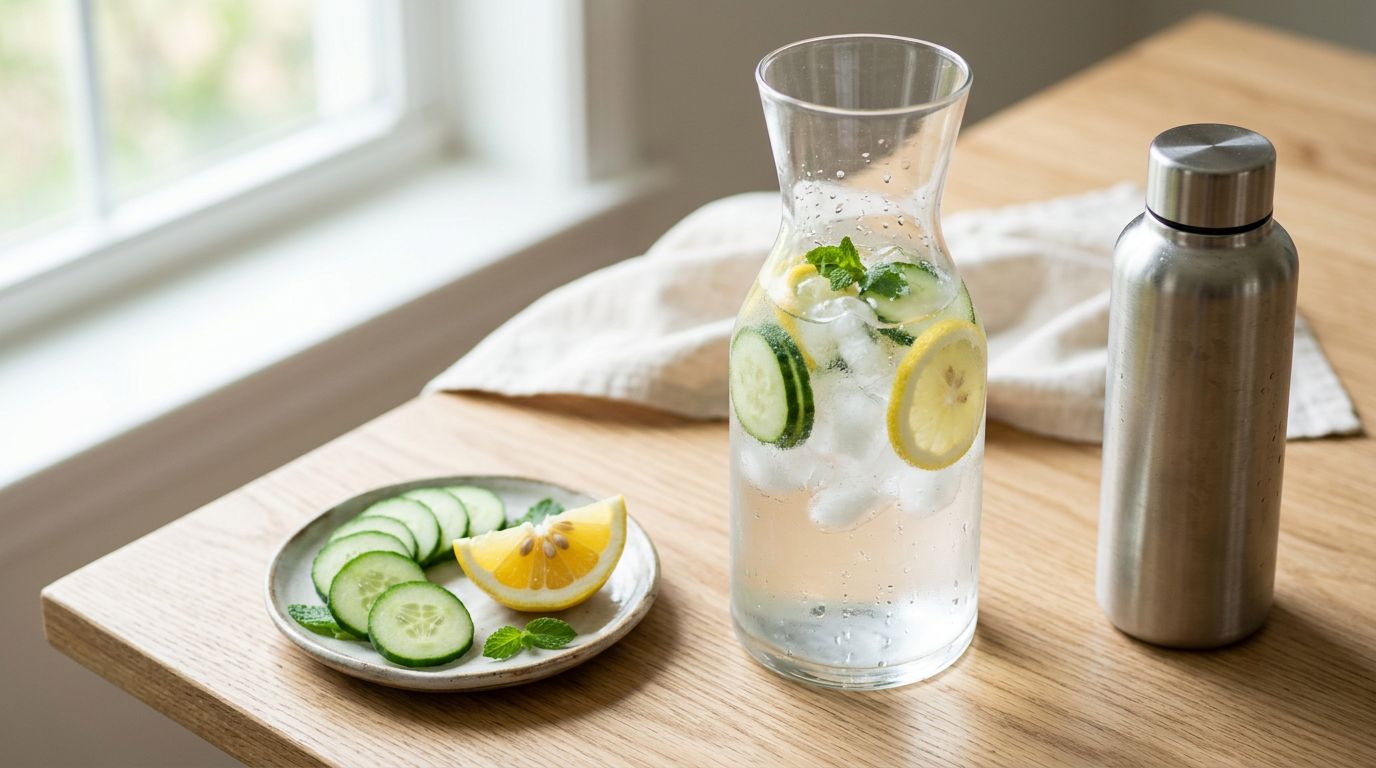
  • Stay well hydrated throughout the day (add minerals!)
  • Gentle daily movement, like walking and yoga

Go to the constipation guide.

Swelling (Feet & Ankles)

  • Stay hydrated
  • Increase potassium-rich foods
  • Gentle walking or movement throughout the day
  • Elevate your feet when possible

Go to the swelling guide. 

Feeling Full Fast 

  • Eat small, more frequent meals 
  • Separate liquids from solids: try not to drink too much while you eat, especially carbonated beverages
  • Try setting an alarm on your phone for every 3 hours to eat something 
  • Sip on a protein shake throughout the day

The 3 Foundations That Matter Most

These are the top three things we want you to focus on first.

1. Stay hydrated 

Why it matters:

Blood volume expands significantly during the third trimester. Adequate hydration supports circulation and digestion, helps maintain energy levels, and can reduce constipation and headaches.

Start here:

  • Aim for pale yellow urine most of the day
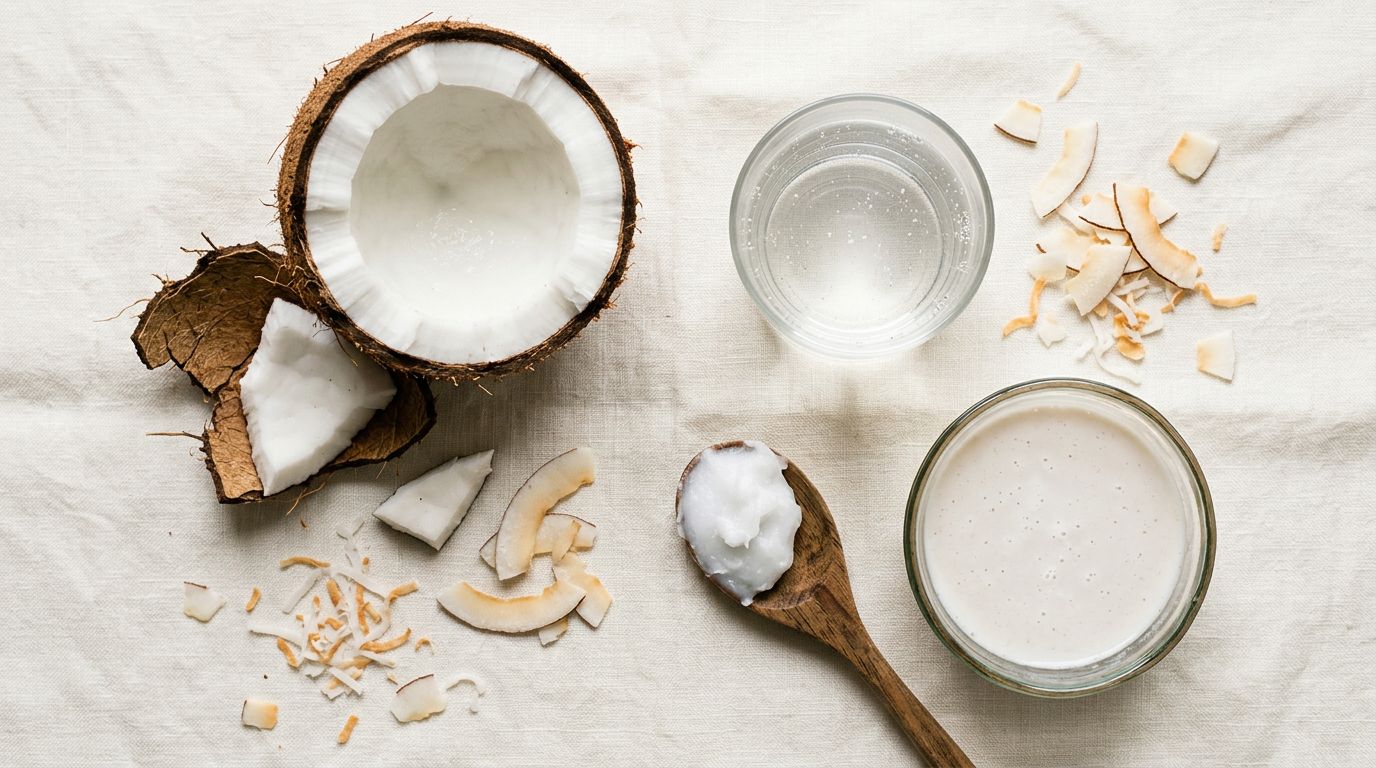
  • Prioritize beverages low in added sugar when possible: water, sparkling water, electrolytes, coconut water, soups, smoothies, tea, or milk
  • Add a daily mineral mocktail (or simply coconut water) to support hydration needs and increased mineral needs

Explore more:

→ Fluids & Hydration

→ Coconut Water

→ Mineral Mocktails

→ Smoothies

→ Tea

2. Quality Fats

Why it matters:

Quality fats play an important role in supporting both you and your baby. Certain fats, especially omega-3s like DHA, help to develop your baby’s brain, eye, and nervous system development (1).

Fats also support your health by helping regulate hormones, keeping you fuller for longer, supporting balanced blood sugar, and helping your body absorb important fat-soluble vitamins like vitamins A, D, E, and K (2).

Fats to include regularly: 

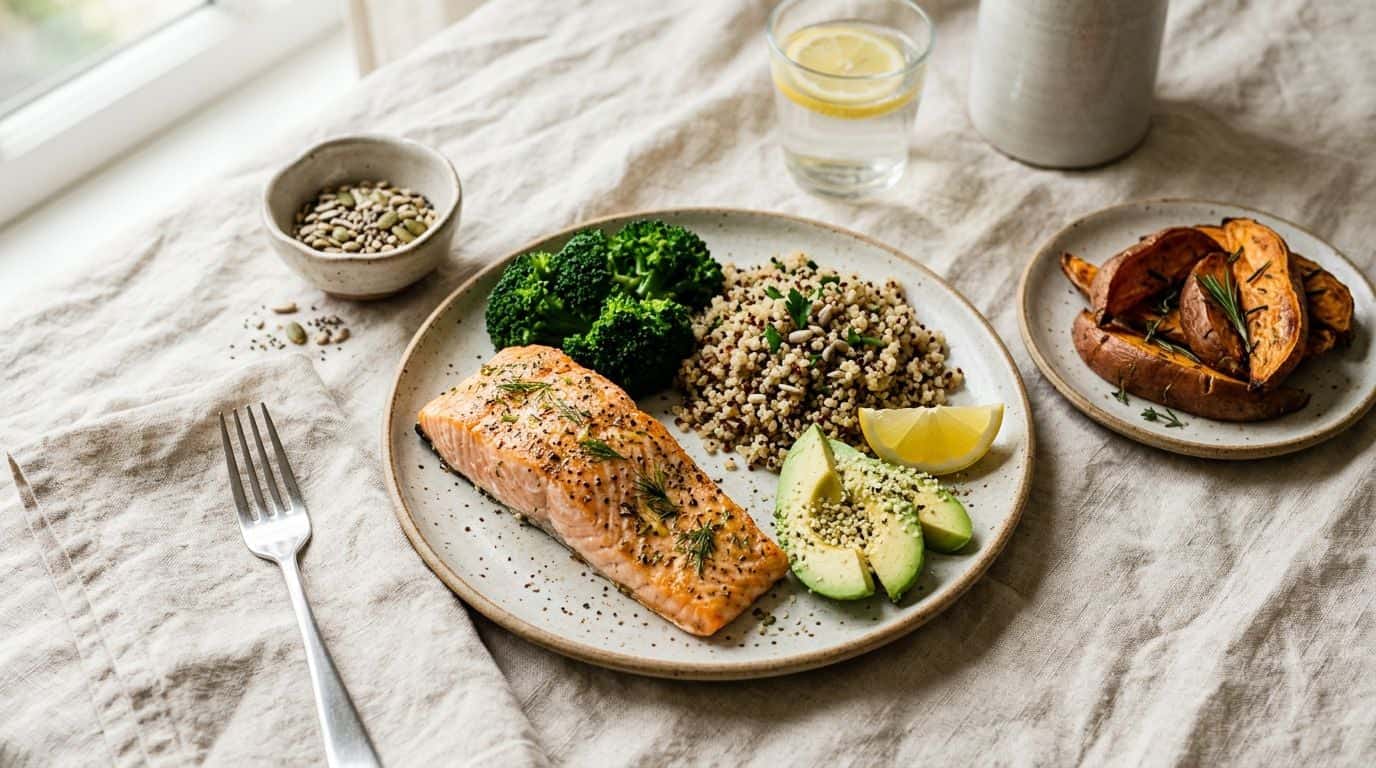
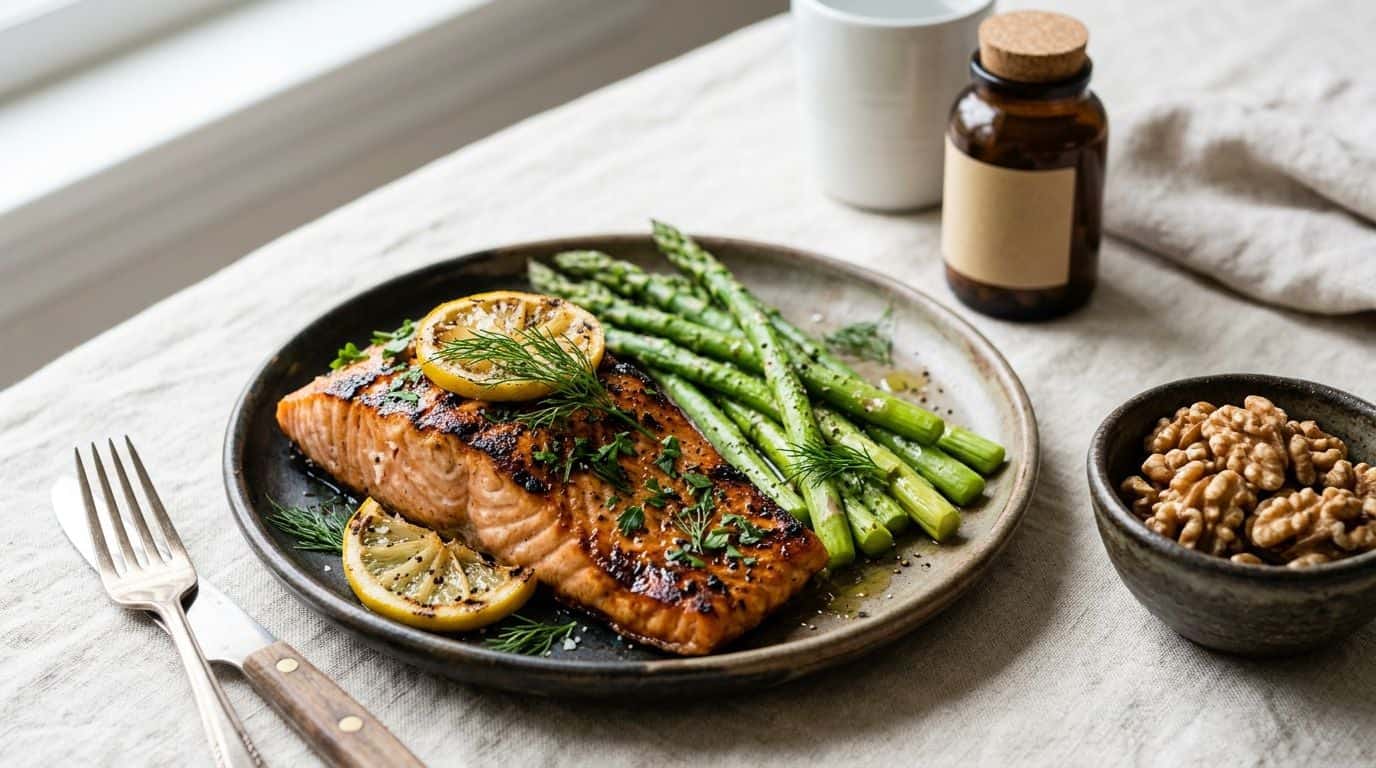
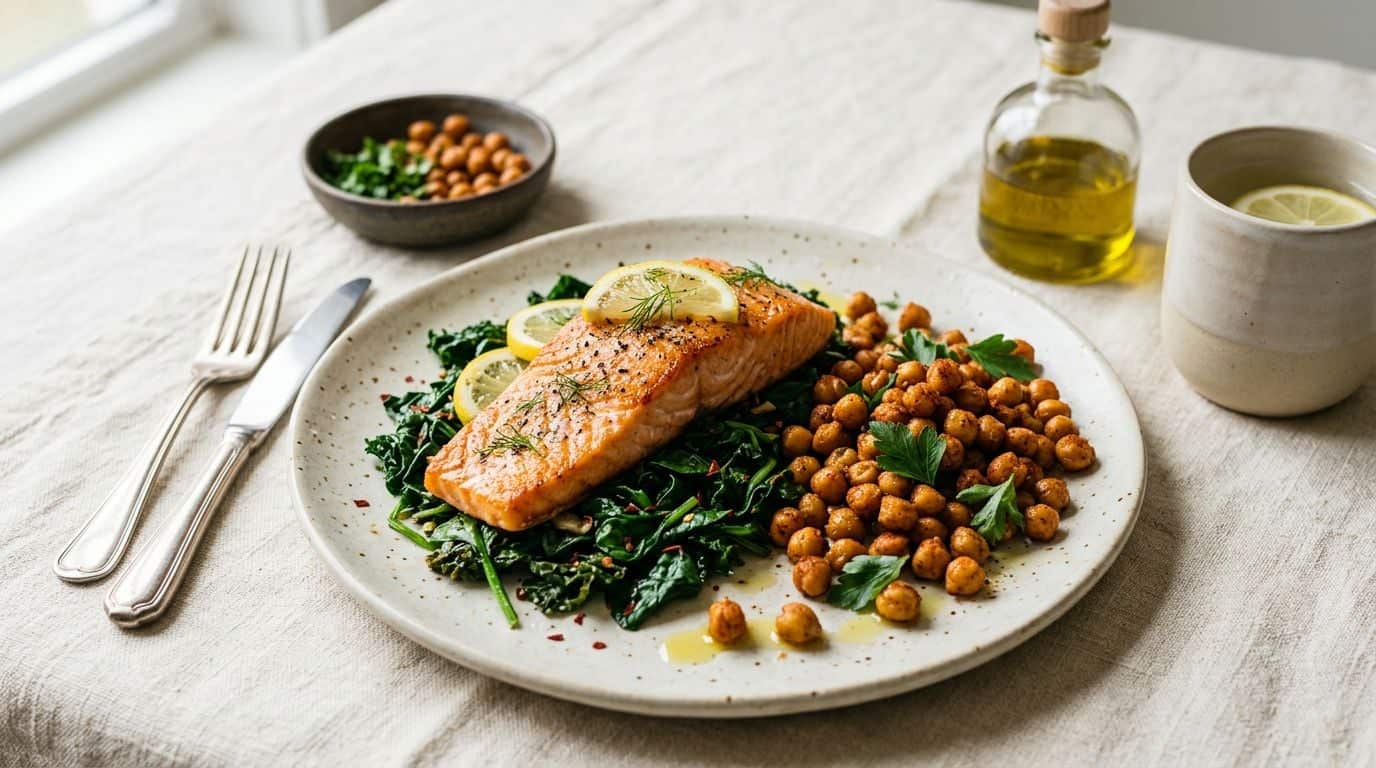
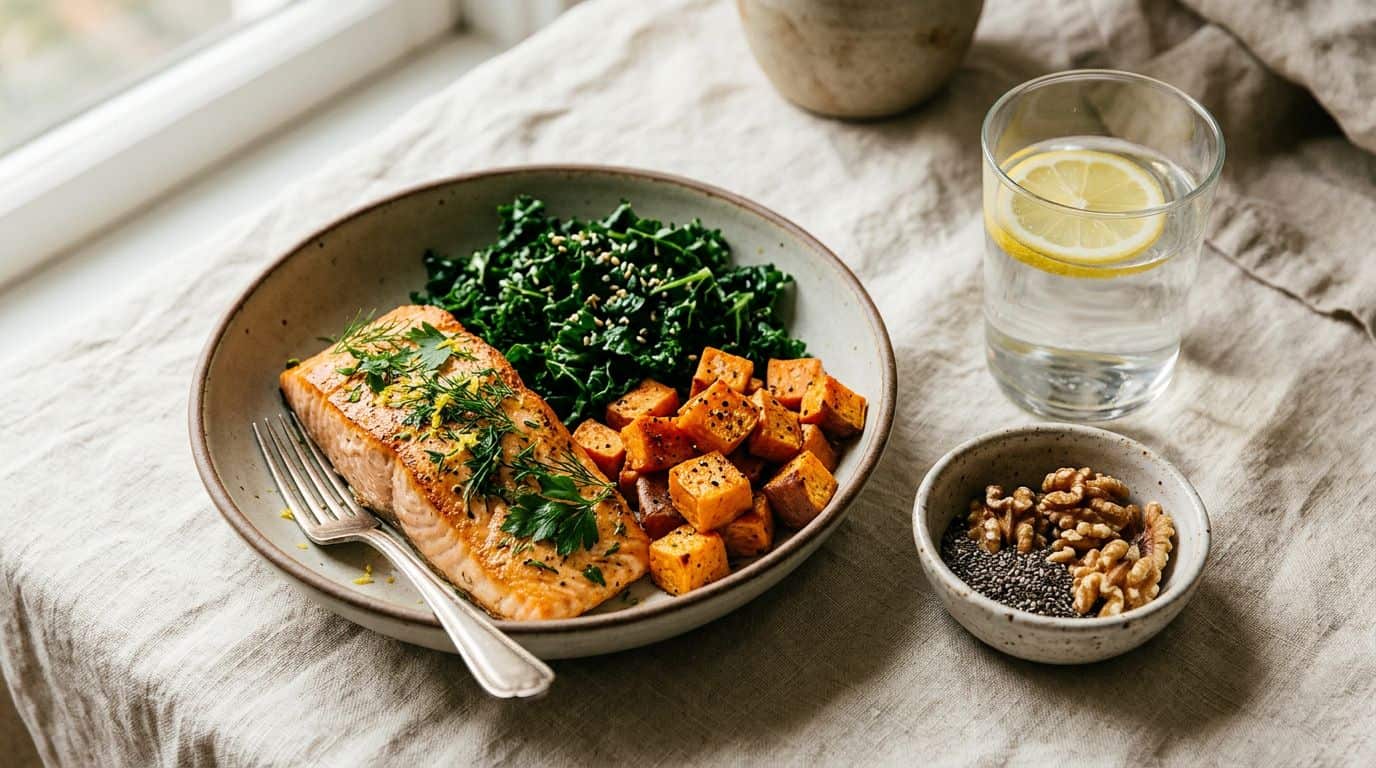
  • Fatty fish like salmon, sardines, and trout 
  • Meat
  • Full-fat dairy
  • Avocado
  • Coconut  
  • Nuts and nut butters 
  • Seeds like chia seeds or pumpkin seeds
  • Olive oil 

Aim for 1-2 sources of fat in every meal.

Explore more: 

→ Omega 3

→ Fats

→ Fish – free 

→ Best oils and fats

3. Essential Minerals 

Minerals help support both your health and your baby’s rapid growth during the third trimester. They play important roles in bone development, oxygen transport, muscle function, and fluid balance (3). 

Key minerals to prioritize include:

  • Iron: supports increased blood volume and oxygen delivery to you and your baby
  • Calcium: helps build your baby’s bones and teeth. Pairing with a vitamin D source helps your body absorb and use calcium more efficiently. 
  • Magnesium: supports muscle function, blood flow, and sleep
  • Potassium: helps regulate fluid balance and nerve function
  • Sodium: helps regulate fluid levels, electrolyte balance, and cellular activity 

Getting enough of these minerals may also help support energy levels and reduce symptoms such as fatigue and muscle cramps (4).

Start here: 

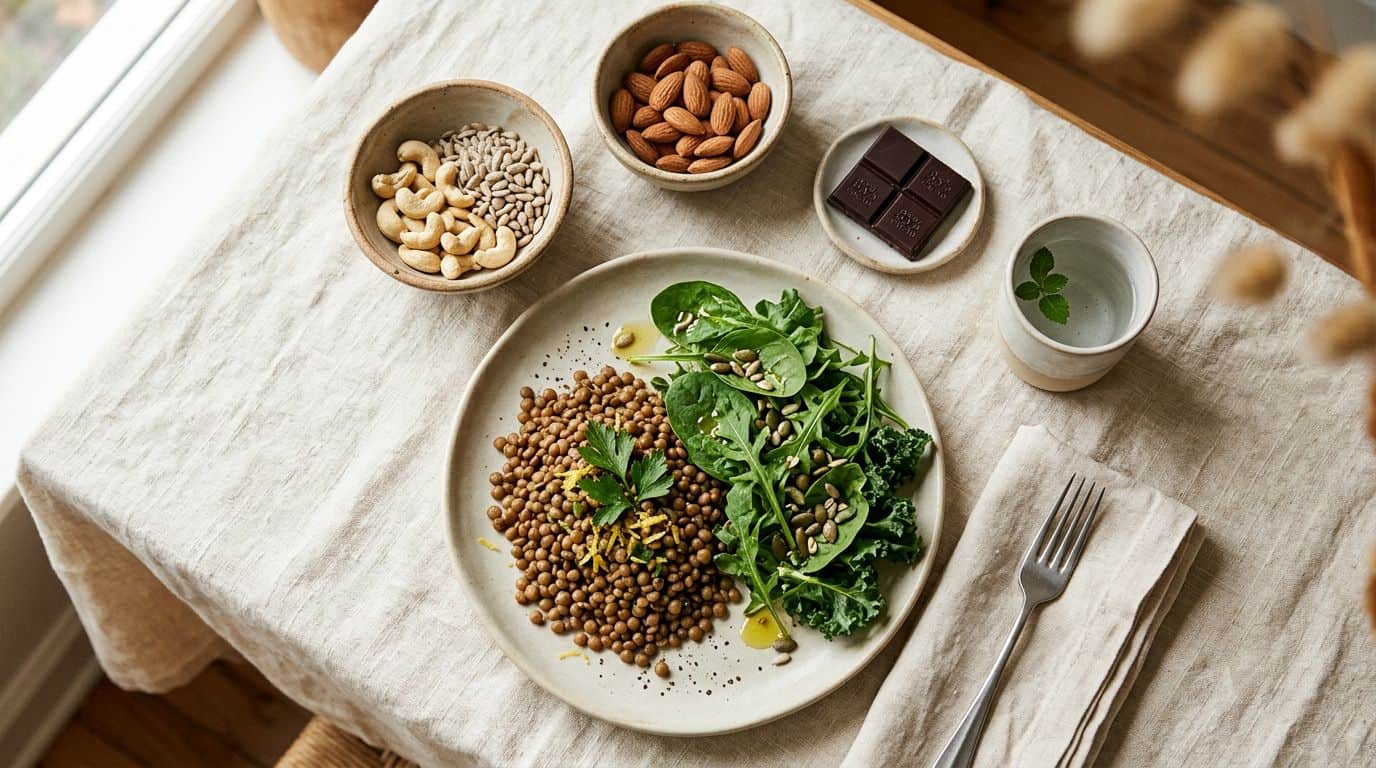
  • Eat a variety of whole foods like fruits, vegetables, beans, whole grains, nuts, and seeds
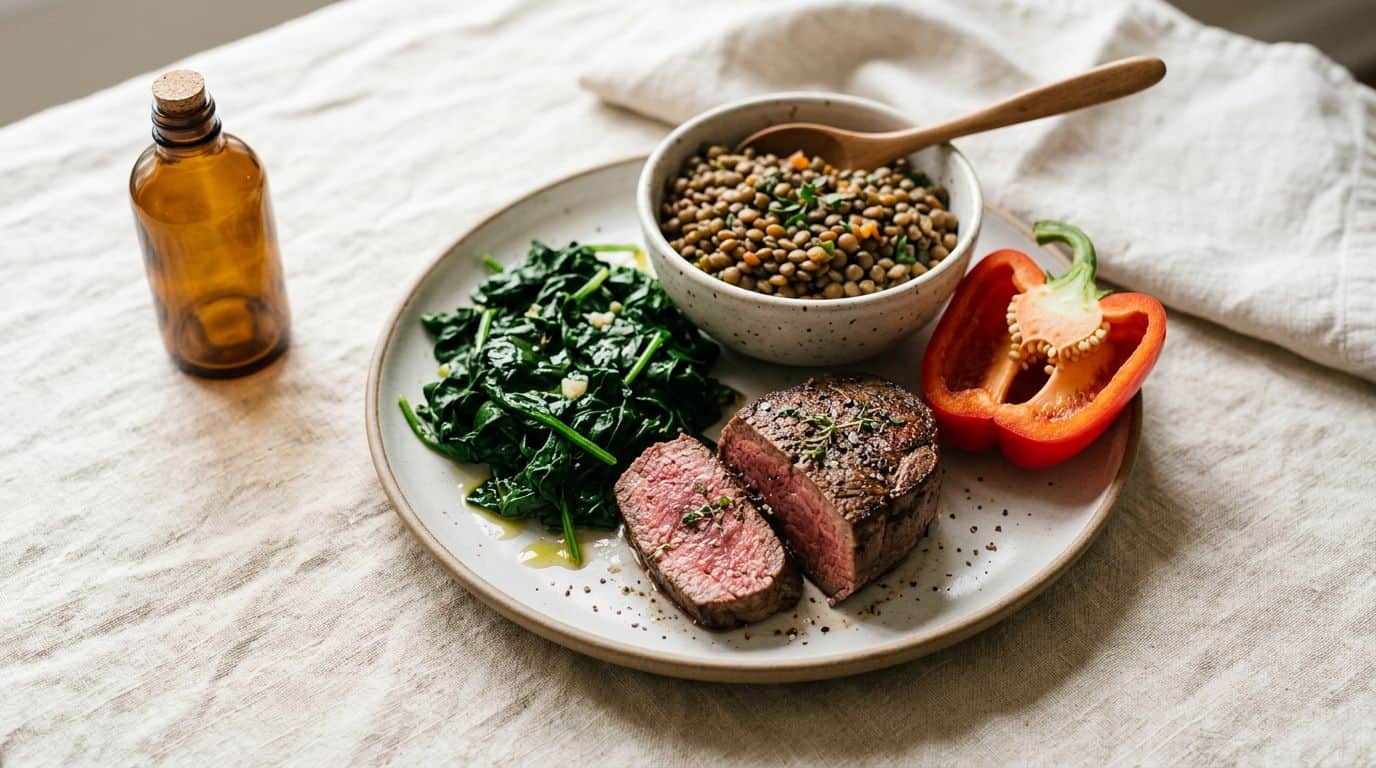
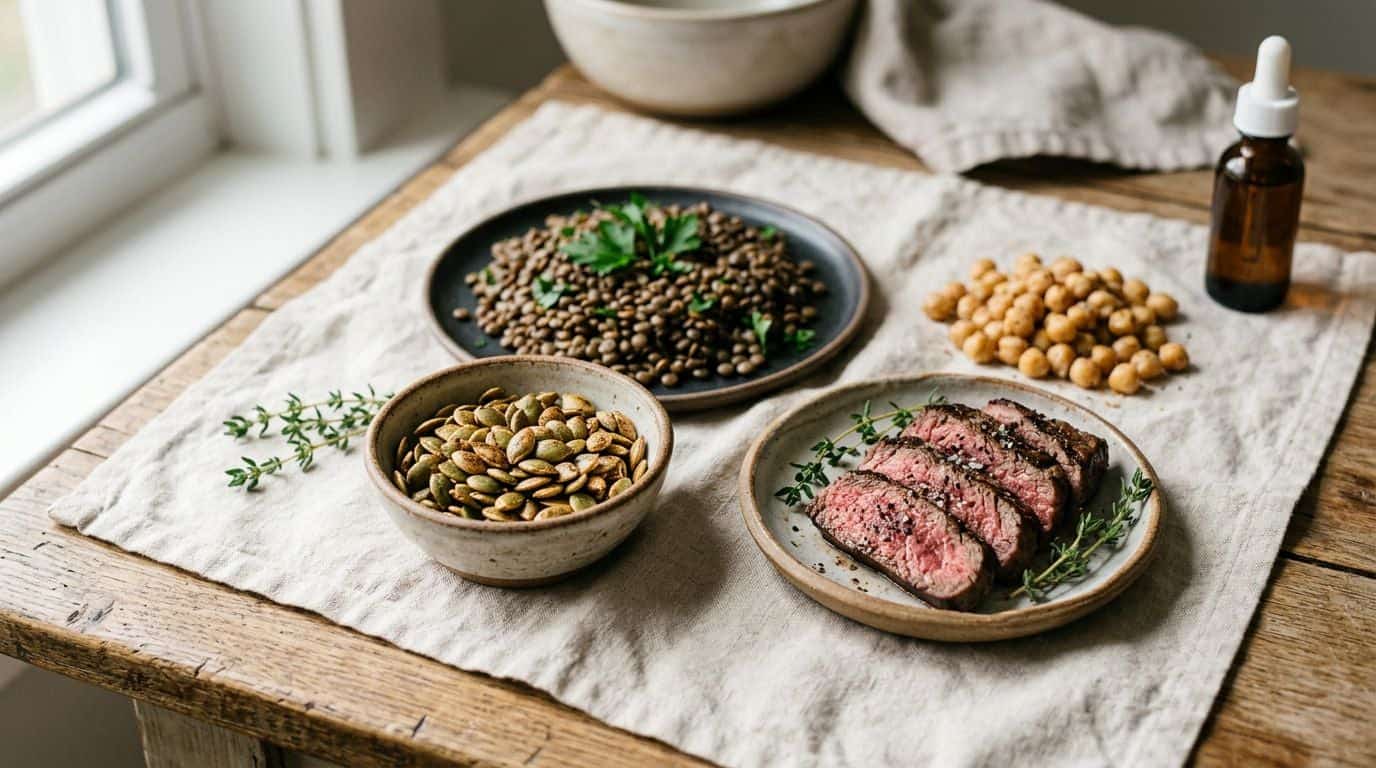
  • Include iron-rich foods such as red meat, poultry, beans, lentils, tofu, and cooked shellfish daily 
  • Add calcium-rich foods like dairy, yogurt, fortified plant milks, or leafy greens
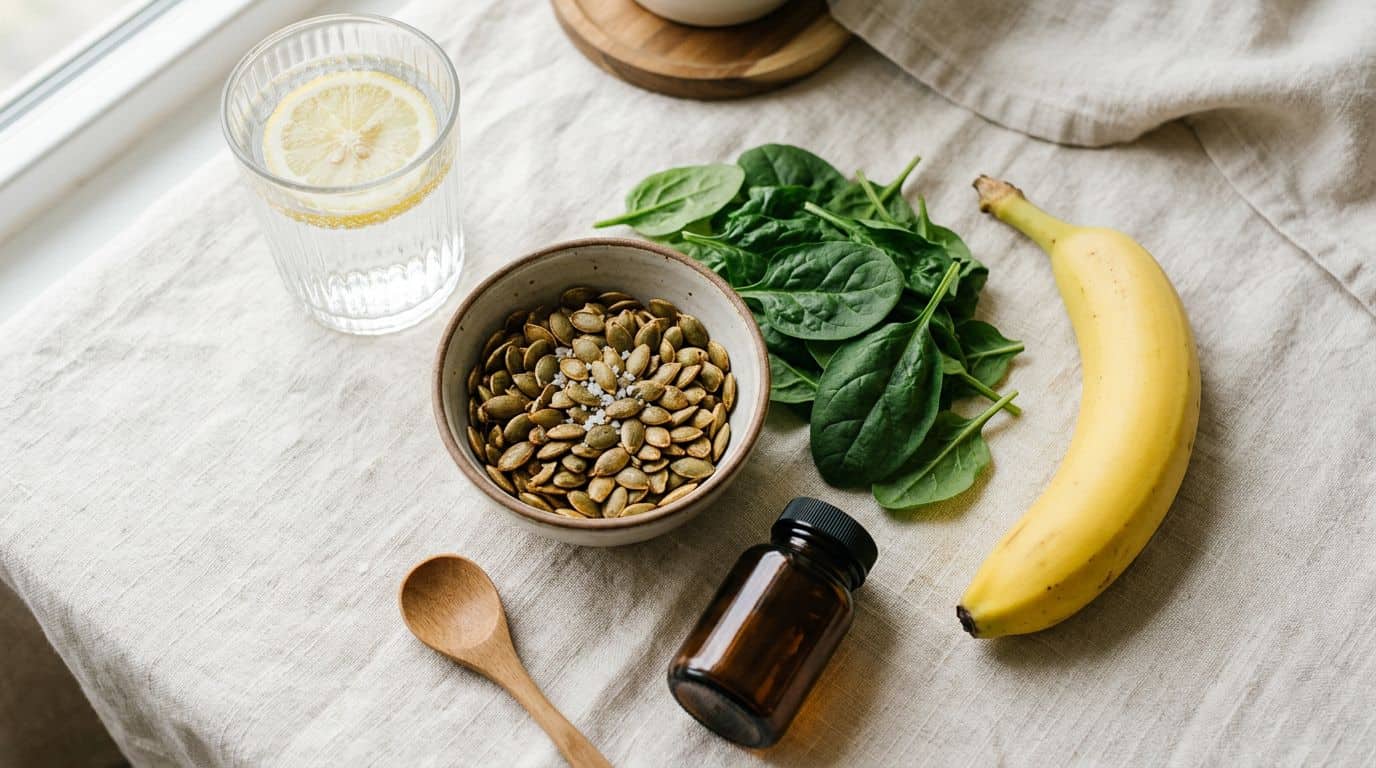
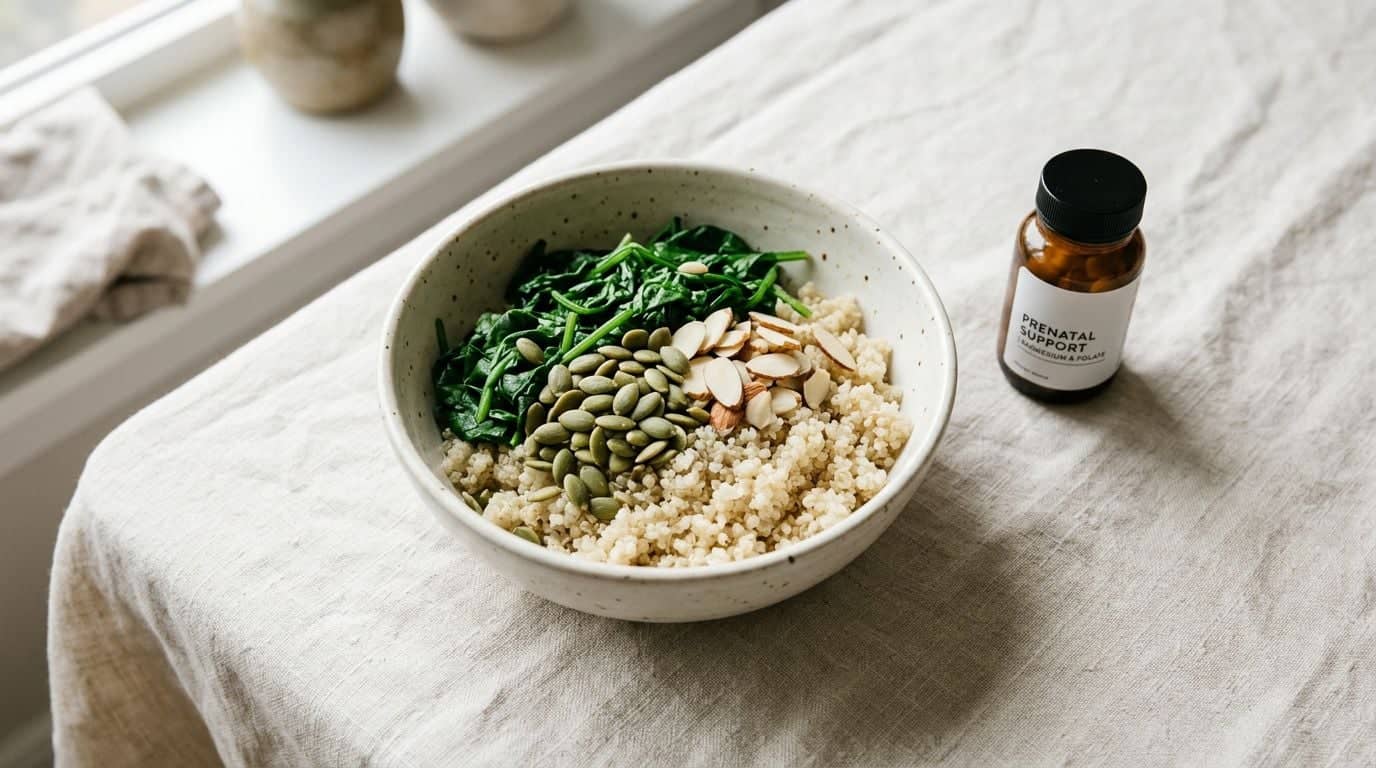
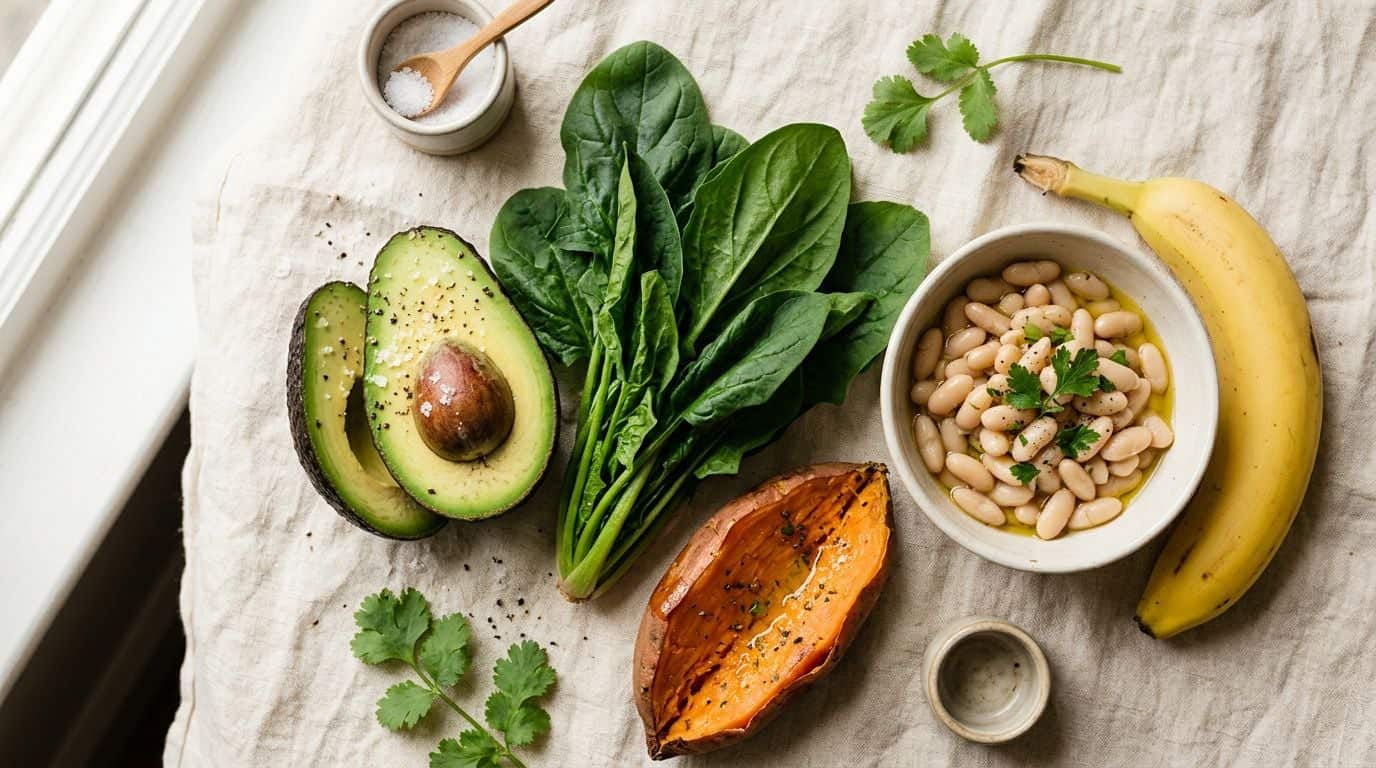
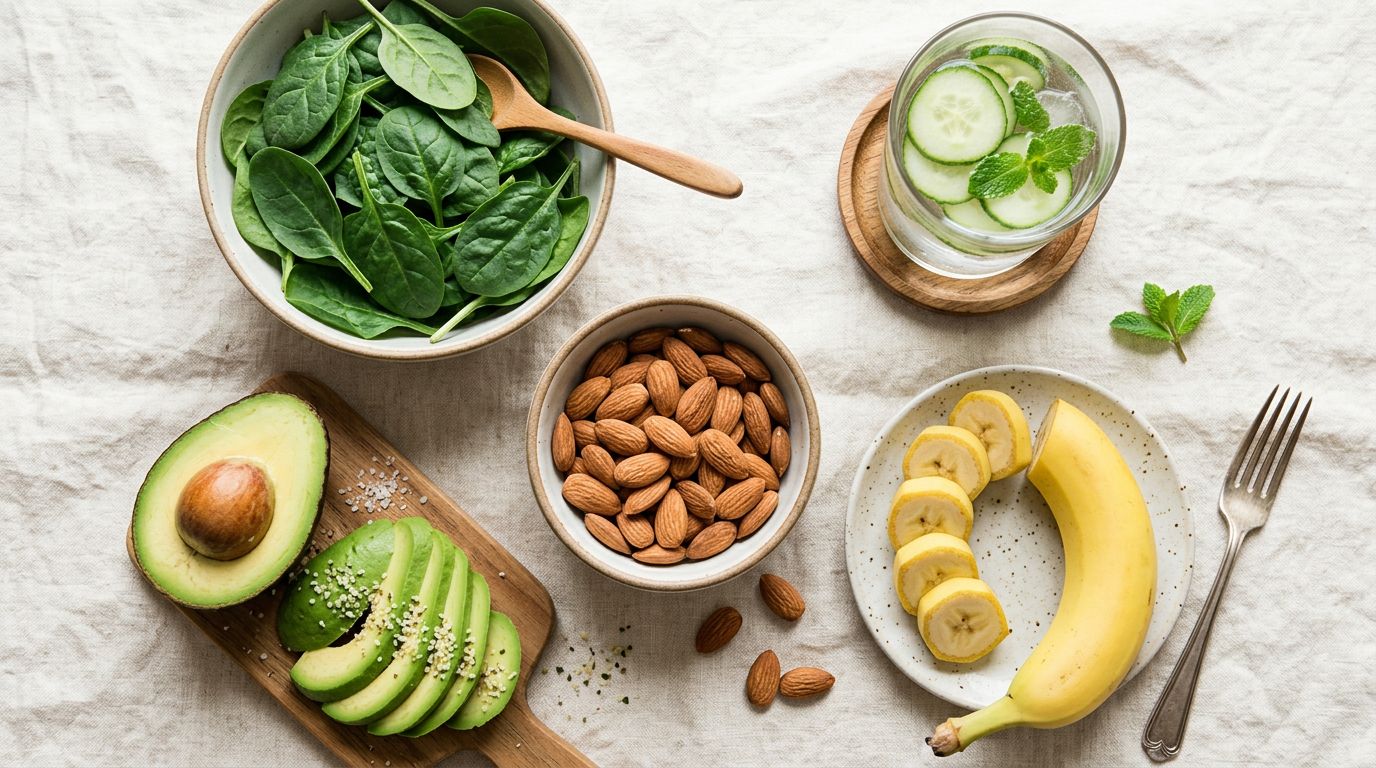
  • Add magnesium-rich foods such as avocado, black beans, almonds, and spinach
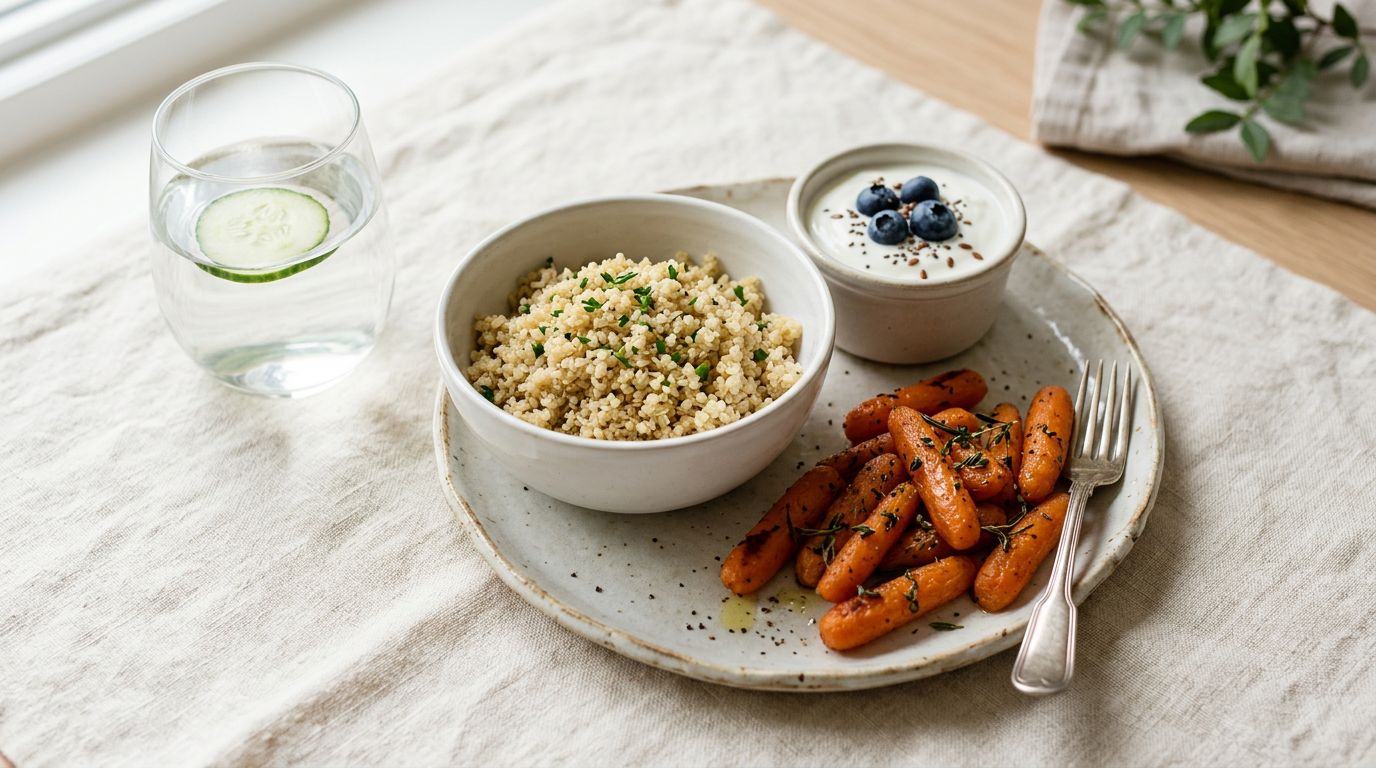
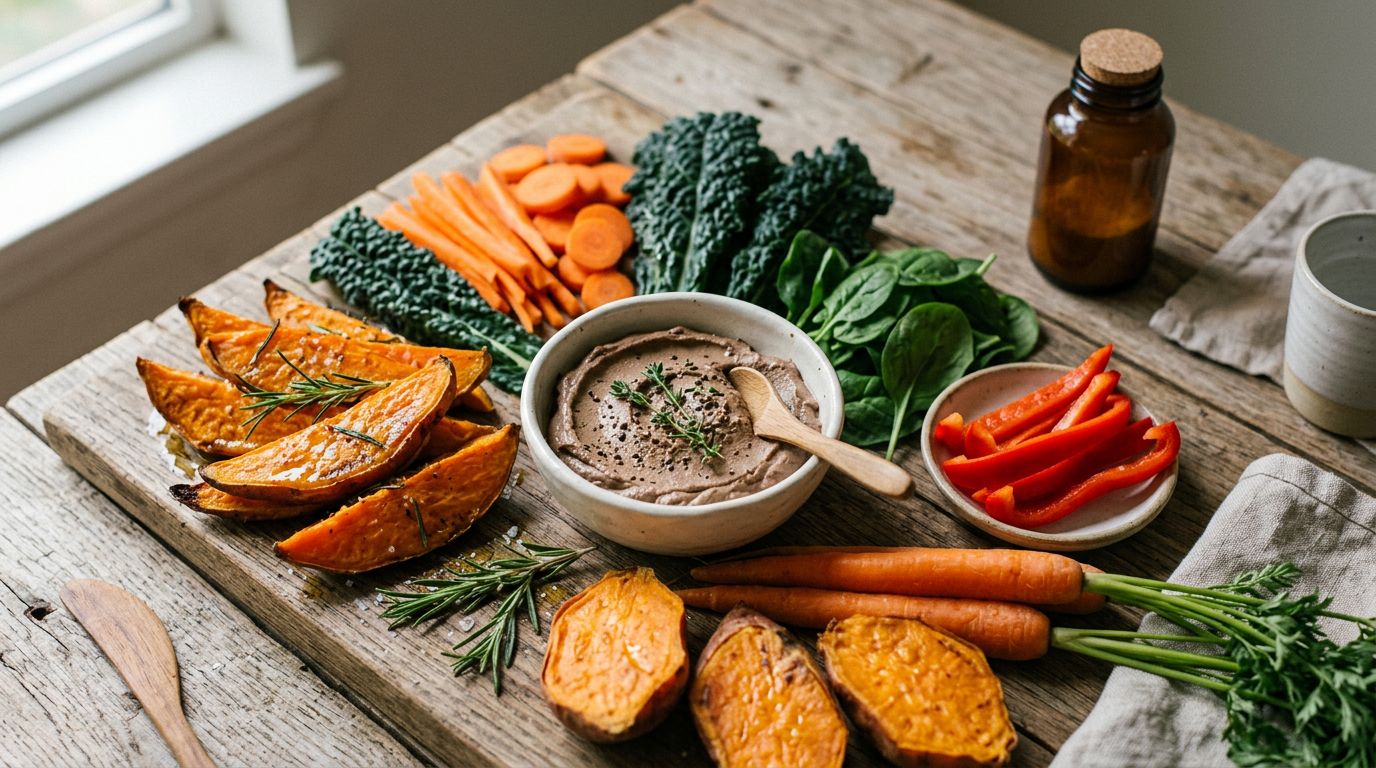
  • Add potassium-rich foods such as potatoes, citrus, carrots, and bananas
  • Do not avoid whole salty foods (like olives, cheese, pickles, etc.) or salting your food when cooking
  • Continue taking your prenatal vitamin to help fill nutrient gaps

Explore more: 

→ Magnesium 

→ Potassium 

→ Electrolytes 

→ Calcium

→ Iron

→ Sodium (Salt) intake 

What to avoid

There is still no giant list of foods to “avoid.” The foods to avoid are much smaller than you might think. 

Food safety

  • Basic food safety principles include handwashing, keeping the kitchen clean, cooking foods to appropriate internal temperatures, and thoroughly washing all produce.
  • The foods that cause the most foodborne illness outbreaks are pre-cut and individually packaged items, raw shellfish, produce, and raw sprouts. 

Explore more:
→ Food Safety in Pregnancy

→ Deli Meats

→ Soft Cheeses

Fish

  • Avoid high mercury fish
  • Avoid raw shellfish

Caffeine

  • Avoid excessive intake
  • If iron is an issue, drink it away from meals
  • For most, 1 cup or 150 mg of caffeine per day is okay

Explore more:

→ Coffee Alternatives

→ Caffeine in Pregnancy

 → Avoid list 

Third Trimester Supplements

Everyone: 

Prenatal vitamin

To consider (based on labs, diet, or symptoms):

  • Omega-3s – if you do not eat fish or only eat white fish
  • Vitamin D – if you’ve tested, and your levels are low
  • Probiotics – if you do not eat fermented foods 
  • Magnesium – if your prenatal vitamin has little to no magnesium, or if you have specific symptoms that warrant more magnesium 
  • Iron – if you’ve tested, and your levels are low
  • Inositol – if you have PCOS or gestational diabetes
  • Protein Powder – if you need support meeting your daily protein needs

Using Recipes & Top Foods in the App

  • Recipes tagged “Third Trimester” are designed to support baby’s development and higher nutrient needs. 
  • At the top of each trimester learning hub, you’ll find the Top Foods for that trimester — use these as inspiration, not necessarily a “checklist.”

Start with what sounds good today, then build from there.

Gestational Diabetes

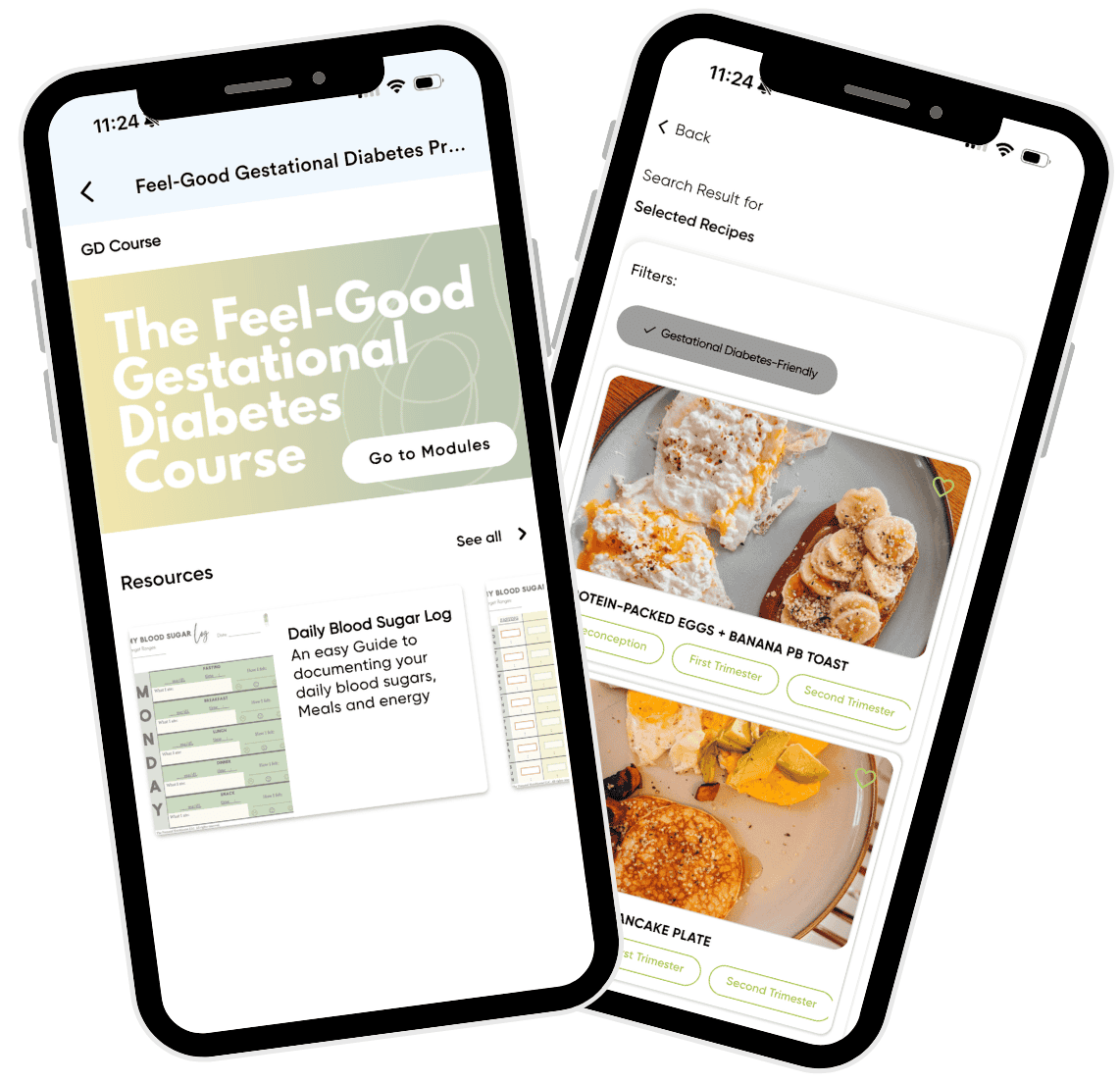
  1. Make sure your meal plan is set to “gestational diabetes friendly.” Click the three lines at the top right corner of the app, go to Profile, then under Your Dietary Preferences, add “Gestational Diabetes-friendly.”
  2. Under the “Library” home screen, Learn By Stage, you will see a “gestational diabetes” specific learning hub.
  3. Here you will also find our full “GD course” linked at the top. This is a 5 modules self-paced course.
  4. Under the “Recipes” home screen, click “search recipes” and scroll down to “nutrition related”, select “gestational diabetes friendly.”
Preparing for Birth 

During the final month of pregnancy, small habits and preparations can help support your body as it gets ready for labor and delivery.

Helpful ideas:

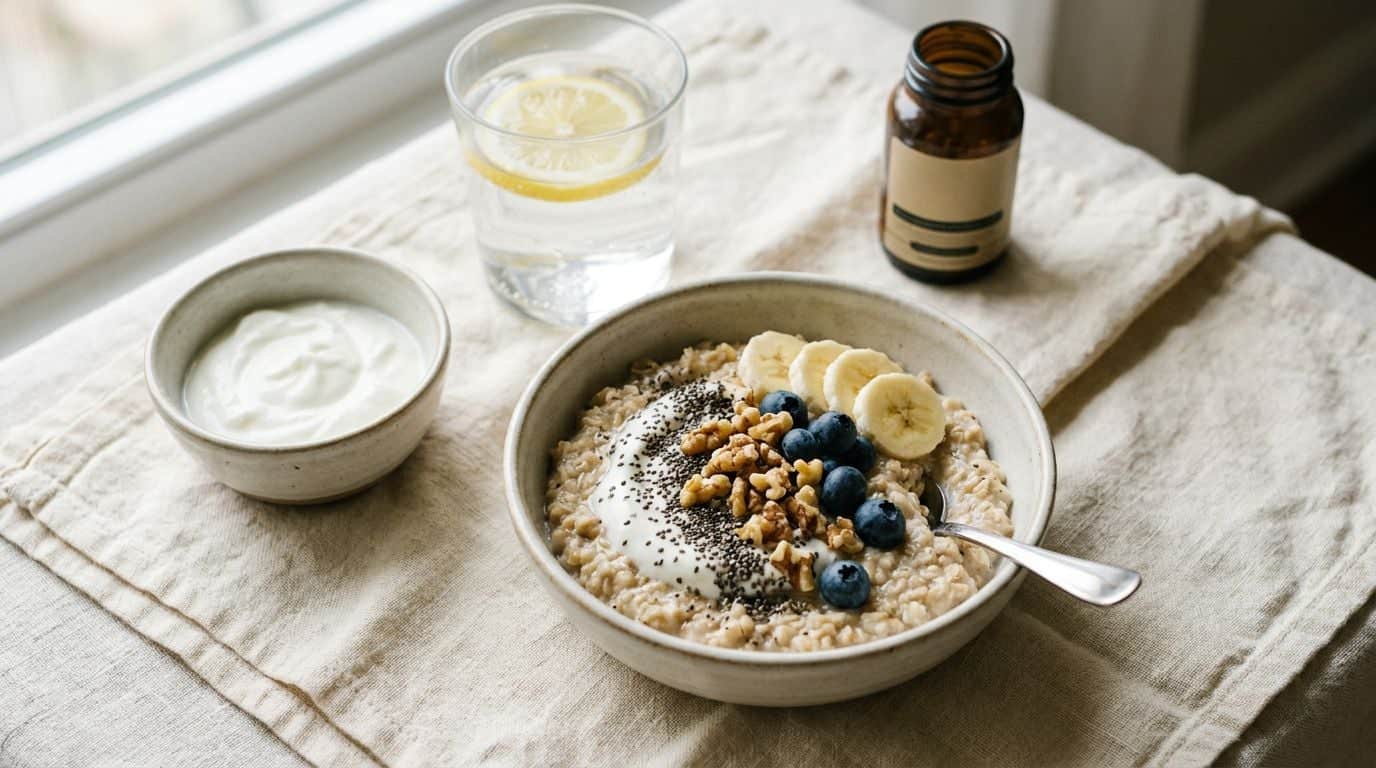
  • Keep simple, nourishing foods on hand (soups, overnight oats, hard-boiled eggs, etc.)
  • Stay hydrated and continue prioritizing regular meals and snacks

Explore more:

→ Nutrition for Labor Prep

Dates 

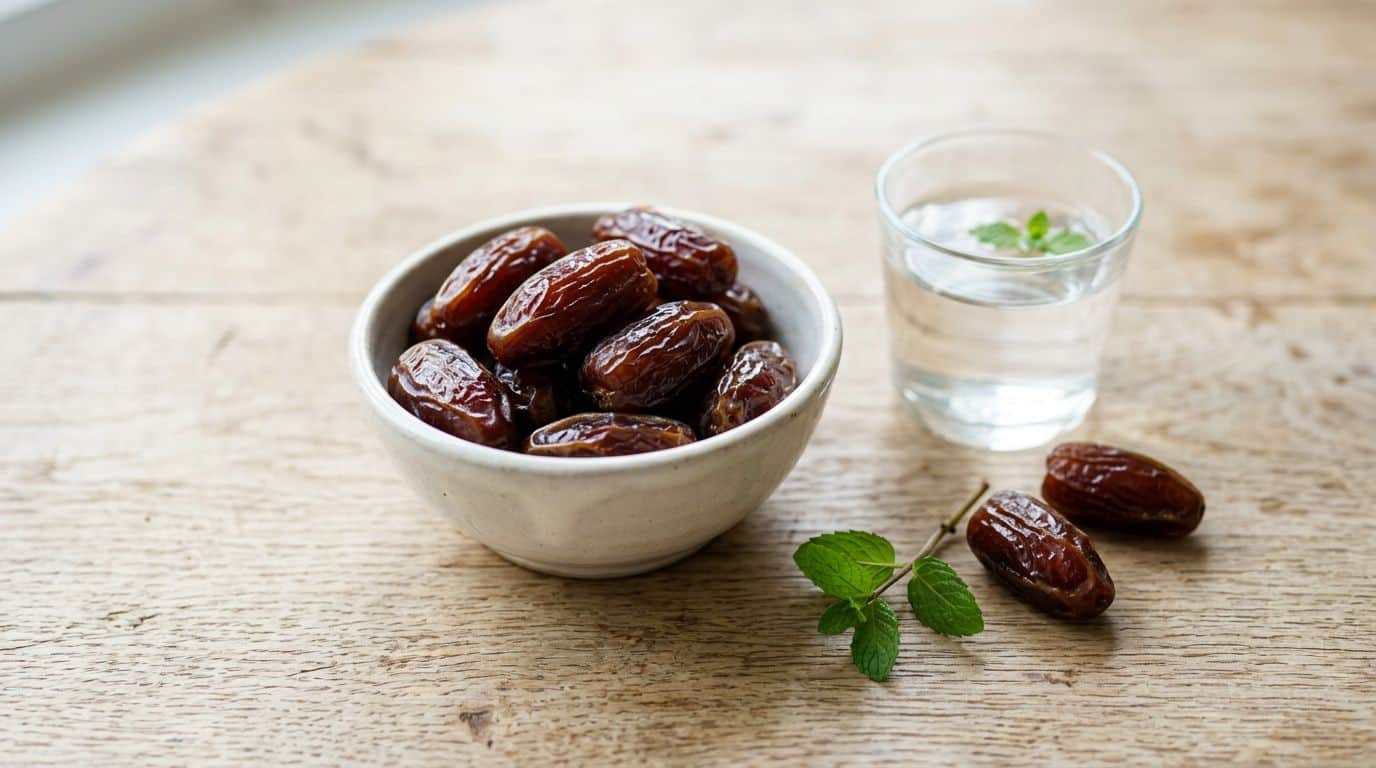
Dates contain fiber and antioxidants, which can support digestion and your overall health. They are widely touted to help with labor when eaten consistently in the third trimester, and there is some research to support this notion (5). Importantly, dates do not ‘put you into labor’; they may help prepare your body for labor. 

Dates are a great option to eat before, during, and even after pregnancy.

According to some studies and reviews, dates can:

  • Increase uterine contractions 
  • Facilitate delivery by decreasing time spent in labor and inducing cervical dilation (6)
  • Reduce the need for inductions 
  • Provide your body with the energy it needs (7) 

Dates are high in carbohydrates, so even if you do not have gestational diabetes, it is important to pair them with protein and fat. Like smearing nut butter and sprinkling hemp seeds on top, or adding to a smoothie with Greek yogurt, berries, and spinach, for example. 

Go to the guide on dates.

Red Raspberry Leaf Tea

Red raspberry leaf tea has been traditionally used in Chinese medicine to support menstrual health, pregnancy, labor, and postpartum recovery. It contains high amounts of antioxidants and polyphenols, which can help reduce cell damage and prevent disease (8).

Of note, it does contain tannins, which may decrease iron absorption (11). 

What does the research say about labor prep?

  • Consuming it during the final weeks of pregnancy may shorten the second stage of labor (9)
  • Most research supports that there is no significant difference in the length of gestation for those who did vs. did not consume red raspberry leaf tea during pregnancy (10) 
  • Research suggests that drinking red raspberry leaf tea can support urinary recovery and hydration after delivery, although the evidence is limited (9). 

While we do have research, it is still limited in pregnant individuals. Because of this, consume red raspberry leaf tea in moderation (1 to 3 cups/day) and avoid concentrated extracts.

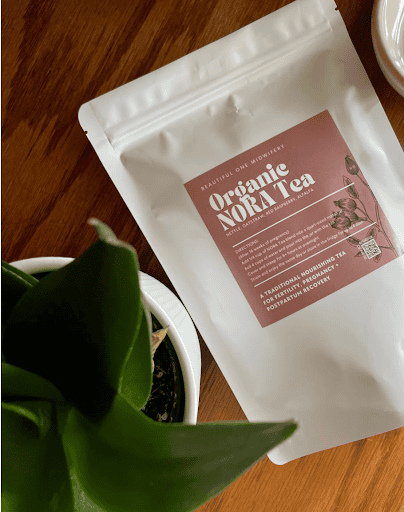
We recommend using NORA tea starting as early as the 2nd trimester (use code RYANN10)! 
Go to the full guide to red raspberry leaf tea. 

When to Get Help 

Talk to your provider if:

  • You are extremely fatigued despite adequate intake 
  • You can’t stop eating ice (get your iron checked)
  • You want to eat non-food items (Pica)
  • You experience ongoing nausea and vomiting 
  • You have a headache that won’t go away
  • You have swelling accompanied by a headache 
  • You have questions or need support 

The Big Picture Reminder

The third trimester can be really hard and seem very long. Your job now is to support your body’s increased nutrient needs by eating balanced, frequent meals, resting when you need to, and staying hydrated. You’ve got this!

Questions about your third trimester? Need additional support?

Go to “Ask an RD” (search it or post your question there), book a 60-minute nutrition consultation, or book a Quick Question Call – we are here to help!
Posted on

Chia Seeds

Have you been wondering if eating chia seeds while pregnant is beneficial to you and your baby?

Chia seeds come from a desert plant, from the mint family, called Salvia hispanica. You may know them for their dark, black color, and all of the fun recipes that chia can be incorporated into (chia pudding, anyone?).

While pregnant, you’re doing everything you can to make the healthiest choices possible for you and your growing baby. Let’s sort out the facts about chia seeds and pregnancy!

Are chia seeds safe during pregnancy?

Chia seeds are safe to eat during pregnancy and, like many other whole grains and seeds, contain numerous beneficial nutrients for pregnancy, which will be discussed more below.

What food group are chia seeds in?

Chia seeds are unprocessed, whole grains, and are the seed of the flowering plant Salvia hispanica grown in several Latin American countries, as well as Australia. Legend has it that ancient warriors attributed their strength and stamina to this tiny seed (1).

Chia seeds are either white or black in color, but you may be used to seeing the dark chia seeds in your local grocery store. There is no nutritional difference depending on the color of the chia seed, unless it is brown, which means it is not ripe.

They are 9% water, 46% carbohydrate (mostly fiber), 34% fat, and 19% protein (2).

These little seeds pack a plentiful nutrition punch. They are considered to be a complete protein source, which means chia seeds contain all nine essential amino acids (3).

Amino acids are the building blocks for protein, and essential amino acids are so important to obtain from your diet because your body cannot make them.

Protein is important during pregnancy as it helps your baby grow (4). Protein needs vary person to person and your needs continue to increase as you move throughout pregnancy (5).

A woman who weighs around 150 pounds, needs close to 80 grams of protein per day in early pregnancy.

Nutrient breakdown

1 Tablespoon (13 grams) Chia Seeds

Energy: 60 calories

Carbohydrates: 5 g

Fat: 4 g

Protein: 2 g

Fiber: 4 g

Calcium: 80 mg

Iron: 1.08 mg

Cholesterol: 0 g

All values provided by the USDA nutrient database

Benefits of chia seeds during pregnancy

Omega-3 fatty acids

Chia seeds are an excellent source of omega-3 fatty acids, containing 7 grams per 1 tablespoon.

Most of the omega-3 fatty acids in chia seeds are ALA (alpha-linolenic acid), which exerts antioxidant and anti-inflammatory effects (6).

ALA is a type of omega-3 fatty acid, just like DHA, however, they are not equivalent in function.

DHA is a crucial nutrient in the development of your baby’s brain and has been studied quite a bit in relation to cognition after birth (7).

ALA is converted to DHA but at a very poor rate. Therefore, you still need to get DHA in your diet from sources that contain DHA directly, like fish (8).

Most experts agree DHA is the most important omega-3 and we know this is true during pregnancy. But, not to worry, chia seeds have other benefits besides containing high amounts of ALA.

Fiber

Chia seeds contain a unique blend of soluble and insoluble fiber, so they can be beneficial in alleviating pesky gastrointestinal (GI) issues, like constipation.

The high fiber content coupled with protein may even help reduce your risk of developing gestational diabetes (9). With guidance from your dietitian or doctor, chia seeds may also make a great diet addition if you have been diagnosed with gestational diabetes (2).

One study suggests chia seeds can help mitigate the adverse effects a high sugar diet has on our health from during pregnancy to adulthood (10).

Mineral content

Lastly, chia seeds are high in a variety of minerals important for pregnancy such as iron, calcium, magnesium, zinc, and phosphorus.

They also provide a wide variety of antioxidants (2).

Interestingly, chia flour has been shown to increase hemoglobin concentrations in animals (11). Swapping wheat flour for chia flour also increases the fiber content of the product (12).

If you are looking to get creative in the kitchen while also increasing your iron levels, this may be your new favorite ingredient!

Are there risks to eating chia seeds during pregnancy?

Chia seeds are a low-risk food to consume in and outside of pregnancy, but there is one important note to mention.

Some people report GI discomfort when overindulging in chia seeds such as constipation, diarrhea, or general discomfort like bloating. If you do notice any of these symptoms, you can try soaking them prior to consuming them.

Before adding more chia seeds to your diet, consult with your registered dietitian or doctor, especially if you are on any medication.

Next, we will discuss the appropriate portion sizes.

How many should I eat?

Adding 1-2 tablespoons of chia seeds to your diet is a good start. It’s important to increase your water intake due to the fiber content discussed above, however, you do not need to soak them in water or ground them before consuming unless you have a GI condition that warrants this. 

If you enjoy chia seeds and tolerate them well, you can add more than the initial 1 tablespoon to your diet a day, but like anything else, moderation is key.

Research shows that eating high amounts of ALA has no adverse effects on pregnant women consuming up to 600 mg of ALA per day (13).

Although keep in mind what we discussed above, you should not be relying on chia seeds for your daily dose of omega-3’s.

How to include chia seeds in your prenatal diet

Chia seeds can virtually be thrown on any food or dish. Even the more involved recipes that use chia seeds are easy and fun to make.

Here are several ways to include chia seeds in your diet:

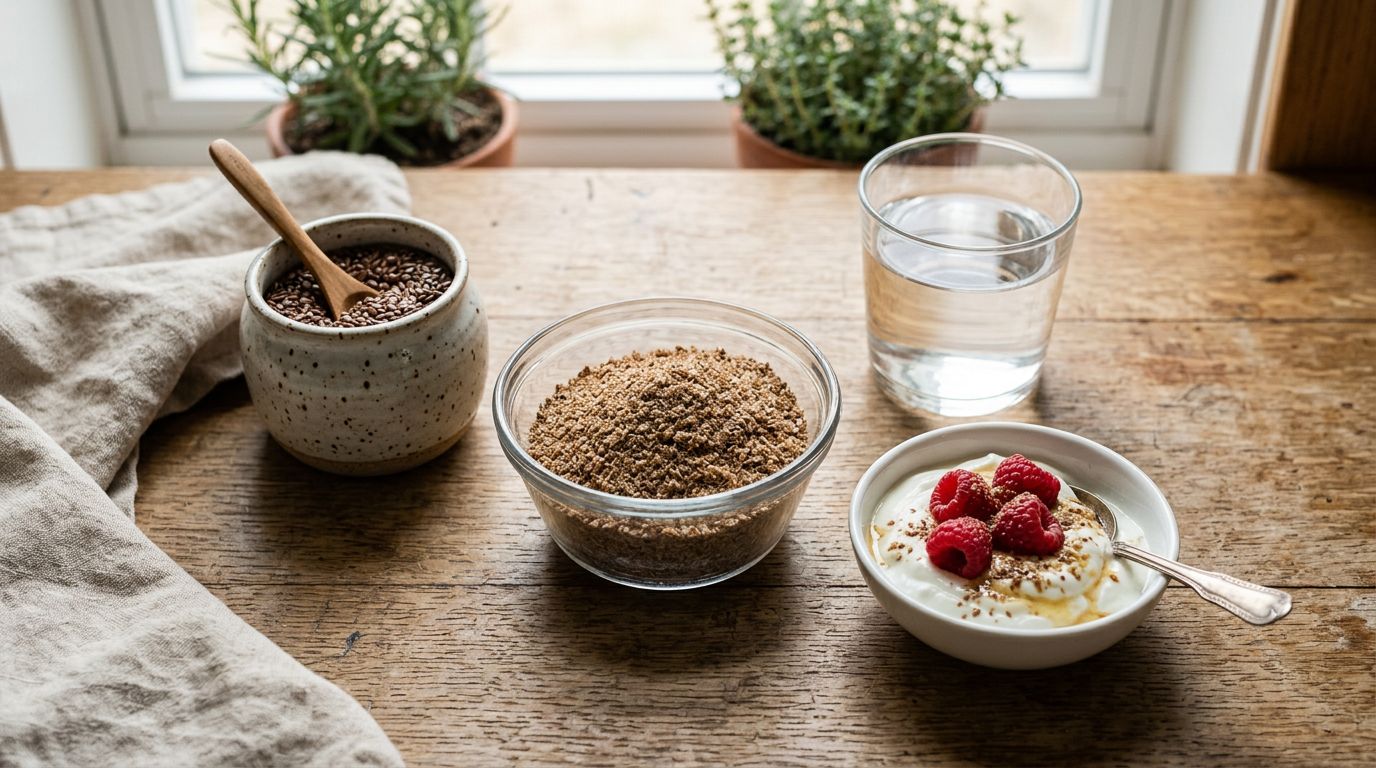
  • Use as a yogurt topping
  • Add to smoothies
  • Add to oatmeal
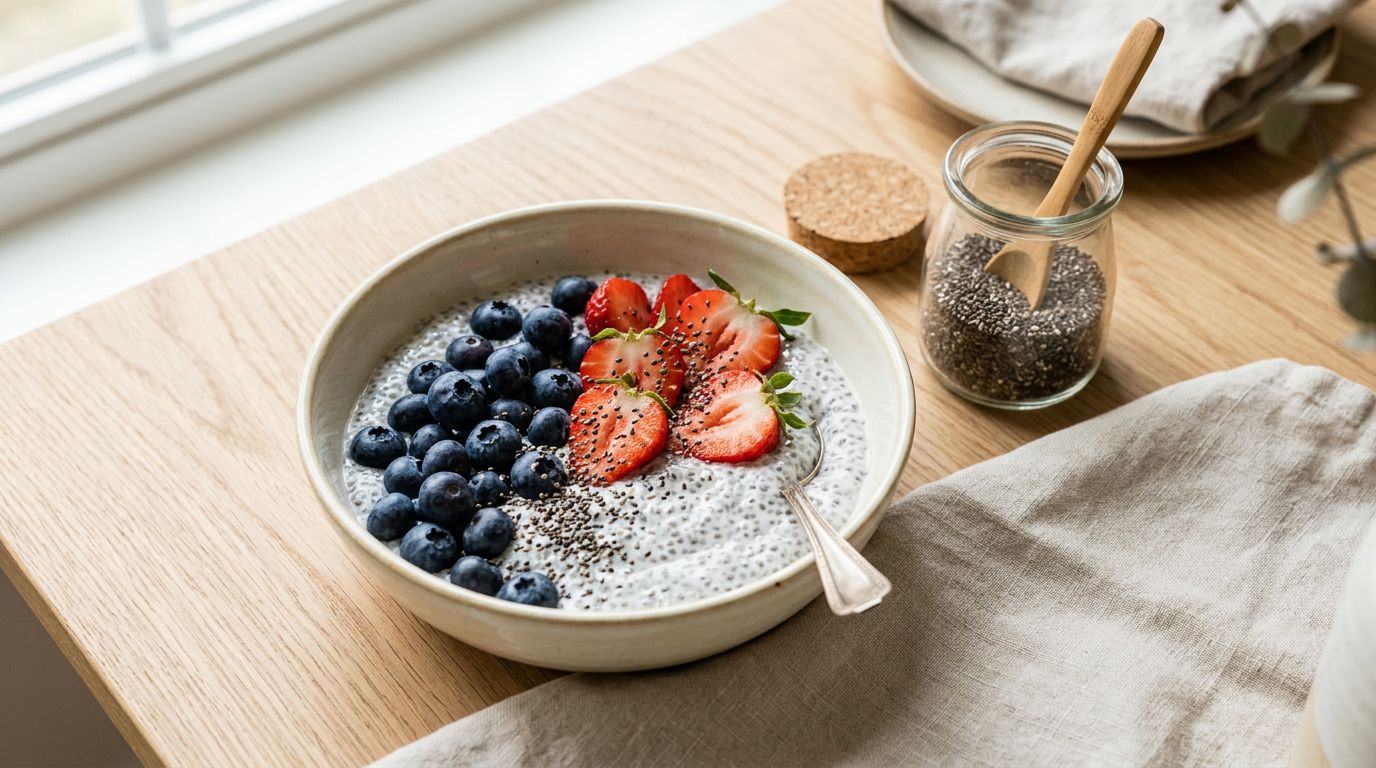
  • Make chia pudding
  • Add to overnight oats
  • Add to avocado toast
  • Swap regular flour for chia flour
  • Have you heard of chia water?

Mix ¼ cup of chia seeds in 4 cups of water. Let it sit for 20-30 minutes, then enjoy. Additionally, you can add some chopped fruit to give it a flavorful addition.

The Bottom Line

  1. While there isn’t a lot of research on chia seeds while pregnant, the general consensus is that consuming chia seeds during pregnancy is safe, and even beneficial to a growing baby.
  2. Chia seeds do contain omega-3’s but even better is their high fiber and mineral content.
  3. Adding them to your diet may even help balance your blood sugars and decrease your chance of developing gestational diabetes.
  4. If you want to start adding them to your prenatal diet, there are many recipes you can try such as chia pudding or simply adding them to your smoothie.
  5. It may take some time to get used to the flavor and texture of chia seeds, but it’s well worth it for all of the powerful benefits these tiny seeds provide.

By Alexa  D’ Orazio, MS, RDN and Ryann Kipping, MPH, RDN, CLEC | Owner & Founder

Posted on

Collagen

What is collagen?

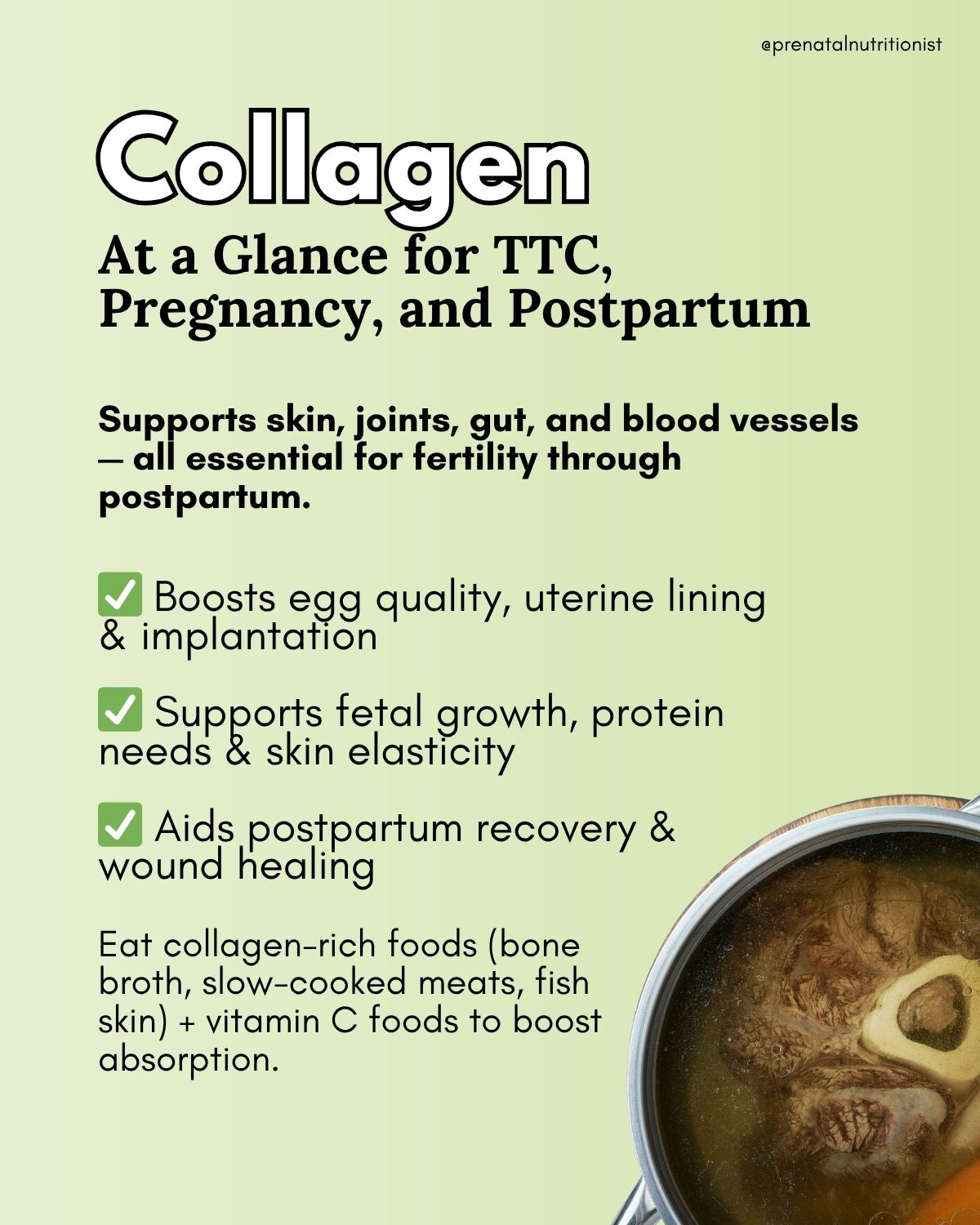
Collagen is the most abundant protein in the body, making up much of your skin, hair, nails, joints, and connective tissues. Glycine, the most abundant amino acid in collagen, works alongside proline to build and maintain these structures, with support from vitamin C and minerals like zinc and copper.

Collagen production naturally declines with age, and certain lifestyle factors can speed up that process. High sugar intake, poor nutrient status, and environmental stressors that cause oxidative damage all interfere with your body’s ability to produce collagen (1, 2).

Although collagen isn’t a complete protein—it lacks the essential amino acid tryptophan—it’s still important to include before, during, and after pregnancy.

What does collagen do in the body?

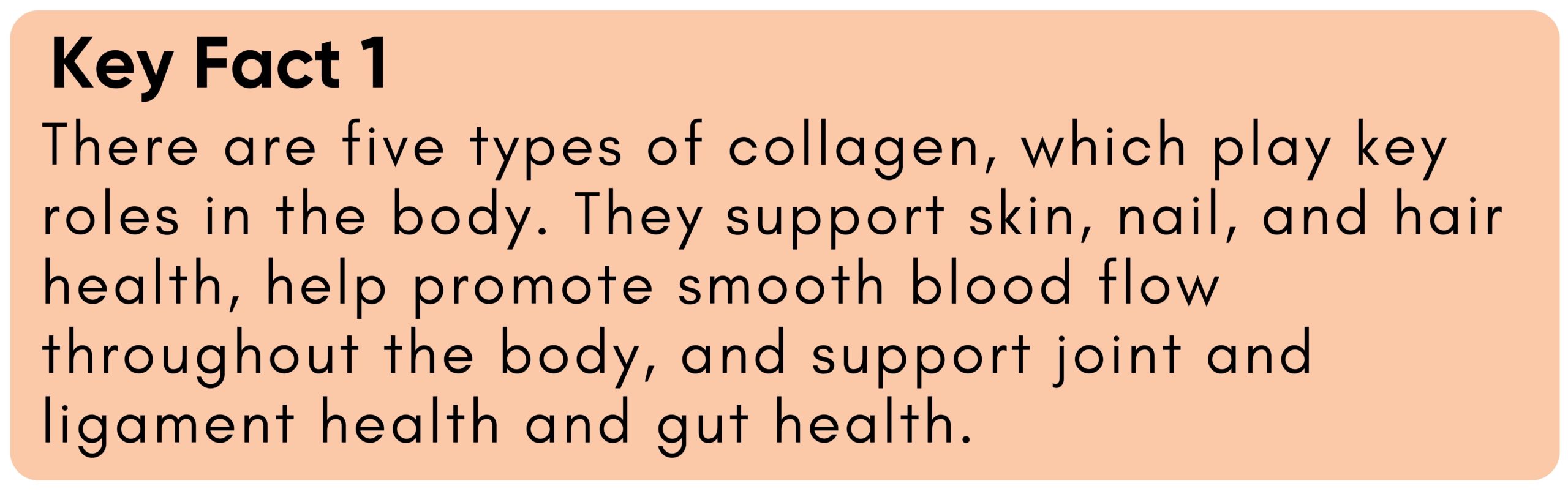
Did you know that there are actually five different types of collagen?! Each type is put to work in a specific part of your body (3):

  • Type I makes up most of the collagen in your body (90%) and acts as a support structure for skin, bones, tendons, and ligaments. 
  • Gives support to joints and is found in elastic cartilage
  • In your organs, muscles, and arteries
  • In layers of skin
  • In your eyes, skin layers, hair, and placental tissue

Let’s look more in-depth at the roles collagen plays in the body:

  • Skin, hair, and nails: Collagen can support skin elasticity and hydration, provide structural support for skin, and protect it from free radicals (4, 5). It may also help nails grow and keep them strong, preventing brittleness and breaks (6). 
  • Joints, ligaments, and connective tissue: Collagen helps build a strong yet flexible structural framework for cartilage, ligaments, and tendons for strong and well-functioning joints (7).
  • Gut lining and digestion: Collagen is critical for supporting your gut lining. It serves as a food source (prebiotic) for good bacteria in your gut (8) and supports its structural integrity. 
  • Blood vessels and circulation: Collagen helps blood flow smoothly to and from the heart and to wounds, improving wound healing (10). 

How does collagen support fertility?

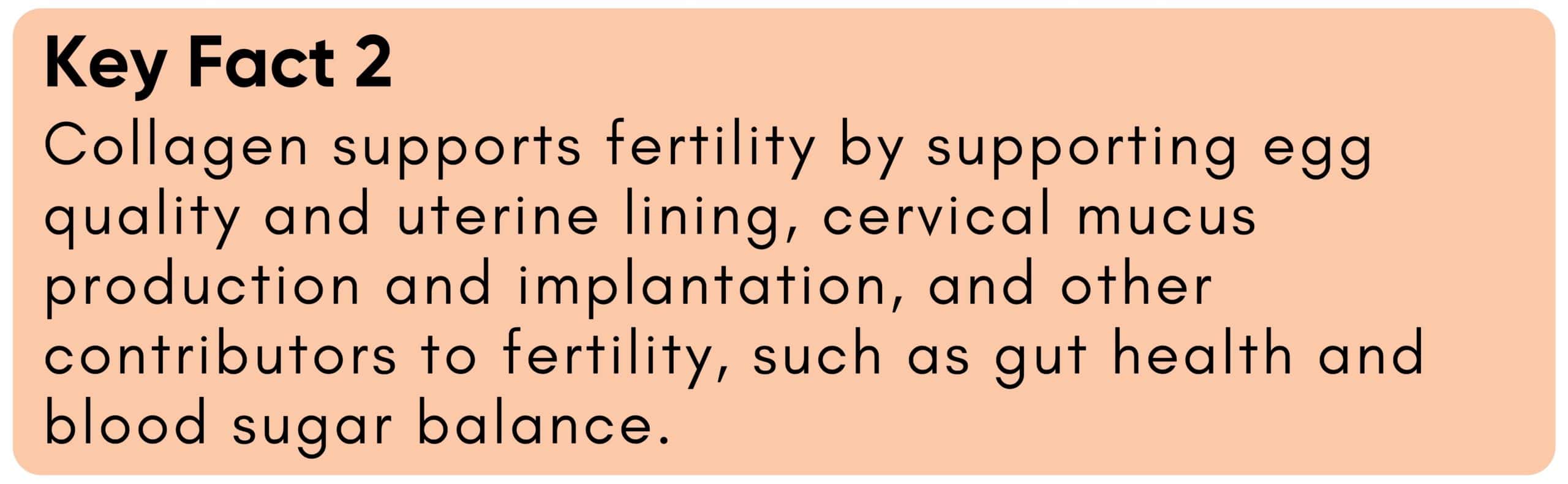
Collagen’s impact on egg quality and uterine lining

Collagen provides the structural protein essential for the integrity of the endometrium and reproductive organs, and supports hormone production and ovarian function (11). Maintaining healthy collagen levels can improve uterine lining thickness for implantation and promote the growth and function of ovarian follicles (11). 

Adequate collagen in the body is also necessary for uterine tissue integrity to maintain a healthy pregnancy (11). 

Supporting cervical mucus and implantation

Collagen helps the uterus be more receptive to implantation and helps the embryo attach (12).

Gut health and blood sugar balance

Collagen supports the integrity of the gut lining, promotes overall digestive health, and regulates blood sugar—two important foundations for fertility (13, 14).

In one small study, supplementing with 20 grams of collagen daily reduced bloating and improved mild digestive symptoms (9). While collagen alone won’t fix poor gut health, getting enough total protein, collagen included, is essential for maintaining a healthy digestive system.

To optimize collagen production, focus on nutrients that help your body make and absorb it effectively. Vitamin C, zinc, and copper are important, so regularly include foods like citrus fruits, seafood (particularly oysters), and red meat.

And finally, eating a variety of animal proteins throughout the day naturally provides collagen and the amino acids your body needs to keep producing it.

How does collagen support pregnancy?

Fetal development

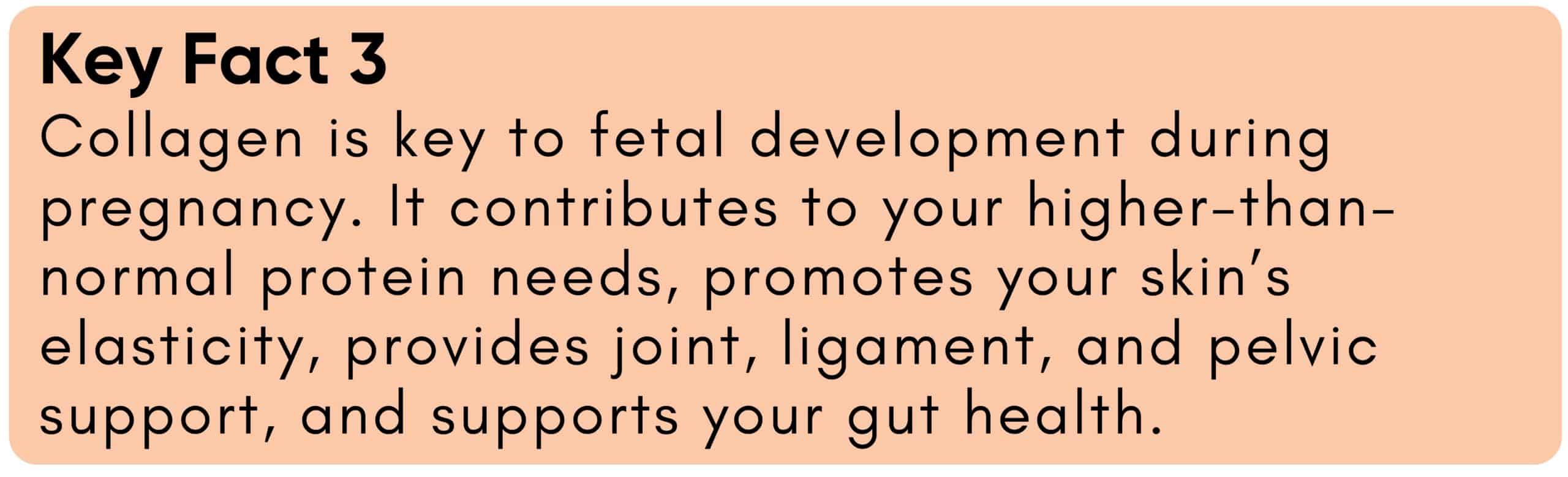
Collagen supports fetal development by providing essential amino acids that help form organs, the skeletal system of bones and teeth, connective tissues, skin, and blood vessels.

Help you meet increased protein needs.

As mentioned, collagen isn’t a complete protein, but it still contributes meaningfully to your overall protein intake, like beans do; they are missing the amino acid methionine. Including collagen-rich animal foods regularly helps you reach your protein target at each meal—around 30 grams for most pregnant individuals.

Because it’s a highly bioavailable, high-quality protein source, collagen supports blood sugar balance, promotes healthy fetal growth, and helps you stay satisfied between meals.

Learn more about your protein needs here.

Promote your skin’s elasticity.

Your skin must stretch and grow a lot to accommodate your growing little one! Collagen can help maintain your skin’s ability to stretch and grow during this time (5).

Joint, ligament, and pelvic support

During pregnancy, the hormone relaxin significantly increases to soften and widen the cervix, expand pelvic bones, and relax ligaments to prepare your body for childbirth (25). However, this can contribute to increased joint instability and pain. 

Studies have found that collagen helps improve joint function and reduce joint pain. Collagen supplementation, in particular, is a well-studied means of supporting joint health by providing structural support, cartilage, and reducing inflammation (15, 16).

Gut health, digestion, and circulation

Since collagen is essential to gut health, it’s important for gut health during pregnancy, when your gut health impacts not just you, but your developing little one (8). 

Supporting your gut health is essential during pregnancy because you’ll pass your gut microbiome balance to your baby. So getting enough collagen is one (of many) ways you can improve your gut microbiome and your baby’s pregnancy. 

How does collagen support the postpartum period?

Protein needs are even higher postpartum than during the third trimester of pregnancy. Whether you gave birth vaginally or via cesarean section, your body is hard at work on repairing torn tissues, restoring skin integrity and muscle recovery, and drawing from nutrient stores if you breastfeed. 

Wound healing (C-section or vaginal tears)

Collagen is part of the extracellular matrix (a network of proteins that surrounds tissues and cells around organs) and is involved in each stage of wound healing. Unsurprisingly, collagen is known to enhance wound healing as it rebuilds skin, aids in the repair process, and significantly accelerates overall wound healing (17, 18, 19, 20). 

Pelvic floor + connective tissue recovery

Collagen is essential for restoring strength to pelvic floor muscles after they are stretched and weakened throughout pregnancy and during vaginal birth. Luckily, collagen can strengthen the pelvic floor again (21). 

Breastfeeding considerations

Not only can it aid in your recovery and contribute to your increased protein needs, but it can also support the growth and development of your infant, synthesize milk proteins, and maximize milk production (22).

What are the best food sources of collagen?

Lots of meats and seafood-related products are great sources of collagen. 

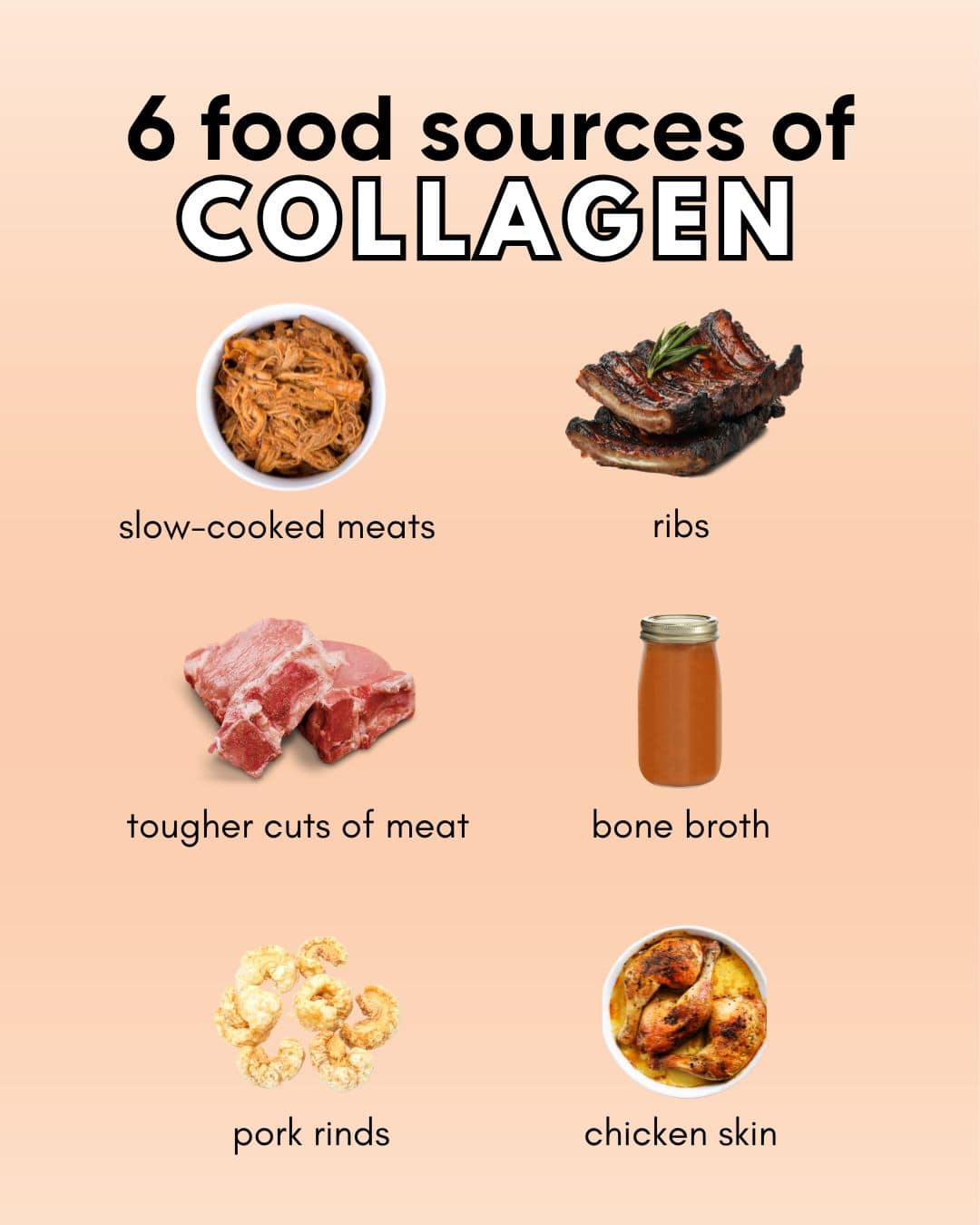
In particular, foods highest in collagen include:

  • Bone broth
  • Fish skin and bones (like canned salmon)
  • Chicken skin
  • Slow-cooked meats
  • Pork rinds
  • Ribs
  • Tougher cuts of meat with bone-in and skin-on, and cook in soups and stews (these are usually more budget-friendly as well)

As mentioned above, vitamin C assists with the use and synthesis of collagen in the body. Pairing collagen—and glycine-rich foods with vitamin C-rich foods can help with collagen synthesis and its role in the body (23). 

Is consuming collagen from supplements as ideal as consuming it from food?

Like most nutrients, it’s best to get collagen from whole food sources whenever possible.

Collagen-rich foods, bone broth, and slow-cooked meats also provide other key nutrients for pregnancy, especially protein, zinc, and iron. Prioritizing these foods helps you meet your increased nutrient needs during pregnancy and postpartum in a more complete, bioavailable way.

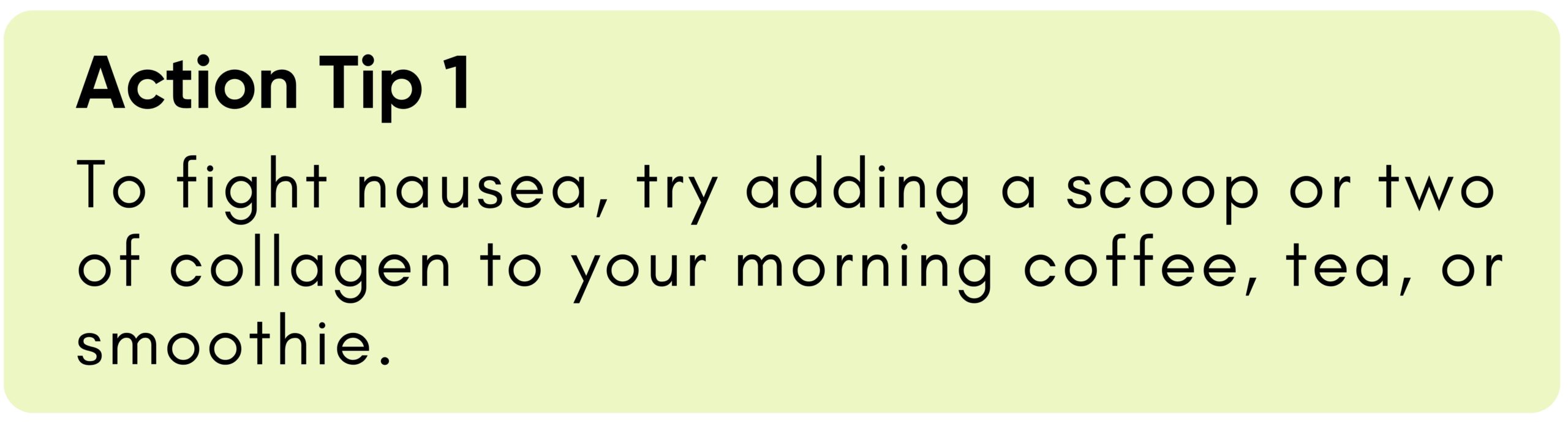
That said, if you’re struggling with nausea, low appetite, or simply need extra support to meet your protein goals, a high-quality collagen supplement can be a helpful addition. Powders or capsules can be an easy “insurance policy” to ensure you’re getting enough to support you and your baby.

Is it safe to consume collagen supplements during pregnancy and breastfeeding?

Generally, high-quality collagen supplements can be consumed safely during pregnancy and breastfeeding (26). Note that the key is high-quality since these are not well-regulated and thus cannot be guaranteed safe, especially during pregnancy. 

Look for reputable brands that contain hydrolyzed collagen or peptides that make the collagen easier for your body to digest and absorb. 

What are the best collagen supplements?

Collagen supplements come in many forms: powders, capsules, liquids, and multi-collagen (sourced from two or more animals). Collagen supplements may be sourced from bovine, marine, or other sources, such as pork, but there is no clear superior contender regarding benefits (24). 

Choose the form of collagen supplement you prefer, which is easiest for you to take. 

Ideally, the supplement you choose will be tested by a third party. It’s also a good idea to buy supplements that specify the absence of heavy metals. It should be apparent on their website and typically the product itself that it has been third-party tested.

Take collagen in the recommended serving amounts. Depending on your needs, collagen is often a supplement that can be consumed 1-3 times daily. 

Some quality options include:

The Bottom Line

  1. Collagen plays a powerful, multi-stage role in your reproductive health—from preconception through postpartum recovery.
  2. Five main types of collagen support your skin, hair, nails, joints, connective tissues, blood vessels, and gut. Together, they help maintain the structure and strength your body needs during pregnancy and beyond.
  3. For fertility, collagen supports egg quality, uterine lining health, cervical mucus production, and implantation, promoting gut health and blood sugar balance. During pregnancy, it contributes to fetal development, supports your growing protein needs, promotes skin elasticity, and helps protect your joints and ligaments.
  4. You can boost your collagen intake by eating foods naturally rich in it—like bone broth, fish or chicken skin, pork rinds, and slow-cooked meats—and pairing them with vitamin C–rich foods such as citrus and broccoli to enhance absorption.
  5. Whenever possible, prioritize food sources of collagen since they come packed with additional nutrients that support pregnancy and postpartum recovery. But if nausea, appetite changes, or higher needs make it tough to meet your goals through food alone, a high-quality collagen supplement can be a helpful addition to ensure you’re getting enough.


Posted on

Copper

When you think about copper, you might think of copper pans and pennies before you consider its role in the diet. What makes this mineral so important for pregnancy? 

Let’s see what the research has to say about copper for pregnancy!

What is copper?

Copper is an essential mineral. That means it is one of 13 minerals that our bodies need for growth and development. Copper is involved in systems and processes all throughout our bodies, and has many roles in different organs (1).  

Did you know copper is present in every single tissue in your body (1)?   This means it’s abundant within a developing baby’s body as well. Let’s talk more about the many roles of copper and where we can find it in the diet.

What does copper do?

Copper is naturally present in some foods and is available as a dietary supplement, though one is not needed or recommended if you are eating a wide variety of foods containing copper.

Copper is involved in everything from gene expression and brain development to immunity, as well as iron absorption and use in the body (2). Copper increases the release of iron from where it is stored in the liver and spleen, which is an important function in preventing anemia (2). 

Copper supports normal blood clotting processes and regulates our blood pressure (2). It also supports collagen production and is in our tissues all throughout our body (2). Copper helps prevent cell damage and helps us use the energy we get from food, and regulates our hormones  (1).

Not getting enough copper can negatively impact cholesterol and glucose metabolism, blood pressure, cardiovascular system, bone health, and immunity (2).

As you can see, copper plays a role in every system in the body! But what is copper’s significance in pregnancy?

Why is copper important for pregnancy?

Copper plays a role in every organ system throughout the body! In pregnancy, copper can help with:

Trying to conceive

Though studies on the impact of copper on fertility at this time are limited, copper has been found to be in significantly lower concentrations among women with infertility when  compared to fertile women (3). Copper concentrations have also been found to be slightly lower in women with secondary infertility problems (3). Maintaining an adequate intake of copper in your diet may help support your health when trying to conceive.

As we will discuss in a minute, it’s also important to maintain sufficient copper stores in the body before conceiving since it plays vital roles in early baby development!

Preventing anemia 

During pregnancy, copper is especially important for helping prevent anemia. As we saw earlier, one of its roles is helping us absorb iron. During pregnancy, the body requires an increased amount of iron for creating hemoglobin, the red blood cell protein which transports oxygen to tissues and to your baby (4).

Higher iron demand and consumption means more copper is needed to meet these demands and help your body absorb and use iron effectively! 

Growth and development

Getting enough copper in pregnancy is important to support new developing tissues in your body, as well as your baby’s body. It is also needed for supporting fetal growth and the lung, skin, bones, and immune systems (4), (5). Therefore, it’s important to make sure you’re getting enough copper in your diet to support early fetal development, which starts weeks even before you realize you’re pregnant!

Brain health

In the brain, copper plays a significant role in supporting normal development, especially in a growing baby, when the brain is being formed (6). Not getting enough copper can affect functioning and increase risk of neurological diseases (6).

Immune system support

Copper plays a critical role in maintaining a healthy immune system and in preventing infection (1). This is especially important in pregnancy, as your immune system is suppressed during this time. 

Copper supports the functioning of your immune cells such as T helper cells, B cells, neutrophils, natural killer cells, and macrophages (7). These cells are all responsible for killing infectious microbes that enter your body. 

Copper is also able to kill many infectious viruses, including bronchitis, polio, HIV, and many other DNA and RNA-related viruses (7). Copper deficiency is linked to having an increased vulnerability to infections, since it can lead to decreased numbers and reduced functioning of cells in the immune system (7). 

An amazing antimicrobial 

Copper is not only effective in killing many different disease-causing organisms inside our bodies, but also on the outside! Copper kills bacteria, fungi, and viruses, including MRSA and VRE, on surfaces (8). This means copper surfaces, like a copper faucet, can kill these and most other germs and viruses upon contact! (8)

Copper exposure is also correlated with improved wound healing, due to its capabilities to facilitate the formation of new blood vessels (9) .

*The possibilities of copper being used specifically in the field of obstetrics and gynecology due to these antimicrobial and wound-healing benefits (such as copper pads being used after childbirth delivery) are currently being studied, though further research is needed!*  (9)     

How much copper do I need?

The RDA for copper between ages 14-18 is 890 mcg and 1000 mcg if pregnant and breastfeeding. If you are over 19 years old, the RDA is 900 mcg, and it’s recommended you consume at least 1300 mcg if pregnant and/or breastfeeding (1).

Though there is an increased need for copper, taking a copper supplement is not recommended when pregnant. If you are concerned you may not be getting enough copper, it’s best to work on eating more foods that are high in copper instead.

Could I be deficient in copper?

Severe copper deficiencies are uncommon, but can occur in cases of malnutrition, or a lack of consumption of foods that are rich in copper (1). 

Copper deficiency can also occur if excessive supplements of zinc and iron are taken (1). This is because copper is used to break down iron in the body and more is needed if more iron is taken, and zinc tends to be prioritized for absorption in the stomach before copper. 

Most prenatal vitamins don’t contain a ton of zinc, so it is unlikely you are overdoing zinc by taking a prenatal vitamin alone.  

Is copper important for postpartum and breastfeeding?

Copper has not been well-studied in relation to postpartum and breastfeeding. Still, given its role in preventing anemia and helping our bodies absorb iron, we can also assume its importance in preventing postpartum anemia (11). 

Copper is also significant for immune support and is associated with improved wound healing and facilitation of new blood vessel formation, which are significant benefits to support your health and healing after giving birth (12, 13). 

How much do I need? 

The RDA for copper while breastfeeding is 1.3 mg/day, a little higher than the recommended amount during pregnancy. 

Where can I find copper?

Some foods that are rich in copper sources include: shellfish, seeds and nuts, beans, dairy, organ meats, whole-grains, and chocolate (1) (yes, another reason to continue enjoying your dark or unsweetened chocolate during pregnancy!). 

Sources of copper in your diet (from most to least) are (1):

  • Beef liver
  • Oysters
  • Unsweetened baking chocolate
  • Potatoes with skin
  • Shiitake mushrooms
  • Cashews
  • Crab
  • Toasted sunflower kernels (the inner “meat” of sunflower seeds)
  • Turkey giblets
  • Dark chocolate, dark
  • Tofu
  • Chickpeas
  • Salmon
  • Whole wheat pasta
  • Avocado
  • Dried figs
  • Spinach
  • Asparagus

Can I get too much copper?

Copper toxicity is rare, especially if you’re healthy and living in a Western country, and when toxicity occurs, it is more commonly due to a contaminated water source (10).

However, chronic exposures to high levels of copper can result in liver damage and gastrointestinal symptoms (such as stomach pain, cramps, nausea, diarrhea, and vomiting) (10). Copper toxicity occurs very rarely in healthy individuals who do not have a hereditary copper homeostasis defect (10).

The recommended upper limit of consumption is 8,000 mcg for ages 14-18, and 10,000 mcg for ages 19 and older (1) .

Copper and gestational diabetes

Some recent studies have found significant associations between excessive copper and impaired glucose metabolism. However, the current evidence establishing a correlational relationship between high copper levels and gestational diabetes mellitus are too limited to draw any definitive conclusions at this time (11).

What about copper pans?

When using copper in the kitchen, it’s important to distinguish between the two types: uncoated copper vs. coated copper. Solid, uncoated copper pots are esteemed for their abilities to conduct heat more efficiently, which ensures even heat distribution when cooking. 

Let’s talk about how this can be problematic: 

  • Uncoated: copper pots, cooking ware, drinking vessels, and storage containers can be dangerous because the copper molecules can seep into your food when cooking it, or when acidic foods break down copper and draw it into the food (10). This could lead to accidental over-ingestion of copper, which could cause copper toxicity. 
  • Coated: copper is lined inside with protective metals, including tin and stainless steel. The lining acts as a barrier to keep copper from seeping into your food. It’s important to note that the coating can become scratched or worn away over time with use, which means you will have to have them relined or replaced. To protect and maintain this barrier, use wooden spoons and spatulas to avoid scratching away at the coating.


The Bottom Line

  1. Copper is present in every organ system and tissue throughout the body, and is involved in functions including supporting heart health, immunity, promoting growth and development, brain health, and preventing anemia. 
  2. Foods rich in copper include: shellfish, seeds and nuts, beans, dairy, organ meats, whole-grains, and unsweetened and dark chocolate. 
  3. Copper pots and pans can cause copper toxicity if they are unlined, but are safe to use if coated with a protective surface inside. Use wooden spoons to avoid scratching off the coating, and replace copper pans once the barrier wears off.

Written by: Claire Gilmore, MSCN, CNS, LDN

Reviewed/edited by: Ryann Kipping, MPH, RDN, CLEC, Owner + Founder

Posted on

Spirulina

Spirulina is a supplement that has been around for a long time. You may recall its popularity from the mid-2000s when it seemed everyone was taking it.

There are many purported health benefits, but is spirulina during pregnancy safe? Could it even provide benefits for pregnant women? Let’s take a look.

What is spirulina?

Spirulina comes from blue-green algae, or cyanobacteria, that grows in fresh and saltwater (1).

It’s an extremely popular supplement that’s recognized worldwide as the “ultimate superfood.” Spirulina is reported to increase energy, improve your mood, have potent antioxidants, and potentially help prevent heart disease, non-alcoholic fatty liver disease, and cancer (2, 3, 4).

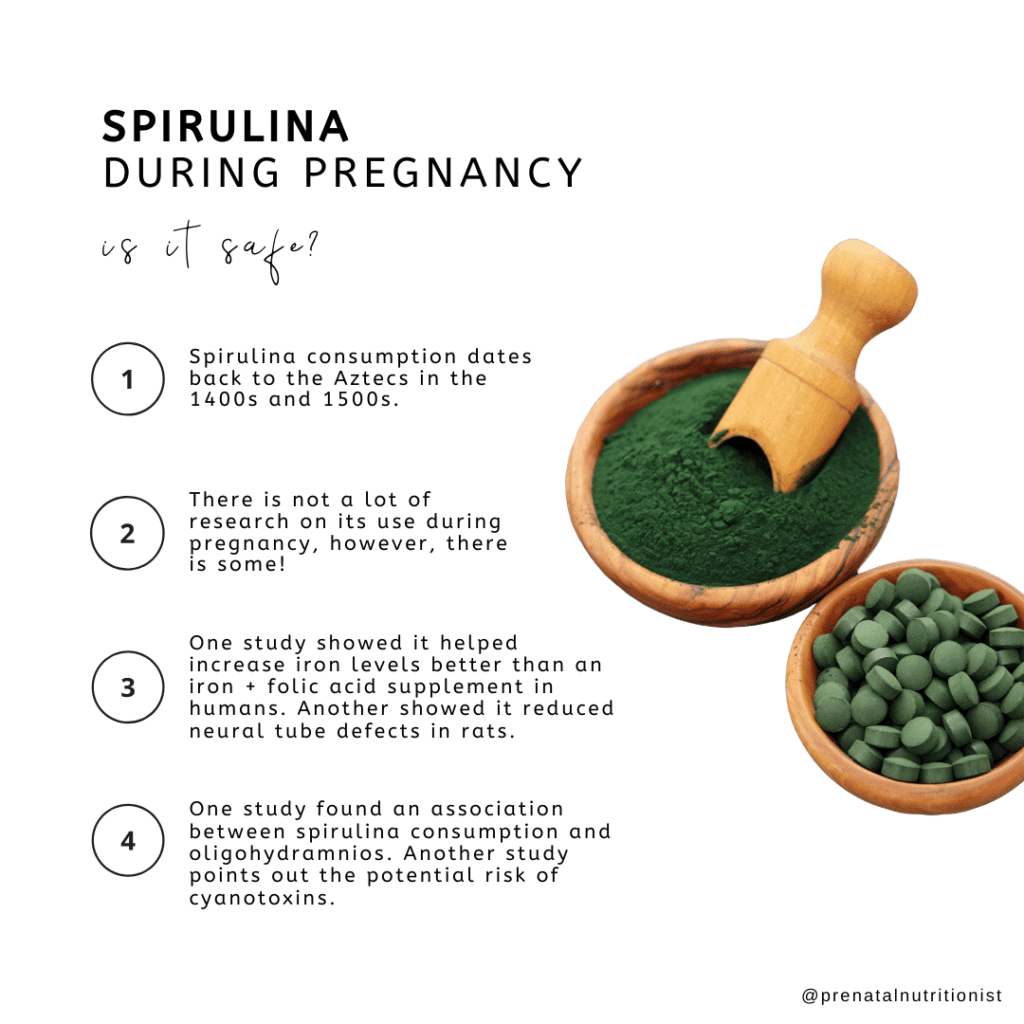
Spirulina consumption dates back to the Aztecs in the 1400s and 1500s but is said to be more than 3.5 billion years old. The Aztecs would harvest spirulina, dry it, then mix it with other foods they ate (5).

The legend is that emperor Montezuma liked to eat fish and would send his followers hundreds of kilometers away from home to the ocean to catch the fish the emperor liked. And, spirulina was the food that kept them energized for the long haul.

Is spirulina safe during pregnancy?

There is not a lot of research done with spirulina investigating the effects it has on pregnant women, but there are a few articles that touch on the benefits and the risks that we will discuss throughout this article.

Studies in mice are promising, as they tend to show positive effects of spirulina during pregnancy.

In 2012, a study was published that demonstrated protective effects that spirulina’s antioxidants had on a certain type of neural tube defect that can occur in pregnant humans and mice (6).

Another study done in sub-Saharan African women who were pregnant saw an improvement in anemia status when they consumed spirulina in the third trimester of their pregnancies (7).

They actually found that taking spirulina was more effective than taking an iron and folic acid supplement. It was also noted that no adverse side effects were seen when the women took 1500 mg/day of spirulina in tablet form.

In a separate study with rats in 1998, the investigators found a higher iron storage level than that of the control group (8).

The evidence that is available is promising, but most of the studies have been done in mice, with few being completed in humans, especially pregnant women.

Of the studies that were promising, it seems that spirulina was mostly given or taken during the third trimester of pregnancy, which produces the least severe potential birth defects.

Nutrient breakdown

6 tablets, each 500 mg of spirulina

  • Energy: 10 kcal
  • Protein: 2 g
  • Calcium: 20 mg
  • Iron: 1.8 mg
  • Sodium: 40 mg
  • Vitamin B12: 3.6 ug
  • Vitamin A: 7000 IU

All data provided by the USDA nutrient database.

Benefits of spirulina during pregnancy

Antioxidants & anti-inflammatory properties

The main component of spirulina is phycocyanin, which also gives spirulina its blue-green color. Phycocyanin is an antioxidant that helps fight free-radicals and inhibits inflammation.

Other researchers suggest spirulina can protect against oxidative stress and boost our immune system to help prevent many chronic health conditions (9, 4).

Iron

Phycocyanin also contributes to red blood cell production, which makes it popular among research studies to investigate the effects of spirulina (and phycocyanins) on the capabilities of algae during pregnancy and iron level changes.

Your body uses iron to make hemoglobin, which carries oxygenated cells throughout your body. When you are pregnant, you need more iron to accommodate your growing baby, and your growing body (10).

If you do not consume enough iron, then you could be at risk for developing iron-deficiency anemia.

When you have iron-deficiency anemia, you may notice you are fatigued and feel weaker than usual. You may also experience cold hands and feet and pale skin. Severe anemia has the potential to cause premature birth, low birth weight, and postpartum depression (10).

Iron can be found in meat, like chicken and beef, and can also be found in plants, such as cooked spinach and collard greens.

Protein

Two tablespoons of spirulina powder have 6 grams of protein, according to the USDA nutrient database (11).

Protein is vital to consume while you are pregnant. Protein helps your baby grow, especially his or her brain. It also plays a role in expanding your blood supply and growing your breast and uterine tissue.

Protein can be found in plant and animal-based foods, such as fish, chicken and other meats, nuts, peas, and beans.

As a plant-based protein, spirulina can contribute to protein and iron needs for those following a vegetarian diet during pregnancy.

Are there risks to consuming spirulina during pregnancy?

Oligohydramnios

In Malaysia, researchers found an association between women who took spirulina during pregnancy and a lower than normal amniotic fluid volume for gestational age, called oligohydramnios (12).

Amniotic fluid is vital for your baby’s development and can cause birth defects, low birth weight, and miscarriage (13).

Toxin exposure

While spirulina is not likely to harm you, it should be noted that sometimes microcystins can infiltrate this superfood as well as some heavy metals (2, 14).

However, it will make you feel better knowing a study completed in 2013 tested 25 different spirulina products and found that all 25 were within safe limits of toxic load. The most plentiful metals were Zinc and Nickel which are substantially less toxic than other metals like lead and arsenic (14).

Microcystins, on the other hand, cannot be broken down once ingested and can cause serious liver damage (15). A separate study in Montreal in 2016 tested cyanotoxin content of 18 brands and found that 8 contained some level of cyanotoxins, 4 were contaminated with microcystins, specifically (2).

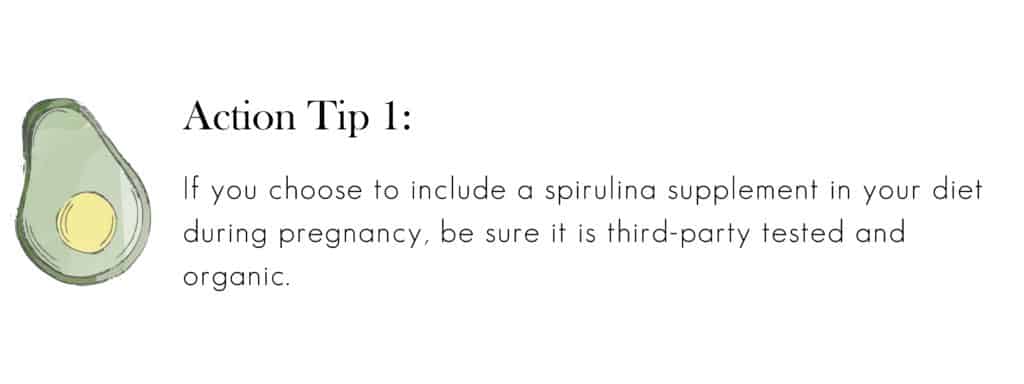
In agreement with the researchers, product quality assurance is important. Find a high-quality product that is third-party tested for purity and potentially organic.

How to include spirulina in your diet

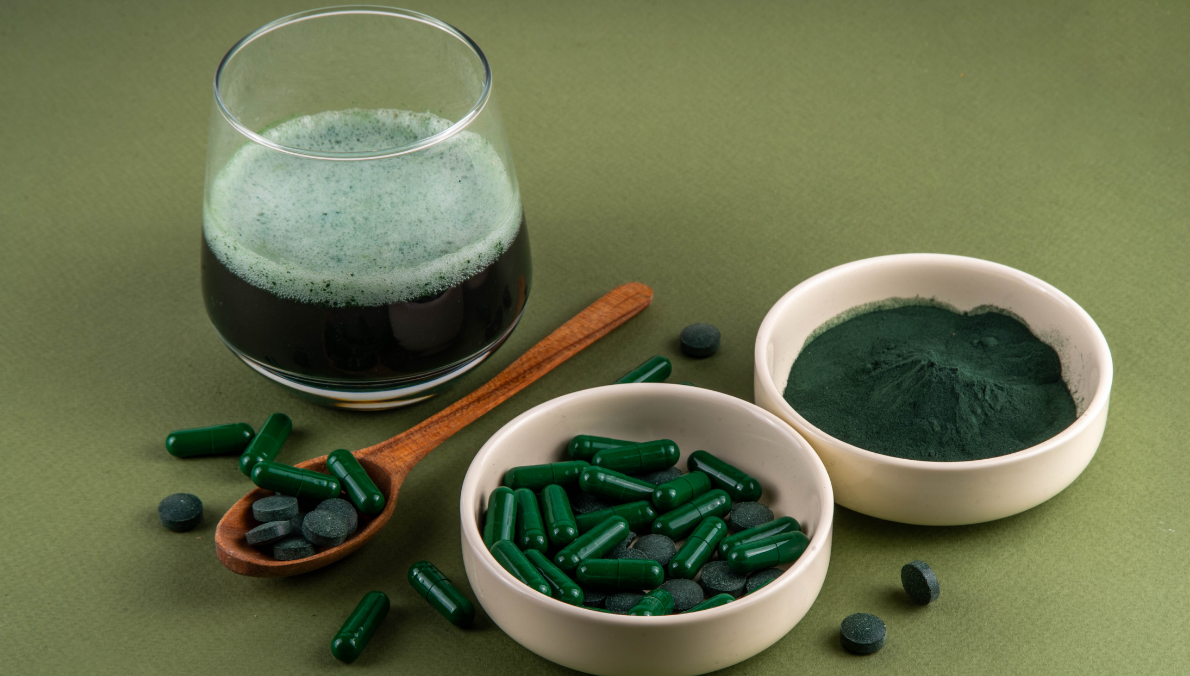
With the potential benefits of spirulina being increased iron levels and an extra punch of protein, you may be interested in taking it as a supplement, which is available as a tablet or powder.

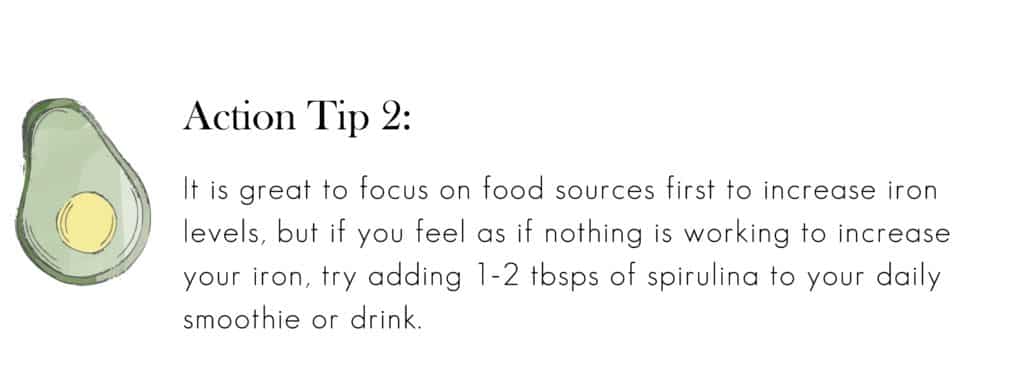
The most popular way to add it to your diet is perhaps in your favorite smoothie, but you can also mix a spoonful into your water and drink it as is.

The Bottom Line

  1. Since the evidence is scant regarding the potential benefits and detriments of consuming spirulina while pregnant, it is best to speak with your doctor or dietitian regarding the safety of its consumption with your unique situation.
  2. With its promising effects on iron levels, spirulina may be a beneficial choice if you are experiencing anemia. It may also be a good addition to your diet if you are vegetarian.
  3. Again, be sure to discuss adding spirulina to your diet during pregnancy with your doctor or dietitian to be sure it is safe for you and your growing baby, especially if you are planning to forgo the iron capsule.
  4. As researchers P B Persson and A Zakrisson say it, spirulina may be an easy, cheap protein source, but people are stretching the truth by labeling it a “superfood” (16).
  5. Buy spirulina from a reputable brand, or store, that participates in third-party testing. This is the best way to ensure you are receiving a high-quality product that is free of any harmful toxins.