Posted on

1st Trimester Foundations: Start Here

The first trimester is about stability and often, survival.

Your appetite, energy, and digestion may all change quickly. That’s normal. 

The goal right now is to:

  • Stay hydrated
  • Keep food down
  • Cover the most important nutrient bases
  • Reduce common symptoms

You do not need to eat perfectly to have a healthy pregnancy. It is okay if you are eating fewer whole foods and more carb-heavy options right now. 

If you are experiencing nausea and vomiting, remember, it is temporary.

How much to eat in the first trimester

In the first trimester, you typically don’t need extra calories, but you often do need more frequent eating. There’s no set calorie goal and we don’t recommend tracking.

Instead, focus on:

  • Eating every 2–3 hours if nausea hits when your stomach is empty
  • Building meals/snacks with protein, fat, fiber, and flavor when you can
  • Eating until you feel comfortably satisfied

Your intake may change day to day. That’s expected. The most important thing is tuning into your body and following its cues.

What if I don’t feel bad?

Not everyone experiences nausea, vomiting, or strong food aversions in the first trimester — and that’s completely normal, too. 

If you’re feeling okay, this is a great time to:

  • Build steady, balanced meals
  • Focus on variety when it feels easy
  • Start incorporating more nutrient-dense foods

You don’t need to “eat for two,” but you can use this window to support your body with consistent, well-rounded meals.

If you’re feeling good, focus on:

  • Regular meals and snacks (don’t skip just because you can)
  • A mix of carbs, protein, fat, and fiber at most meals
  • Including foods from the Top Foods: First Trimester list (on the previous screen) when possible
  • The 3 foundations below, still 

If symptoms show up later, you can always shift to a more nausea-focused approach. Flexibility is part of the plan.

The 3 Foundations That Matter Most

These are the only four things we want you to focus on first.

1. Fluids (Hydration First)

Why it matters:
Hydration needs increase in pregnancy, and dehydration makes nausea, headaches, constipation, and fatigue worse.

Start here:

  • Aim for pale yellow urine most of the day
  • Use whatever fluids work: water, sparkling water, electrolytes, coconut water, soups, smoothies, juice, tea, or milk
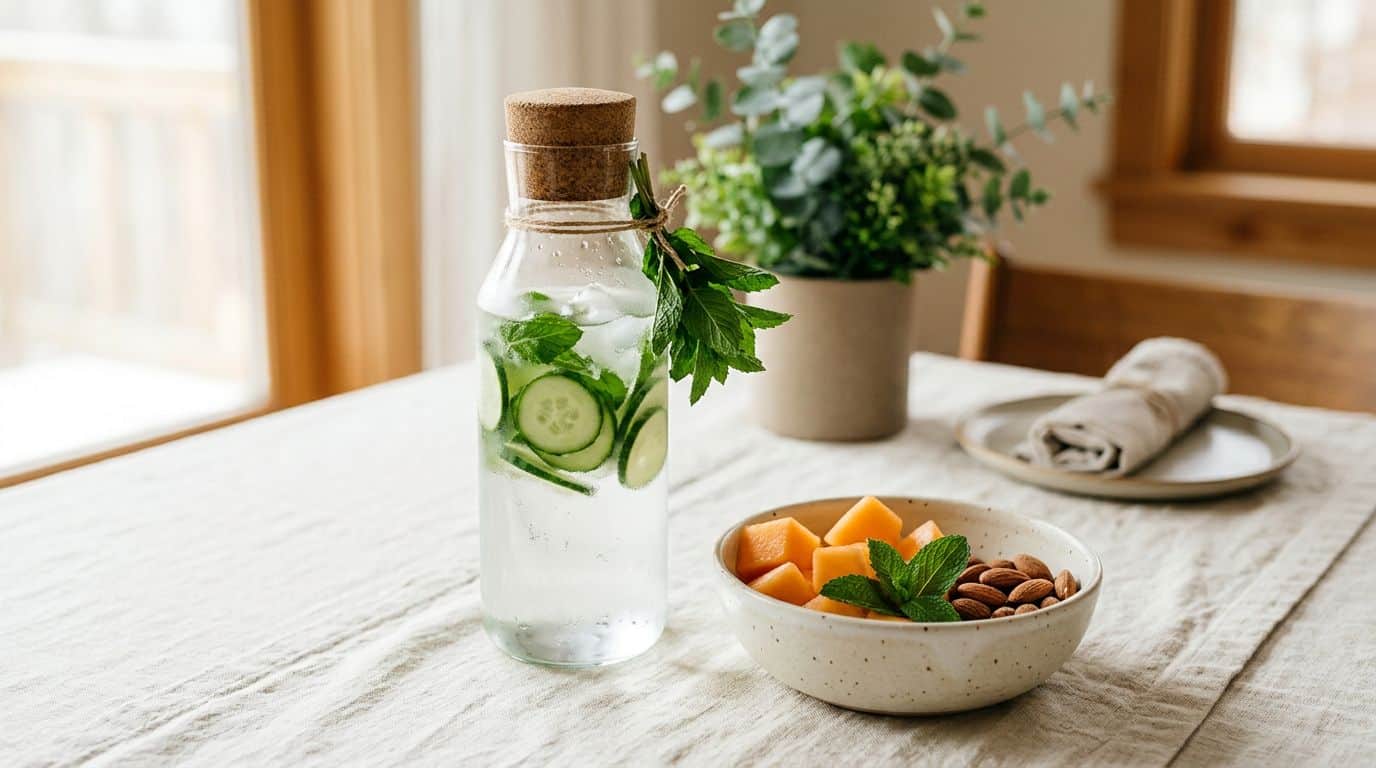
  • If water tastes bad: add lemon, use a straw, try it cold or warm, add fruit and herbs like mint, add a flavor packet, or try a different type 

If you are:

  • Vomiting 
  • Fatigued
  • Constipated
  • Diarrhea-ing 

You’ll likely benefit from adding electrolytes. This can be as simple as drinking coconut water or making one of our mineral mocktail recipes. There are also many premade electrolyte packets — see our comparison chart in the electrolyte note.

Explore more:
Fluids & Hydration

Coconut Water

Mineral Mocktails

Smoothies

Tea

2. Eat What You Can Tolerate (Then Upgrade It)

Why it matters:
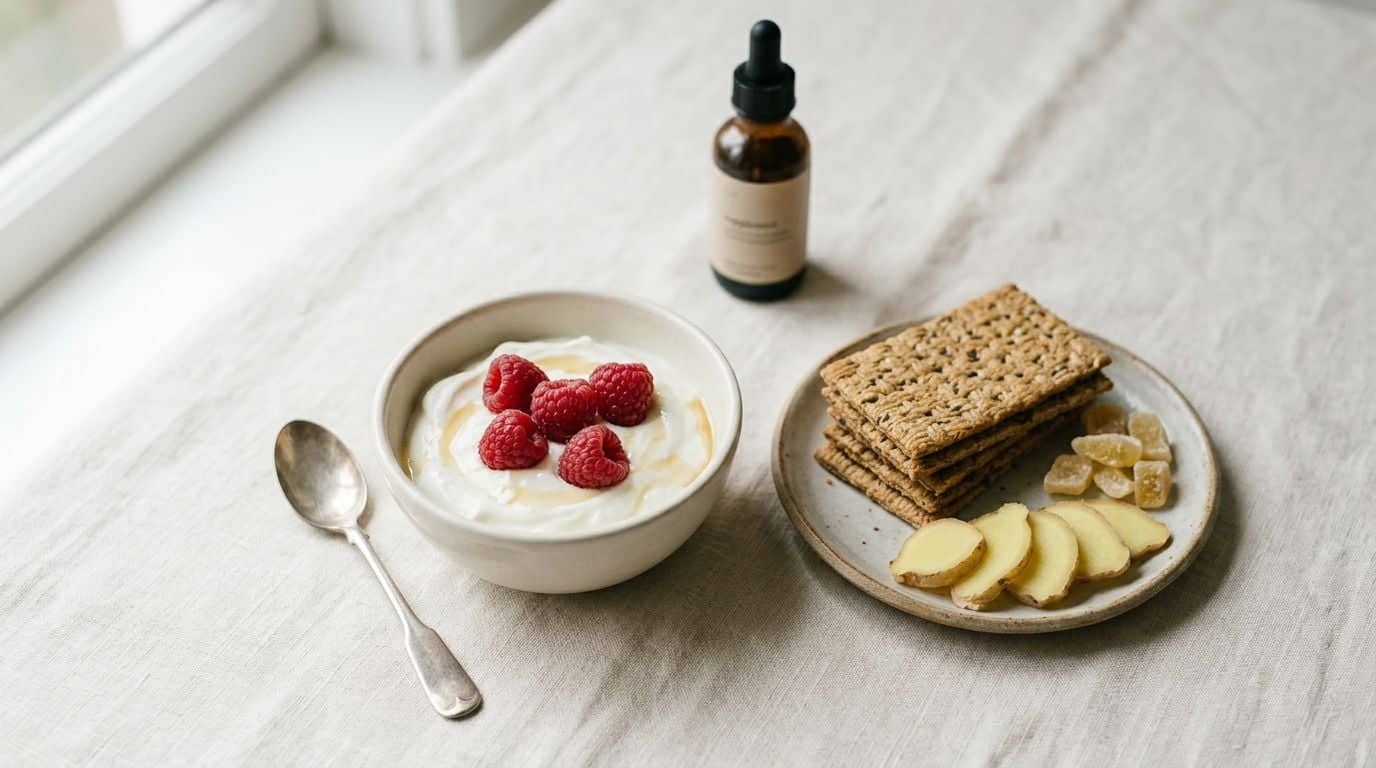
Some calories are better than none, so it is important to eat whatever you can keep down for now. Even though sometimes it feels hard, adequate nutrition can help your nausea. 

Start here:

  • Eat every 2–3 hours (an empty stomach makes nausea worse)
  • Be prepared with snacks, especially when you leave the house 
  • Build a safe foods list (5–10 foods you can reliably keep down) to keep in your house and on your grocery list
  • Cold foods often go down easier because they don’t often have as strong of smells 
  • Don’t force foods that are making you gag

Then, when possible, upgrade:

  • Add protein or fat to carbs (“carbs with friends”)
  • Try eating your carb first to “settle” your stomach, then eat your protein/fat
    • Examples: toast + eggs, crackers + cheese, fruit + yogurt, cereal + milk
  • Use protein-forward versions of familiar foods (protein waffles/pancakes, protein cereal, baked oats with yogurt or collagen, muffins made with yogurt or collagen)

Explore more:

The Full Morning Sickness Relief Guide 

Hyperemesis Gravidarum

Food Aversions Help

Gas & Bloating

Ginger

Vitamin B6

Collagen

Protein powder

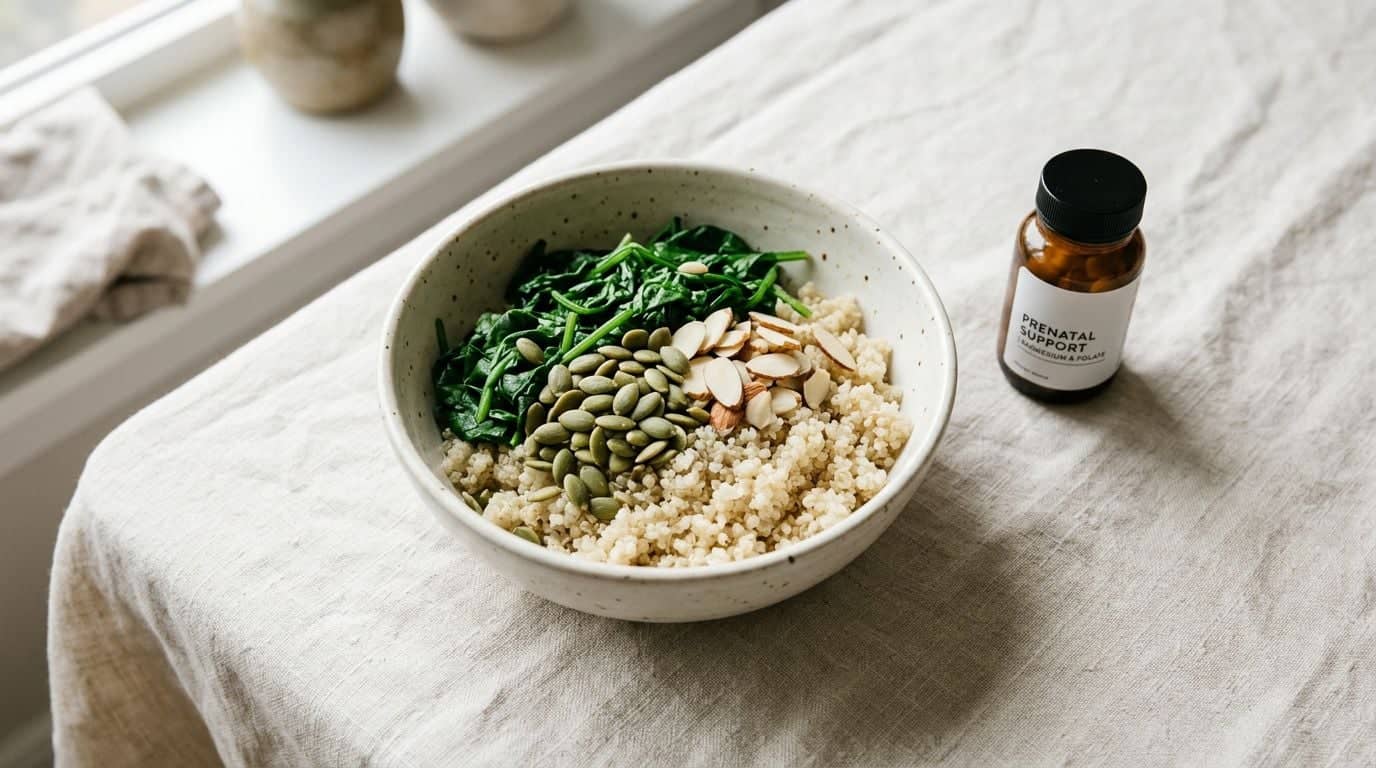
3. Folate + Choline (Early Development Support)

Why these matter:
Folate and choline are critical in early pregnancy, when the neural tube, brain, and nervous system are forming. Folate gets most of the attention but choline is just as foundational and often under-consumed.

You do not need to calculate and hit perfect numbers every day. Consistency matters more than perfection.

Folate (Vitamin B9)

  • Pregnancy needs: 600 mcg DFE/day
  • Start-here goal: aim for 2 folate-rich foods/day (plus, your prenatal)
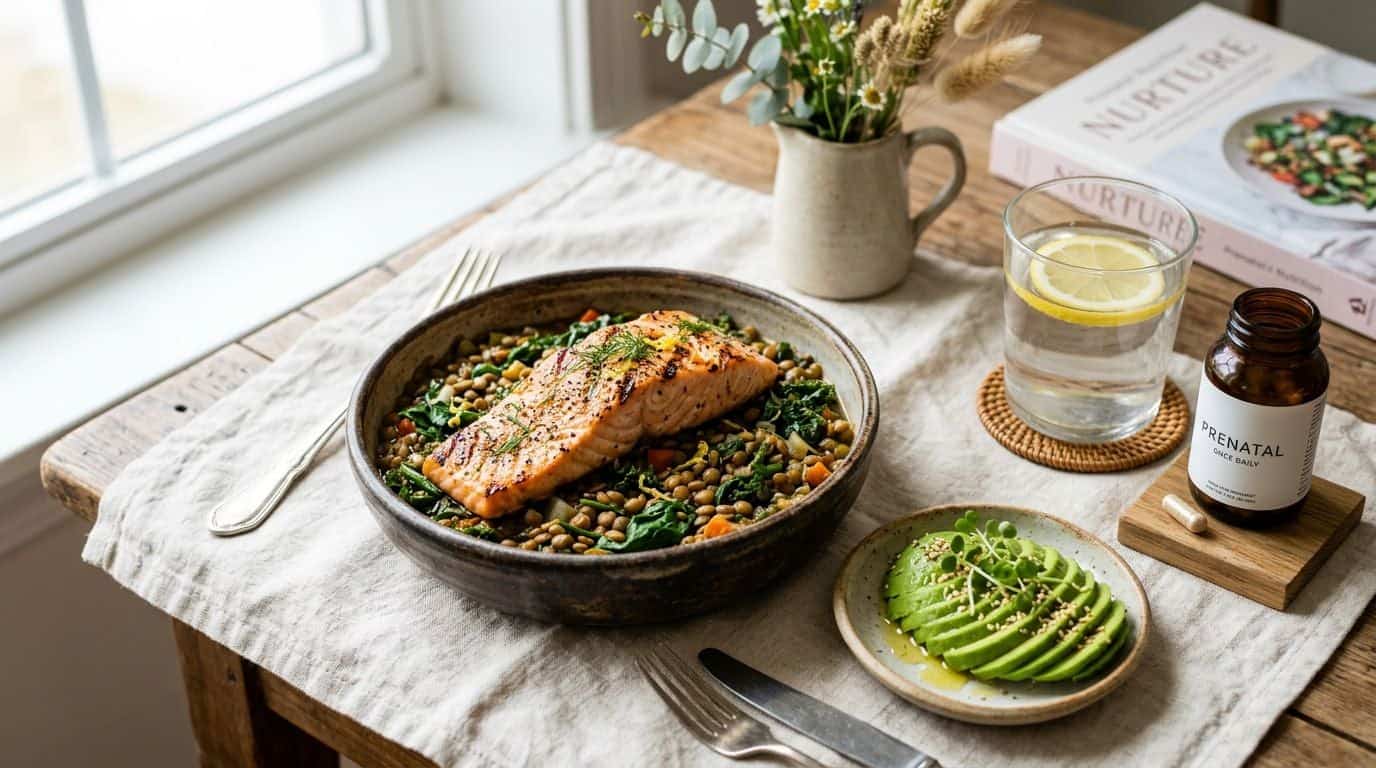
  • Top food sources: spinach, asparagus, legumes (lentils/beans), avocado, fortified cereals/grains, strawberries

→ Learn more: Folate

Choline 

  • RDA in pregnancy: 450 mg/day
  • Emerging research target: ~930 mg/day may be even more supportive (think of this as a helpful higher target, not a daily perfection standard)
  • Start-here goal: include 1–2 choline-rich foods/day (plus, your prenatal)
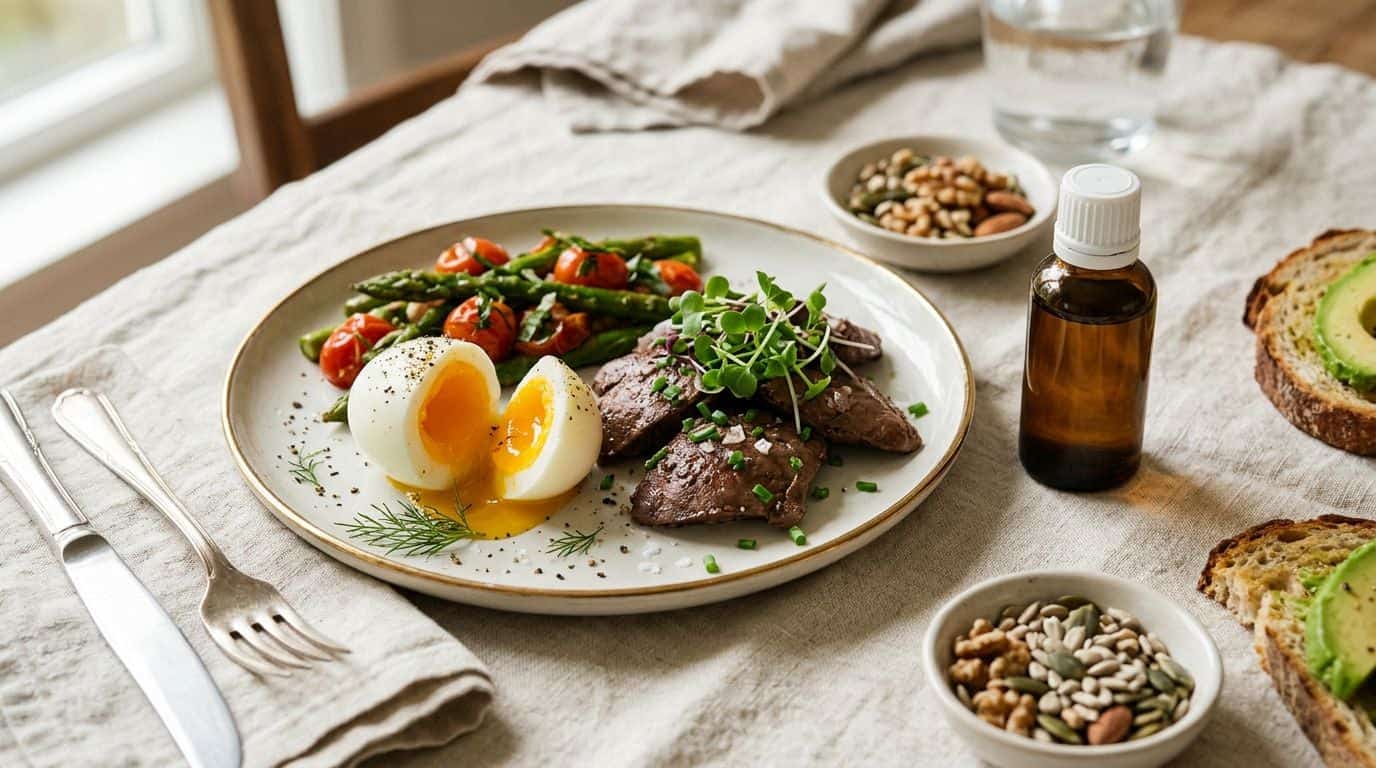
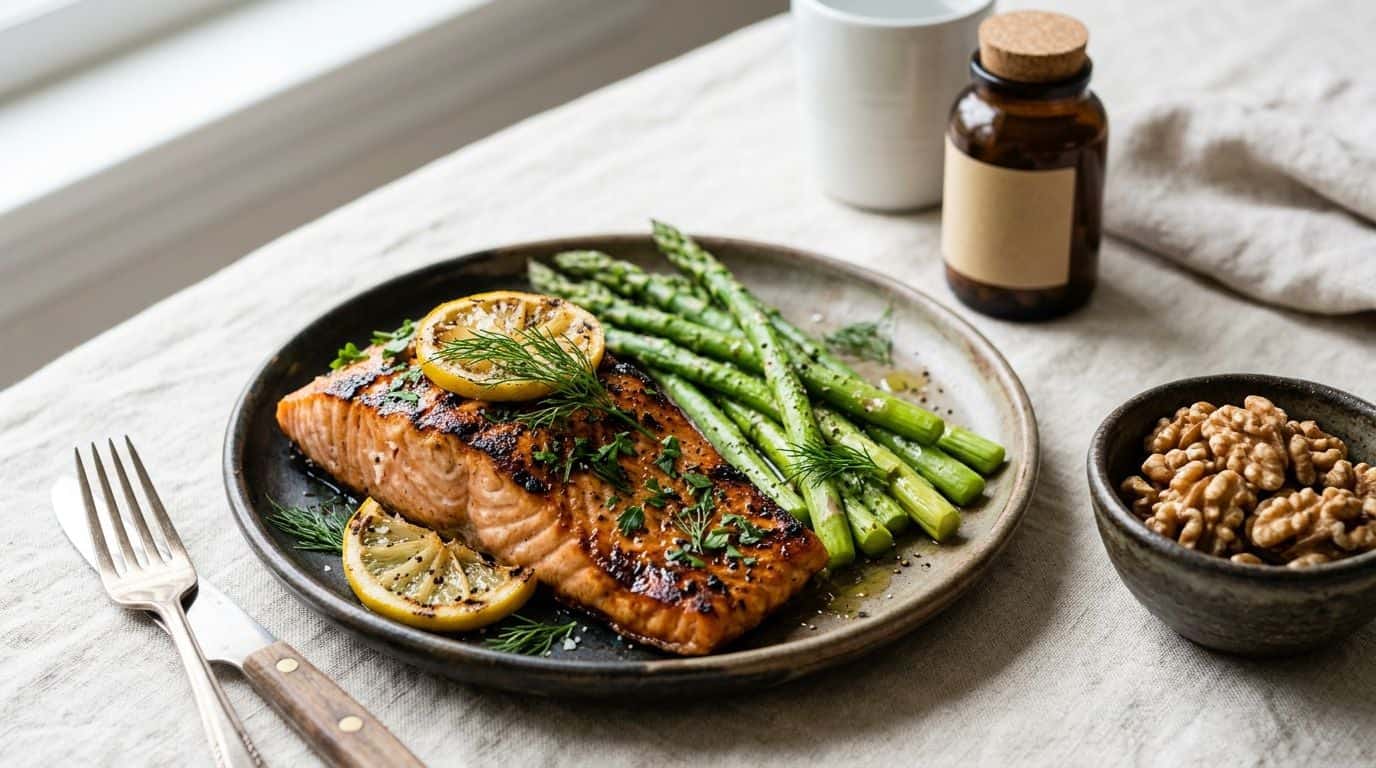
  • Top food sources: eggs (yolks), beef liver, beef, pork, salmon, soy beans/edamame, Shiitake mushrooms, red potatoes, dairy, wheat germ 

→ Learn more: Choline

If nausea is making this hard

That’s okay.

  • Smoothies, soups, fortified grains, and simple meals still count
  • Your prenatal helps bridge gaps while intake is unpredictable
  • We can optimize variety later as symptoms improve

Explore more

The Prenatal Vitamin Guide

Folate

Choline

Essential Pregnancy Foods

What to avoid

You don’t need to memorize a giant list. The foods to avoid is a much smaller list than you would think. 

Food safety

  • Basic food safety principles such as hand washing, a clean kitchen, cooking foods to appropriate internal temperatures, and washing all produce thoroughly.
  • The foods that cause the most food borne illness outbreaks are pre-cut and individually packaged items, raw shellfish, produce, raw sprouts, in general. 

Explore more:

Food Safety in Pregnancy

Deli Meats

Soft Cheeses

Fish

  • Avoid high mercury fish
  • Avoid raw shellfish

Explore more:

low mercury fish

mercury

Tuna

Cod

salmon 

crab

sushi

Caffeine

  • Avoid excessive intake
  • For most, 1 cup or 150 mg of caffeine per day is okay

Explore more:

Coffee Alternatives

Caffeine in Pregnancy

 Avoid list 

First Trimester Supplements

Everyone: 

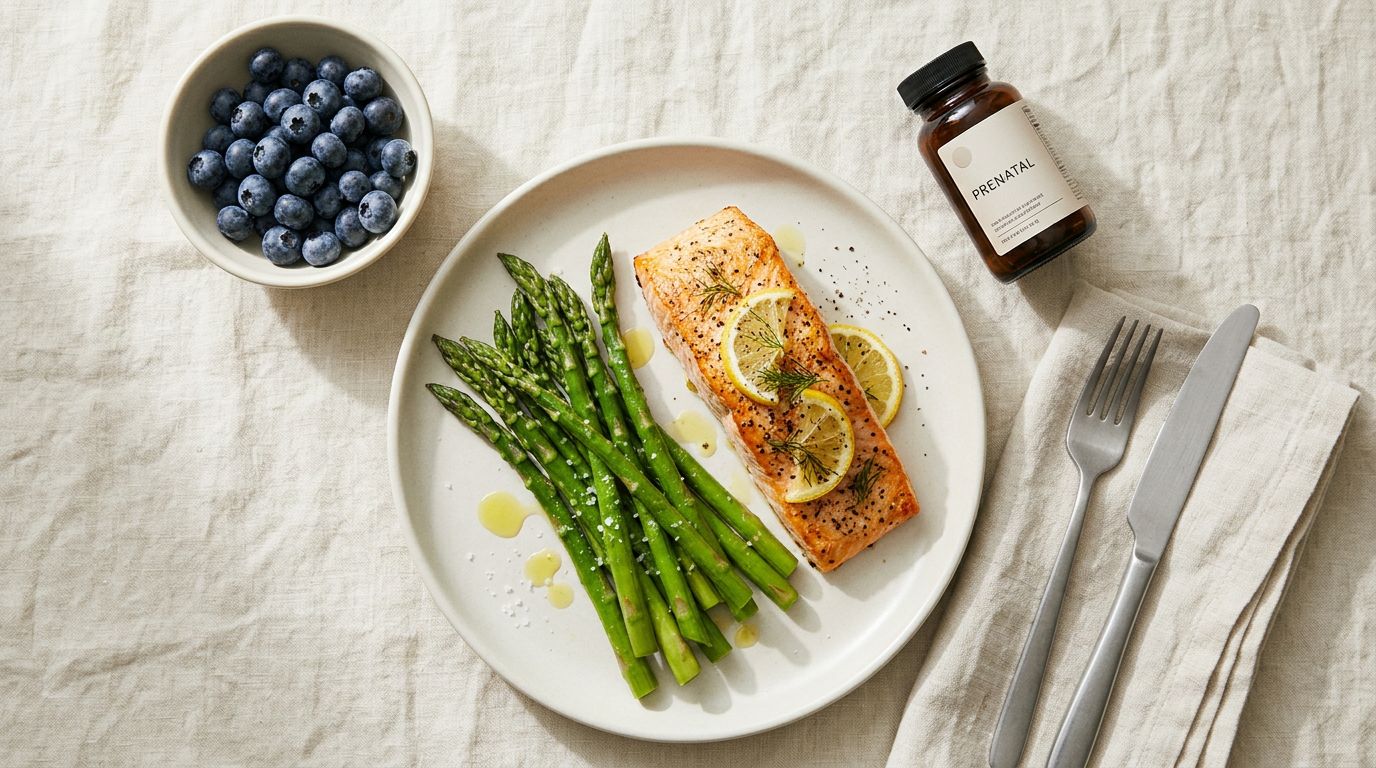
Prenatal vitamin

To consider:

Omega-3’s – if you do not eat fish

Vitamin D – if you’ve tested, and your levels are low

Probiotics – if you do not eat fermented foods 

Magnesium – if your prenatal vitamin has little to none or if you have specific symptoms that warrant more magnesium 

Iron – if you’ve tested, and your levels are low

Inositol – if you have PCOS or are at increased risk of gestational diabetes

Using Recipes & Top Foods in the App

  • Recipes tagged “First Trimester” are designed to support early pregnancy needs
  • Recipes tagged “Good for Nausea” focus on gentle, easy-to-tolerate options
  • At the top of each trimester learning hub, you’ll find the Top Foods for that trimester — use these as inspiration, not necessarily a “checklist”
  • Start with what sounds good today, then build from there.

When to Get Help 

Talk to your provider if:

  • You can’t keep fluids down
  • You’re losing weight rapidly
  • You feel dizzy or faint often
  • You suspect HG

The Big Picture Reminder

First trimester can be really hard.  Your job right now is not to be the pillar of perfect nutrition. Your job is to eat consistently and keep food down. 

Questions about your first trimester?

Go to “Ask an RD” (search it or post your question there) or book a Quick Question Call 

Posted on

Chia Seeds

Have you been wondering if eating chia seeds while pregnant is beneficial to you and your baby?

Chia seeds come from a desert plant, from the mint family, called Salvia hispanica. You may know them for their dark, black color, and all of the fun recipes that chia can be incorporated into (chia pudding, anyone?).

While pregnant, you’re doing everything you can to make the healthiest choices possible for you and your growing baby. Let’s sort out the facts about chia seeds and pregnancy!

Are chia seeds safe during pregnancy?

Chia seeds are safe to eat during pregnancy and, like many other whole grains and seeds, contain numerous beneficial nutrients for pregnancy, which will be discussed more below.

What food group are chia seeds in?

Chia seeds are unprocessed, whole grains, and are the seed of the flowering plant Salvia hispanica grown in several Latin American countries, as well as Australia. Legend has it that ancient warriors attributed their strength and stamina to this tiny seed (1).

Chia seeds are either white or black in color, but you may be used to seeing the dark chia seeds in your local grocery store. There is no nutritional difference depending on the color of the chia seed, unless it is brown, which means it is not ripe.

They are 9% water, 46% carbohydrate (mostly fiber), 34% fat, and 19% protein (2).

These little seeds pack a plentiful nutrition punch. They are considered to be a complete protein source, which means chia seeds contain all nine essential amino acids (3).

Amino acids are the building blocks for protein, and essential amino acids are so important to obtain from your diet because your body cannot make them.

Protein is important during pregnancy as it helps your baby grow (4). Protein needs vary person to person and your needs continue to increase as you move throughout pregnancy (5).

A woman who weighs around 150 pounds, needs close to 80 grams of protein per day in early pregnancy.

Nutrient breakdown

1 Tablespoon (13 grams) Chia Seeds

Energy: 60 calories

Carbohydrates: 5 g

Fat: 4 g

Protein: 2 g

Fiber: 4 g

Calcium: 80 mg

Iron: 1.08 mg

Cholesterol: 0 g

All values provided by the USDA nutrient database

Benefits of chia seeds during pregnancy

Omega-3 fatty acids

Chia seeds are an excellent source of omega-3 fatty acids, containing 7 grams per 1 tablespoon.

Most of the omega-3 fatty acids in chia seeds are ALA (alpha-linolenic acid), which exerts antioxidant and anti-inflammatory effects (6).

ALA is a type of omega-3 fatty acid, just like DHA, however, they are not equivalent in function.

DHA is a crucial nutrient in the development of your baby’s brain and has been studied quite a bit in relation to cognition after birth (7).

ALA is converted to DHA but at a very poor rate. Therefore, you still need to get DHA in your diet from sources that contain DHA directly, like fish (8).

Most experts agree DHA is the most important omega-3 and we know this is true during pregnancy. But, not to worry, chia seeds have other benefits besides containing high amounts of ALA.

Fiber

Chia seeds contain a unique blend of soluble and insoluble fiber, so they can be beneficial in alleviating pesky gastrointestinal (GI) issues, like constipation.

The high fiber content coupled with protein may even help reduce your risk of developing gestational diabetes (9). With guidance from your dietitian or doctor, chia seeds may also make a great diet addition if you have been diagnosed with gestational diabetes (2).

One study suggests chia seeds can help mitigate the adverse effects a high sugar diet has on our health from during pregnancy to adulthood (10).

Mineral content

Lastly, chia seeds are high in a variety of minerals important for pregnancy such as iron, calcium, magnesium, zinc, and phosphorus.

They also provide a wide variety of antioxidants (2).

Interestingly, chia flour has been shown to increase hemoglobin concentrations in animals (11). Swapping wheat flour for chia flour also increases the fiber content of the product (12).

If you are looking to get creative in the kitchen while also increasing your iron levels, this may be your new favorite ingredient!

Are there risks to eating chia seeds during pregnancy?

Chia seeds are a low-risk food to consume in and outside of pregnancy, but there is one important note to mention.

Some people report GI discomfort when overindulging in chia seeds such as constipation, diarrhea, or general discomfort like bloating. If you do notice any of these symptoms, you can try soaking them prior to consuming them.

Before adding more chia seeds to your diet, consult with your registered dietitian or doctor, especially if you are on any medication.

Next, we will discuss the appropriate portion sizes.

How many should I eat?

Adding 1-2 tablespoons of chia seeds to your diet is a good start. It’s important to increase your water intake due to the fiber content discussed above, however, you do not need to soak them in water or ground them before consuming unless you have a GI condition that warrants this. 

If you enjoy chia seeds and tolerate them well, you can add more than the initial 1 tablespoon to your diet a day, but like anything else, moderation is key.

Research shows that eating high amounts of ALA has no adverse effects on pregnant women consuming up to 600 mg of ALA per day (13).

Although keep in mind what we discussed above, you should not be relying on chia seeds for your daily dose of omega-3’s.

How to include chia seeds in your prenatal diet

Chia seeds can virtually be thrown on any food or dish. Even the more involved recipes that use chia seeds are easy and fun to make.

Here are several ways to include chia seeds in your diet:

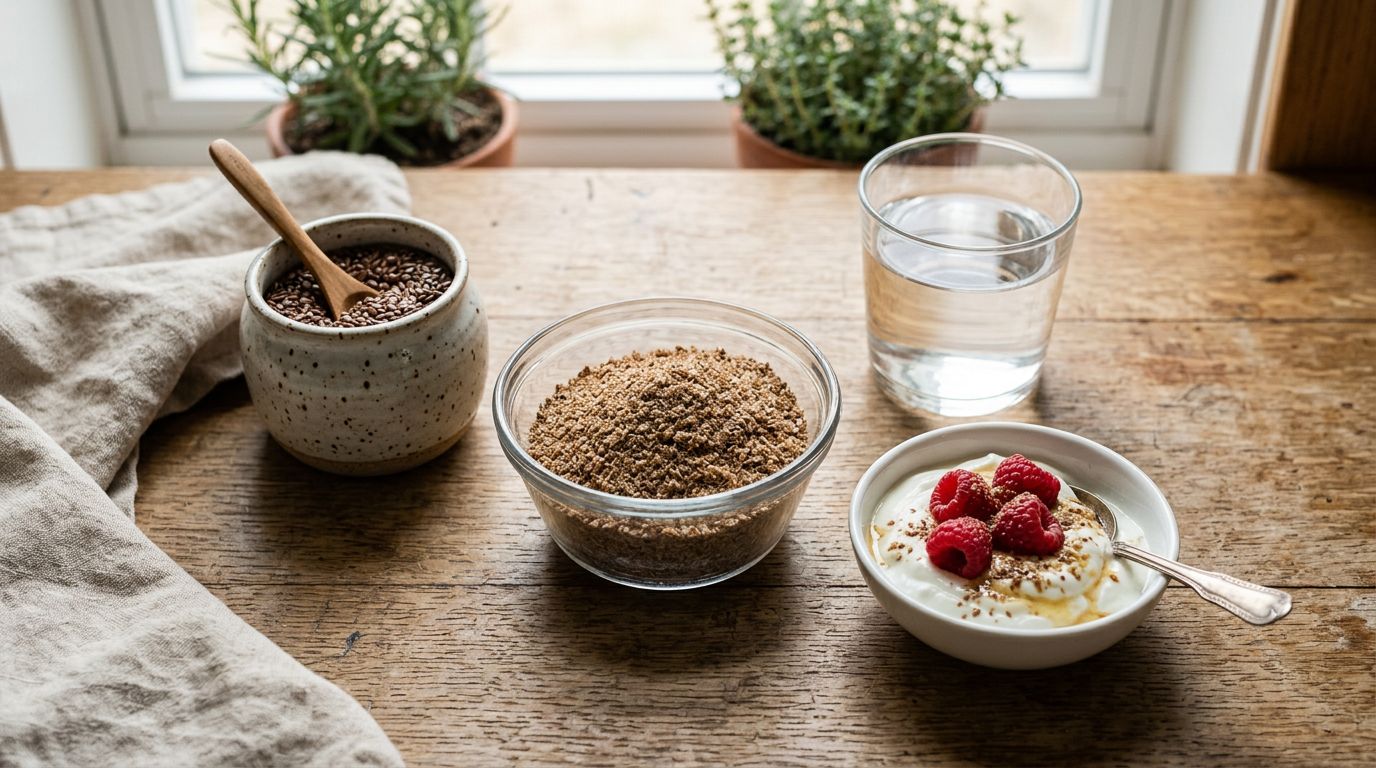
  • Use as a yogurt topping
  • Add to smoothies
  • Add to oatmeal
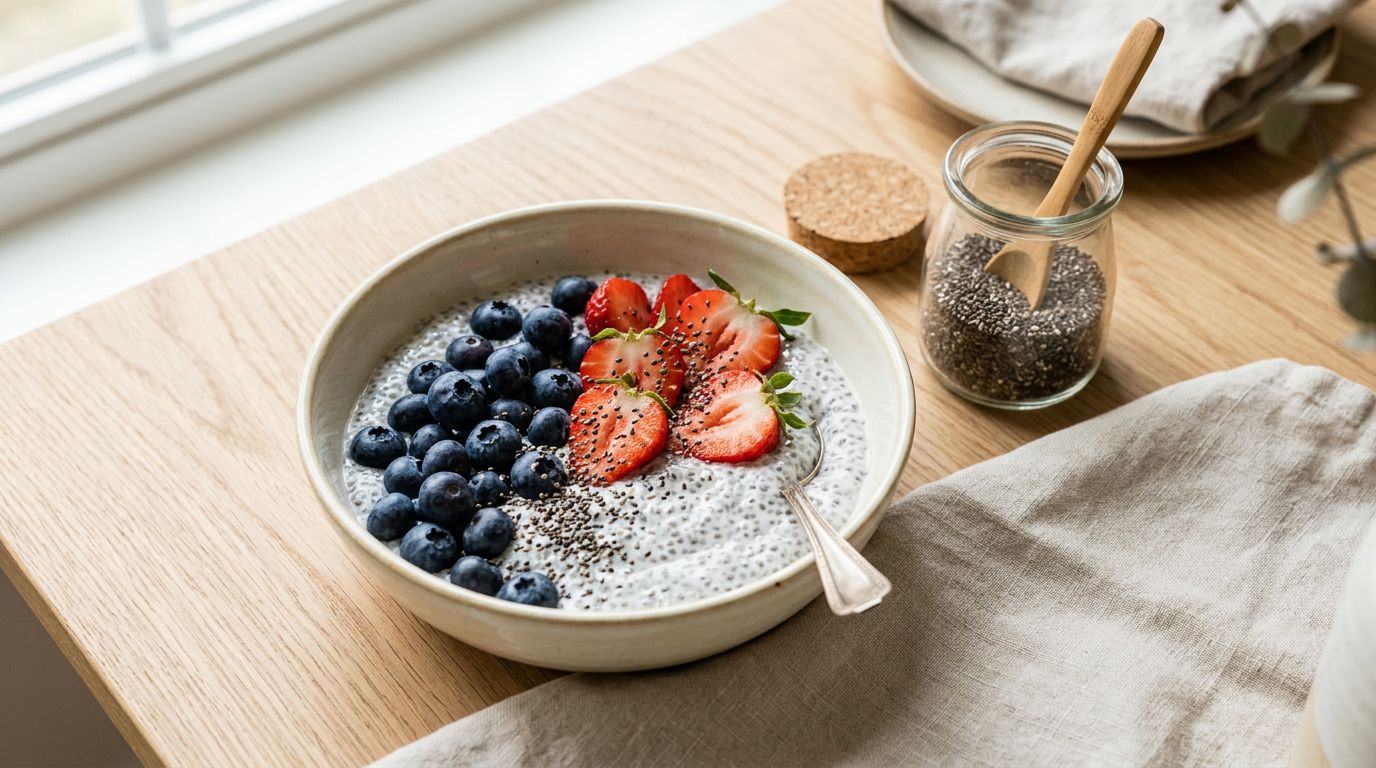
  • Make chia pudding
  • Add to overnight oats
  • Add to avocado toast
  • Swap regular flour for chia flour
  • Have you heard of chia water?

Mix ¼ cup of chia seeds in 4 cups of water. Let it sit for 20-30 minutes, then enjoy. Additionally, you can add some chopped fruit to give it a flavorful addition.

The Bottom Line

  1. While there isn’t a lot of research on chia seeds while pregnant, the general consensus is that consuming chia seeds during pregnancy is safe, and even beneficial to a growing baby.
  2. Chia seeds do contain omega-3’s but even better is their high fiber and mineral content.
  3. Adding them to your diet may even help balance your blood sugars and decrease your chance of developing gestational diabetes.
  4. If you want to start adding them to your prenatal diet, there are many recipes you can try such as chia pudding or simply adding them to your smoothie.
  5. It may take some time to get used to the flavor and texture of chia seeds, but it’s well worth it for all of the powerful benefits these tiny seeds provide.

By Alexa  D’ Orazio, MS, RDN and Ryann Kipping, MPH, RDN, CLEC | Owner & Founder

Posted on

Copper

When you think about copper, you might think of copper pans and pennies before you consider its role in the diet. What makes this mineral so important for pregnancy? 

Let’s see what the research has to say about copper for pregnancy!

What is copper?

Copper is an essential mineral. That means it is one of 13 minerals that our bodies need for growth and development. Copper is involved in systems and processes all throughout our bodies, and has many roles in different organs (1).  

Did you know copper is present in every single tissue in your body (1)?   This means it’s abundant within a developing baby’s body as well. Let’s talk more about the many roles of copper and where we can find it in the diet.

What does copper do?

Copper is naturally present in some foods and is available as a dietary supplement, though one is not needed or recommended if you are eating a wide variety of foods containing copper.

Copper is involved in everything from gene expression and brain development to immunity, as well as iron absorption and use in the body (2). Copper increases the release of iron from where it is stored in the liver and spleen, which is an important function in preventing anemia (2). 

Copper supports normal blood clotting processes and regulates our blood pressure (2). It also supports collagen production and is in our tissues all throughout our body (2). Copper helps prevent cell damage and helps us use the energy we get from food, and regulates our hormones  (1).

Not getting enough copper can negatively impact cholesterol and glucose metabolism, blood pressure, cardiovascular system, bone health, and immunity (2).

As you can see, copper plays a role in every system in the body! But what is copper’s significance in pregnancy?

Why is copper important for pregnancy?

Copper plays a role in every organ system throughout the body! In pregnancy, copper can help with:

Trying to conceive

Though studies on the impact of copper on fertility at this time are limited, copper has been found to be in significantly lower concentrations among women with infertility when  compared to fertile women (3). Copper concentrations have also been found to be slightly lower in women with secondary infertility problems (3). Maintaining an adequate intake of copper in your diet may help support your health when trying to conceive.

As we will discuss in a minute, it’s also important to maintain sufficient copper stores in the body before conceiving since it plays vital roles in early baby development!

Preventing anemia 

During pregnancy, copper is especially important for helping prevent anemia. As we saw earlier, one of its roles is helping us absorb iron. During pregnancy, the body requires an increased amount of iron for creating hemoglobin, the red blood cell protein which transports oxygen to tissues and to your baby (4).

Higher iron demand and consumption means more copper is needed to meet these demands and help your body absorb and use iron effectively! 

Growth and development

Getting enough copper in pregnancy is important to support new developing tissues in your body, as well as your baby’s body. It is also needed for supporting fetal growth and the lung, skin, bones, and immune systems (4), (5). Therefore, it’s important to make sure you’re getting enough copper in your diet to support early fetal development, which starts weeks even before you realize you’re pregnant!

Brain health

In the brain, copper plays a significant role in supporting normal development, especially in a growing baby, when the brain is being formed (6). Not getting enough copper can affect functioning and increase risk of neurological diseases (6).

Immune system support

Copper plays a critical role in maintaining a healthy immune system and in preventing infection (1). This is especially important in pregnancy, as your immune system is suppressed during this time. 

Copper supports the functioning of your immune cells such as T helper cells, B cells, neutrophils, natural killer cells, and macrophages (7). These cells are all responsible for killing infectious microbes that enter your body. 

Copper is also able to kill many infectious viruses, including bronchitis, polio, HIV, and many other DNA and RNA-related viruses (7). Copper deficiency is linked to having an increased vulnerability to infections, since it can lead to decreased numbers and reduced functioning of cells in the immune system (7). 

An amazing antimicrobial 

Copper is not only effective in killing many different disease-causing organisms inside our bodies, but also on the outside! Copper kills bacteria, fungi, and viruses, including MRSA and VRE, on surfaces (8). This means copper surfaces, like a copper faucet, can kill these and most other germs and viruses upon contact! (8)

Copper exposure is also correlated with improved wound healing, due to its capabilities to facilitate the formation of new blood vessels (9) .

*The possibilities of copper being used specifically in the field of obstetrics and gynecology due to these antimicrobial and wound-healing benefits (such as copper pads being used after childbirth delivery) are currently being studied, though further research is needed!*  (9)     

How much copper do I need?

The RDA for copper between ages 14-18 is 890 mcg and 1000 mcg if pregnant and breastfeeding. If you are over 19 years old, the RDA is 900 mcg, and it’s recommended you consume at least 1300 mcg if pregnant and/or breastfeeding (1).

Though there is an increased need for copper, taking a copper supplement is not recommended when pregnant. If you are concerned you may not be getting enough copper, it’s best to work on eating more foods that are high in copper instead.

Could I be deficient in copper?

Severe copper deficiencies are uncommon, but can occur in cases of malnutrition, or a lack of consumption of foods that are rich in copper (1). 

Copper deficiency can also occur if excessive supplements of zinc and iron are taken (1). This is because copper is used to break down iron in the body and more is needed if more iron is taken, and zinc tends to be prioritized for absorption in the stomach before copper. 

Most prenatal vitamins don’t contain a ton of zinc, so it is unlikely you are overdoing zinc by taking a prenatal vitamin alone.  

Is copper important for postpartum and breastfeeding?

Copper has not been well-studied in relation to postpartum and breastfeeding. Still, given its role in preventing anemia and helping our bodies absorb iron, we can also assume its importance in preventing postpartum anemia (11). 

Copper is also significant for immune support and is associated with improved wound healing and facilitation of new blood vessel formation, which are significant benefits to support your health and healing after giving birth (12, 13). 

How much do I need? 

The RDA for copper while breastfeeding is 1.3 mg/day, a little higher than the recommended amount during pregnancy. 

Where can I find copper?

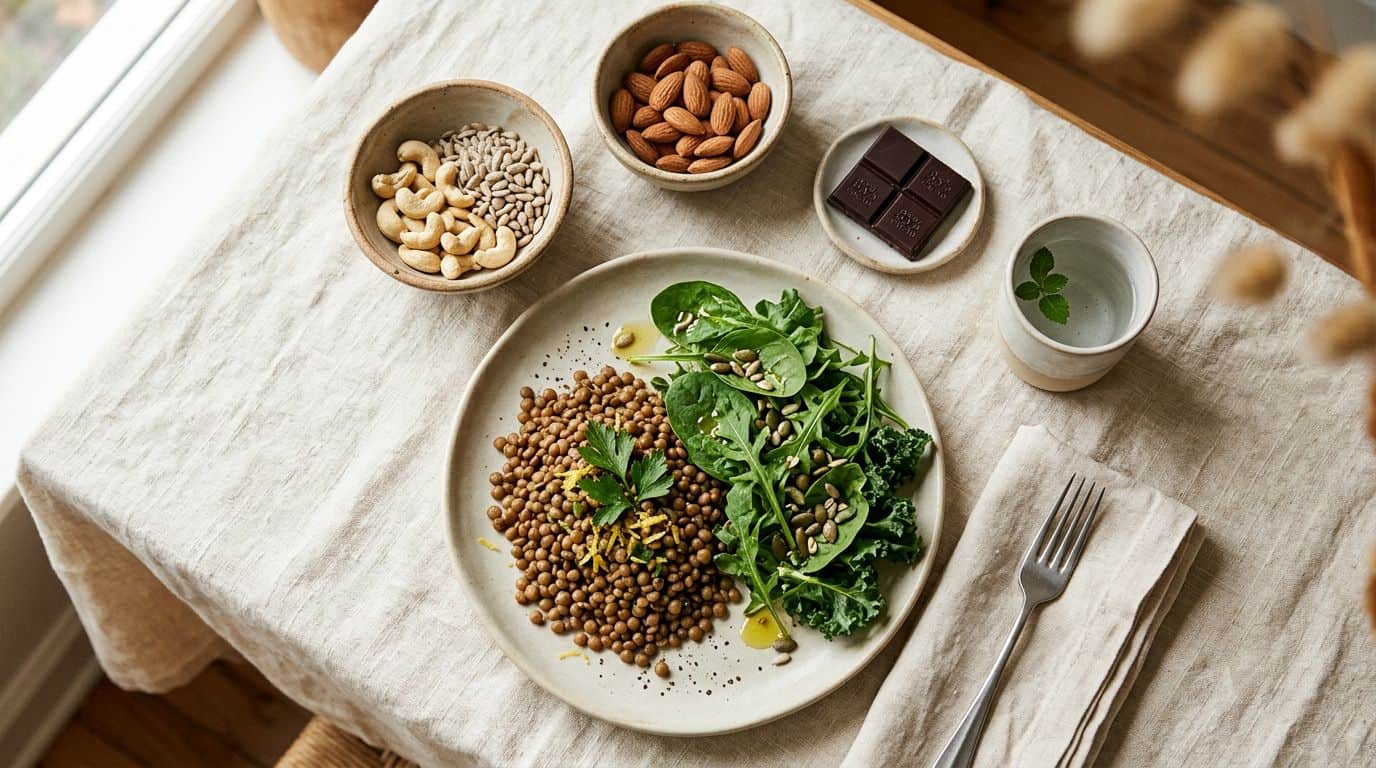
Some foods that are rich in copper sources include: shellfish, seeds and nuts, beans, dairy, organ meats, whole-grains, and chocolate (1) (yes, another reason to continue enjoying your dark or unsweetened chocolate during pregnancy!). 

Sources of copper in your diet (from most to least) are (1):

  • Beef liver
  • Oysters
  • Unsweetened baking chocolate
  • Potatoes with skin
  • Shiitake mushrooms
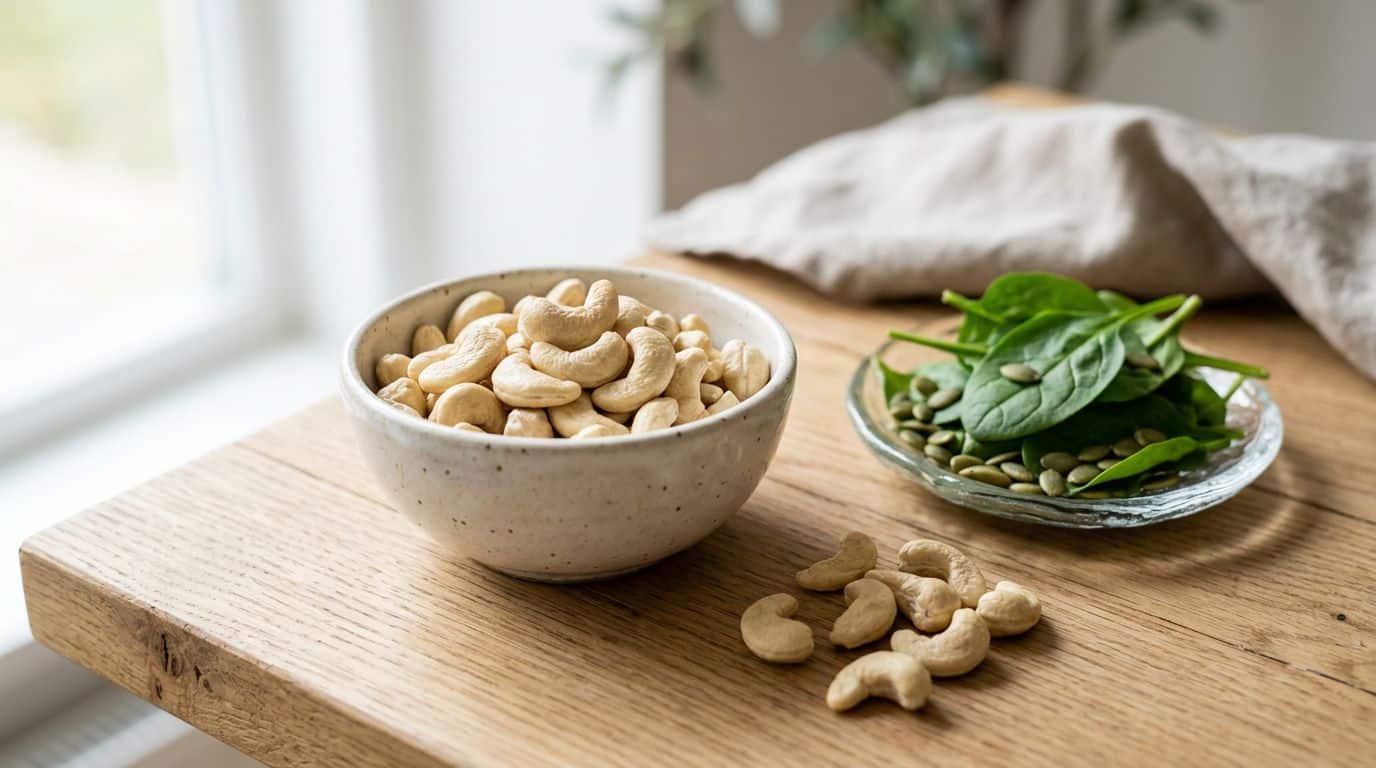
  • Cashews
  • Crab
  • Toasted sunflower kernels (the inner “meat” of sunflower seeds)
  • Turkey giblets
  • Dark chocolate, dark
  • Tofu
  • Chickpeas
  • Salmon
  • Whole wheat pasta
  • Avocado
  • Dried figs
  • Spinach
  • Asparagus

Can I get too much copper?

Copper toxicity is rare, especially if you’re healthy and living in a Western country, and when toxicity occurs, it is more commonly due to a contaminated water source (10).

However, chronic exposures to high levels of copper can result in liver damage and gastrointestinal symptoms (such as stomach pain, cramps, nausea, diarrhea, and vomiting) (10). Copper toxicity occurs very rarely in healthy individuals who do not have a hereditary copper homeostasis defect (10).

The recommended upper limit of consumption is 8,000 mcg for ages 14-18, and 10,000 mcg for ages 19 and older (1) .

Copper and gestational diabetes

Some recent studies have found significant associations between excessive copper and impaired glucose metabolism. However, the current evidence establishing a correlational relationship between high copper levels and gestational diabetes mellitus are too limited to draw any definitive conclusions at this time (11).

What about copper pans?

When using copper in the kitchen, it’s important to distinguish between the two types: uncoated copper vs. coated copper. Solid, uncoated copper pots are esteemed for their abilities to conduct heat more efficiently, which ensures even heat distribution when cooking. 

Let’s talk about how this can be problematic: 

  • Uncoated: copper pots, cooking ware, drinking vessels, and storage containers can be dangerous because the copper molecules can seep into your food when cooking it, or when acidic foods break down copper and draw it into the food (10). This could lead to accidental over-ingestion of copper, which could cause copper toxicity. 
  • Coated: copper is lined inside with protective metals, including tin and stainless steel. The lining acts as a barrier to keep copper from seeping into your food. It’s important to note that the coating can become scratched or worn away over time with use, which means you will have to have them relined or replaced. To protect and maintain this barrier, use wooden spoons and spatulas to avoid scratching away at the coating.


The Bottom Line

  1. Copper is present in every organ system and tissue throughout the body, and is involved in functions including supporting heart health, immunity, promoting growth and development, brain health, and preventing anemia. 
  2. Foods rich in copper include: shellfish, seeds and nuts, beans, dairy, organ meats, whole-grains, and unsweetened and dark chocolate. 
  3. Copper pots and pans can cause copper toxicity if they are unlined, but are safe to use if coated with a protective surface inside. Use wooden spoons to avoid scratching off the coating, and replace copper pans once the barrier wears off.

Written by: Claire Gilmore, MSCN, CNS, LDN

Reviewed/edited by: Ryann Kipping, MPH, RDN, CLEC, Owner + Founder

Posted on

Headaches

Why do some people get headaches during pregnancy?

Some people may be more prone to headaches during pregnancy than others, usually those who experience headaches or migraines frequently outside of pregnancy (1). Even outside of pregnancy, hormones play a big role in the development of migraines.

Headaches are usually more prevalent in the first and second trimesters. Most headaches during pregnancy are tension headaches, but could also be clusters or migraines. Some women who experience migraines outside of pregnancy notice a reduction in them during pregnancy– one study found up to 85% of people actually notice remission of migraines during pregnancy (but if you’re not part of this group that goes into remission during pregnancy, we cover migraines more below) (2). 

Hormonal shifts, weight gain, and higher blood volume may all be contributors to headaches during pregnancy (1). Headaches in the later stages of pregnancy may be a sign of high blood pressure and should therefore be considered a red flag to mention to your doctor (3). 

The good news is that there are many modifiable factors that you can do to help reduce your risk of developing headaches, their overall severity and frequency, and their management of them during pregnancy. 

How can hydration levels impact headaches?

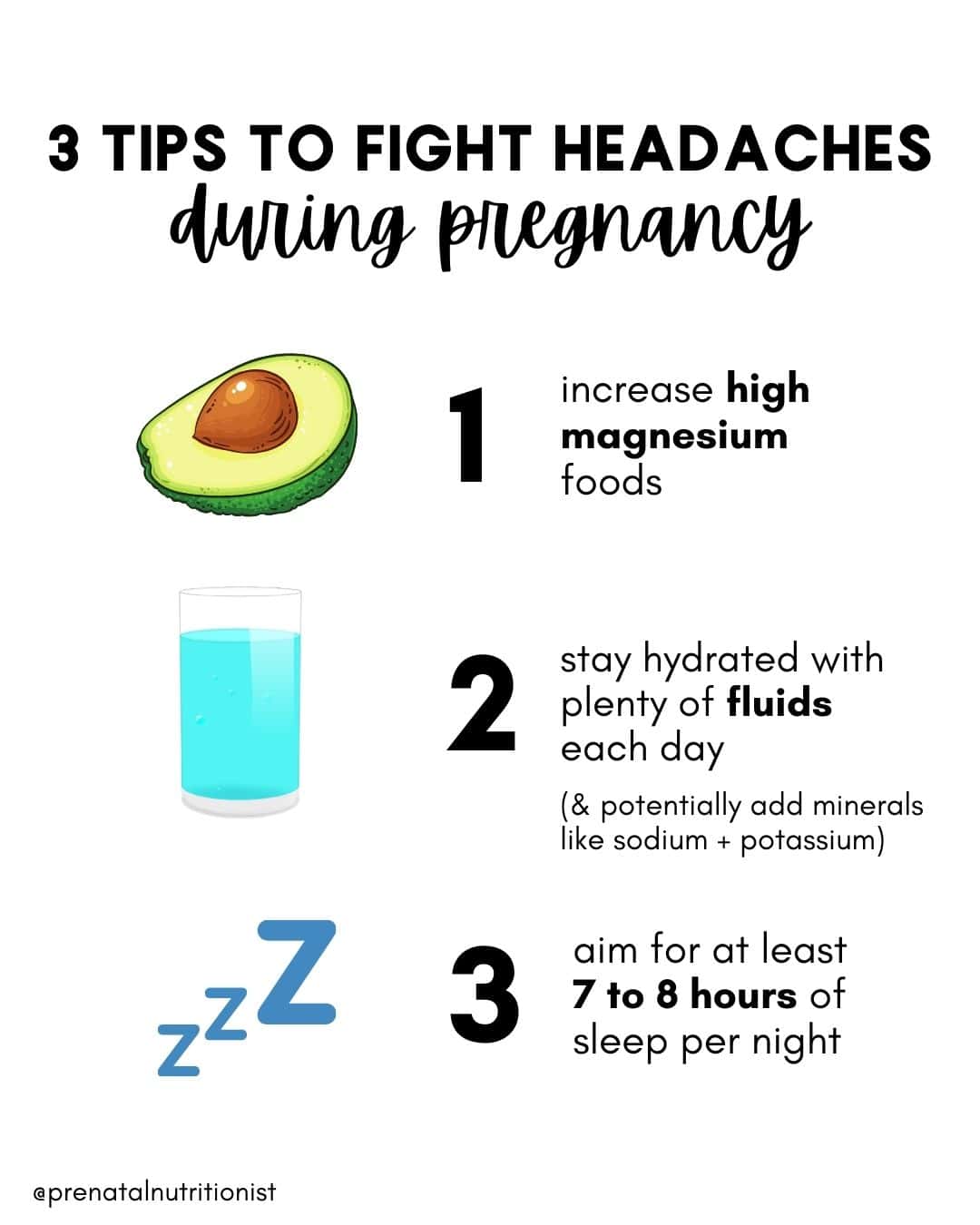
This might seem obvious, but sometimes we need constant reminders of how important water is, especially if you are prone to headaches. One hundred ounces of fluids per day is a good goal, which includes all fluids, not just water.

However, only drinking lots of plain water isn’t always enough to fully hydrate your cells, which means you could be drinking all the water in the world, but your cells aren’t actually absorbing it, so you continue to be dehydrated. 

What is cell hydration, and why is it significant for overall hydration in the body? Let’s discuss it! 

What is cellular hydration, and how can I boost it? 

Feel like you’re always chugging water but never satisfied? Always thirsty and feeling like it goes right through you?

These are signs your cells aren’t actually absorbing the water you’re taking. You need to boost your cellular hydration by drinking water with minerals! Minerals, which also function as electrolytes, are vital to ensuring proper hydration on a cellular level because they help cells attract water (4). 

Here are some ways you can boost your cellular hydration:

  • Get minerals in both your food and drinks: Enhance your cellular hydration with sodium by simply adding a dash of unrefined salt to your water, and increase your intake of mineral-rich foods: fatty fish and dairy (calcium), leafy greens, nuts and seeds, and avocados (magnesium), cured and smoked meats, pickles, and olives (sodium), and unsweetened coconut water, dried fruit, potatoes, and greens (potassium)
  • Eat fruits and vegetables high in water content with small amounts of other nutrients as well, such as watermelon, bell peppers, zucchini, oranges, and cucumbers. 
  • Monitor your individual symptoms of dehydration rather than count the number of glasses you drink daily. Besides headaches, these include fatigue, brain fog, irritability, muscle cramps, dark urine, and dry skin. (Read more about fluids here.)

What nutrients can help with headaches?

Magnesium

Magnesium has been found to reduce the incidence and severity of tension and cluster headaches, and most people aren’t getting enough of it (5). 

Increase magnesium-containing foods and consider a magnesium supplement. Start with 100 mg of magnesium glycinate (if constipation isn’t an issue!) and gradually increase this dose if need be. Check out the magnesium note for supplement recommendations. 

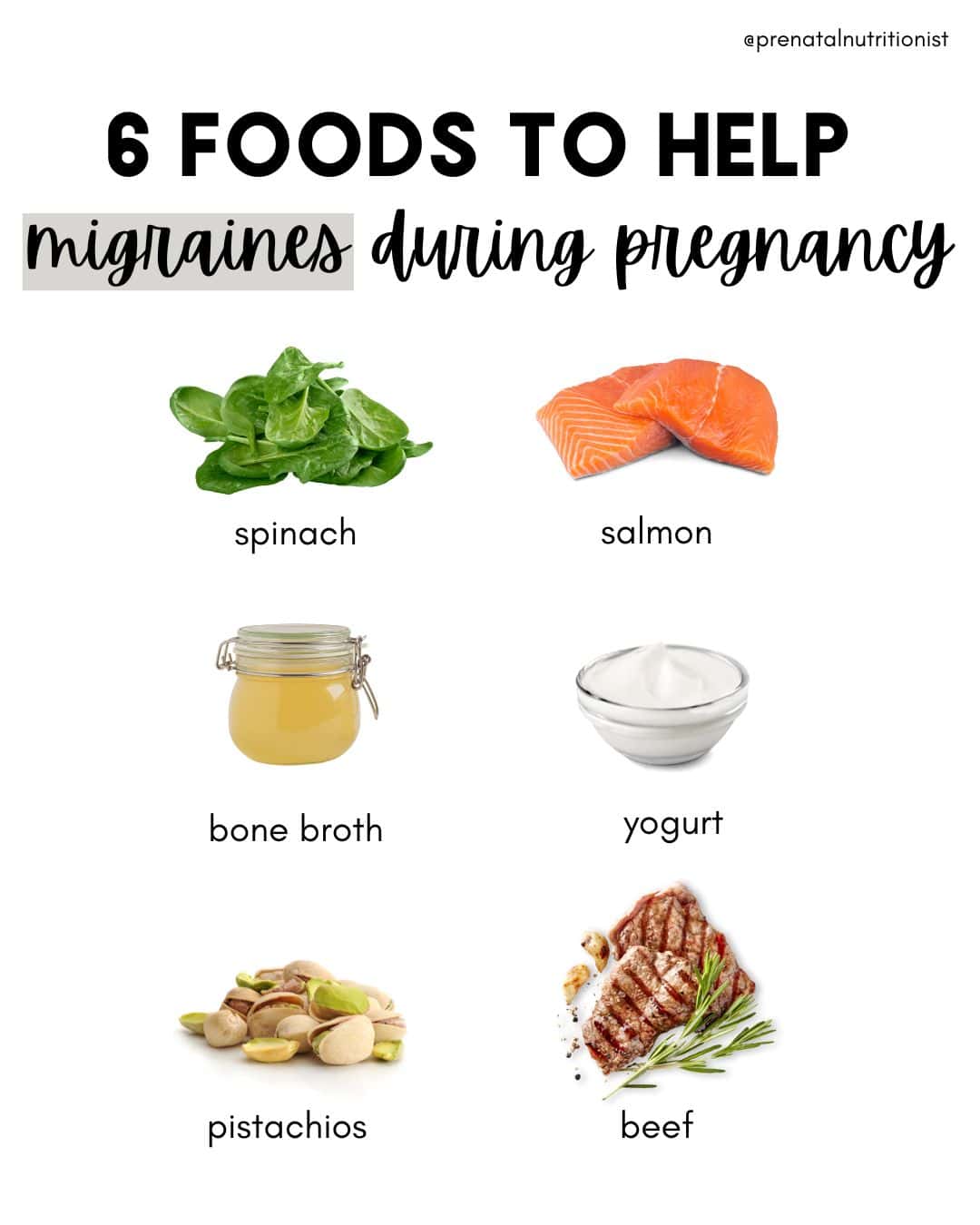
Foods rich in magnesium to increase your intake include nuts and seeds, cooked spinach, and beans.

Vitamin B12

Increase vitamin B12-containing foods and consider extra B12 supplementation. Some research suggests vitamin B12 needs during pregnancy are 3 times higher than we once thought. Make sure your prenatal contains methylcobalamin.

Foods highest in B12 to eat daily are beef liver, clams, salmon and tuna, beef, and dairy. (Remember: this vitamin is only found in animal foods, especially meats and fish, which is another reason why avoiding these during pregnancy is problematic. Read more here) 

Omega-3’s

Many people aren’t getting enough omega-3s, which is important to note for both pregnancy in general and headache and migraine prevention. Some studies have found omega-3’s can be helpful in preventing these, likely due to their anti-inflammatory role, which we know is a common driving factor in migraine development (6, 7, 8, 9). 

If you’re looking for ways to get in more omega-3s for both your and your baby’s brain, increase your intake of fatty fish (2-3 servings per week) or take high-quality fish oil (see recommendations here). 

Probiotics 

Not only are probiotics important for cultivating gut health for pregnancy in general (especially since you’ll pass your gut to your baby), but by supporting gut health which impacts brain health through the gut-brain axis, probiotics have also been found to be a helpful food for headache and migraine prevention!

One study (in children) found that using probiotic supplements seems to significantly affect the severity and frequency of migraine headaches compared to the placebo, and daily consumption of painkillers was significantly reduced in the probiotic group compared to the placebo group (10). 

Many other studies have found similar results for probiotics reducing the frequency and intensity of attacks (11, 12, 13, 14). 

Increasing your probiotic consumption through foods is the most ideal, especially if you’re consuming fermented foods like sauerkraut, kimchi, and miso at least 3 or more times weekly. Greek yogurt is another good source of probiotics. 

Can sleep help with headaches? 

Ensuring appropriate sleep is important, and lack of it may contribute to increased headaches (15). Aim for at least 7-8 hours per night and consult with a physical therapist if you need help determining appropriate sleep positions.

Getting enough quality sleep can be easier said than done during pregnancy-here are some tips to help you cultivate better sleep during this time:

  • Create intentional wind-down time with a 20-minute (or more) bedtime routine. This routine can be a mix of the usual bedtime hygiene tasks (PJs, skincare, brushing teeth) as well as at least one more relaxing activity you enjoy to help you wind down: reading, journaling, an artistic activity, knitting/crocheting, prayer, or even a game with your spouse
  • Sleep with your phone as far out of reach as possible (and resist the urge to check it in the middle of the night!)
  • Make your sleep space conducive to good sleep: as dark and as cool as possible to reduce wakefulness and support better sleep quality (16) 
  • Drink a calming pregnancy-safe tea or one, especially for sleep support, such as a chamomile blend or Needed’s sleep + relaxation support. 

Can exercise help with headaches?

Partaking in some form of exercise for 30 minutes 3 times per week has been shown to reduce the occurrence of headaches (keep in mind the national recommendation for exercise, in general, is 150 minutes per week, which means getting in 30 minutes at least 5 days per week) (17, 18). 

Exercise doesn’t have to be intense to be effective, and ideally, it should always be a form of movement you enjoy! Walking, dance, a prenatal exercise class online or on an app…anything to support increased blood flow. 

Can eating certain foods trigger headaches and migraines?

While the exact causes of migraines are sometimes hard to pinpoint, for about 25% of people with migraines, certain foods can be identified as a contributing factor (19).

One possible reason could be that immune-mediated food sensitivities may be involved, as IgG antibodies can be a cause of inflammation (20). Identifying food triggers for some can be key for some in managing migraines; one study found that eliminating foods that led to these IgG reactions controlled migraines without the need for medication, while another found eliminating foods that led to IgG antibodies led to a significant reduction in the number of migraines or migraine-like headaches at four weeks (21, 22). 

If you notice certain foods trigger headaches and migraines for you before pregnancy, these may be the same or different than they were before pregnancy. 

Common triggers include (23):

  • Caffeine (and caffeine-containing foods such as chocolate or teas)
  • Artificial sweeteners
  • Glutamic acid in MSG
  • Foods high in tyramine: aged cheese, cured meats, pickled or fermented foods
  • High-lactose dairy products 

As you might notice, some of these foods are beneficial for pregnancy, so if you notice any correlation between a reduced tolerance of any of these and increased headache incidence (such as high lactose dairy and probiotic foods such as fermented foods), make sure you are replacing these with other food options that contain the same nutrients to ensure you are not missing these in your diet during this time.

If you suspect a food or food group could be triggering migraines, it’s recommended that you work with a licensed nutrition professional, as it’s not recommended that you self-diagnose food sensitivities and/or eliminate any whole foods (non-processed foods) during pregnancy. 

Can I take medications to help me deal with headaches?

Consult with your physician before taking any medication during pregnancy. Usually, options during the first trimester are limited, but you may be able to take a pain reliever in the later stages of pregnancy. You can also check the Mother to Baby database.

In general, NSAIDs are discouraged, especially after 20 weeks of pregnancy, along with Ibuprofen and naproxen, but Tylenol is considered a safer medication to take during pregnancy (24).

You can also try alternative ways to deal with pain if you’re able, which are covered more at the end of this note. 

What should I do if I’m dealing with migraines?

Migraines are complex issues, so if you’re dealing with this intensity level of headaches, it’s ideal to work with a functional practitioner who can help you investigate possible root causes of these. An estimated 10% of women deal with migraines during pregnancy (25). 

Similar to regular headaches, migraines can be caused by rising estrogen levels during pregnancy, and though they can present for the first time during pregnancy without being tied to a specific condition (like preeclampsia), it’s always a good idea to mention them to your doctor (26). 

Migraines can often be attributed to genetic, environmental, and lifestyle factors. While we don’t know exactly what causes migraines (especially as there are multiple possible contributors for each person), common triggers include:

  • An overall pro-inflammatory and oxidative state (27)
  • Insulin resistance (28)
  • Inflammatory diseases (hint: nearly all diseases and conditions have inflammation as at least one partial root contributing factor (29)
  • Mitochondrial dysfunction (30, 31)
  • Stress, environmental allergens, and food allergies or sensitivities (32)
  • Comorbid pain conditions
  • Poor sleep

The good news is that aside from genetic factors, many factors can be modified by addressing these diet and lifestyle factors! 

Nutrients and nutrition for migraines

Did you know there are specific nutrients that have been found to help support mitochondrial function and reduce the chances of recurring migraines?! 

Nutrients that have been found to help prevent migraines include folate, riboflavin, coenzyme Q10, and magnesium (32).

It makes sense since folate can help with migraines because it is involved in DNA methylation, and research has found a folate-rich diet (one that is recommended anyway during pregnancy) can be an area to target migraine management and relief (33).

Studies have found that people with migraines often have increased levels of oxidative stress and pro-inflammatory cytokines, which riboflavin can help reduce, in addition to reducing migraine incidence overall (34). 

Coenzyme Q10, aka CoQ10, has been found in studies to reduce migraine incidence, severity, and duration (35). Check out supplement recommendations in the CoQ10 note. 

Magnesium is an important nutrient to focus on for headache and migraine prevention as well since studies have found at least 50% of people who get them are deficient in magnesium (36, 37). Being deficient in magnesium has been found to significantly contribute to the development of migraines (38). 

So if you frequently get migraines, getting your magnesium levels checked and increasing your magnesium intake through food (and possibly a supplement if your levels are low) is a good idea!

A lower-carb diet for migraines

In addition to the nutrients above, a way of eating that has been specifically linked to helping manage many different neurological conditions, including migraines, is the ketogenic diet or a lower-carb diet (yes, it is safe during pregnancy– see our carbs note if you have concerns).

Because a low-carb diet supports cell processes in the brain and metabolism, along with mitochondria function, balanced serotonin levels, and neuroinflammation (39, 40). 

Another reason a low to very low carbohydrate diet approach may be helpful for reducing migraines is that this is an effective way to manage blood sugar (41). Increasing evidence suggests that migraines may be the result of an impaired brain glucose metabolism, as well as dysfunctional mitochondria in the brain (42). 

This could also be because peripheral insulin resistance has been thought to extend to the brain, leading to insulin resistance in the brain, and insulin resistance, in addition to metabolic syndrome, is more common in people with migraines (43, 44). (Just another reason why managing blood sugar matters for your overall health and helping you feel your best!)

If you are interested in implementing a distinctly low-carb diet during pregnancy, it’s highly recommended that you work with a licensed nutritionist or dietitian who can guide you in following one in a healthy way during pregnancy so you can ensure all your nutrient needs are met. 

What are other interventions that can help me manage headaches and migraines?

Besides using a provider-approved pain reliever, here are some interventions you can try if you are looking for other alternatives, either instead of or in addition to pain-relieving meds:

  • A headache cap
  • Chiropractic care
  • Massage therapy
  • Acupuncture 
  • Addressing areas of stress and overall mental health
  • Essential oils (do not ingest) like an aromatherapy stick for headaches and migraines (this one or this one)
  • Stretching
  • Extra rest
  • Avoiding bright screens at night and wearing blue light glasses to limit eye strain (as this can trigger headaches)
  • Drinking a soothing tea like this one (make sure you check the ingredients of any “headache tea” first, many include teas in blends that should be avoided during pregnancy)

When is a headache or migraine of concern during pregnancy? 

Always mention headaches to your physician, especially if you have a family history of migraines, high blood pressure, seizures, or diabetes (45).

New or refractory headaches, hypertension, and abnormal neurological signs are important “red flags” to consider in particular (46).The Bottom Line

  1. A number of factors, like hormonal shifts, weight gain, and higher blood volume, could cause headaches during pregnancy. 
  2. Aim for 100 ounces of total fluids per day with at least one glass per day with added salt or other sugar-free minerals to support cellular hydration. 
  3. Eat foods high in magnesium, vitamin B12, omega 3s, and probiotics.
  4. Ensure you’re getting adequate sleep and physical activity every day, at least 7 hours of sleep each night, and 30 minutes of movement most days.
  5. If you’re dealing with migraines, make sure you’re getting enough riboflavin, coenzyme Q10, folate, and magnesium. Consider an additional magnesium or CoQ10 supplement. 
  6. Consider lowering your carb intake. A low-carb diet has been found to be helpful for minimizing migraines, as well as addressing possible root factors, including inflammation, insulin resistance, mitochondrial dysfunction, stress, environmental allergens, food allergies or sensitivities, comorbid pain conditions, and poor sleep. Working with a functional practitioner to address these root causes is ideal. 
  7. Review approved medication and/or other remedies to help with pain management, such as aromatherapy, chiropractic care, a headache cap, and drinking pregnancy-safe tea with your provider. 

Written by: Ryann Kipping, MPH, RDN, LDN, and Claire Gilmore, MSCN, CNS, LDN

Posted on

Lemons

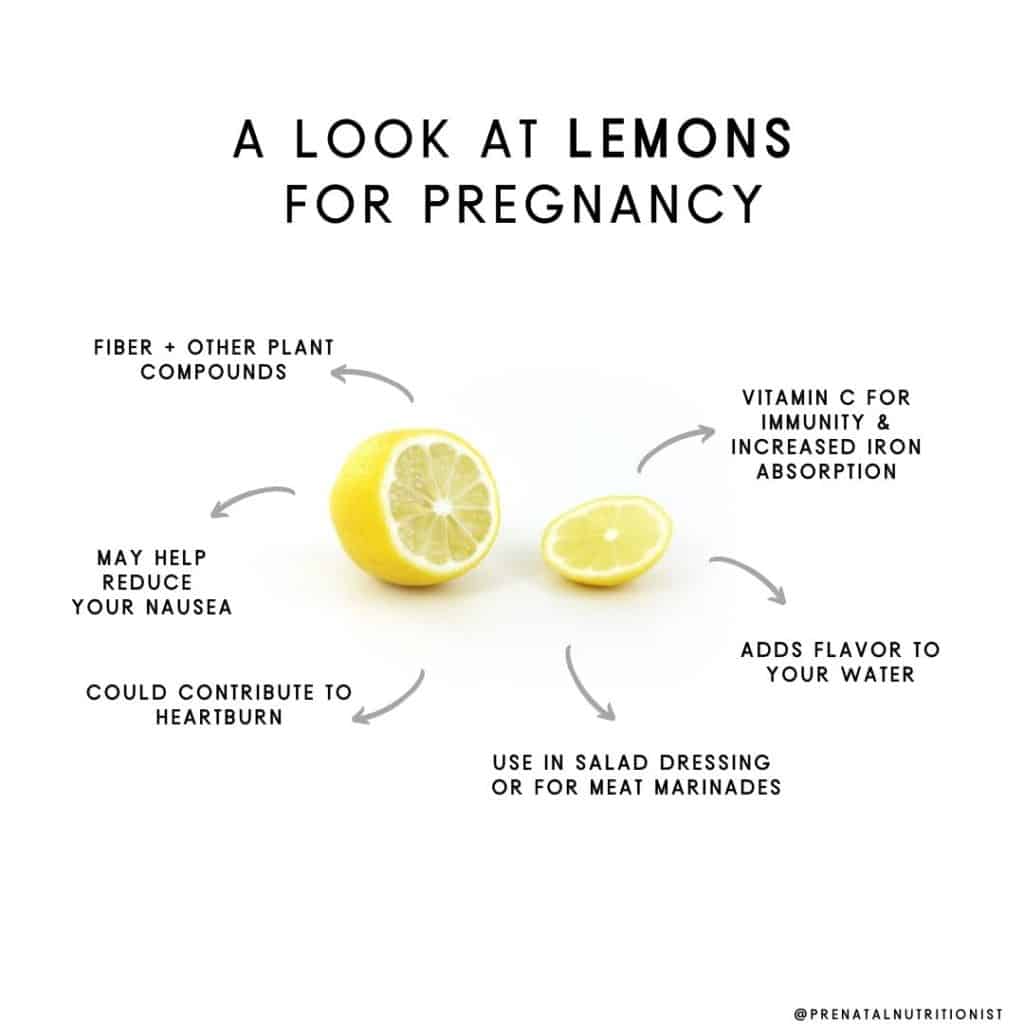
Does using lemons during pregnancy have benefits? Whether it be to add some flavor to your water, zest up a salad, or help with nausea, we have your lemons questions answered.

Is lemon safe during pregnancy?

Lemons as with the majority of fruits are safe to consume during pregnancy and can provide nutritional value.

They can be added to water, top salads, or to flavor baked goods.

Eating lemon during pregnancy is safe, but just like anything else, moderation is key and if you happen to be overindulging in one particular food, be sure to run it by your OBGYN, midwife, or dietitian.

Nutrient breakdown

Because it is a citrus fruit, lemons contain a good amount of vitamin C and a number of vitamins and minerals including B-vitamins, niacin, and folate (1).

One small lemon contains: 

  • Calories: 25 calories
  • Carbohydrates: 8 g
  • Fat: 0.3 g
  • Protein: 0.9 g
  • Fiber: 2 g
  • Vitamin C: 45 mg
  • Calcium: 22 mg

Vitamin C, immunity, and fetal development

Vitamin C is an important antioxidant and helps build immunity in the body. During pregnancy, women are at higher risk of developing illnesses because your body is protecting both you and baby. Keeping your immunity up during this time is critical.

Not only is vitamin C important for mom’s immunity, but it has also been linked to birth weight and length (2). Especially when both vitamin C and E were high in the second trimester of pregnancy, according to this study.

Another study also found that an increased intake of vitamin C in mid-pregnancy resulted in increased fetal growth and infant growth for up to 6 months of age (3).

Lastly, vitamin C increases the absorption of iron, another crucial nutrient for a healthy pregnancy. Squeezing lemon on high iron foods will increase the absorption, ideal for those who struggle with anemia or are only getting their iron from plant foods (4).

Does lemon help with nausea? 

“Morning sickness” or nausea can be tough especially in the first trimester.

Some research suggests that diffusing lemon essential oil may be a great homeopathic remedy to help settle your stomach.

In 2015, 100 women were studied who complained of mild to moderate nausea with or without vomiting (5).

In this double-blinded study, half were given lemon oil to inhale when they felt nauseous and the other half were given a placebo. At least 25% of women who used the lemon essential oil found it to be effective in preventing nausea and vomiting (5).

A few drops in your diffuser may be a great homeopathic remedy to try.

Keep in mind, ingesting essential oil of any kind is not recommended as they are not regulated by the FDA.

Lastly, be careful when using lemon drops for nausea as these usually contain a lot of sugar.

Lemon juice in pregnancy, is this safe?

If you’re craving a tall glass of lemon juice, there may be a few reasons to put on the brakes.

Sugar

The concern with many fruit juices is the sugar content and lack of fiber.

Although the sugar is more natural, coming from a fruit, it is likely you are getting much more by drinking the juice compared to eating the actual fruit. You are also missing out on important fiber when you juice fruits as opposed to eating them.

Heartburn

Lemon juice is acidic in nature and can be a bad recipe for heartburn. Even drinking beverages like lemonade can contribute to heartburn which is already a common annoyance during pregnancy.

Tooth erosion

Tooth erosion means losing the enamel coating that covers your teeth and is not a good thing.

Pregnant women are already more susceptible to inflammation in the mouth and potentially other tooth issues. A 2015 study showed lemon juice to be one of the top beverages contributing to tooth erosion, even higher than the soda Coca-Cola (6).

Is lemon water good for pregnancy?

Hydration during every stage of life is important, and pregnancy is no exception.

Water helps carry nutrients and oxygen to our cells, regulates body temperature, and helps the kidneys to excrete toxins (7).

Women who are pregnant should increase their water intake as their body weight and blood volume is constantly changing.

More fluid sounds like a nightmare to most pregnant women but can also aid in relieving constipation and help to prevent urinary tract infections (8).

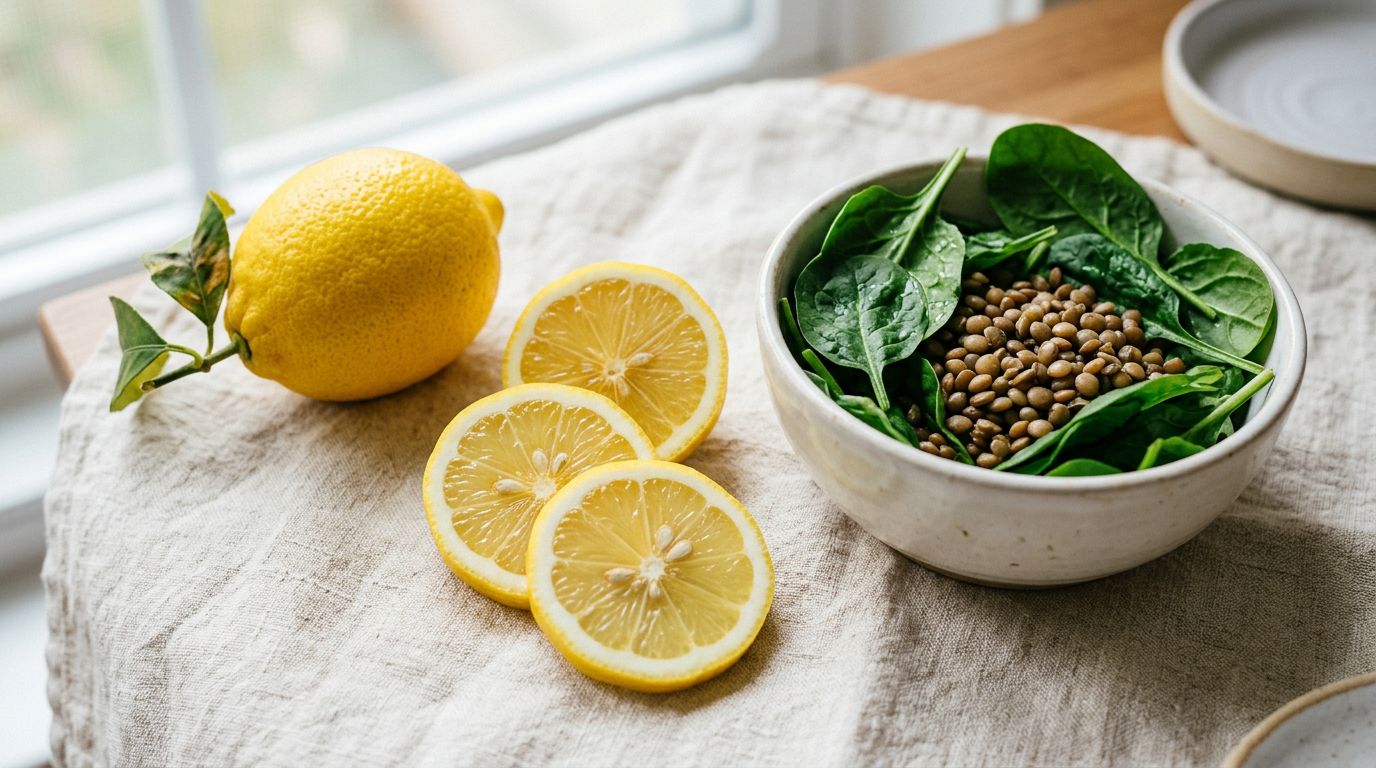
Adding lemon to your water is more than safe in pregnancy and can help add some zest and flavor to increase your intake when plain water sounds unappealing.

How else can I use lemon in pregnancy?

  • In salad dressing
  • Wedges in water
  • Lemon juice in meat marinades
  • Lemon oil in a diffuser
  • Baked goods
  • Garnish with the rind zest

The Bottom Line

  1. All in all, lemons during pregnancy are perfectly safe for you and your baby.
  2. The vitamin C in lemons contributes to increased immunity, adequate fetal growth, and enhanced iron absorption.
  3. They may also be the holistic remedy you are looking for to relieve that dreaded nausea or the perfect way to zest up your water.

By Lauren Gannon, RD and Ryann Kipping, MPH, RDN, CLEC | Owner & Founder


Posted on

Strawberries

Strawberries are delicious and filled with vitamins. They are in season in the spring and summer, and when picked ripe, they offer a naturally sweet flavor that will surely give you a hard time putting your berry bowl away.

But, are there benefits to eating strawberries while pregnant? We have your answers right here.

Are strawberries safe during pregnancy?

Yes, strawberries are safe to eat during pregnancy!

There are major benefits to incorporating this fruit into your daily diet, which we’ll go over below, as well as some tips to make sure you’re buying the healthiest strawberries possible.

Are strawberries good for pregnancy?

Healthy food choices are critical while you’re pregnant and growing your baby.

Not only do you need vitamins, minerals, and antioxidants to keep yourself healthy and meet the demands of your body, but your baby will benefit from all of the nutrition you choose to eat.

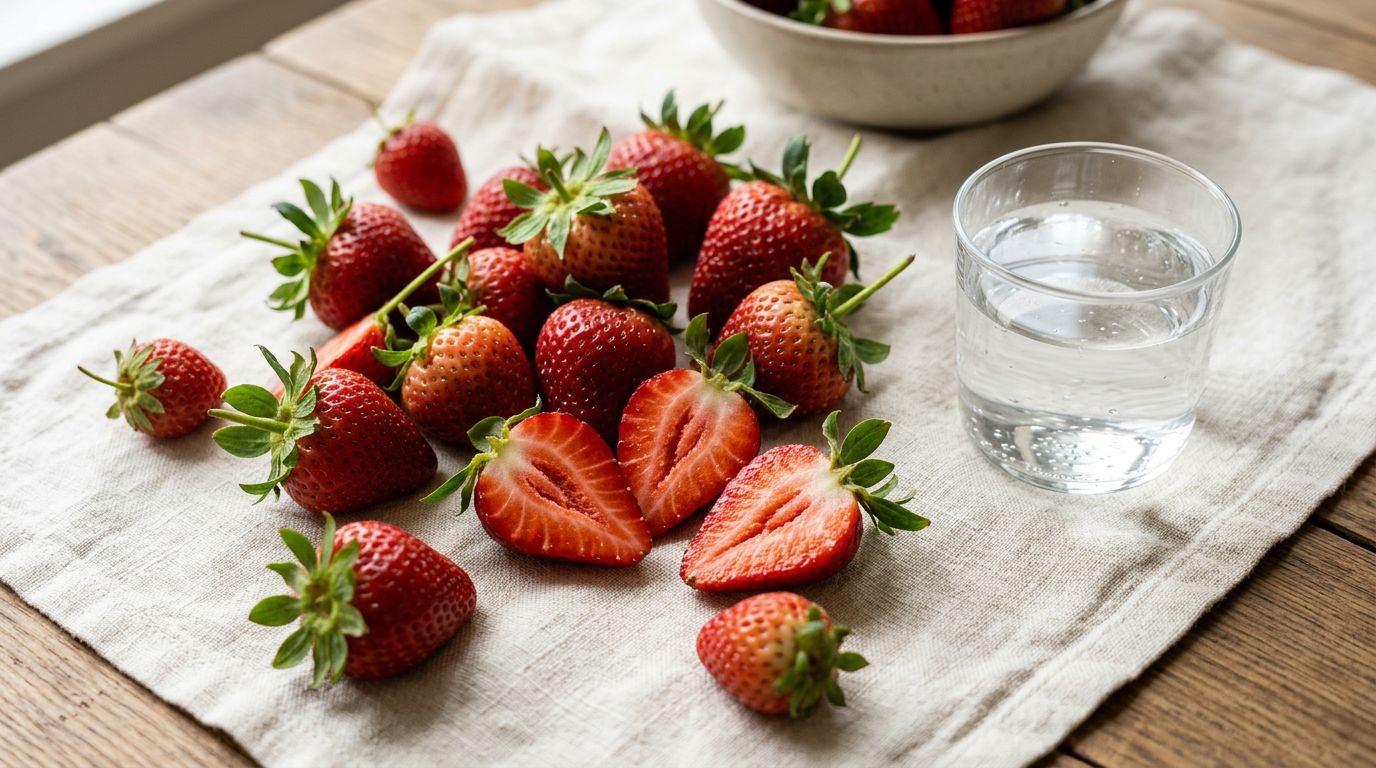
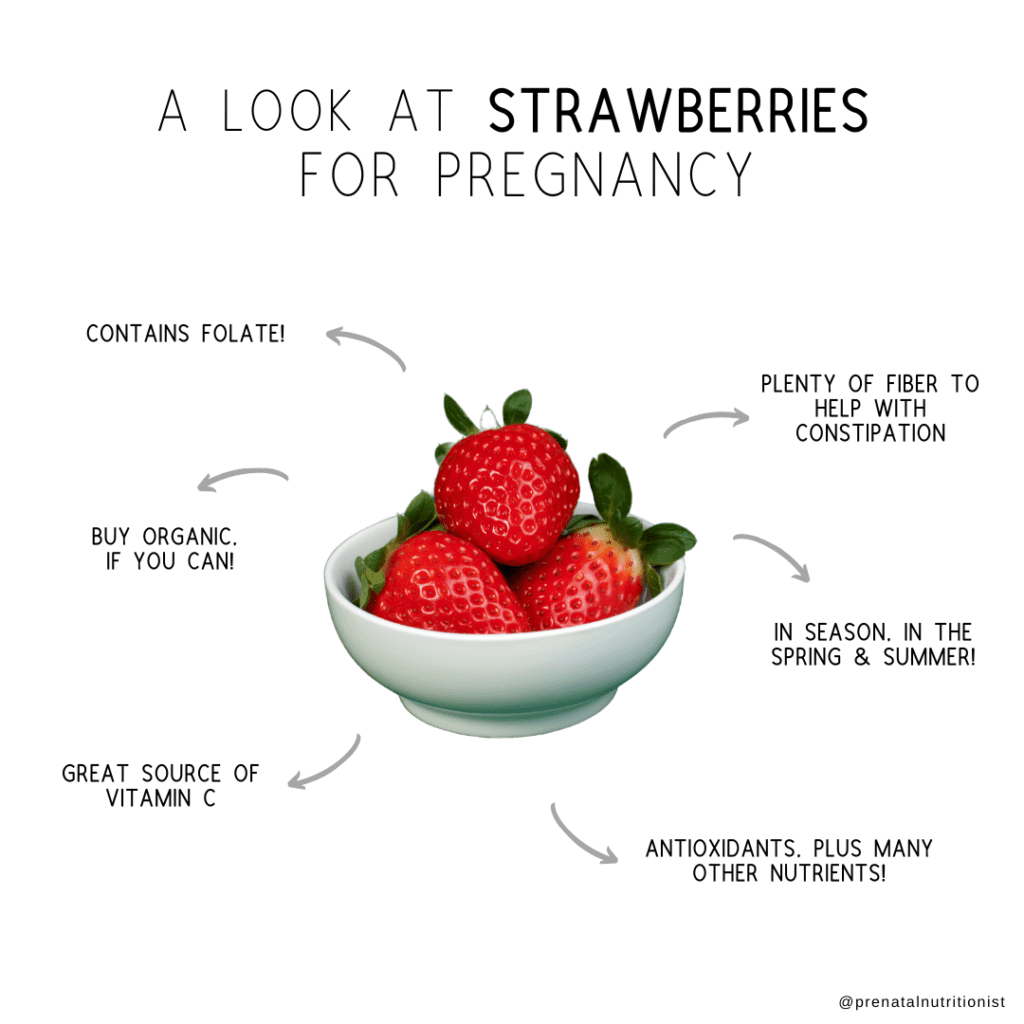
Strawberries are filled with water, which is essential to keep yourself hydrated. As a pregnant lady, you have increased hydration needs to accommodate your growing baby.

Water helps to form the placenta and carry nutrients to your baby, this “new organ” is a pivotal piece to a healthy pregnancy and baby.

Strawberries have a few carbohydrates in them, which is what you need to have energy, but strawberries also have fiber, which is a type of carbohydrate (1).

Fiber helps to keep your bowel movements normal and maintains your bowel health. Fiber can also help to keep you fuller for longer, which makes it easier to control your weight if that’s something you’re concerned with (2).

Strawberries also have folate, which is important in tissue and cell function. This vitamin is also essential for pregnant women to consume so your baby can grow and develop normally before entering the world (3).

In lesser amounts, as you’ll see below, strawberries also contain nutrients such as potassium, phosphorus, and magnesium.

Strawberry nutrition breakdown

1 cup whole strawberries (144g)

Water: 131 g

Calories: 46 calories

Carbohydrates: 11 g

Fiber: 2.9 g

Calcium: 23 mg

Iron: 0.59 mg

Magnesium: 18.7 mg

Phosphorus: 34.6 mg

Potassium: 220 mg

Sodium: 1.4 mg

Vitamin C: 84.7 mg

Folate: 34.6 ug

All values provided by the USDA nutrient database.

Vitamin C during pregnancy

Vitamin C is a vital antioxidant, and strawberries are filled with it!

Vitamin C is important for immunity and helps the absorption of iron in the body. It has been linked to birth weight and length and may even contribute to appropriate growth all the way up to six months of age (4, 5).

Read more about vitamin C in our lemons during pregnancy blog post.

Click here to read more on lemons.

I’m craving strawberries during pregnancy, is this normal?

Cravings during pregnancy are, for the most part, very normal.

A lot of women crave fruit for a variety of reasons, one being the high water content. As discussed above, fluid needs during pregnancy are heightened and your body is looking to make those extra needs up in any way it can.

Second, like many other fruits, strawberries contain folate, Vitamin C, and other nutrients that your body needs more during pregnancy.

Usually, it is okay to go ahead and give your body what it is asking for unless you have a strong urge to eat non-food items. Read more on pica during pregnancy in our previous blog on this topic.

Click here to read more on Pica

Tips for purchasing strawberries, should you go organic?

Strawberries taste best and have the most naturally occurring nutrients in them when they are in season, which is in the spring and summer.

Every year, strawberries are routinely placed on the “dirty dozen” list, which is a list of the foods that have the most pesticides on them (6). The list comes from an analysis of the United States government’s Pesticide Data Program report.

It can be really scary to think about chemicals and pesticides and toxic substances coming into your body and potentially harming you, or your baby.

While it’s very important to remember fruits and vegetables, organic or not, are extremely beneficial to consume during your pregnancy, a growing body of evidence suggests the repeated exposure to pesticides may affect pregnancy outcomes (7, 8, 9, 10, 11).

Strawberries have appeared top of the “dirty dozen” list year after year.

If your budget allows, focus on buying the “dirty dozen” list organic and saving money on the other produce. It’s wise to compare prices while at the store, you may be surprised that some organic options are the same price or even cheaper in some instances.

How to include strawberries in your diet

Strawberries, of course, taste quite delicious on their own, but there are so many ways you can enjoy them.

  • In a yogurt bowl
  • With whipped cream for a dessert
  • Blended in a smoothie
  • Dipped in chocolate
  • On top of toast with ricotta cheese
  • In chia seed pudding
  • Slice on top of pancakes or waffles
  • Top your oatmeal or have alongside eggs

Be sure to thoroughly wash your strawberries before using them just like all your other produce.

The Bottom Line

  1. Strawberries are safe and healthy for you and baby while pregnant. They are packed with fantastic vitamins, and even contribute to your fluid needs for the day.
  2. While you cannot control the pesticides that are on the strawberries, you can choose to focus on the health benefits and their delicious taste.
  3. Choose organic strawberries if the thought of synthetic pesticides isn’t welcoming and if your budget allows.

By Alexa  D’ Orazio, MS, RDN and Ryann Kipping, MPH, RDN, CLEC | Owner & Founder

Posted on

Vitamin D

What is vitamin D?

Vitamin D, or the “sunshine vitamin,” is an interesting fat-soluble vitamin because it’s the only vitamin our bodies can make from the sun.

In fact, the sun is our main source of vitamin D, providing anywhere from 50-90 percent of our vitamin D needs (1).

Like vitamins A and K, vitamin D has two forms, D2 (ergocalciferol) and D3 (cholecalciferol), both of which are found in small amounts in food: D2 in plant foods and D3 in animal foods. Processed foods, such as cereals, are often fortified with vitamin D (though, like any other fortified food, this is not the ideal way to obtain it). 

Vitamin D is one of the most studied vitamins when it comes to pregnancy, as it is related to so many important functions to keep you and your baby healthy. 

Vitamin D deficiency is common during pregnancy; over 80% in the second trimester, according to a 2026 meta-analysis (2). However, vitamin D deficiency is a problem worldwide. Most people in the US consume less than the recommended amounts of vitamin D (1).

This is due to multiple dietary, lifestyle, and physiological factors, which we will examine in more detail below. 

Vitamin D & Fertility

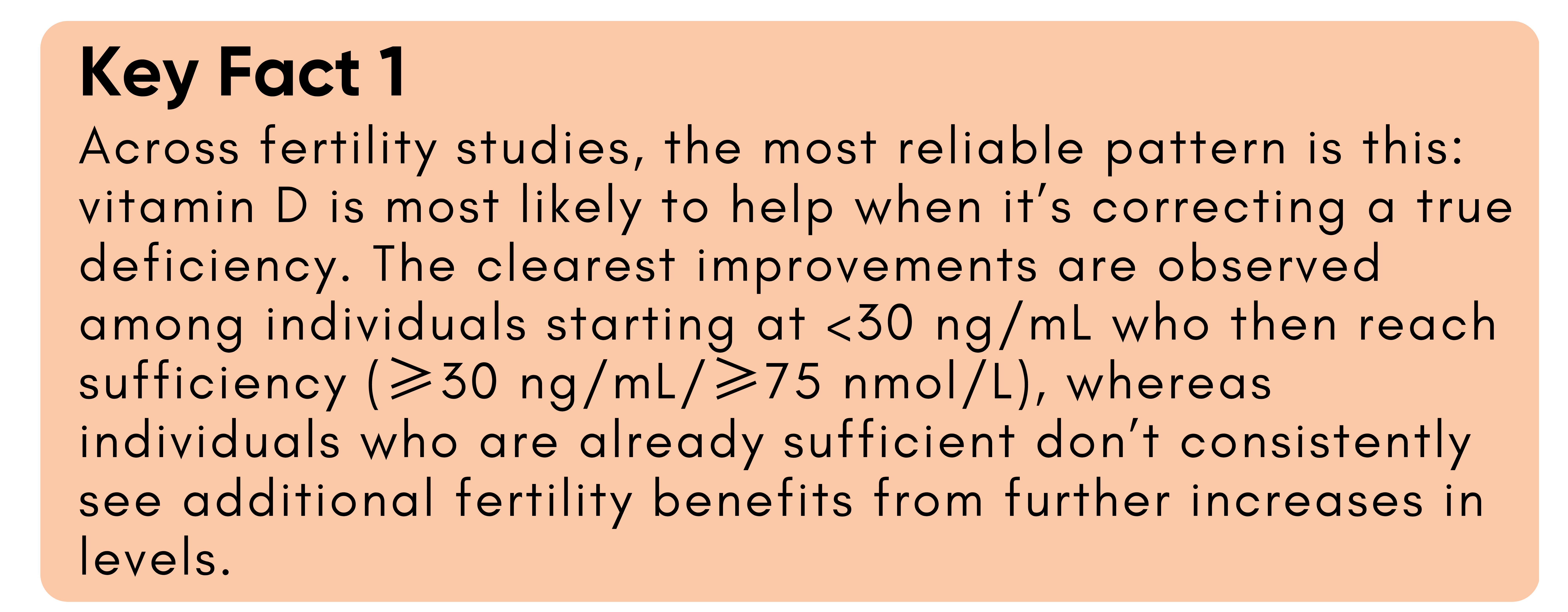
Vitamin D status may influence fertility outcomes. 

Overall, studies suggest that having sufficient vitamin D before conception (often defined as 25(OH)D ≥30 ng/mL / ≥75 nmol/L) is associated with slightly higher pregnancy and live birth rates, especially among people who start out deficient. However, results aren’t perfectly consistent across all populations.

What the evidence suggests

  • Natural conception: In prospective data, women with sufficient preconception vitamin D had a higher likelihood of clinical pregnancy and live birth (approximately 10–15% higher live birth likelihood in some cohorts) and, in some studies, a lower risk of pregnancy loss (1, 2, 3).
  • Infertility treatment/ART: Vitamin D status may be relevant for both partners. A couple-based analysis found a higher likelihood of live birth when the female partner was sufficient, and outcomes were strongest when both partners were non-deficient; however, IVF-specific meta-analyses have reported mixed or non-significant associations after sensitivity analyses (4, 5, 6).
  • Supplementation: In infertile patients, vitamin D supplementation has been associated with improved clinical pregnancy rates, with the greatest benefit observed in individuals who are vitamin D–deficient at baseline (7).
Vitamin D & Pregnancy 

Vitamin D supports key processes during pregnancy for both the parent and the baby. Low vitamin D status has been associated with a higher risk of complications, though not all studies find the same strength of effect.

Pregnancy outcomes

Vitamin D deficiency has been linked to gestational diabetes, preeclampsia, first-trimester miscarriage, and gallbladder issues. 

Vitamin D plays a role in glucose metabolism, but research on whether low vitamin D causes gestational diabetes is mixed (3). Still, vitamin D levels are often lower in people with GD, so it’s worth checking. Evidence on preeclampsia is also mixed, but many studies suggest that levels above 30 ng/mL are associated with a lower risk, and some data suggest that supplementation later in pregnancy may be more effective than early supplementation (4, 5, 6).

If levels are low, supplementation can be useful, but it works best alongside the root habits that support vitamin D status—sun exposure, vitamin D-rich foods, and addressing absorption/metabolism issues.

Impact on baby

The baby relies entirely on the mother for vitamin D in pregnancy. 

Maternal deficiency has been associated with a higher risk of certain childhood outcomes (including asthma, neurodevelopmental concerns, and autoimmune conditions) and may affect fetal bone development (research is still emerging) (4, 7). Low vitamin D status during pregnancy has also been linked to low birth weight and an increased risk of rickets (4).

Vitamin D & Postpartum 

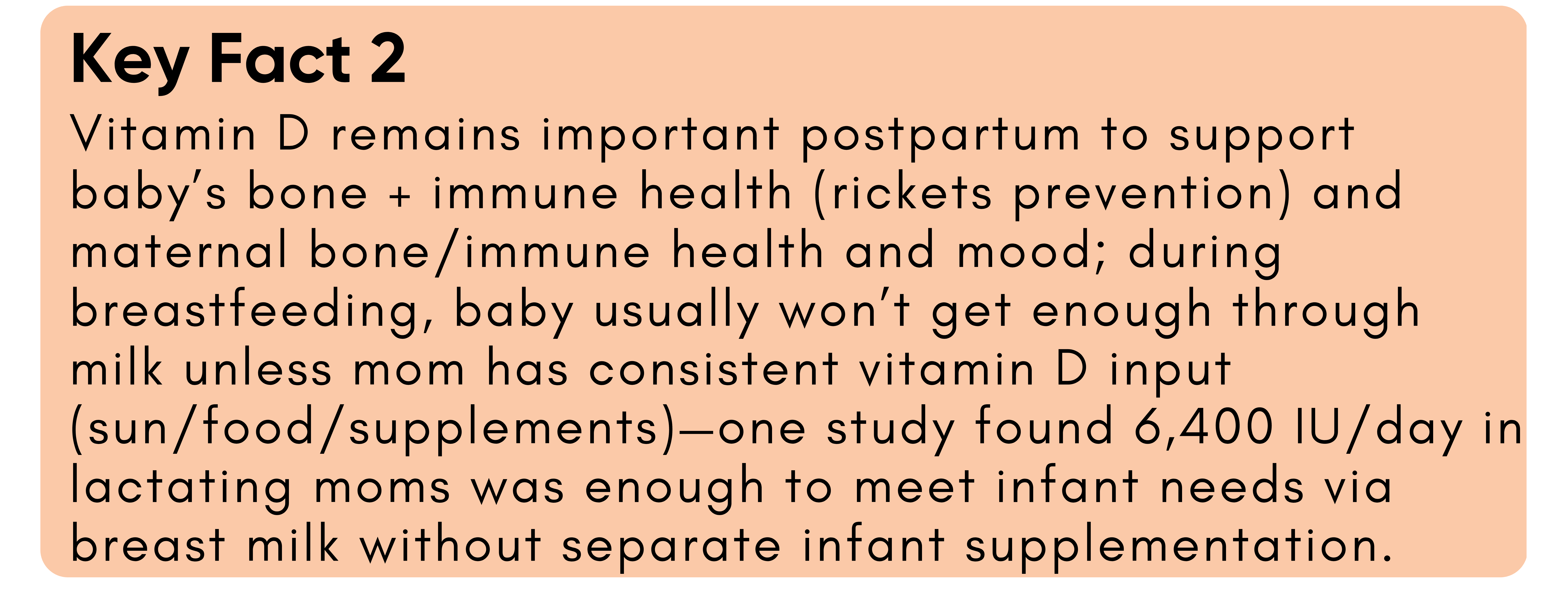
Vitamin D is essential during the postpartum period and while breastfeeding for maternal health and baby development. 

It’s needed for a baby’s bone health, immune function, and the prevention of rickets (62). Rickets is a softening and weakening of the bones in children caused by prolonged vitamin D deficiency, which remains a risk after the baby is born (62). 

Vitamin D also supports immune and bone health in postpartum and nursing mothers. Additionally, it’s essential for mood and mental well-being. Deficiency of vitamin D may be a risk factor for postpartum depression (63). 

Vitamin D & Breastfeeding

It’s widely recommended that mothers who exclusively breastfeed provide their infants with vitamin D, but have we ever stopped to consider why breast milk might be lower in vitamin D in the first place? 

If you are not getting enough vitamin D from sunlight and food, you cannot transfer enough vitamin D through breast milk to your baby, even if your levels are normal (8). 

This is because adequate vitamin D levels in the blood do not transfer through breast milk (8). However, vitamin D from sunlight, food, and supplements will transfer over to your baby (8)! 

One study found that breastfeeding women who took 6400 IU of vitamin D per day had optimal vitamin D levels in their blood and transferred sufficient vitamin D through their breast milk to meet their baby’s needs without requiring additional supplementation (8). 

So, if you’re planning to breastfeed, it’s a good idea to start planning how you will supply your little one with enough vitamin D, ideally through a combination of food, sunlight, and a vitamin D supplement to ensure their needs are met. 
Vitamin D needs at every stage 
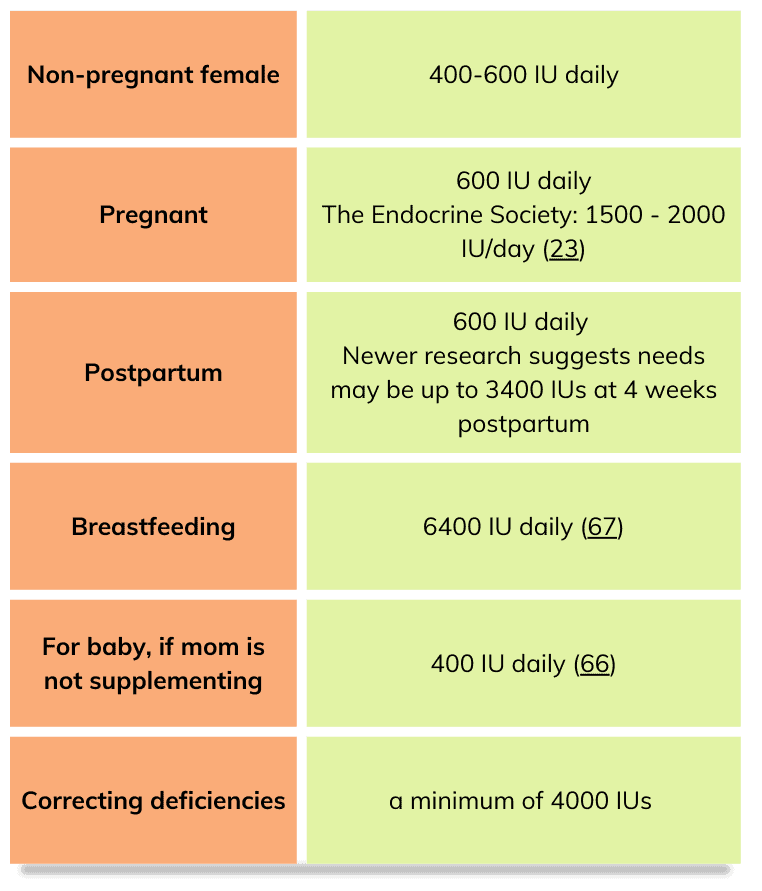
Research is inconclusive about the exact amount of vitamin D needed at any stage, but most people will need to supplement with vitamin D.  Review the prenatal vitamin note to find a prenatal vitamin with more vitamin D than 400-600 IUs.

Vitamin D deficiency

Vitamin D deficiency is a global problem, with many people not getting sufficient sunlight exposure, especially those who work all day indoors and never get daytime sunlight. 

Many countries have different cut-off points for ‘adequate’ vitamin D levels, making it difficult to quantify precisely how many people experience vitamin D deficiency (4).

Risk factors for vitamin D deficiency:

  •   Living North of the line drawn from Long Beach, CA, to Atlanta, GA 
  •   Living in an area with more air pollution 
  •   Dark skin 
  •   Obesity (4)
  •   Wearing sunscreen (at all times) when outdoors 
  •   Wearing long sleeves and pants outdoors 
  •   Vegetarian/vegan 
  •   Little time spent outdoors, especially at midday
  •   Lactose intolerance (9)
  •   Smoking (4)

Limited sun exposure, sunscreen, and vitamin D deficiency

A major risk factor for vitamin D deficiency is limiting sun exposure or always wearing sunscreen when outdoors. 

Fear of skin damage has led to the overuse of high-factor sunscreen. It is important to be careful about skin damage, and everyone’s limits will be different, but your skin needs access to midday sun a few times a week to synthesize vitamin D.

And it turns out the sun isn’t all to blame for sun damage and skin cancer— your diet is a contributor, too! 

The link between vegetable oils and skin cancer

Did you know that another sneaky culprit can greatly increase your risk of skin damage and skin cancer (along with countless other diseases and issues)? 

Research shows associations between linoleic acids (found in vegetable oils such as canola, corn, and soy) and an increased risk of skin cancer (10). While correlation doesn’t prove causation, studies also show us that reducing seed oils can “dramatically reduce the risk of ultraviolet (UV) induced sunburn,” with “susceptibility to UV radiation damage of the skin is directly influenced by the amount of LA (linoleic acid) in the diet” (10)! 

This makes sense when we consider how seed oils can become rancid; similarly, they can cause DNA damage throughout the body, including the skin, especially when exposed to heat, such as sunlight, leading to cancer (11). 

Keep in mind: while linoleic acids are the most prone to oxidation of all oils, the more unsaturated a fat is, the more prone it is to oxidation, while naturally saturated fats (i.e., animal fats and coconut oil) do not have the same damaging and dangerous effect in the body (12). 

Learn more about which oils to choose and which to limit during pregnancy here! 

How to safely get vitamin D from the sun

Maximize more D intake in less time

The best time to get vitamin D from the sun is at its highest point in the sky, which is midday (especially during the summer months), when the UVB rays responsible for vitamin D production are most intense (13, 14). 

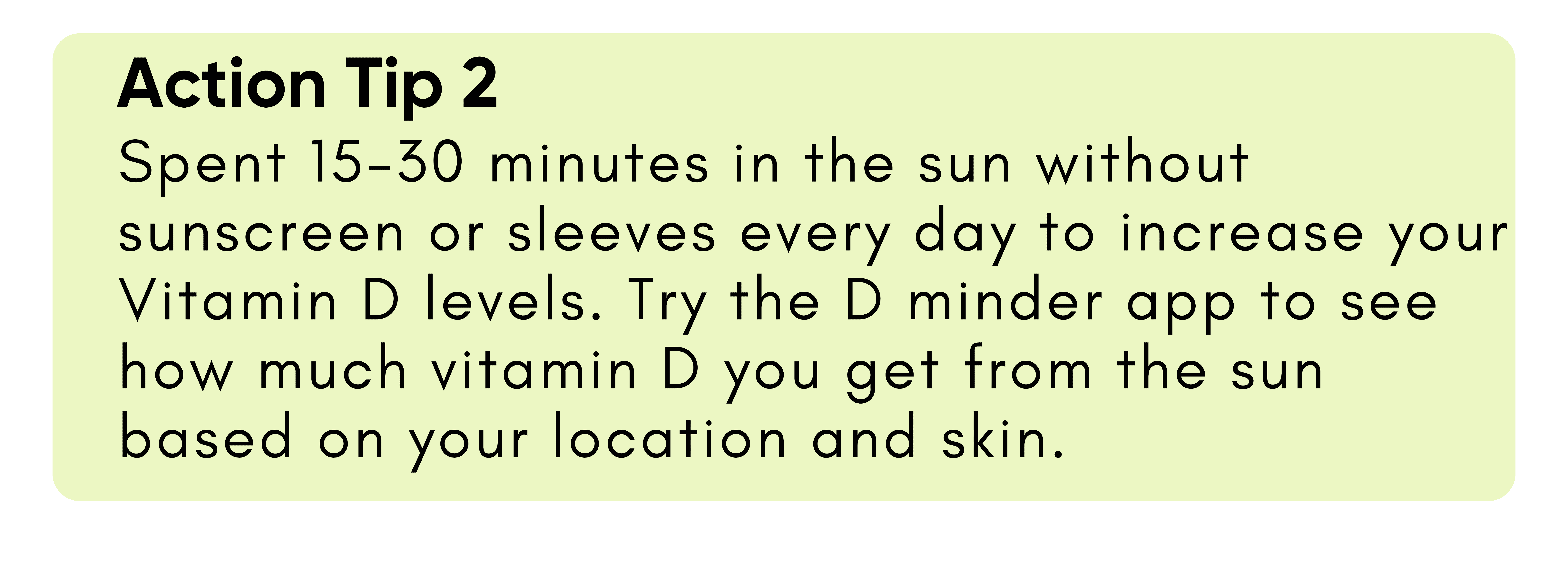
Spend 15-30 minutes in the sun.

Fifteen minutes in the hot summertime sun and at least 30 minutes in the wintertime when the rays are less intense (15, 16). If you have darker skin (either you’re someone who gets a tan easily or you were born with darker skin), you will need more time in the sun to get enough since having more melanin blocks the sun’s UVB rays, which is one reason why those with darker skin are at a higher risk of vitamin D deficiency than those with fair skin (17). 

The good news is that by maximizing your time in the sun when UVB rays are at their peak, you can get your vitamin D without increasing your risk of skin damage or melanoma (14). You can even use the D-minder app to help you make sure you’re getting enough vitamin D based on your skin and location. 

If you are planning to spend more time in the sun (>30 minutes), stay in the shade, cover up with UV-protective clothing and a hat, or wear a mineral-based, paraben-free sunscreen!

Increase your antioxidant intake.

In addition to reducing your risk of sun damage by limiting your linoleic acid intake as much as possible, you can increase your intake of astaxanthin, which research has found to have anti-aging and anti-cancer effects by reducing the effects of harmful UV rays (18, 19). Foods high in astaxanthin include salmon, algae, shrimp, lobster, crabs, and other seafood.

Vitamins A, C, and E also act as sun and skin-protective antioxidants as well, so load up on your citrus and whole food fats, like butter, nuts, avocados, and full-fat dairy (20).
Vitamin D-rich foods

As noted, the primary source of vitamin D is sunlight, and it is not found in many foods. The best dietary sources are oily fish like trout and salmon.
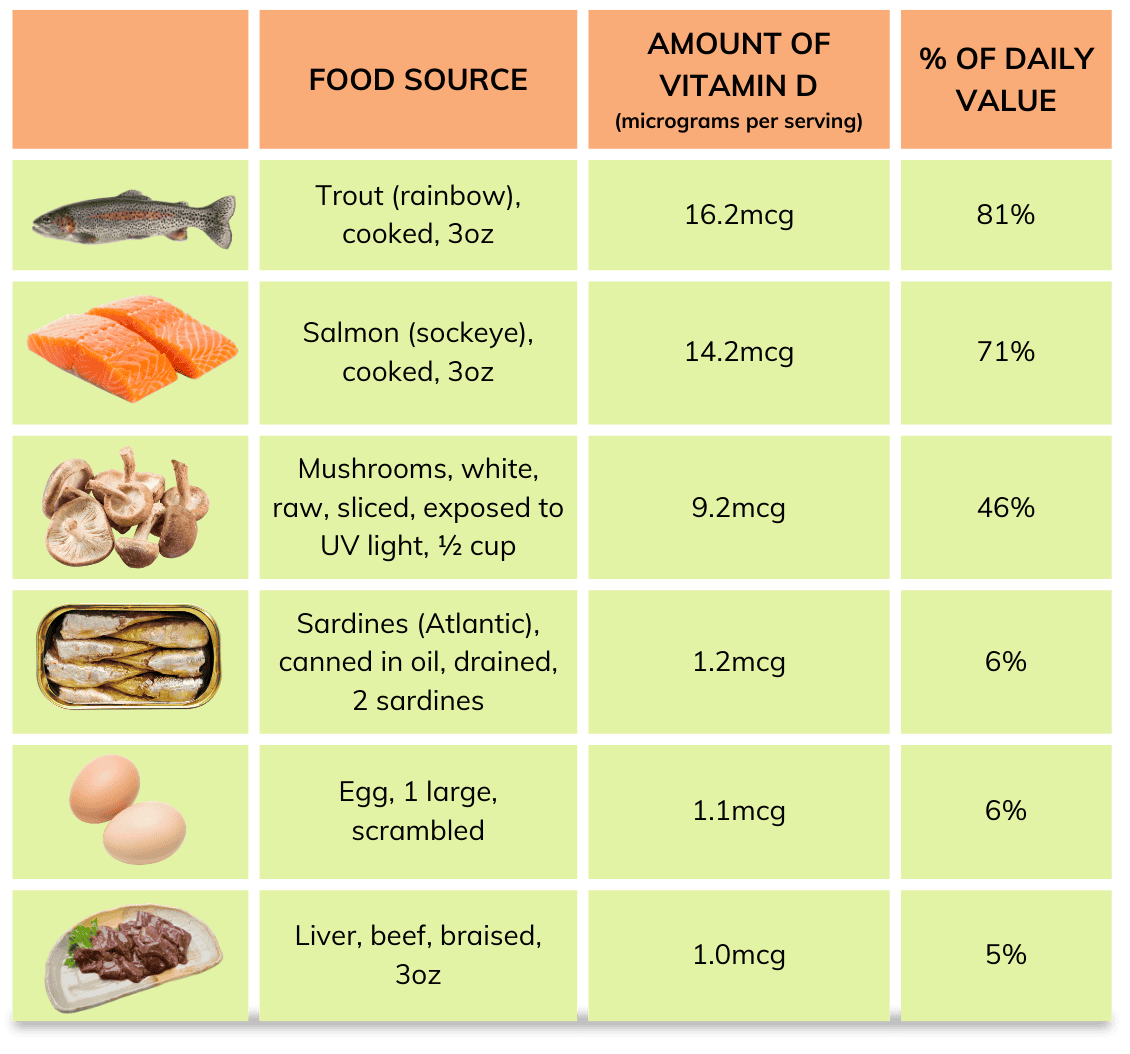
(Table adapted from National Institutes of Health 2021)

Vitamin D testing

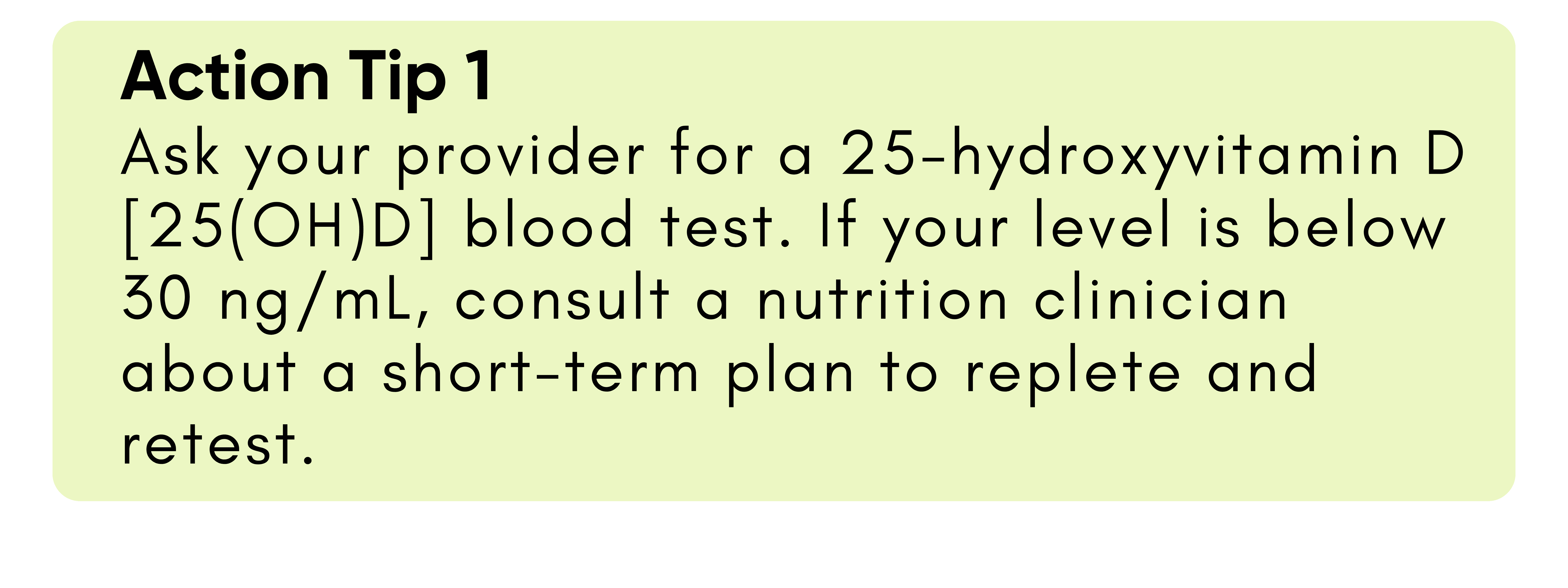
By testing your vitamin D levels (25-hydroxy vitamin D, or 25-OH vitamin D), you can fine-tune how much you need to supplement, working with your doctor and registered dietitian. I highly recommend this.

While you will see a level of 30 ng/ml (75 nmol/l) is sufficient, research indicates pregnant people should be closer to 50 ng/ml (125 nmol/l) (24).

You can also order an at-home vitamin D test kit.  

Do I need to supplement with vitamin D?

You’ve probably already gathered from above – yes, but there is a bit more to it than that. 

Find a prenatal vitamin that contains vitamin D3 (cholecalciferol). Although many of you reading this will need more than even what the Endocrine Society recommends (1500 – 2000 IU/day), taking a prenatal vitamin with at least 1000 IU is strongly recommended. 

A double-blind, randomized clinical trial found that 4,000 IU/day of vitamin D supplementation was safe and the most effective in achieving sufficient vitamin D levels in all women, regardless of race or geography (25). 

If you can, get your levels tested before and during each trimester of your pregnancy, including the fourth trimester.

The good news is that vitamin D supplements are relatively cheap! If your prenatal vitamin doesn’t contain vitamin K2 or phylloquinone, then it is recommended that you find a D3 supplement with K2.  See some recommendations next.

Vitamin D supplement recommendations

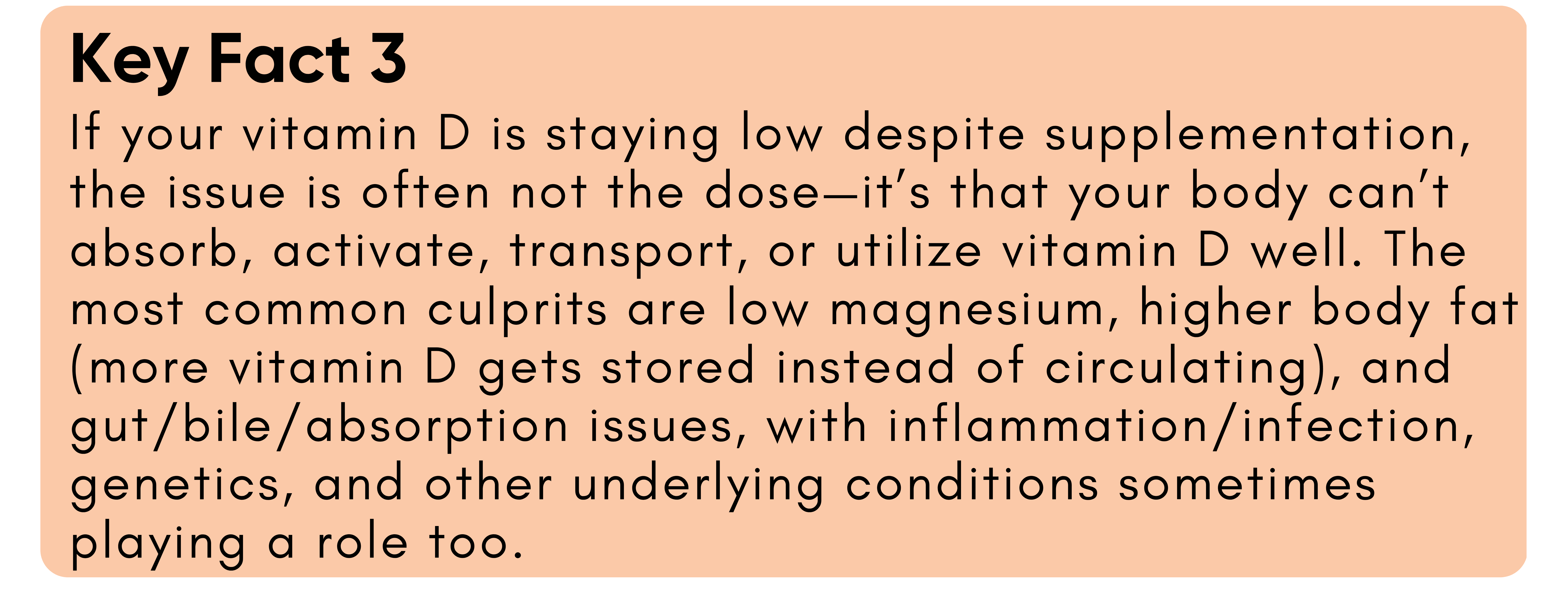
Help! My vitamin D is still low despite supplementation. What could be the problem? 

It can be frustrating if you’ve had chronically low vitamin D levels despite supplementing. But often, the key to low vitamin D isn’t just adding more vitamin D; it’s addressing the contributing factors that led to the low vitamin D in the first place. 

Other potential causes of low vitamin D

Low magnesium

Magnesium is needed to move vitamin D around in the blood and to activate vitamin D or convert it from its storage form to active form, and this can only happen when you have enough magnesium (26, 27). Magnesium deficiency can also reduce active vitamin D (1,25-dihydroxyvitamin D) levels and impair parathyroid hormone response (26). 

If you’re trying to address a vitamin D deficiency without also making sure your magnesium levels are adequate. With over half of the population in the US not getting enough magnesium each day and with magnesium needs being higher during pregnancy, it’s a good idea to pay more attention to your magnesium intake during pregnancy and get your levels checked in an RBC magnesium test and/or HTMA to determine if you already have a magnesium deficiency contributing to vitamin D deficiency (28, 29, 30). 

Having higher body fat

Since vitamin D is fat-soluble, people with higher body fat will store it in fat cells, leading to less circulating in the blood. People with obesity need higher vitamin D intake to maintain adequate levels and/or correct a deficiency (31). 

So, being obese reduces your body’s ability to convert vitamin D and circulate it, and reduces the effectiveness (32, 33). If obesity is a risk factor for you, this means you have a higher chance than average of being vitamin D deficient and responding poorly to supplementation, which means you will need a targeted protocol for assessing and ensuring your levels are adequate during pregnancy. 

Chronic infections and inflammation

Bacterial infections may cause dysregulated vitamin D metabolism (34). Chronic infections might include chronic Lyme disease, mycotoxin-related illness, and Epstein-Barr virus, which has been found to inactivate vitamin D receptors (35, 36). It’s best to work with a functional practitioner to address root issues and treatments if you know or suspect you have one of these or another. 

Your genetics

Some studies show that genetic variants, including those in VDR, CYP2R1, CYP27B1, and GC, may affect the benefit of vitamin D supplementation for each individual (37, 38, 39). 

Not eating enough animal foods and animal fats

Micronutrients needed for vitamin D synthesis and use in the body include cholesterol, magnesium, vitamin A, and vitamin K (40, 41). These are all found in animal foods, so if you have a low intake of foods high in these nutrients, your vitamin D metabolism will be impaired. Review our vegetarian note here for more information. 

Poor gut health

An imbalanced gut microbiome is associated with lower vitamin D levels, but increasing beneficial bacteria has been shown to raise vitamin D levels (42). Gut health is a key foundation for overall health, fertility, and pregnancy, and if your gut microbiome is out of balance, your vitamin D levels will likely remain out of balance as well. 

For more on how to support gut health during pregnancy, read on here. 

Conditions that affect nutrient absorption, such as celiac disease, Crohn’s disease, and Cystic Fibrosis, all reduce your body’s ability to absorb vitamin D (43).  

Poor bile flow

Poor bile flow reduces your ability to absorb fat-soluble vitamins (vitamins A, D, E, and K) since bile is responsible for breaking down fat, but you can increase bile and support bile flow by supplementing with bile salts, which have been found to increase vitamin D levels (42). You can also support increased bile flow by eating plenty of fats (cholesterol, especially), beets, and glutamine-rich animal foods, such as meats, seafood, and dairy, as well as choline from eggs and liver (44, 45). 

High glyphosate exposure

People can be exposed to glyphosate through diet, skin contact, and inhalation of airborne particles. Fruits, fruit juices, vegetables, and cereals all contain this herbicide (46). Glyphosate reduces vitamin D by reducing both the CYP27A1 gene and other minerals needed for vitamin D metabolism (47, 48, 49). Buy organic produce if possible, especially the dirty dozen. 

Hyperparathyroidism

Hyperparathyroidism is caused by abnormal parathyroid gland growth and elevated parathyroid hormone secretion, which, among many other symptoms, can lead to low vitamin D levels. It is most common in women over 60 years old, but it can also occur in younger people (especially women) (50). 

Some or many of these might be factors in your own situation, and it’s ideal to work with a practitioner who can dive into your health history to find what could be causing your deficiency rather than just trying to increase supplementation of vitamin D alone. 
Other lab values to assess when addressing vitamin D include: 

  • Active D and storage D: 25-hydroxy vitamin D (vitamin D stores, most commonly used), and if suspected high active vitamin D levels, 1,25-dihydroxy vitamin D (active form, less commonly used). Usually, only storage vitamin D is tested, but it is possible that you may have low-storage vitamin D and high-active vitamin D, especially if you’re supplementing vitamin D and have trouble converting vitamin D. 
  • Ionized Calcium: unbound calcium that is not bound to protein and is the body’s most accurate measure of calcium (51). 
  • RBC magnesium: a more accurate indicator of magnesium levels in the cells (only 1 percent of magnesium is actually in the blood) (29). An HTMA (hair test) can also provide good insight into intracellular magnesium levels. 
  • Parathyroid hormone: Vitamin D deficiency is common in hyperparathyroidism (52). High PTH levels can lead to high 1,25(OH)2D, low bone mineral density, increased risk of fractures, and osteoporosis, and supplementing with vitamin D often leads to low or suppressed PTH (53, 54). 

Start here with increasing vitamin D levels 

Like most nutrients, vitamin D works best with consistency. So, do your best to consume vitamin D–rich foods regularly (fatty fish, egg yolks, and full-fat dairy if you tolerate it). 

Then use these three levers to help your body absorb and use vitamin D more effectively:

  1. Optimize magnesium levels : Prioritize magnesium-rich foods (pumpkin/chia seeds, almonds/cashews/peanuts, spinach, beans, edamame). If needed, add magnesium via a supplement (multi-form options like Smidge), topical magnesium (lotion/deodorant), Epsom salt baths, and/or magnesium powder in your daily mineral mocktail
  2. Eat more animal foods and fats: Vitamin D metabolism relies on nutrients found mostly in animal foods—especially cholesterol, vitamin A, and vitamin K2 (40, 41). Focus on egg yolks, full-fat dairy/cheese, grass-fed beef, and (if you tolerate it) small amounts of liver/organ meats; include fermented foods for K2 like miso, sauerkraut, or natto. Cholesterol matters, too, because vitamin D made from sunlight is synthesized from cholesterol (56).
  3. Go outside mid-day. : Start by going outside mid-day without sunscreen or sleeves (if it isn’t winter).

Can you get too much vitamin D?

Yes! 

Too much vitamin D is toxic, another reason to test your levels before reaching for really high-level supplements.

When vitamin D is truly excessive, it can:

  • Raise calcium too high (hypercalcemia) in both mom and baby (4)
  • Cause symptoms like vomiting, muscle weakness, dehydration, and kidney stones (57)
  • Increase risk of soft tissue calcification (potentially via potassium wasting) (58)
  • Deplete magnesium, which vitamin D relies on for metabolism (59)

That said, studies using 4,000–5,000 IU/day have not shown hypercalcemia or tissue calcification, but vitamin D works best (and safest) when you’re also getting adequate supportive minerals that help your body utilize it  (60, 61). 

Can you get too much sun?

Excessive sun exposure won’t lead to toxic levels of vitamin D, but it definitely isn’t good for your skin. It is possible that frequent tanning beds can lead to toxic vitamin D levels, but they are an all-around bad idea anyway, so best to avoid them. 

Written by: Claire Gilmore, MSCN, CNS, LDN, and Ryann Kipping, MPH, RDN, LDN